
What shrinking foot traffic and rising costs reveal about fast food right now.
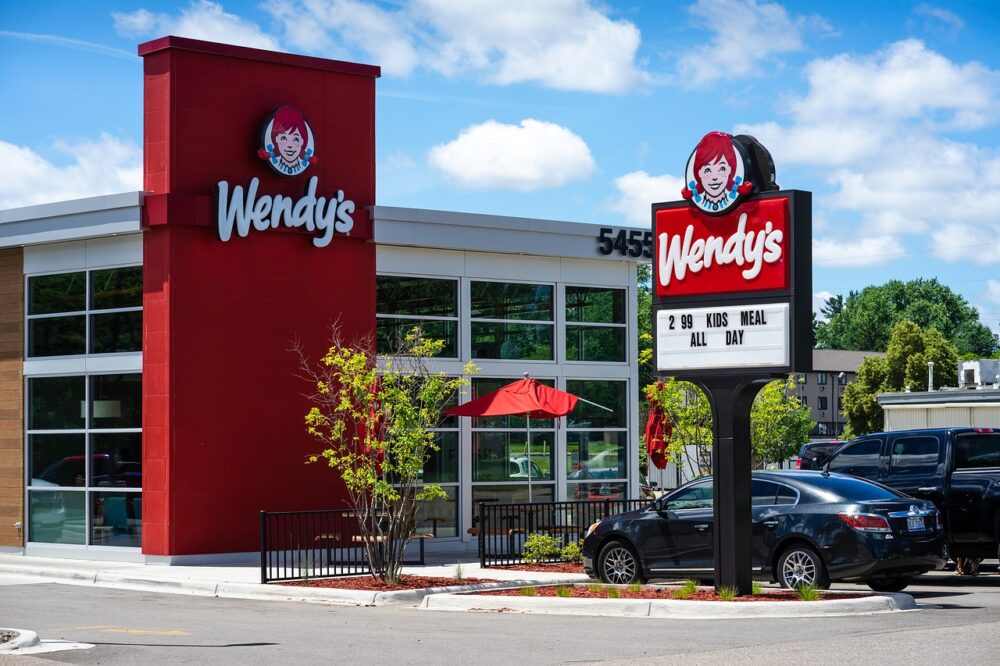
Wendy’s isn’t disappearing, but it is shrinking in ways customers are starting to notice. Stores that once felt permanent are going dark, sometimes with little warning beyond a paper sign on the door. That makes the closures feel sudden, even when they’ve been planned.
Behind the scenes, the company has been reviewing older, lower-volume locations that no longer fit how fast food works today. Rising labor costs, slower foot traffic, and outdated layouts all play a role.
The closures point to a bigger shift across fast food. Customers are more selective, speed matters more than ever, and stores in the wrong place or built for another era are struggling to keep up.
1. It starts with a headline, then you notice your own location is gone
Most people don’t follow earnings calls. They find out a store closed when the lights are off, the drive-thru is blocked, or the building is suddenly for lease.
That’s why closures feel sudden, even when they’ve been planned for months. Wendy’s has been trimming weaker restaurants while also talking about opening newer ones in better sites, so the story isn’t “vanishing.” It’s “reshuffling,” and that’s harder to see until it hits your neighborhood.
2. “Underperforming” usually means the store is stuck in the wrong era
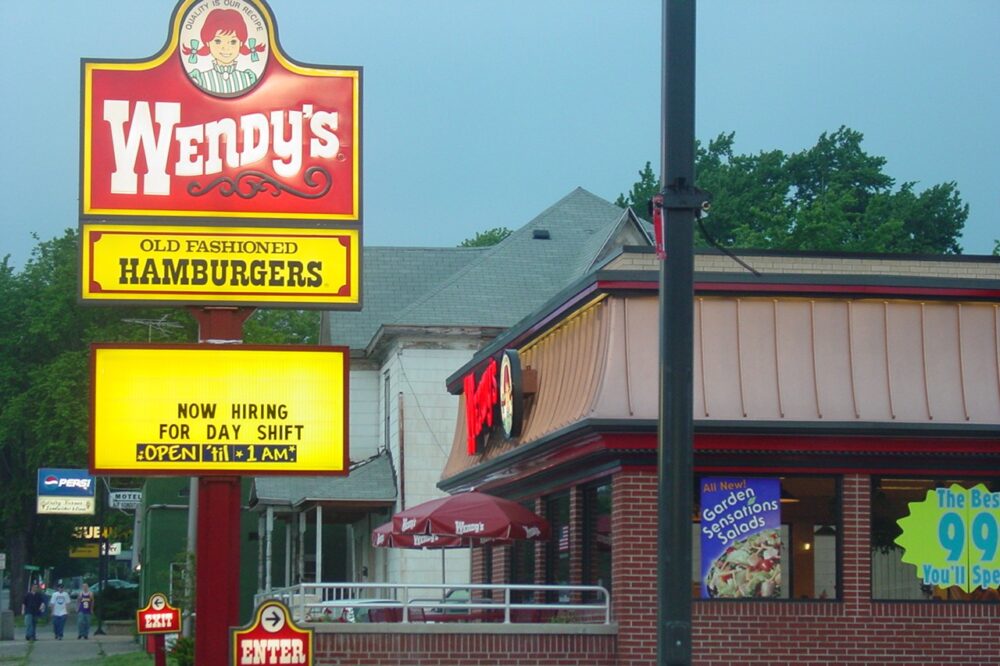
A restaurant can have loyal customers and still be a bad business. If it’s in a low-traffic corner, has a cramped lot, or can’t run a smooth rush, it loses the modern fast-food game.
Companies also look at sales volume, profitability, and whether the building can be upgraded. When a location is small, outdated, or expensive to fix, closing can be cheaper than rebuilding. That’s especially true when a nearby trade area can support a newer store.
3. Fast-food customers have become more price sensitive
When everyday costs rise, people cut back on “small luxuries,” including quick meals. Even if they still buy fast food, they may order less often or trade down to cheaper options.
Wendy’s has leaned on value promotions to fight that shift, but value alone doesn’t solve everything. If a store has weak traffic, higher labor costs, or poor throughput, discounts can squeeze margins even more. Closures can be a way to stop the bleeding in the weakest spots.
4. Drive-thru speed is now a make-or-break factor
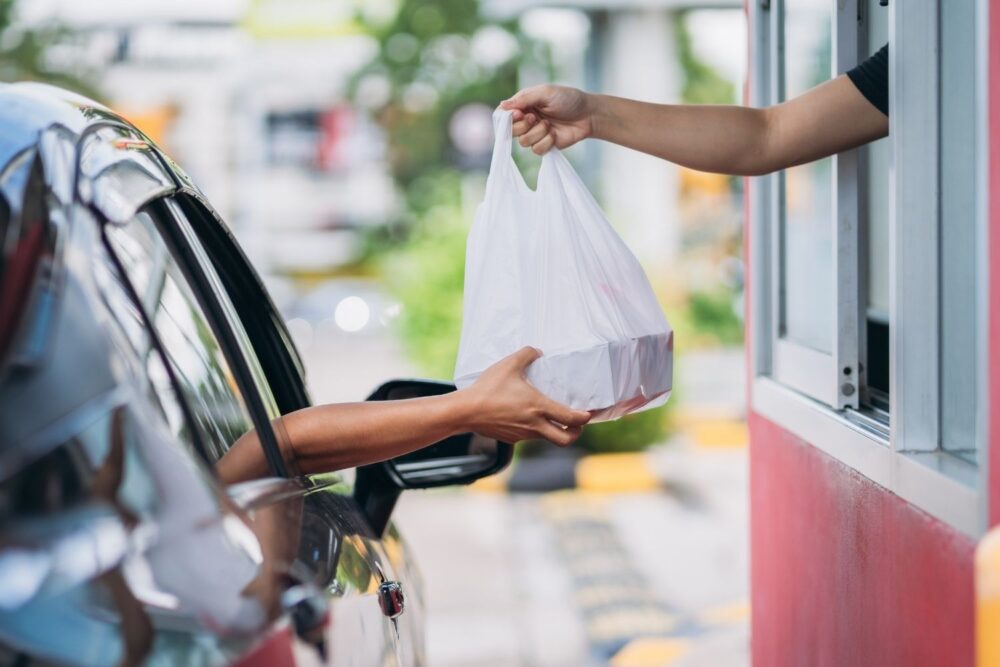
For a lot of customers, the drive-thru is the brand. If the line stalls or the order flow feels chaotic, people don’t just get annoyed. They switch apps or choose a different chain next time.
Older lots and layouts were not designed for today’s volume, especially with mobile pickup and delivery drivers joining the mix. A modern restaurant can push more orders through per hour, which is basically the whole business. If a location can’t keep pace, it becomes a closure candidate fast.
5. The company has been “pruning” for a while, not just lately
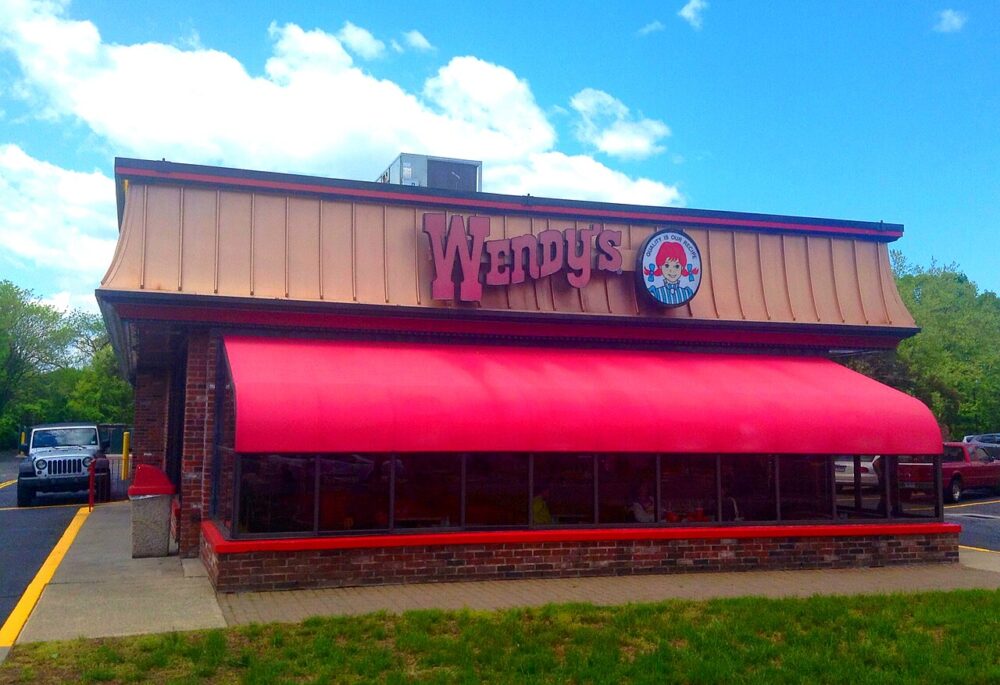
These headlines feel new, but Wendy’s has been talking for years about closing weaker restaurants and upgrading the system. In 2024, the company discussed shutting down a large batch of underperforming locations, and later signaled more portfolio cleanup.
Then, in late 2025, executives indicated a broader review that could lead to hundreds of additional U.S. closures into 2026. The key point is intent: remove low-quality units and concentrate on restaurants that can deliver faster service, better consistency, and stronger returns.
6. Some stores are closing because they can’t handle how people order now

The biggest reason closures cluster is simple: not every Wendy’s is built for today’s traffic. Location quality matters more than ever.
Older restaurants with tight lots, slow drive-thrus, limited parking, or outdated kitchens struggle when more orders come through apps and cars. If a store can’t handle peak rush efficiently, customers notice fast and don’t always come back.
Wendy’s has said it would rather close weaker units and shift investment to modern locations, remodels, and better sites. In plain terms, the brand is trying to trade “more addresses” for “better restaurants,” even if that means fewer signs in the short run.
7. Franchise math can force tough decisions
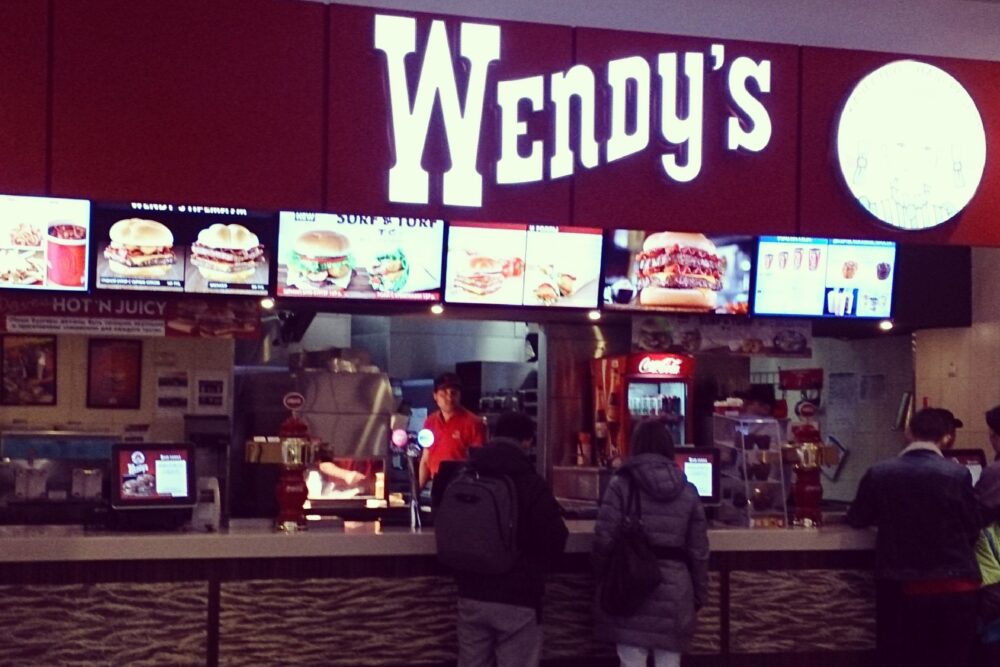
Most Wendy’s locations are run by franchisees, and franchise operators make decisions like any other business: keep investing, sell, remodel, or exit. When sales soften, that math gets harsher.
If a store needs a major remodel but can’t justify the cost, closing becomes the cleanest option. Sometimes a franchisee will close one weak unit to focus on stronger ones nearby. From the outside it looks like a brand crisis, but internally it can be a portfolio cleanup.
8. Delivery and app ordering changed what “a good location” means

A decade ago, the best sites were obvious: high-visibility corners and busy commuter routes. Now, the best sites also need space for driver pickups, mobile lanes, and quick handoffs that don’t jam the flow.
If a building can’t be adapted, it may never compete well, even if the neighborhood loves it. That’s why newer Wendy’s designs emphasize throughput and flexibility. Closures often happen where the building simply can’t evolve without a major rebuild.
9. Competition got tighter, even among burger chains
Wendy’s isn’t making decisions in a vacuum. Every major chain is fighting for the same customer who wants fast, affordable, and predictable. When that customer has fewer dollars to spend, the fight gets sharper.
That pressure exposes weaker stores. A location that was “fine” in a looser market can become a drag when rivals offer faster lines, stronger deals, or a better experience. The closures are partly about keeping Wendy’s competitive where it matters most.
10. A closure doesn’t always mean Wendy’s is leaving the area
This is the detail many people miss: some closures are more like relocations. A weak, older unit may shut down while a newer restaurant opens nearby in a better spot.
The brand has repeatedly described closures as part of “optimizing” the footprint, not abandoning markets entirely. It’s still disruptive for employees and regulars, but it changes the narrative. The goal is fewer low-volume stores and more high-performing ones.
11. The bigger story is what it says about fast food right now

Fast food used to be the most stable corner of dining. Now it’s being squeezed by higher costs, slower traffic in some income groups, and rising expectations for speed and accuracy.
Wendy’s closures are a visible example of that shift, not the only one. Chains are becoming less about being everywhere and more about being excellent in the places that can support modern operations. For customers, it’s a reminder that “cheap and easy” is getting harder for restaurants to deliver.