
From pace and politeness to weather and attitude, the differences show up fast.

Moving from the South to the Northeast rarely feels shocking at first. The stores are familiar, the cities look modern, and daily routines seem mostly the same. It’s easy to think the adjustment will be simple.
Then the small differences start to stack up. Conversations move faster. People speak more directly. The weather feels less forgiving and more personal. Habits that once worked smoothly suddenly don’t land the same way.
Over time, those moments form a pattern. Nothing is wrong, but everything feels different. Adjusting isn’t about changing who you are. It’s about learning a new rhythm and realizing it plays by its own rules.
1. The pace changes before you even unpack
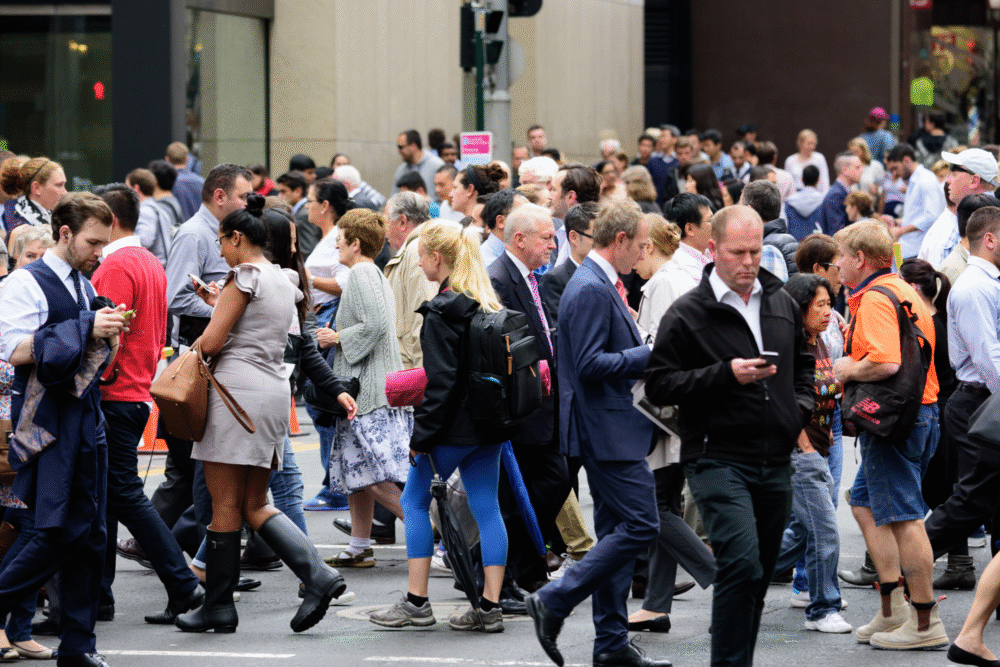
One of the first shocks is speed. People walk faster, talk faster, and seem permanently in motion. Waiting feels inefficient, not polite.
In the South, slowing down is often seen as considerate. In the Northeast, moving quickly is a form of respect. It takes time to realize no one is rushing you personally. They’re just rushing everything. After a while, you may even catch yourself doing the same. What once felt stressful starts to feel normal.
2. Small talk doesn’t work the same way

Southerners often open conversations with warmth, questions, and gentle buildup. Up north, that can feel unnecessary or even confusing.
People may skip straight to the point without checking in first. It’s not rudeness. It’s efficiency. Once you adjust, conversations can feel refreshingly honest. You spend less time circling topics. You get used to clarity being the goal.
3. Directness replaces politeness as the default

In the South, feedback is often softened to protect feelings. In the Northeast, it’s delivered cleanly and without much cushioning. That can feel harsh at first.
Over time, many transplants realize this style saves energy. You don’t have to guess what someone means. They already told you. Disagreements are quicker, but they also end faster. There’s less emotional residue once the point is made.
4. The weather feels like a full-time character

Southern weather is intense but predictable. Northeast weather feels moody and personal, like it has opinions.
Winters linger longer than expected. Springs hesitate. Summers arrive suddenly. People talk about weather not as small talk, but as strategy. Clothing choices become decisions, not habits. Planning starts revolving around forecasts in a way it never did before.
5. Humor turns sharper and more self-aware

Southern humor leans warm, storytelling, and shared experience. Northeast humor is drier, faster, and sometimes brutally honest.
Sarcasm shows up early. Jokes land quickly and without explanation. It can feel unfriendly until you realize teasing often signals comfort, not conflict. Once you adjust, the humor becomes one of the most enjoyable surprises. You learn to give it back.
6. Kindness becomes quieter but still real

In the South, kindness is often visible. It comes with smiles, conversation, and reassurance. In the Northeast, kindness is usually practical and understated. Someone may not greet you warmly, but they’ll help solve the problem in front of you.
You might not get a long chat, but you’ll get directions, advice, or assistance without hesitation. The focus is on usefulness rather than warmth. That difference can feel cold at first.
Over time, many people realize the care is still there. It’s just expressed through action instead of tone, and once you recognize it, it becomes easier to trust.
7. Social circles take longer to crack

Southern social life often feels open and welcoming from the start. In the Northeast, people guard their time and personal space more closely.
Friendships form slower, but they tend to run deep. Once you’re in, loyalty is strong. The wait can feel long, especially at first. Eventually, you realize the relationships you build tend to last.
8. Food culture comes with strong opinions

Barbecue loyalty gets replaced by pizza loyalty almost immediately. Everyone has a favorite spot, and they will defend it fiercely.
Food becomes regional identity. Bagels, pizza, and coffee spark debates that feel surprisingly serious. Saying the wrong thing can launch an argument you didn’t plan to have. Over time, you learn which opinions to keep quiet and which ones are safe to share.
9. Personal space shrinks in public
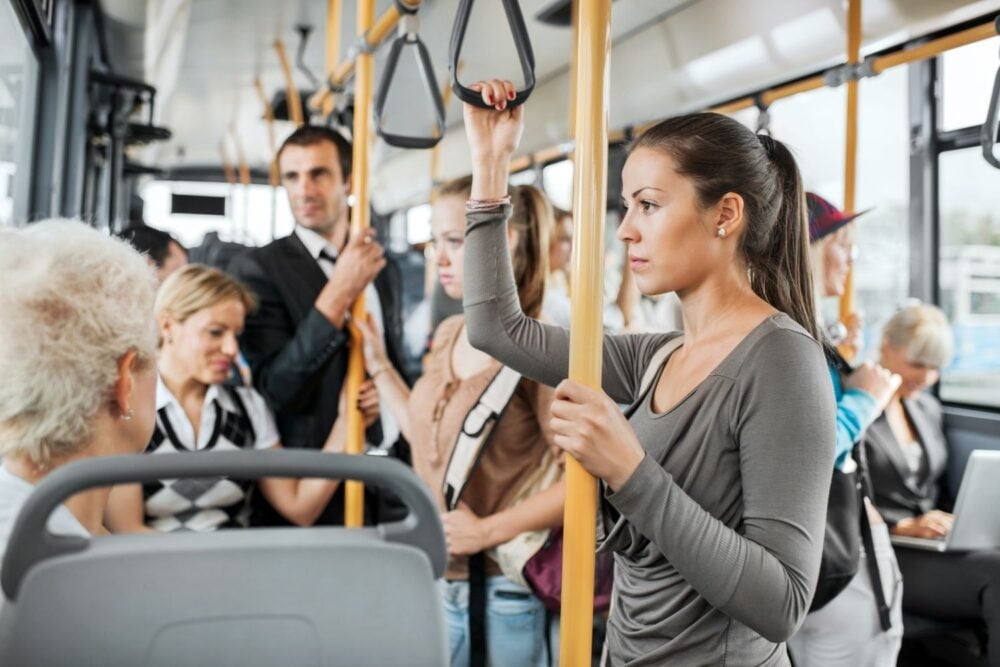
Cities compress everything. Sidewalks are crowded, trains are packed, and personal bubbles disappear fast. For people used to open space, this can feel overwhelming and oddly exhausting at first.
Over time, you learn the rules. Eye contact softens, headphones signal boundaries, and everyone moves with quiet coordination. It’s less about friendliness and more about efficiency. Eventually, the closeness stops feeling invasive and starts feeling normal, even necessary for keeping things moving.
10. Work culture feels more intense

Deadlines feel firmer. Meetings move faster. Expectations are stated directly, sometimes without much cushioning. This can feel abrupt if you’re used to softer communication at work.
But the clarity has benefits. You know where you stand quickly. Feedback comes sooner. Many transplants find they grow more confident because they’re encouraged to speak up and self-advocate. The pressure is real, but so is the sense of momentum once you adjust.
11. Regional pride shows up differently

Southern pride is often welcoming and expressive. Northeast pride is quieter, sharper, and surprisingly protective. People complain constantly about where they live.
But that criticism has rules. Outsiders don’t get the same permission. The moment someone unfamiliar joins in, locals push back. Over time, you realize the complaints are a form of attachment. It’s affection wrapped in sarcasm, not indifference.
12. Eventually, you stop translating everything

At first, every interaction feels like something to decode. Tone, speed, humor, and expectations all require mental effort. You compare everything to how it worked back home.
Then one day, you stop translating. The pace feels normal. The bluntness feels efficient. You don’t lose your Southern instincts, but you layer new ones on top. And that’s when the move finally feels complete, not because the place changed, but because you did.