
From weather to culture, these assumptions don’t hold up once you look closer.

People online love turning Canada into a single vibe instead of an actual place. A few jokes about snow, politeness, and maple syrup get repeated until they start sounding like facts. But Canada isn’t one mood or lifestyle.
It’s a mix of cities, regions, languages, and cultures that don’t match the meme version. Some stereotypes are harmless, but others erase real differences, especially between provinces and big cities.
Once you look closer, a lot of the “common knowledge” falls apart, and the real country looks more interesting, more complicated, and sometimes more surprising than the stereotype.
1. “Canada is basically cold all the time”

Yes, Canada has winter. No, it is not frozen year-round. Large parts of the country experience hot summers, long heat waves, and humidity that surprises first-time visitors.
Cities like Toronto and Montreal regularly see summer temperatures that feel more like the U.S. Midwest than the Arctic. The snow stereotype sticks because it’s visually iconic, not because it defines daily life.
2. “Everyone lives in the wilderness”
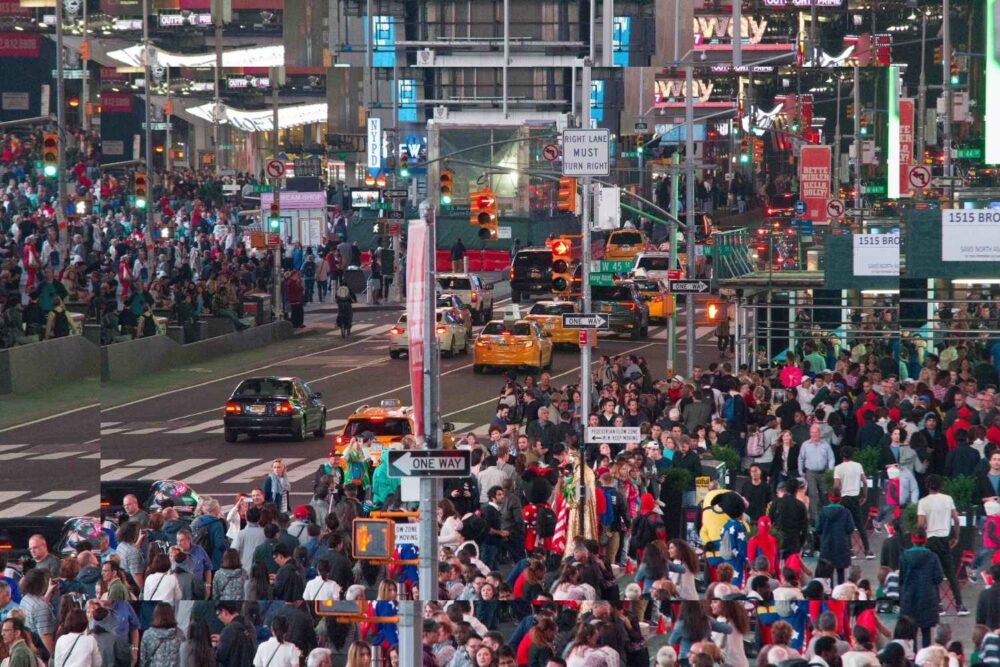
Canada has vast forests and remote regions, but most people live in cities clustered near the southern border. Urban life dominates far more than nature documentaries suggest.
The majority of Canadians live in metropolitan areas with traffic, transit, nightlife, and housing shortages. The wilderness is real, but it’s not where most people are grabbing coffee or scrolling their phones.
3. “Canadians are always nice”

Canadians tend to be polite, but politeness is not the same thing as kindness. Like anywhere else, people get impatient, competitive, and annoyed, especially in crowded cities.
The stereotype comes from cultural norms around conflict avoidance, not constant friendliness. Canadians can be blunt, sarcastic, or passive-aggressive when pushed, just with better manners.
4. “Canada is basically the U.S. with healthcare”
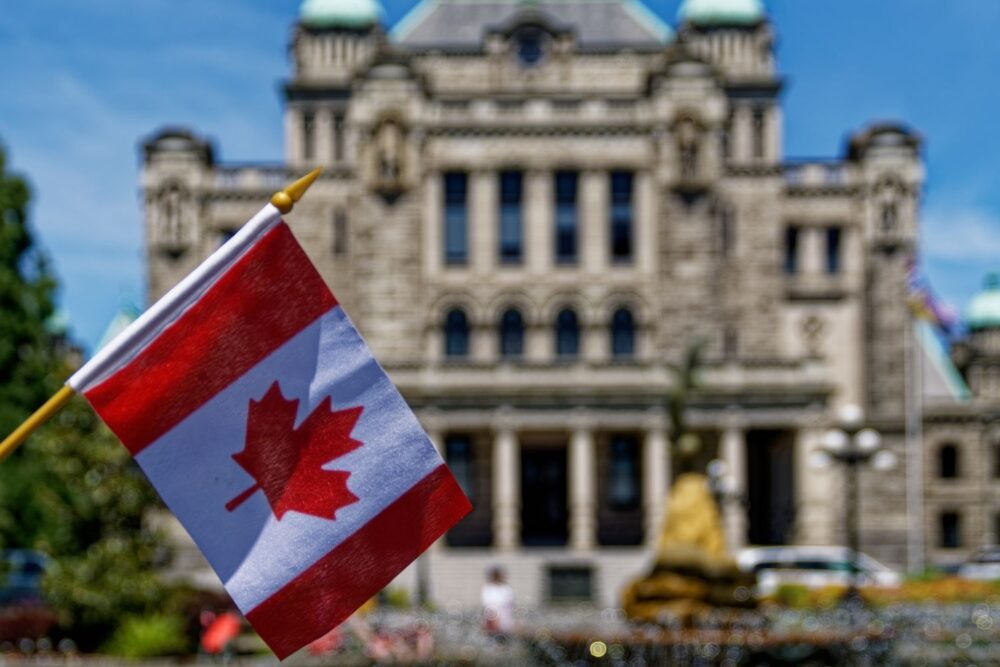
Canada and the United States share media and pop culture, but daily life feels different. Politics, education, work culture, and social expectations don’t always align the way outsiders assume.
Healthcare matters, but it’s not the only difference. Attitudes toward guns, public services, and national identity create a social tone that doesn’t map cleanly onto American norms.
5. “Everyone sounds the same”

Canada has multiple accents that vary by region, background, and language. Coastal provinces, major cities, and rural areas all sound different.
French-speaking regions add another layer entirely. The idea of one Canadian accent usually comes from TV characters, not real conversations across the country.
6. “Canada is super chill about everything”

From the outside, Canada can look calm, relaxed, and conflict-free. That impression comes from comparison, not reality. Canada has heated debates over housing, climate policy, Indigenous rights, immigration, and affordability, and those issues can spill into protests, strikes, and election fights.
The difference is how conflict shows up day to day. Disputes often move through institutions, courts, and policy, not constant spectacle.
International media also covers Canada less, so tension is easier to miss unless you live there. It can feel quieter, but it doesn’t mean the pressure isn’t real or that people are indifferent.
7. “Everyone loves hockey”

Hockey is big, but it’s not universal. Many Canadians don’t watch it, don’t play it, and don’t care who’s winning.
Basketball, soccer, and other sports have grown rapidly, especially among younger generations. The hockey obsession stereotype lags behind real shifts in taste.
8. “Canada is cheap compared to the U.S.”

Canada can be expensive, especially in major cities. Housing costs, rent, groceries, and mobile plans often shock visitors who expect lower prices.
Wages don’t always scale with those costs. The idea that Canada is a budget version of the U.S. ignores real affordability challenges.
9. “Everyone speaks perfect English”

Canada is officially bilingual, and many people speak multiple languages. English dominance varies by region, community, and city.
In some places, French or other languages shape daily life more than English. The monolingual stereotype misses how diverse communication really is.
10. “Canada has no culture of its own”

Canadian culture exists, but it’s less loud and more regional. Music, fashion, humor, and slang differ widely depending on where you are.
Because it doesn’t always export itself aggressively, outsiders mistake subtlety for absence. That says more about visibility than reality.
11. “Canadians don’t care about global issues”

Canada is deeply tied to global politics, trade, and migration. International events often have direct domestic impact.
Young Canadians are highly engaged online and offline, especially around climate and social justice. The quiet tone doesn’t mean disengagement.
12. “The stereotypes are harmless”

Stereotypes seem playful until they erase real differences. When a country becomes a joke, its complexity disappears.
Understanding Canada beyond the memes makes conversations better, travel richer, and comparisons more honest. The country isn’t boring. It’s just harder to summarize in a single punchline.