
Why shifts in U.S. energy and tech policy could strengthen China’s lead in AI and power infrastructure.
Artificial intelligence is quietly turning electricity into a strategic resource. Training and running large models now requires massive, reliable power, making energy infrastructure part of the global tech race in ways few people expected.
At the same time, U.S. clean energy incentives and timelines are shifting while data center demand accelerates. That has sparked concern that slower power expansion could give China an opening in AI and advanced computing.
The truth sits between panic and complacency. Policy signals, grid speed, and industrial planning all matter. Here is what is changing, what China is actually doing, and what determines who leads next.
1. The AI race is quickly becoming an electricity race

Modern AI systems depend on data centers that run nonstop and draw enormous amounts of power. Training large models, serving millions of users, and keeping systems cool all stress local grids in ways older tech never did.
When utilities cannot add capacity fast enough, projects slow or move elsewhere. That is why power availability now shapes where AI investment goes. Countries that can build generation and connect it quickly gain an edge that software alone cannot overcome.
2. Power, not chips, is emerging as the main bottleneck

Advanced chips still matter, but many experts now point to electricity as the harder constraint. You can design better hardware in months, but adding substations, transformers, and new lines takes years.
This shift changes how we think about competition. AI leadership depends on physical systems as much as code. If power delivery lags, even the most advanced models stay theoretical rather than commercial.
3. U.S. clean energy policy signals have become less predictable

Recent changes to federal tax credits and timelines have introduced uncertainty for developers planning new renewable and storage projects. Even modest adjustments can delay investment when projects depend on long lead times and stable financing.
For data center developers, uncertainty matters almost as much as cost. Predictable power pricing and build schedules influence where companies choose to locate. Mixed policy signals can slow momentum without formally ending support.
4. Clean energy matters to AI even beyond climate concerns
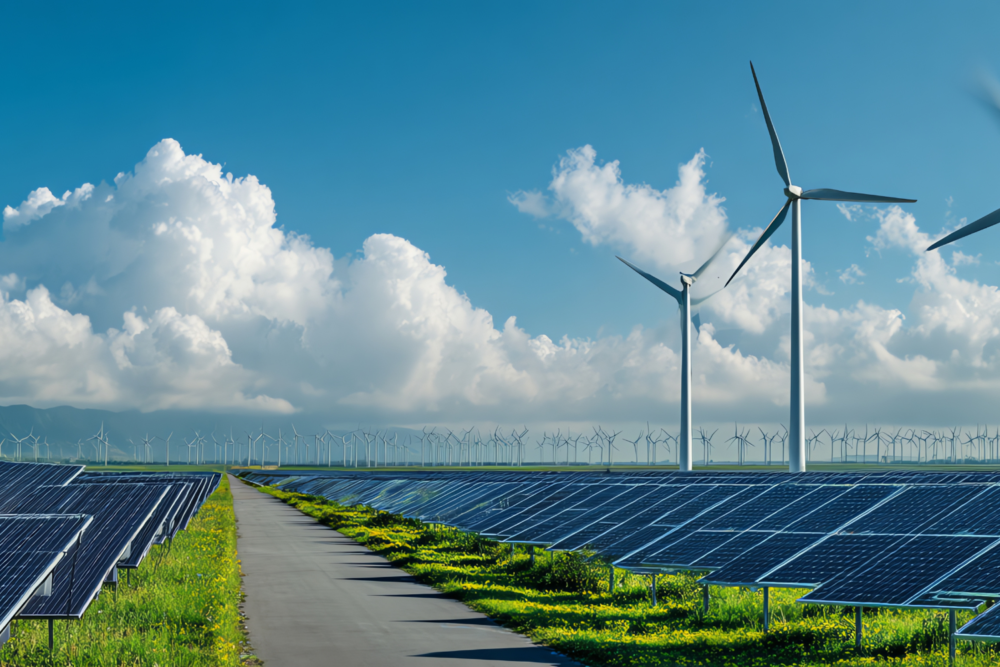
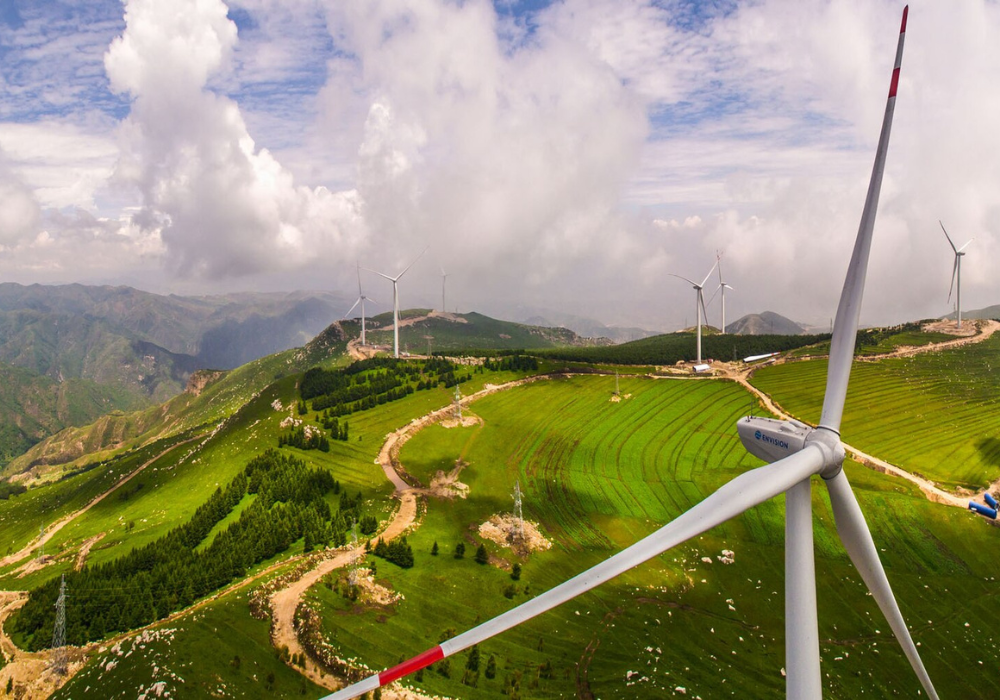
Wind, solar, and battery projects can often be built faster than traditional power plants. That speed is critical when data center demand is rising year by year rather than decade by decade.
Clean power also helps companies meet internal sustainability goals and local permitting requirements. If renewable deployment slows, it can limit siting options and increase costs, turning energy policy into a competitiveness issue rather than an environmental one.
5. China’s advantage begins with sheer power scale

China produces far more electricity than the United States and continues expanding both generation and grid infrastructure. That scale allows leaders to prioritize industrial and technological goals when allocating power.
Large build programs can reduce costs and speed deployment. For AI, abundant electricity supports data centers, manufacturing, and related industries. Scale does not guarantee efficiency, but it provides flexibility that smaller systems lack.
6. China’s power growth also comes with real limits
Much of China’s new generation is located far from major population and data hubs. Transmission constraints and coordination challenges have left some facilities underused despite large investments.
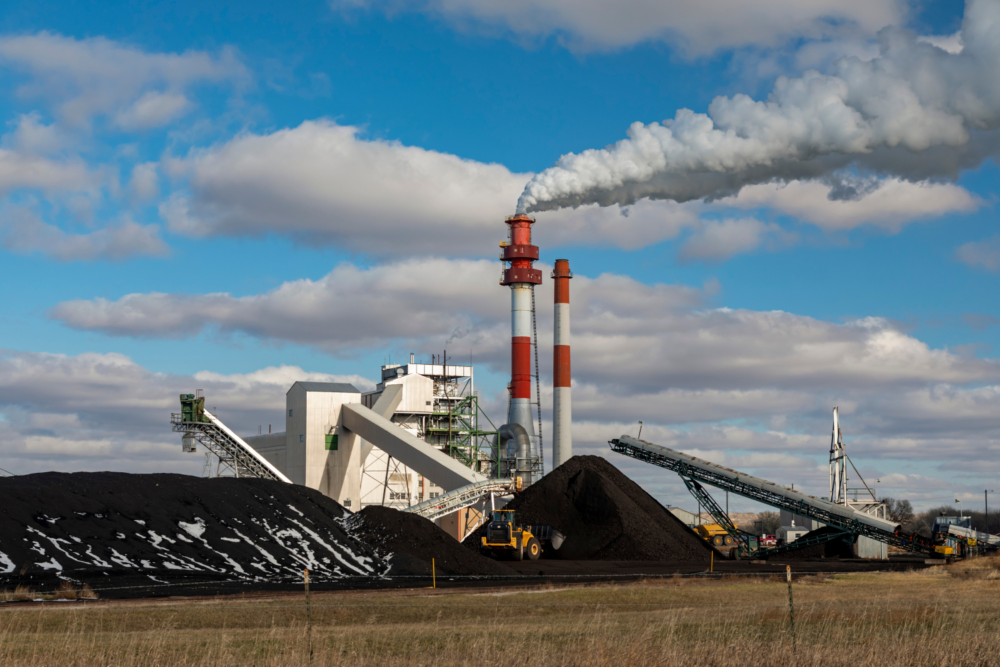
China also relies heavily on coal to ensure reliability, which creates pollution and long-term financial risk. Rapid expansion can hide inefficiencies, meaning power abundance does not always translate cleanly into usable capacity where it is needed most.
7. Grid infrastructure is the hidden choke point

Generation alone is not enough. Electricity must move through transmission lines, substations, and transformers, many of which face long approval and construction timelines in the United States.
Interconnection queues have become a major delay for new projects. Even when power exists on paper, it can take years to deliver it to a specific site. That delay affects data centers just as much as renewable plants.
8. Materials and manufacturing shape how fast power can grow
Building grids and clean energy systems requires enormous amounts of copper and other materials. Demand is rising quickly, and supply constraints can slow projects or raise costs.
China controls significant portions of clean energy manufacturing and processing. If U.S. incentives weaken while material access remains tight, power buildouts can face a double squeeze of higher prices and slower timelines.
9. Natural gas can fill gaps, but only to a point
In many regions, gas plants are seen as a practical way to add firm power. They are familiar, dispatchable, and easier to integrate with existing systems.
However, gas plants still take years to permit and build, face fuel price volatility, and create long-lived assets that may clash with future climate rules. Overreliance can solve short-term shortages while creating long-term risk.
10. Nuclear power promises stability but not speed

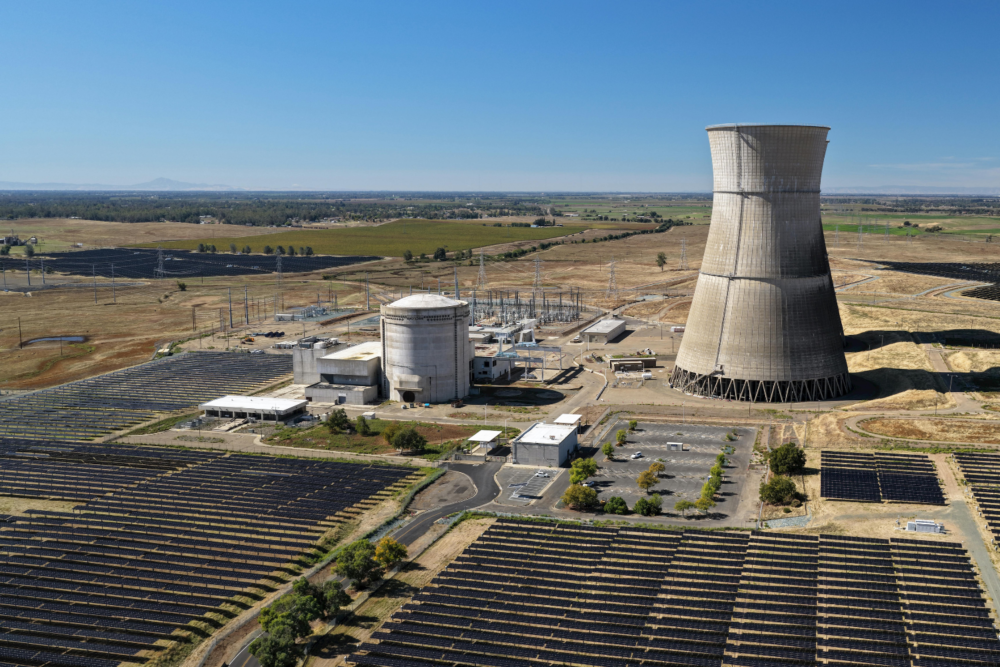
New nuclear designs are often proposed as ideal power sources for data centers because they provide constant, low-carbon electricity. The challenge is timing.
Licensing, financing, and construction remain slow, making nuclear a medium-term option rather than a near-term fix. Without faster approvals and clearer pathways, nuclear will not meaningfully affect the current AI expansion cycle.
11. Handing over leadership would look gradual, not dramatic

There is no single law that decides the outcome. Losing ground would show up as slower U.S. power additions, rising electricity prices, and AI projects choosing locations with faster access to energy.
China, meanwhile, would continue scaling generation and industry. Even with other constraints, abundant power can support steady growth. The question is whether U.S. infrastructure and policy accelerate or remain stuck.
12. What to watch if you care who leads next

Pay attention to grid reform, transmission permitting, and how quickly utilities add capacity without major rate shocks. These details determine whether power keeps up with demand.
Also watch how China manages transmission, utilization, and industrial power allocation. The AI future will be decided less by speeches and more by construction schedules, utility filings, and how fast electrons reach servers.