
Why the routines and systems we rely on every day may be far more fragile than they seem.

Life feels stable because change often happens quietly. Technologies improve in the background, systems adapt without notice, and familiar routines continue, until suddenly they don’t. What once seemed permanent can shift faster than most people expect.
Experts across technology, economics, and urban planning warn that many everyday features of modern life are approaching major transitions. These shifts aren’t always dramatic, but they can reshape habits, access, and expectations in subtle yet lasting ways.
Understanding what may soon change helps explain why the future can feel unsettling even when nothing seems wrong today.
1. Traditional Office Work as a Daily Routine
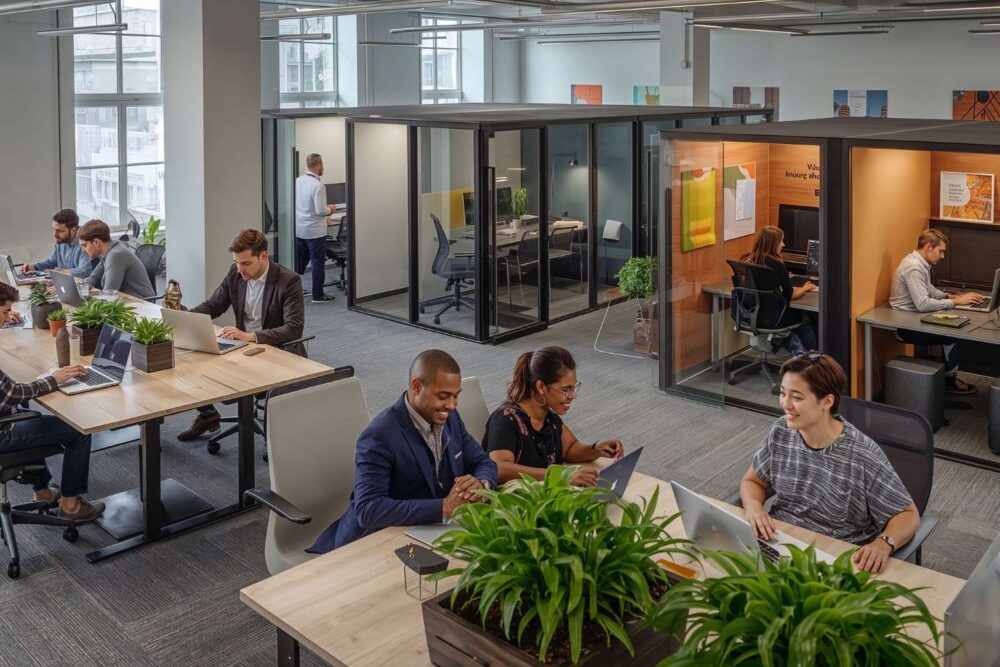
For decades, commuting to a central office defined professional life. That expectation is weakening as companies cut real estate costs and workers push for flexibility. Many roles now operate fully online, with collaboration happening through shared platforms rather than shared rooms.
As remote tools improve, fewer organizations see daily attendance as essential. This shift could permanently reshape downtown economies, reduce commuter traffic, and blur long-standing boundaries between work life and personal life.
2. Cash as a Normal Payment Option
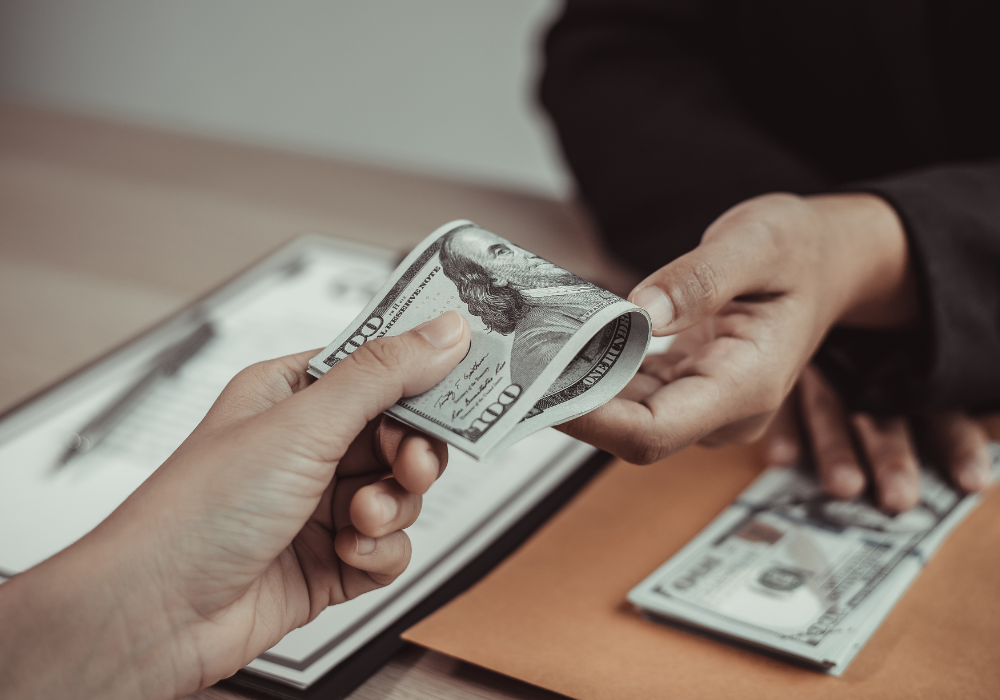
Physical cash still exists, but its role in everyday purchases keeps shrinking. Contactless cards, mobile wallets, and peer-to-peer apps now handle most small transactions, making cash feel inconvenient rather than reliable for many consumers.
As digital payments become universal, some businesses may stop accepting bills altogether. That shift could marginalize people without digital access and change how privacy, budgeting, and informal transactions function in daily life.
3. Paper Forms for Everyday Tasks

Signing paper forms once felt unavoidable for banking, healthcare, schools, and government services. Increasingly, digital signatures and online portals are replacing stacks of paperwork that slow processes and create storage burdens.
As institutions modernize, paper documentation may become the exception instead of the rule. While efficient, this change raises concerns about digital security, long-term record keeping, and access for less tech-savvy populations.
4. Fixed Daily TV Schedules

Television once revolved around specific airtimes, shaping family routines and shared cultural moments. Streaming platforms have broken that model, allowing viewers to watch anything at any time, often without ads.
As on-demand viewing dominates, fixed schedules may disappear entirely. This shift could change how media influences public conversations, advertising strategies, and even how people experience collective entertainment moments.
5. In-Person Banking for Routine Needs

Visiting a bank branch was once necessary for deposits, transfers, and basic account management. Mobile apps now handle most tasks instantly, reducing the need for physical locations in many communities.
As branches close or consolidate, banking becomes more efficient but less personal. The loss of face-to-face services may especially affect older customers and small businesses that rely on direct human assistance.
6. Passwords as the Main Security Gate

Passwords have long been the default way to protect accounts, despite being easy to forget or steal. Biometric systems like facial recognition and fingerprint scanning are rapidly replacing them.
As security shifts toward biometrics, convenience improves—but new risks emerge. Data breaches involving biological identifiers raise long-term privacy concerns that cannot be solved by simply changing a password.
7. Printed Instruction Manuals

Appliances and electronics once came with thick instruction booklets. Today, many companies replace them with QR codes linking to digital guides or video tutorials instead.
As devices evolve faster, printed manuals may vanish completely. While digital instructions are easier to update, they depend on internet access and devices, changing how people troubleshoot everyday problems.
8. Traditional Car Ownership Models
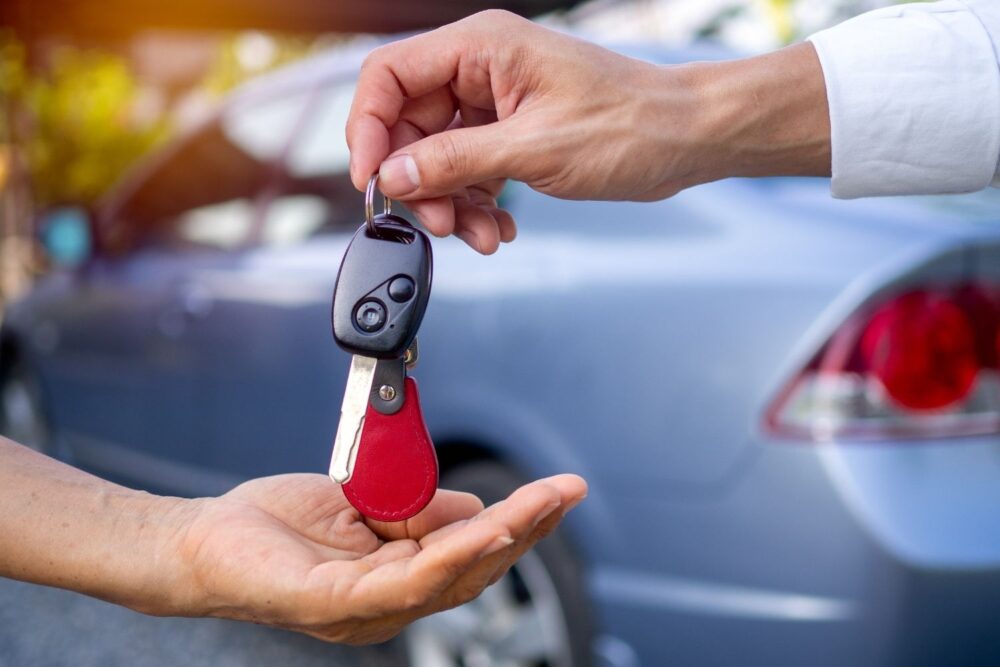
For much of the last century, owning a personal vehicle symbolized freedom, stability, and adulthood. That expectation is shifting as rising costs, urban congestion, and changing lifestyles make car ownership less practical for many people, especially in dense cities and younger demographics.
Subscription services, ride-sharing, and alternative transportation options are becoming normalized. As these systems improve, fewer people may view owning a car as necessary, reshaping city planning, parking infrastructure, and how independence itself is defined.
9. Physical Loyalty Cards

Punch cards and plastic loyalty cards once cluttered wallets, offering simple rewards for repeat customers. Today, most loyalty programs operate invisibly through apps that automatically track purchases and personalize offers based on behavior.
As retailers move fully digital, physical cards may disappear entirely. While this shift makes checkout faster and rewards easier to manage, it also deepens data collection, raising questions about privacy, consumer profiling, and how much information shoppers unknowingly exchange for small discounts.
10. Fixed Career Paths

Previous generations often followed predictable career trajectories, staying in one field—or even one company—for decades. Today’s job market rewards flexibility, with workers frequently shifting roles as industries evolve and technology reshapes demand.
As automation and AI accelerate change, long-term career stability becomes less common. Education, retirement planning, and professional identity increasingly revolve around adaptability rather than permanence, redefining what success and security look like over a lifetime.
11. The Expectation of Stability Itself

Perhaps the most deeply held assumption is that everyday life will remain mostly predictable. Yet rapid advances in technology, shifting economies, and environmental pressures are challenging that belief more frequently and more visibly.
As disruption becomes normal, stability may no longer be the baseline expectation. Learning to anticipate change, and respond to it quickly, could become one of the most essential skills for navigating modern life.