
A centuries-long DNA trail may finally reveal where the Renaissance genius was laid to rest.

Leonardo da Vinci left behind paintings, notebooks, and inventions, but not a confirmed body. For centuries, people have argued about where his remains ended up after his original burial site in Amboise was damaged and demolished.
Now a team tracing the da Vinci family line says living male-line relatives share matching Y-chromosome markers that run through Leonardo’s father’s branch. That gives scientists a genetic “signature” to test old bones against.
If the same Y markers appear in historical remains linked to the family, researchers may finally confirm whether any burial site truly holds Leonardo, or someone else.
1. The Burial Story Everyone Knows Has a Big Missing Piece
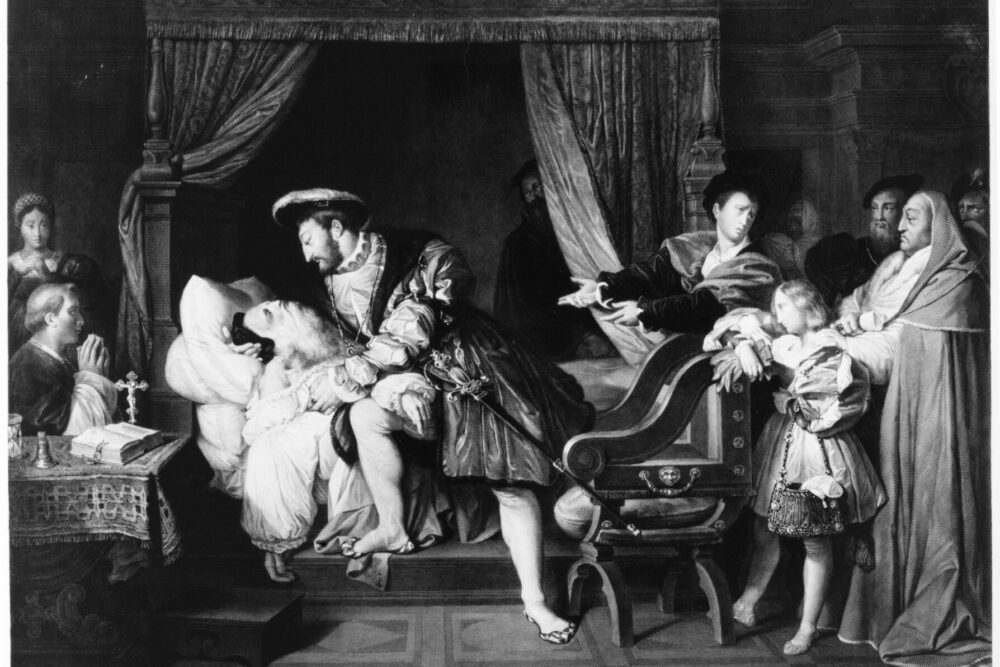
The search starts with a basic problem: Leonardo’s burial is documented, but his remains are not securely identified today. He was buried at the Château d’Amboise in the church of Saint-Florentin, but that church was later heavily damaged and ultimately demolished.
In the 1800s, bones believed to be his were reportedly gathered and reinterred at the Chapel of Saint-Hubert on the château grounds. The trouble is that the disturbance, incomplete records, and mixed burials make certainty hard without modern testing.
2. The DNA Project Begins With Genealogy, Not a Test Tube

Enter the Leonardo da Vinci DNA Project: a long-running effort that combines archival genealogy with modern genetics. Researchers first rebuilt a detailed da Vinci family tree stretching back to 1331, tracking the direct male line connected to Leonardo’s father.
That work identified living male-line relatives—men who are not Leonardo’s descendants, but relatives through the same paternal line. The idea is simple: if you can establish a reliable Y-chromosome signature for the family, you can compare it to remains attributed to the da Vinci line.
3. Why the Y Chromosome Is the Clue They’re Chasing
Why focus on the Y chromosome? Because it’s passed from father to son with relatively little change, making it a useful tool for confirming whether two males share a paternal line. It won’t tell you everything about a person, but it can act like a strong family marker.
In this project, researchers collected DNA from six living male-line relatives. Matching segments across all six suggest the paternal line has remained genetically consistent across many generations, which is exactly what you want before you compare it to historical remains.
4. The “1331 Trail” Is Mostly Paper—But It’s the Foundation
The “genetic trail back to 1331” is largely about documentation, such as birth records, wills, parish registers, and archived documents, carefully stitched into a single lineage. That map matters because DNA only helps if you know whose bones you’re testing, and how each person connects.
Researchers have also identified burial sites of Leonardo’s male relatives in and around Vinci. If remains from those tombs can yield workable DNA, they become a crucial bridge between living relatives and any disputed bones said to be Leonardo’s. It’s slow work, but it helps avoid guessing.
5. Two Places Matter Most: Vinci and Amboise

So where might the comparison happen? There are two main targets people talk about. One is the set of remains tied to da Vinci relatives in Vinci, where bones may be better matched to known family members.
The other is Amboise, where Leonardo was buried in 1519 and where a later reburial created the current tomb tradition at Saint-Hubert. Either way, the goal isn’t to “prove a legend”—it’s to test whether any remains carry the da Vinci paternal signature, and whether the dates fit.
6. What “Six Living Men Share His DNA” Really Means
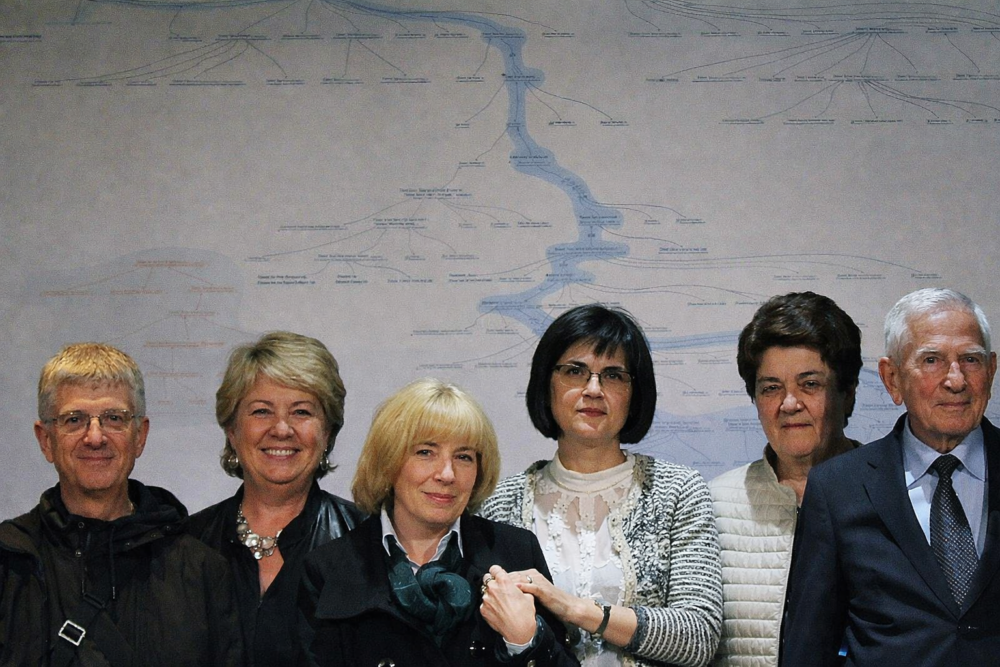
People hear “six living men share Leonardo’s DNA” and picture a full genetic match. What they actually share is a set of Y-chromosome markers passed down the male line in the da Vinci family—useful, but not the whole genome.
Because Leonardo likely had no children, this Y signature comes from his father’s line, carried from Vinci to today. It can act like a family stamp that helps confirm whether bones belong to a male relative from that branch.
To link it to Leonardo himself, researchers still need well-preserved historical remains, careful dating, and clean lab work to rule out mix-ups and contamination.
7. A Match Would Narrow the Field—Not End the Story
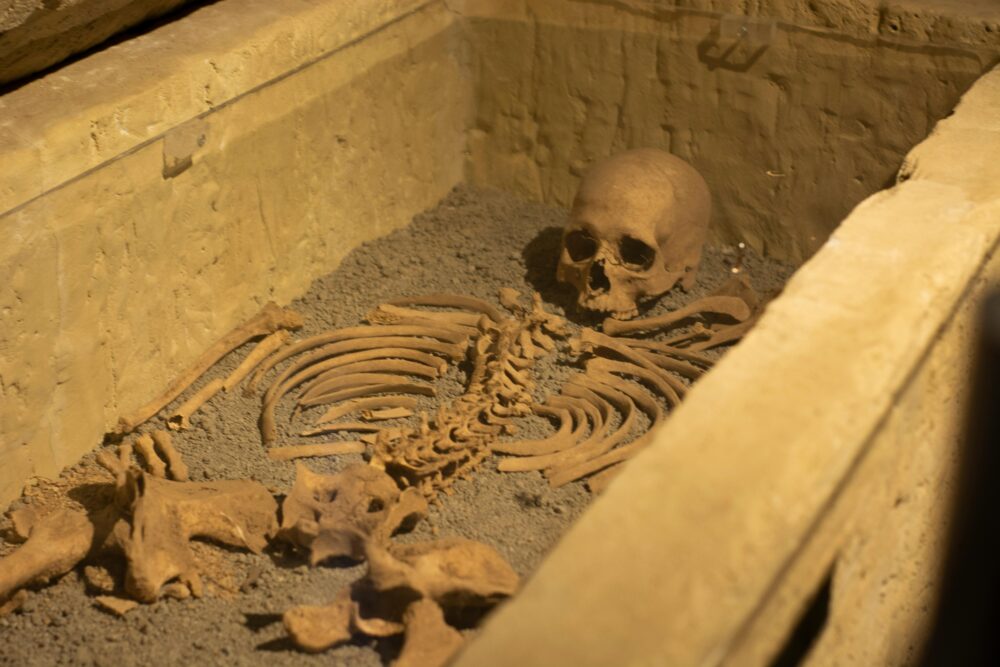
Even with a family Y signature, connecting it to Leonardo is still a careful chain of evidence. A Y match could show a set of bones belonged to a male from Leonardo’s paternal line, but it would not automatically prove the bones are Leonardo himself.
That’s why dating and context matter. Researchers would need to show the remains are from the right century, from the right place, and not mixed with other burials. Genetics can narrow the options, but archaeology and history still have to do their part.
8. The Biggest Enemy Is Time (and Contamination)

Another complication: DNA preservation. Five hundred years is a long time for genetic material, especially if bones were moved, handled, or stored in poor conditions. Heat, moisture, and contamination can wipe out usable DNA or create misleading results.
That’s also why scientists are cautious with claims. A clean result often requires multiple samples, careful controls, and independent confirmation. If the samples are too degraded, the most honest outcome may be “inconclusive,” not a dramatic yes-or-no headline—and that still counts as real science.
9. This Could Also Rewrite the Family Record
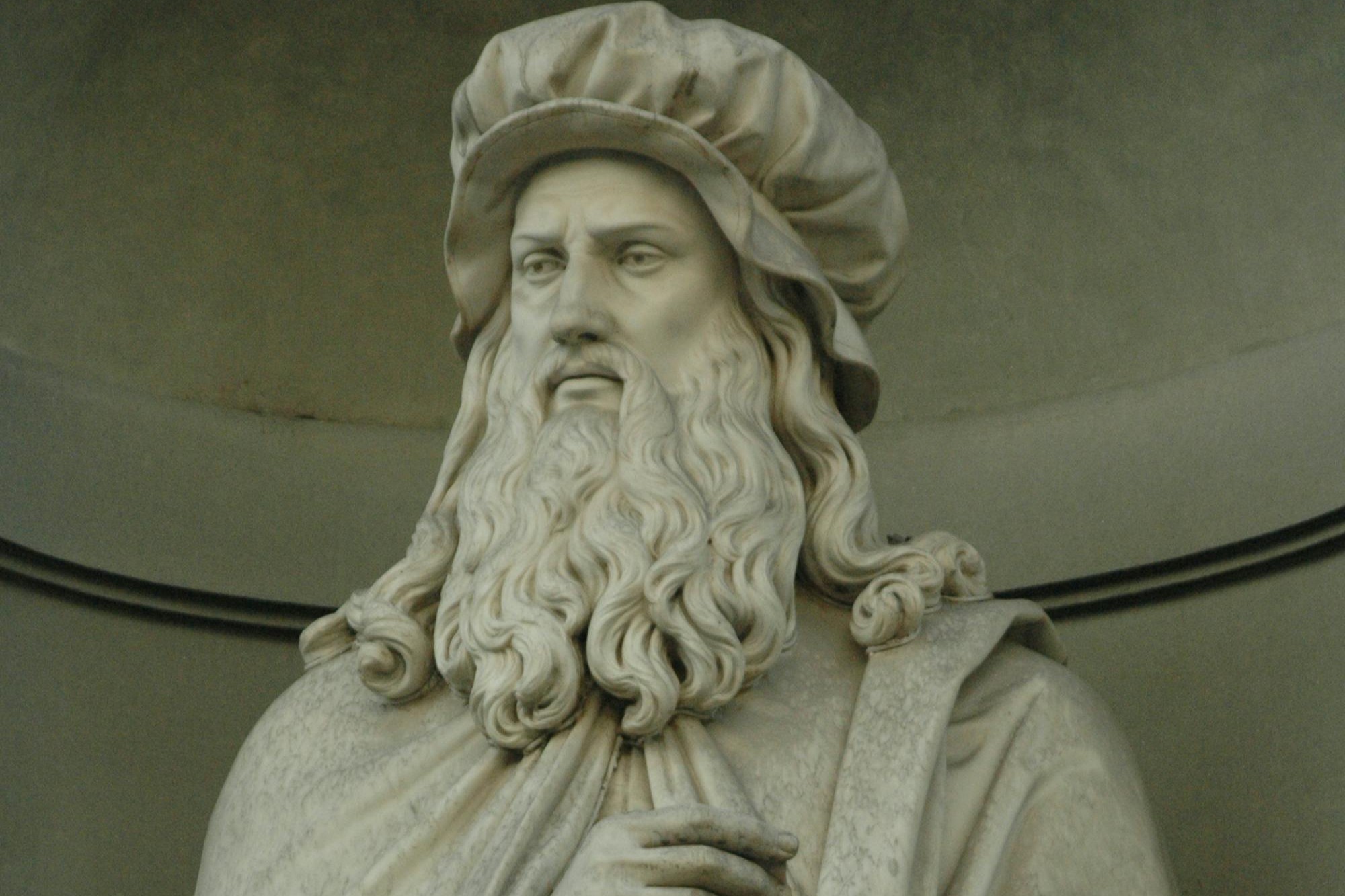
Why does any of this matter beyond the tomb? A verified genetic signature could help authenticate disputed relics, manuscripts, or personal items—at least in theory—if trace biological material exists and can be handled responsibly.
It could also clarify family history: which branches truly connect to Leonardo’s father, and whether earlier genealogies missed or misidentified lines. In other words, the DNA work isn’t just treasure hunting—it’s a tool for tightening the historical record around a famous life, one document at a time.
10. The Science Is Only Half the Battle
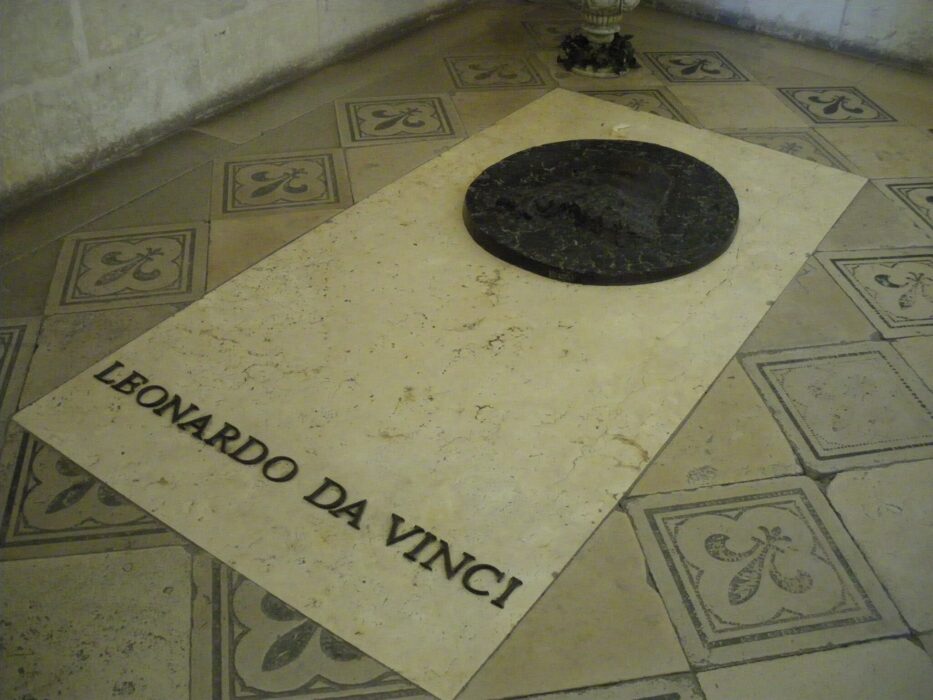
Still, there are limits researchers can’t wish away. Even a strong Y match only tells you about the paternal line, not Leonardo’s full genome. And any attempt to sample human remains raises ethical and legal questions, especially across borders and at high-profile heritage sites.
That means the “final answer” may require permissions, museum and church cooperation, and a cautious pace. The science can be ready long before the logistics and ethics line up—and that can shape what the public hears, and when.
11. The Most Honest Ending Is Also the Most Exciting

For now, the most accurate takeaway is this: scientists have strengthened the da Vinci family’s male-line genetic profile by testing six living relatives, creating a clearer marker to compare against historical remains.
If future tests find that same Y signature in bones dated to the right era, the mystery could shrink dramatically—either confirming a long-held burial claim or ruling it out. Either result would be valuable, because it replaces tradition with evidence. In the end, DNA won’t replace history; it can help history choose between stories.