
Why the world’s largest oil reserves come with an unexpected climate burden.
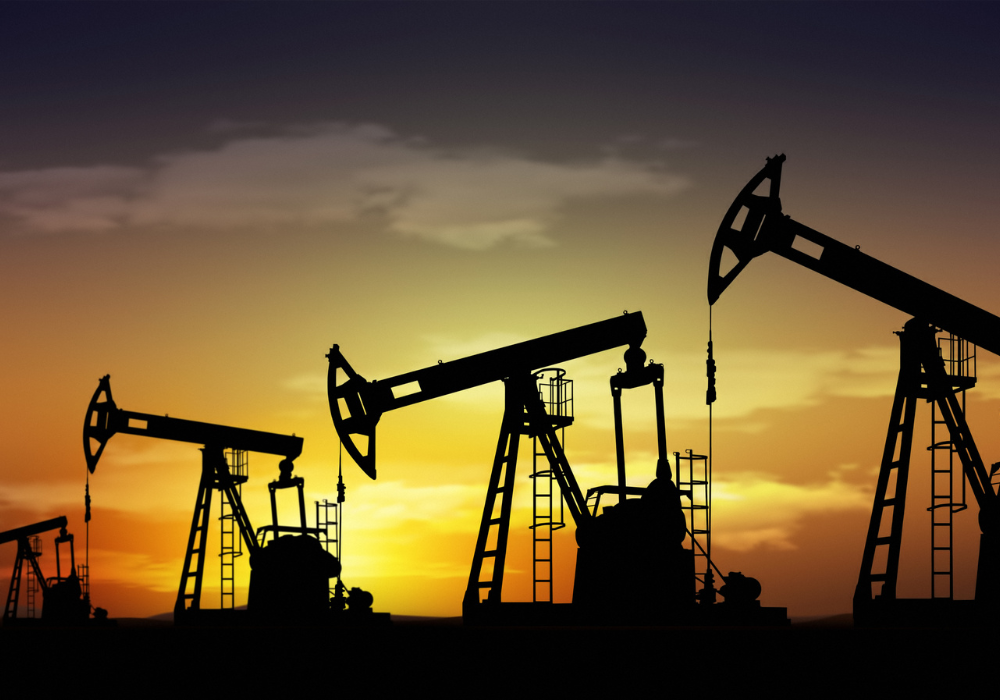
Venezuela sits on the world’s largest reported oil reserves—but much of that “oil” is extra-heavy crude, closer to tar than the light petroleum most people picture. Getting it out and turning it into usable fuel can take more energy and create more emissions.
Most of those reserves are in the Orinoco Belt, where producers often blend the thick crude with diluents or upgrade it before it can be shipped and refined.
When you add aging equipment, methane leaks, and routine gas flaring, scientists say the climate impact per barrel can jump—making “abundance” look a lot less like a win for the planet.
1. The “Big Reserves” Headline Hides a Thick, Sticky Reality
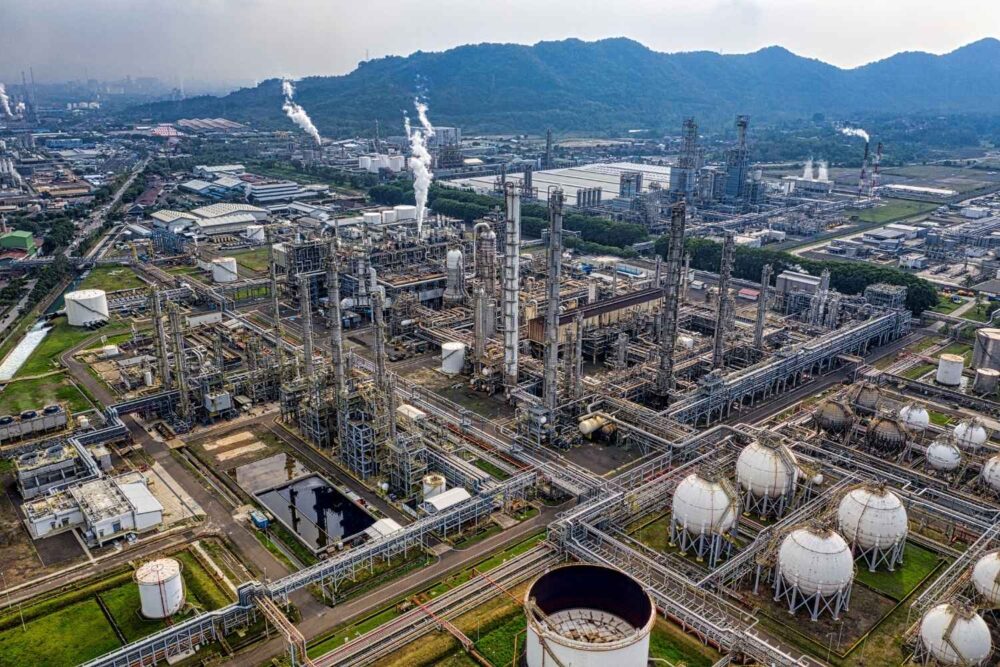
Venezuela’s “massive reserves” headline is real on paper, but much of it sits in the Orinoco Belt as extra-heavy crude—so thick it won’t behave like normal oil without help. Think syrup that barely pours, not a liquid that flows easily.
That thickness matters because it changes everything: the kind of wells you drill, the heat and chemicals you use, and how much extra energy you burn just to get the crude moving. The climate story starts right there.
2. Why Extra Steps Mean Extra Emissions
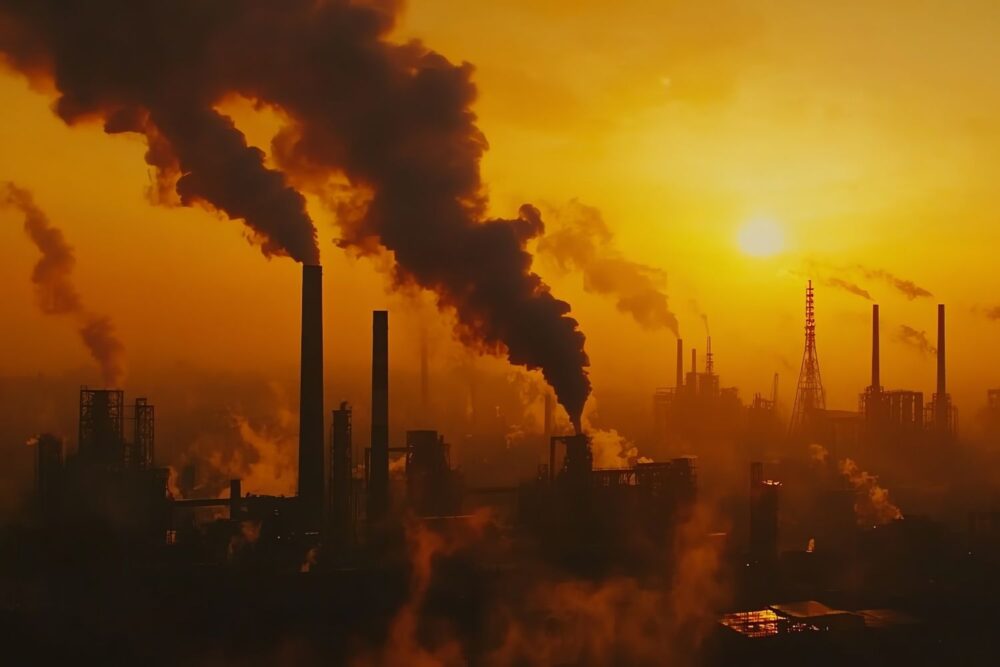
Extra-heavy crude often needs diluent—lighter hydrocarbons mixed in so it can flow through pipelines—or it must be upgraded into a lighter synthetic crude. Either way, you add steps before the oil even reaches a refinery.
Those steps typically mean more equipment, more fuel burned on site, and more opportunities for leaks. It’s one reason experts call extra-heavy oil more carbon-intensive: you’re not just burning it at the end—you’re spending energy all along the way to make it usable.
3. “Upgrading” Is Energy-Intensive by Design
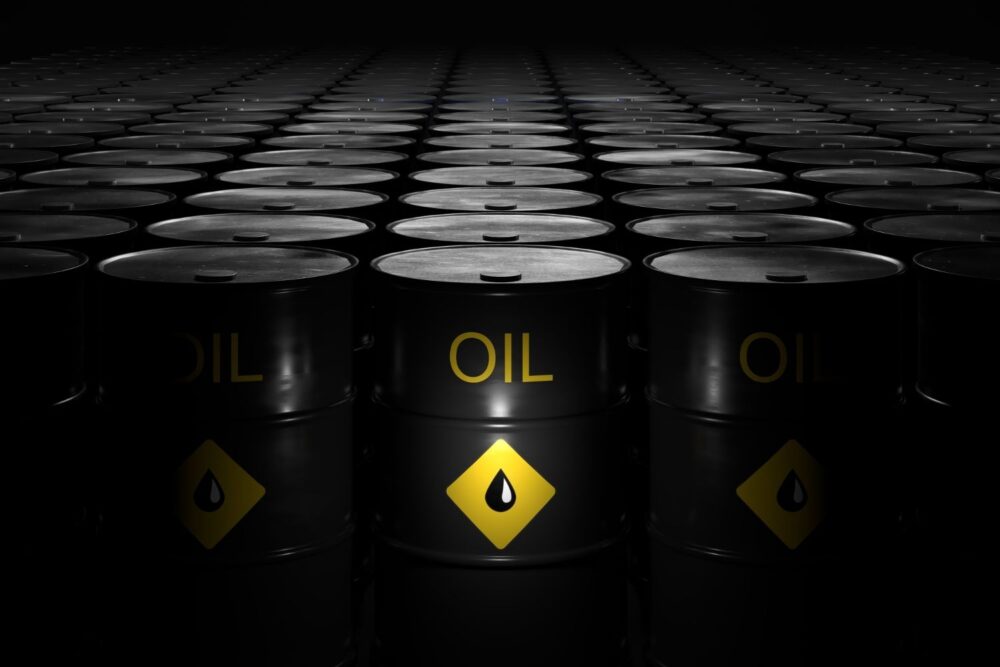
Upgrading is basically industrial “makeover work.” Facilities heat, crack, and treat extra-heavy crude so it can be transported and refined more like conventional oil, and Venezuela has long relied on this approach for Orinoco crude.
The catch is that upgrading takes power and often hydrogen and creates additional emissions compared with processing lighter crude. If equipment is aging or under-maintained, efficiency drops and pollution control can slip—raising the climate cost per barrel even more.
4. Methane Makes the Footprint Worse Fast
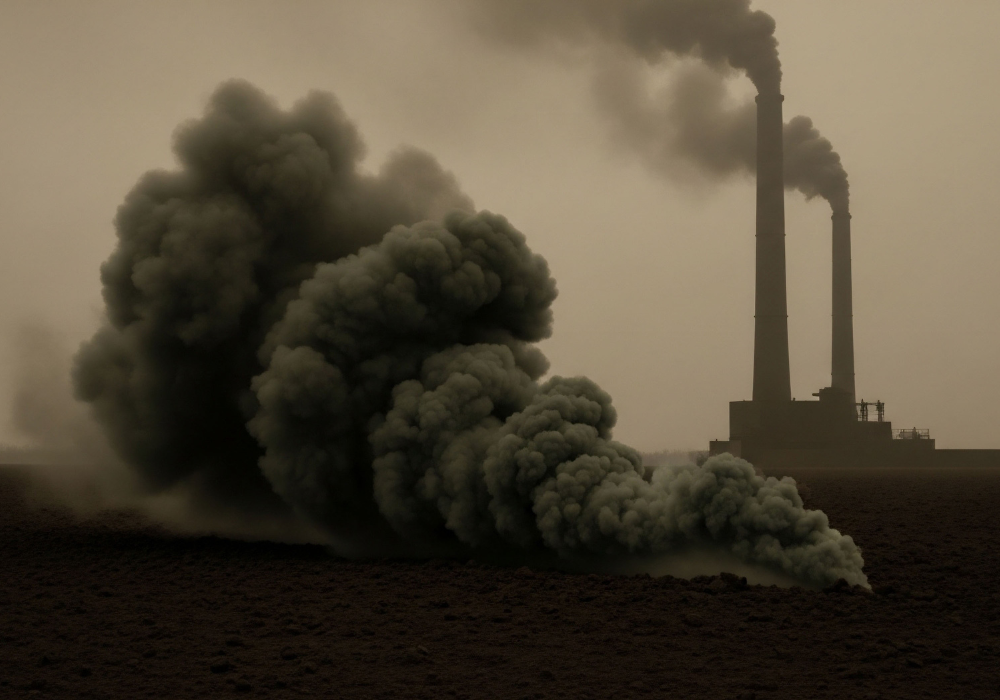
Even before refining, oil production can leak methane and vent or flare gas. Methane matters because, molecule for molecule, it traps far more heat than CO₂ over the short term. That makes leaks a climate “multiplier” problem.
Satellite monitoring and field studies increasingly catch these emissions in real time, which is why routine flaring and poor gas capture draw so much scrutiny. The cleaner the operations, the lower the footprint—but extra-heavy oil already starts with an emissions handicap.
5. “Dirtiest Oil” Usually Means the Supply Chain, Not Just the Barrel

The phrase “dirtiest oil” usually refers to greenhouse-gas intensity and local pollution risk, not a moral label. Extra-heavy crude tends to require more energy for extraction and upgrading, and its supply chain can produce more emissions than conventional oil.
That doesn’t mean every barrel is identical. Rules, maintenance, and technology—like capturing gas instead of flaring it—can shrink the footprint. But the baseline challenge remains: the resource is physically harder to produce, so the climate math gets uglier faster.
6. The Fastest Climate Fix Is Stopping What Gets Burned Off
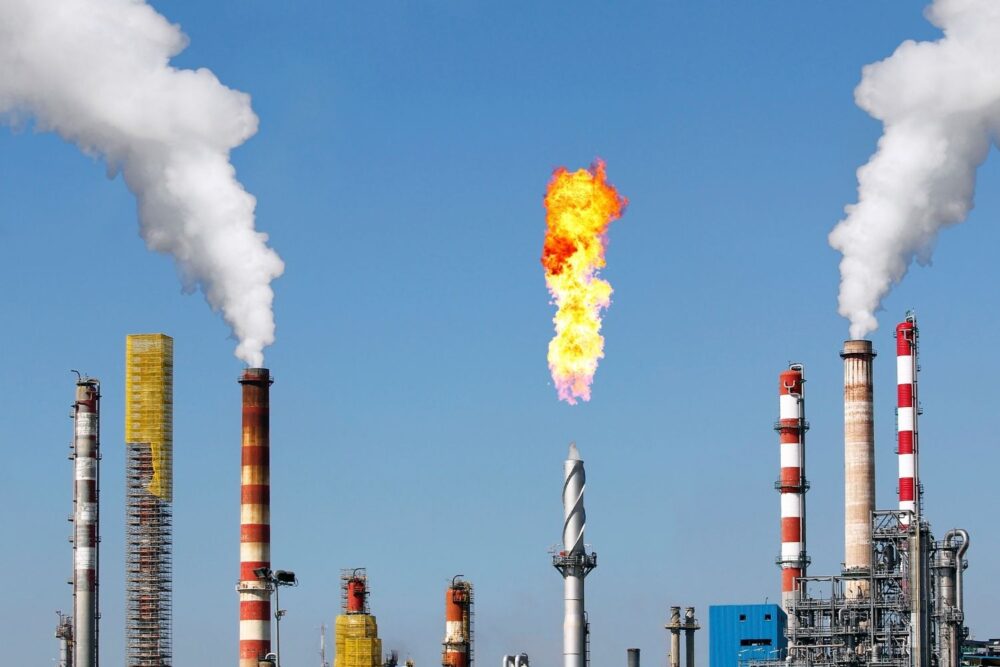
Venezuela’s climate problem isn’t only the barrel—it’s what gets burned off beside it. In oil fields, “associated gas” often comes up with crude, and if it isn’t captured, it can be flared.
Flaring turns gas into CO₂, and imperfect combustion can also release methane, a much stronger heat-trapping gas in the short term. The World Bank’s satellite tracking has repeatedly ranked Venezuela among the world’s major flaring countries.
When infrastructure is old and maintenance is patchy, cutting flaring is hard. But every flare you eliminate is a fast climate win—because it reduces waste and emissions at the same time.
7. Scale Turns “A Bit Dirtier” Into a Huge Global Number

Another reason extra-heavy oil raises climate alarms is scale. Venezuela’s claimed reserves are enormous, which means even small differences in emissions per barrel can add up to huge totals if production expands.
That’s why climate analysts focus on “lock-in.” Building new upgraders, pipelines, and export terminals is a long-life investment that can encourage decades of continued extraction. Once billions are sunk into infrastructure, it becomes financially harder to stop—even as the world tries to cut emissions.
8. Dependence on Dilution Adds Another Emissions Layer

Heavy oil doesn’t travel alone. Because it often needs to be diluted, supply chains can depend on imported lighter hydrocarbons or on domestic systems to recycle diluent efficiently. That adds shipping, handling, and extra points of failure.
When diluent is scarce, producers may lean harder on upgrading, which again raises energy use. When logistics break down, operators can be tempted to flare more gas or run equipment less efficiently just to keep output moving. In other words, the “thick crude problem” can ripple outward into broader emissions.
9. The Local Environmental Costs Can Be Hard to Ignore
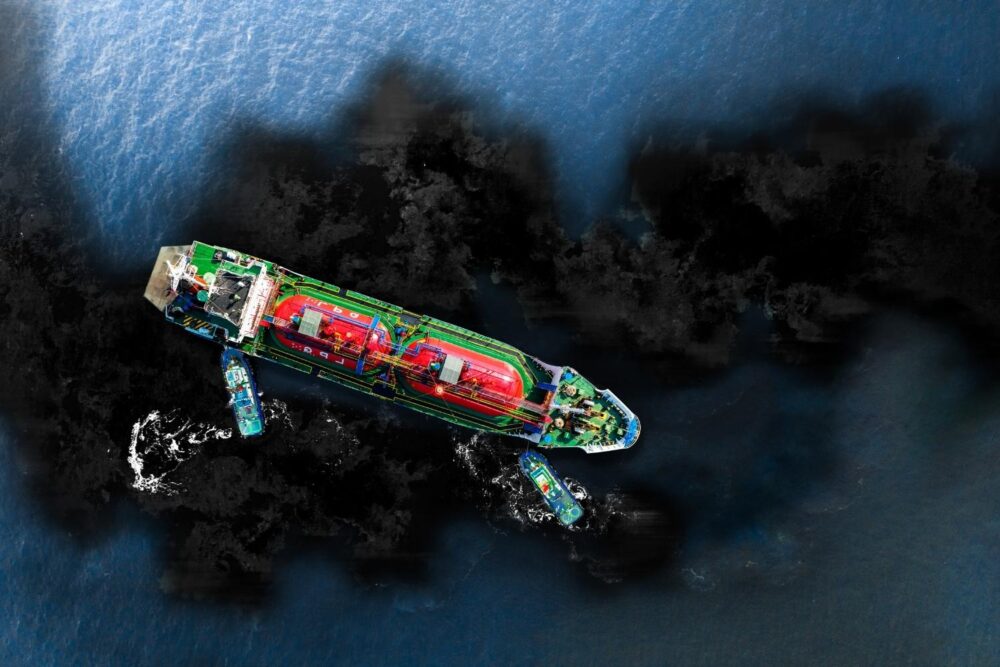
The climate impact isn’t only global. Extra-heavy oil development can carry local environmental risks: spills that are harder to clean, polluted water from processing, and air quality problems near fields and facilities.
Those impacts vary by site and oversight, but they matter for communities living near production. They also shape public trust, because visible local harm can trigger backlash and costly delays. Climate and local pollution often arrive as a package deal, and both directly influence what happens next.
10. Cutting Flaring and Leaks Is the “No-Regrets” Move
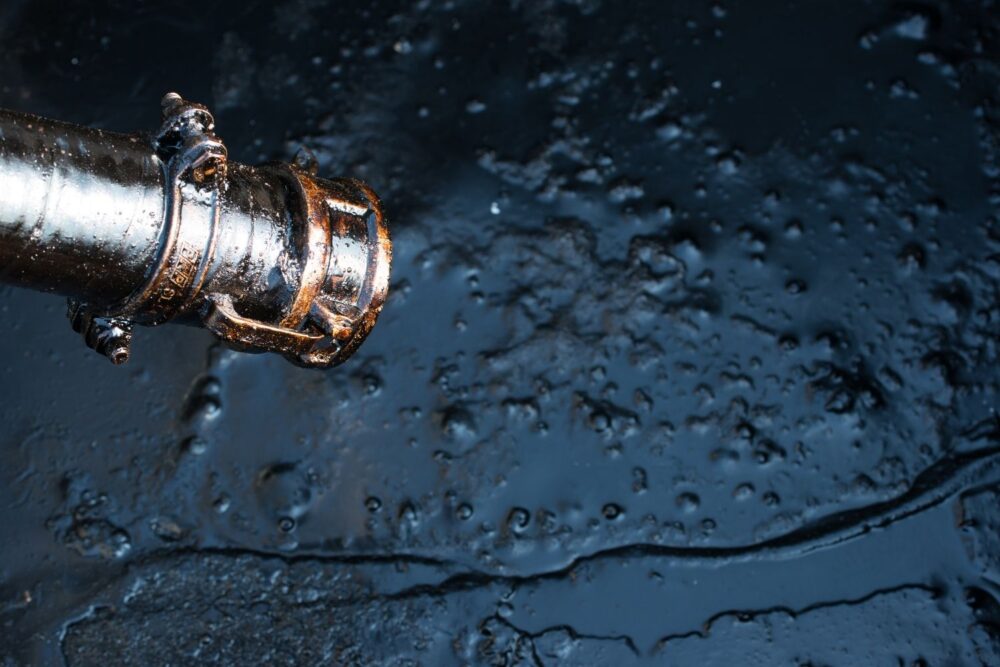
It’s tempting to think the solution is simply “don’t produce it,” but the real world is messy. Energy demand and economic pressure shape what happens next. That’s why experts often talk about near-term harm reduction.
Capturing associated gas, repairing leaks, and improving monitoring can reduce emissions quickly, even if production continues. The World Bank’s flaring tracker exists for this reason: measurement makes it harder to ignore waste, and easier to target fixes that matter.
11. The Bottom Line: Abundance Isn’t the Same as Advantage
The simplest takeaway is that Venezuela’s oil isn’t just abundant—it’s difficult. Extra-heavy crude needs more processing before it becomes fuel, and that extra work tends to mean extra emissions unless operations are unusually clean.
For readers, the key question is not “who buys the oil,” but “what kind of oil is it, and what does it cost the climate?” When the resource itself is heavy and complex, the carbon bill can rise fast—and the planet pays it either way.