
A study of 38 million obituaries shows what Americans most honor when remembering a life.

If you look at enough obituaries, patterns begin to emerge about what people choose to remember. A recent study published in the journal Proceedings of the National Academy of Sciences analyzed 38 million U.S. obituaries to understand how Americans describe a life well lived.
Using large-scale language analysis, the researchers examined which values appeared most often across decades of memorial writing. Rather than focusing on wealth, power, or individual success, the language families used revealed quieter priorities that surfaced again and again.
Taken together, these obituaries tell a broader cultural story about meaning, legacy, and how historical moments shape what communities choose to honor.
1. Obituaries act as cultural snapshots, not just personal tributes

Obituaries may feel deeply individual, but they are shaped by shared language and social norms. Families often rely on familiar phrases and values when summarizing a life, especially during emotionally charged moments.
When those same themes appear millions of times, they become more than personal choices. The study shows obituaries function as cultural snapshots, reflecting what society broadly honors at the end of life.
2. Tradition appears more often than any other value

Across the entire dataset, tradition-related language appeared more frequently than any other value category. References to faith, customs, heritage, and long-standing roles showed up consistently across regions and generations.
This suggests that being rooted in something enduring matters deeply when lives are remembered. Tradition helps place individuals within a larger story that extends beyond personal achievement.
3. Caring for others dominates how lives are remembered

Closely following tradition was benevolence, defined as concern for family, friends, and community. Words describing kindness, devotion, and dependability appeared in a majority of the obituaries analyzed.
Rather than emphasizing titles or accolades, families highlighted how someone treated others. The findings suggest compassion leaves a stronger imprint on memory than professional success.
4. Achievement and power are mentioned far less than expected

Values tied to achievement, authority, or influence appeared much less frequently than everyday relational traits. Mentions of status, ambition, or leadership roles were present, but rarely dominant.
This contrast reveals a gap between how success is often pursued in life and how meaning is framed in memory. What mattered most was not what someone climbed, but who they supported along the way.
5. Historical events quietly reshape obituary language
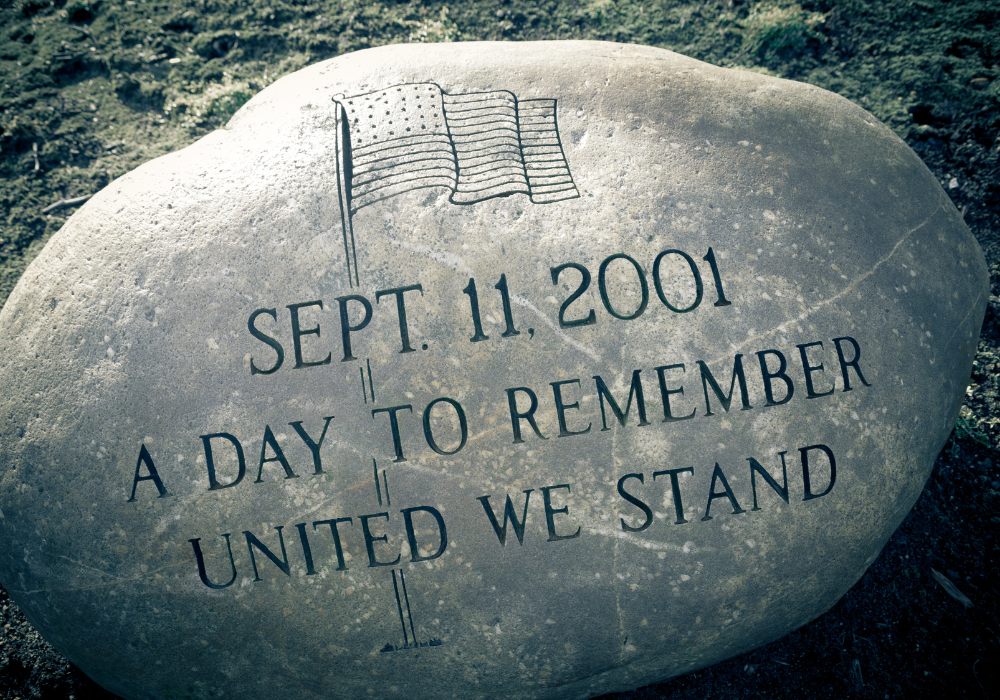
Major national events left visible traces in how obituaries were written. After periods of collective shock or uncertainty, language tied to tradition and social cohesion became more prominent.
These shifts show how public experiences influence private remembrance. Obituaries absorb the emotional climate of their time, reflecting broader efforts to make sense of loss together.
6. The pandemic changed how care and connection were expressed

The most dramatic language shift occurred during the COVID-19 pandemic. Words tied to benevolence, such as love and compassion, dropped sharply beginning in early 2020 and remained lower than pre-pandemic levels.
Researchers suggest this change may reflect disruption rather than absence of care. Many families were separated from loved ones at the end of life, limiting shared rituals and the language traditionally used to describe them.
At the same time, obituaries increasingly emphasized resilience and endurance. The data captures how collective trauma reshaped even the words used to honor care and connection.
7. Gender influences which values are emphasized

The study found consistent differences between how men and women were described. Obituaries for men more often included language tied to roles, structure, and achievement.
Women’s obituaries tended to emphasize benevolence and appreciation of life. These patterns mirror long-standing cultural expectations that continue to shape how lives are remembered.
8. Age changes what families choose to highlight

Older adults were more frequently remembered for tradition and continuity. Their obituaries emphasized roles that anchored families and communities over time.
Younger individuals were more often associated with concern for others, broader ideals, and future-oriented values. These differences reflect how meaning evolves across life stages.
9. Obituaries reflect collective hopes for legacy

When families condense decades into a short tribute, they make intentional choices. Those choices reveal hopes about what should endure beyond a lifetime.
Across millions of notices, the repeated emphasis on care and tradition suggests a shared desire for connection, not recognition, to define legacy.
10. The gap between lived priorities and remembered meaning

Daily life often rewards speed, productivity, and ambition. Obituaries tell a different story about what ultimately feels worth naming.
The study highlights that meaning, in retrospect, is relational and rooted. What lasts in memory is how people made others feel.
11. What these findings suggest about living now

The language of obituaries offers a quiet lesson for the present. Achievement matters, but it is rarely what loved ones lead with at the end.
If we want to be remembered for what truly lasts, the data suggests investing in relationships, care, and shared traditions may matter most of all.