
New data from Voyager suggests the solar system’s outer boundary is far hotter than scientists expected.
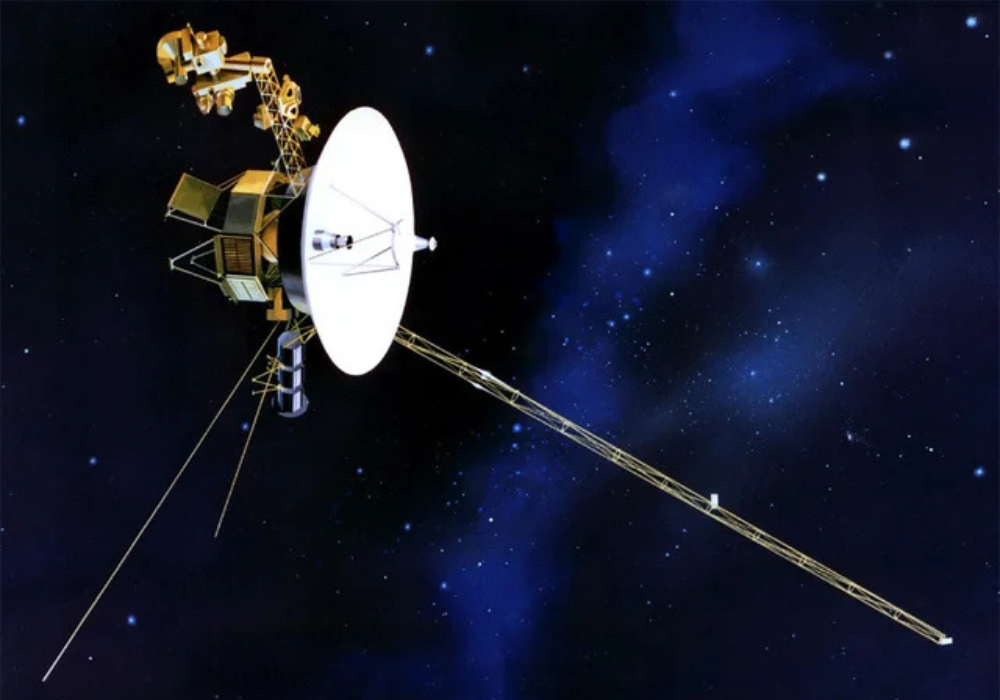
After traveling through space for nearly half a century, NASA’s Voyager spacecraft are still surprising scientists.
New data from the farthest human-made objects ever launched reveal something unexpected at the edge of our solar system: an intensely hot boundary where the Sun’s influence fades into interstellar space. Researchers did not expect temperatures this extreme so far from any star.
The finding raises new questions about how our solar system interacts with its cosmic neighborhood and why this region behaves differently than long-standing models predicted as the probes continue sending data from unimaginable distances.
1. Voyager kept going long after its original mission ended
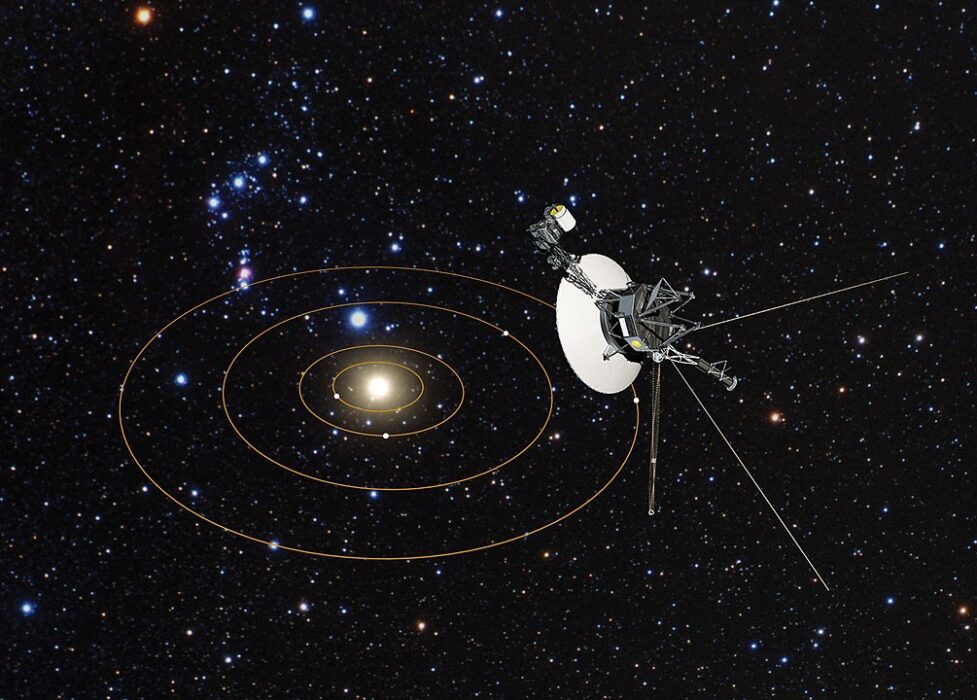
Launched in the late nineteen seventies, the Voyager spacecraft were never expected to operate for decades. Their original mission focused on flybys of Jupiter and Saturn, with extended goals added later.
What makes the current discovery remarkable is that the spacecraft are still transmitting usable data. Instruments designed generations ago are now providing insights from regions no probe was ever meant to reach.
2. The spacecraft crossed into a strange outer region of the solar system
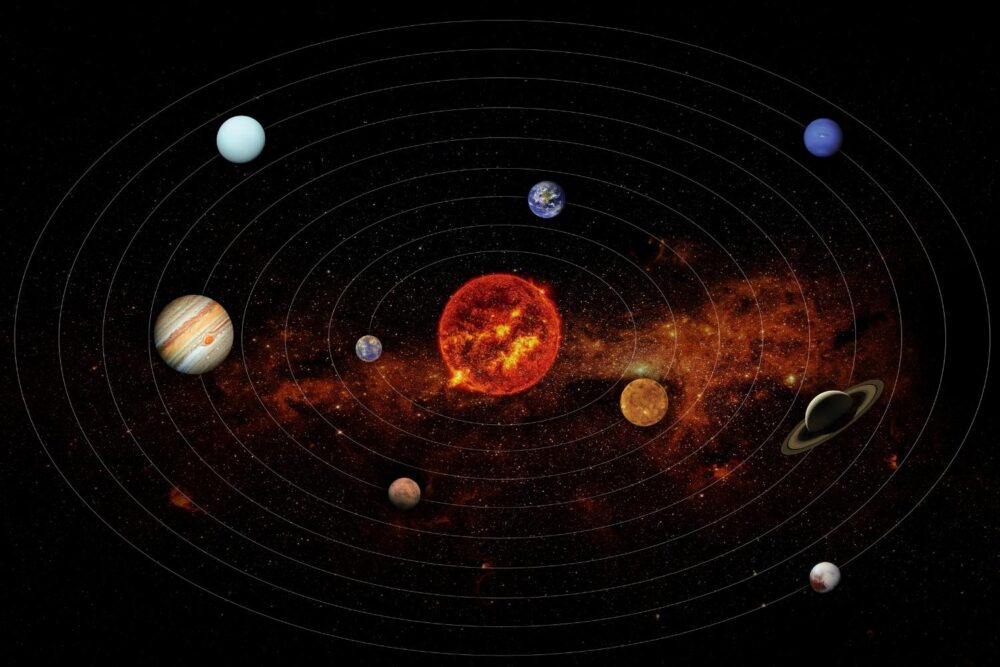
As Voyager moved farther from the Sun, it entered a boundary zone where solar influence weakens and interstellar space begins. Scientists call this region the heliopause.
For years, researchers assumed this boundary would be relatively calm and cold. Instead, Voyager’s instruments started recording conditions that didn’t match long-standing expectations about the solar system’s outer edge.
3. Temperature readings didn’t behave the way models predicted
When scientists analyzed plasma data from Voyager, they noticed temperatures far higher than expected. Some measurements suggested tens of thousands of degrees kelvin.
That finding conflicted with earlier models that predicted a gradual cooling trend. The data hinted that powerful forces were interacting at the boundary in ways scientists had not fully accounted for.
4. Scientists realized the heat wasn’t coming from the Sun

At such extreme distances, direct solar heating is minimal. That forced researchers to rule out the Sun as the source of the intense temperatures.
Instead, attention turned to particle interactions, magnetic fields, and shock effects. Something at the boundary itself was generating or trapping energy, creating a surprisingly hostile environment.
5. The heliopause turned out to be far more active than expected
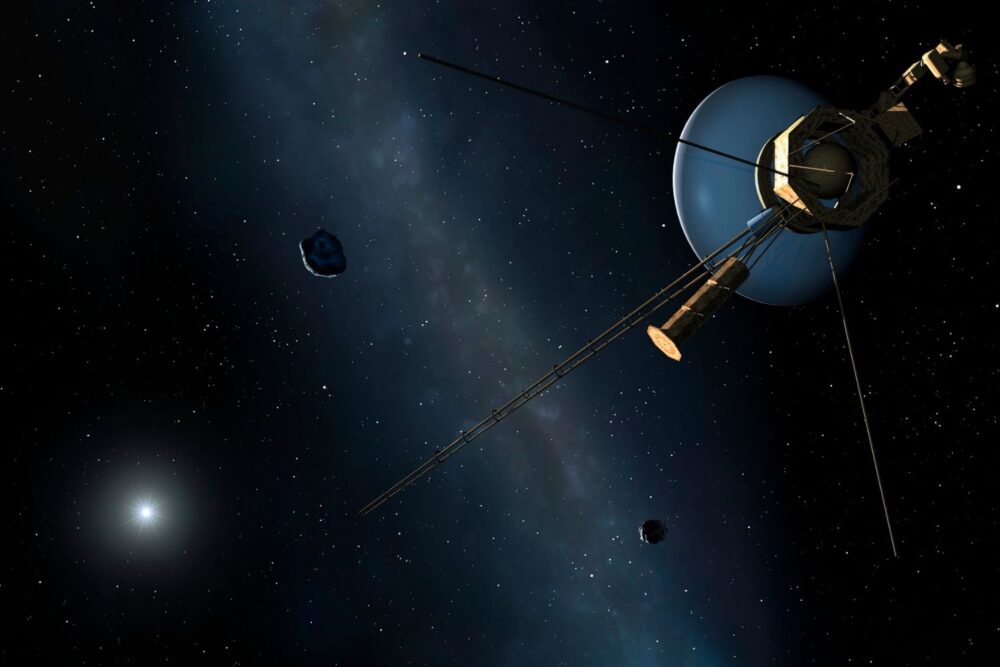
Voyager’s readings suggest the heliopause isn’t a clean border at all. It’s a churning contact zone where the outward solar wind presses against incoming interstellar plasma.
When those flows collide, particles can pile up, magnetic fields can twist, and energy can concentrate. That kind of turbulence can drive temperatures into the tens of thousands of kelvin.
Instead of a quiet edge, Voyager may have crossed a hot, compressed “traffic jam” of charged particles. The takeaway is simple: the Sun’s bubble ends in a messy fight, not a line. That matters for radiation exposure in deep space.
6. Older instruments proved crucial to the discovery

Voyager’s plasma wave instruments were designed decades ago, yet they remain sensitive enough to detect subtle changes in particle behavior. That reliability made the temperature readings possible.
Because newer missions have not reached this distance, Voyager’s aging hardware offers a unique window into unexplored space.
Without these instruments still functioning, the extreme conditions at the solar system’s edge might have remained invisible to science.
7. The finding changes how scientists define the solar system’s boundary
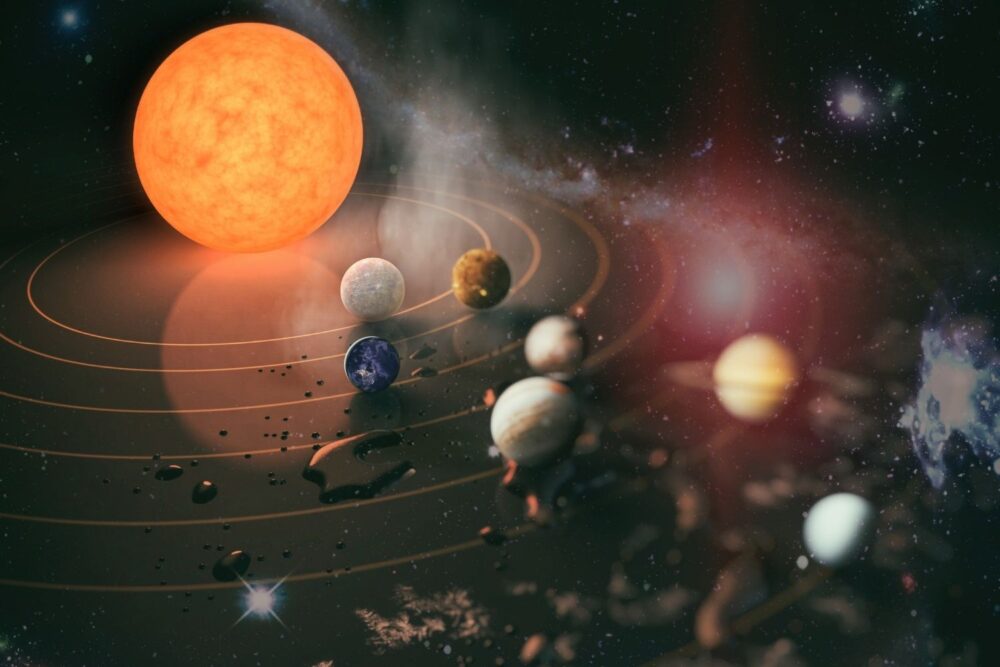
The discovery suggests the solar system’s edge is not a quiet frontier but an energetic interface. This challenges simpler textbook definitions of where the Sun’s influence truly ends.
Rather than a smooth transition, the boundary behaves more like a dynamic barrier. That realization forces scientists to rethink how cosmic environments interact.
8. Interstellar space may influence us more than assumed

If energy and particles pass through this boundary more actively, interstellar space may affect the solar system in subtle ways. That includes how cosmic radiation enters our neighborhood.
Understanding this interaction matters for future space travel. It could influence how spacecraft are shielded during long missions beyond the Sun’s protective bubble.
9. Voyager’s distance makes the data especially valuable
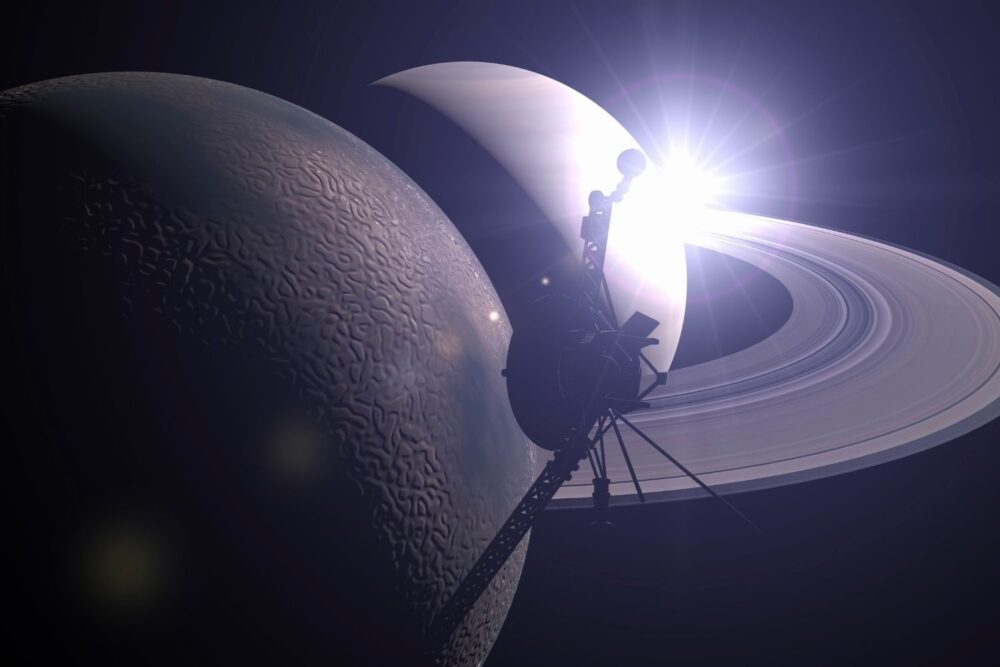
Voyager is farther from Earth than any other human-made object. That distance gives its measurements unmatched scientific value.
No other probe has directly sampled this region. Each data transmission provides information that cannot be replicated or replaced by newer missions anytime soon.
10. The discovery raises more questions than answers

Scientists are still debating why the temperatures are so high and how long such conditions persist. The data opened a door but did not provide a full explanation.
Future models will need to account for turbulence, magnetic reconnection, and particle compression. Voyager revealed the mystery, but solving it will take years.
11. A decades-old mission is still reshaping space science

Voyager was once considered a finished mission. Now it is redefining how scientists understand the solar system’s outer boundary.
Each new discovery reminds researchers that exploration does not always follow a timetable. Sometimes, the most important findings arrive long after expectations have faded, carried by a spacecraft that simply kept going.