
Places once seen as safe are now facing heat, flooding, and disruption faster than communities are prepared for.

Across the United States, regions once labeled climate-stable are beginning to show signs of stress that look increasingly like frontline impacts. Hotter summers, heavier rainfall, and shifting seasons are appearing in places that historically avoided extremes.
These changes matter because homes, infrastructure, and local economies were built around predictability. As that stability erodes, communities are discovering that climate risk is no longer limited to coasts or deserts.
The story unfolding now is quieter than hurricanes or wildfires, but it is reshaping everyday life in places long assumed to be safe.
1. Long-standing weather patterns are starting to lose their reliability
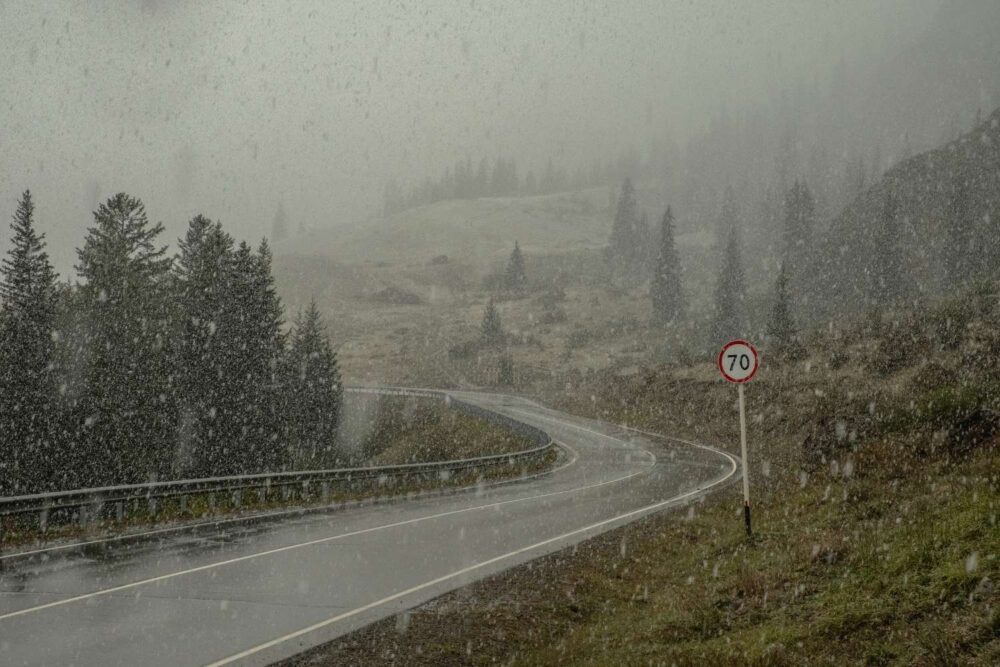
For decades, many American regions relied on relatively consistent seasonal rhythms to guide farming, construction, and daily life. Those patterns are now breaking down, replaced by sharper swings between heat, rain, and cold.
This unpredictability makes planning harder for households and local governments alike. Systems designed around historical averages are increasingly misaligned with today’s conditions.
Follow us and access great exclusive content every day
2. Heat is becoming a defining stressor in places once considered mild
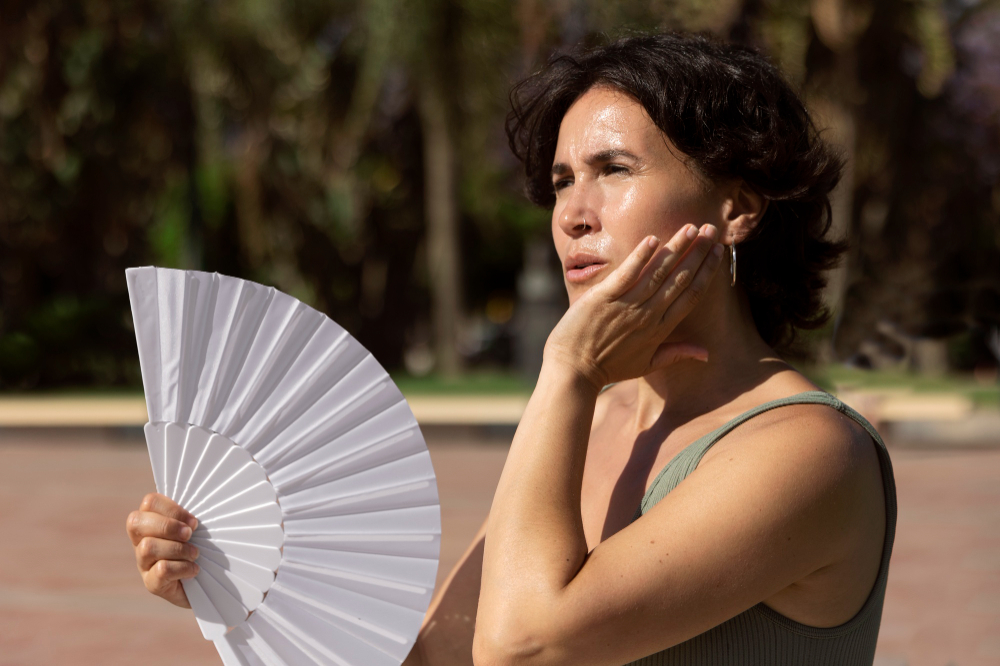
Parts of the Midwest and Northeast are experiencing longer heat waves and warmer nights than past generations expected. These conditions strain people without reliable cooling and place added pressure on energy systems.
When nighttime temperatures stay high, the body has little chance to recover. What was once an occasional inconvenience is turning into a recurring health risk.
3. Inland flooding is no longer a rare or distant threat

Heavier rainstorms are overwhelming rivers and drainage systems far from the coast. Communities that rarely dealt with flooding are now seeing water rise quickly after intense downpours.
Because these floods can develop fast, damage often occurs before warnings spread. Even short events can leave lasting impacts on homes, roads, and farmland.
4. Seasonal boundaries are shifting in subtle but disruptive ways
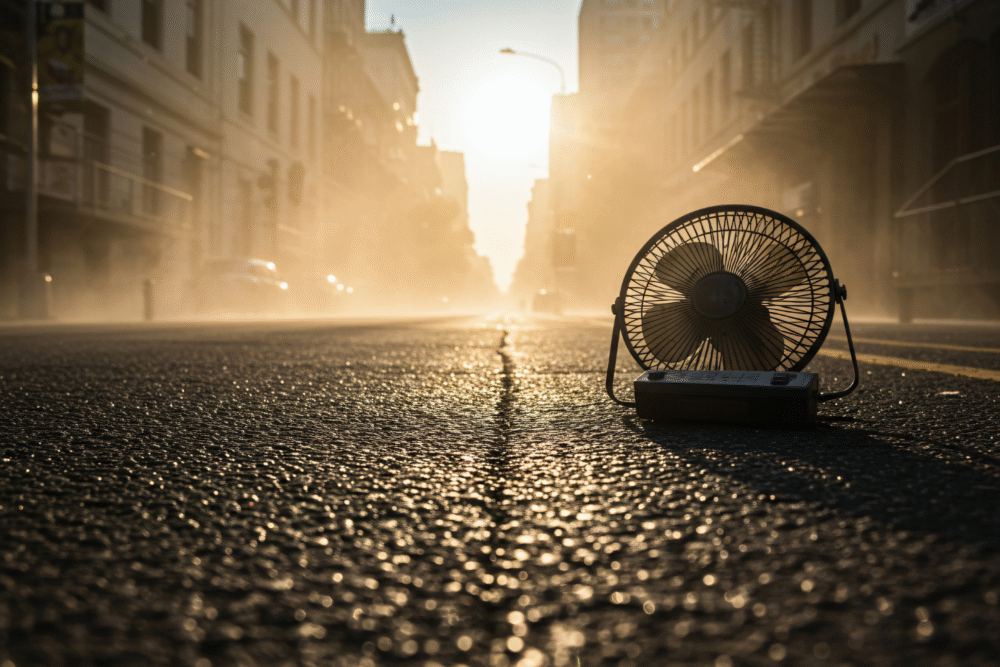
Warm seasons are arriving earlier and lingering longer across many northern states. Winters are shorter, with more rain replacing snow in places that once depended on predictable cold.
These changes affect ecosystems, agriculture, and water management. Communities must now adapt to conditions that were once considered unlikely or distant.
Follow us and access great exclusive content every day
5. Multiple climate stresses are beginning to overlap in stable regions
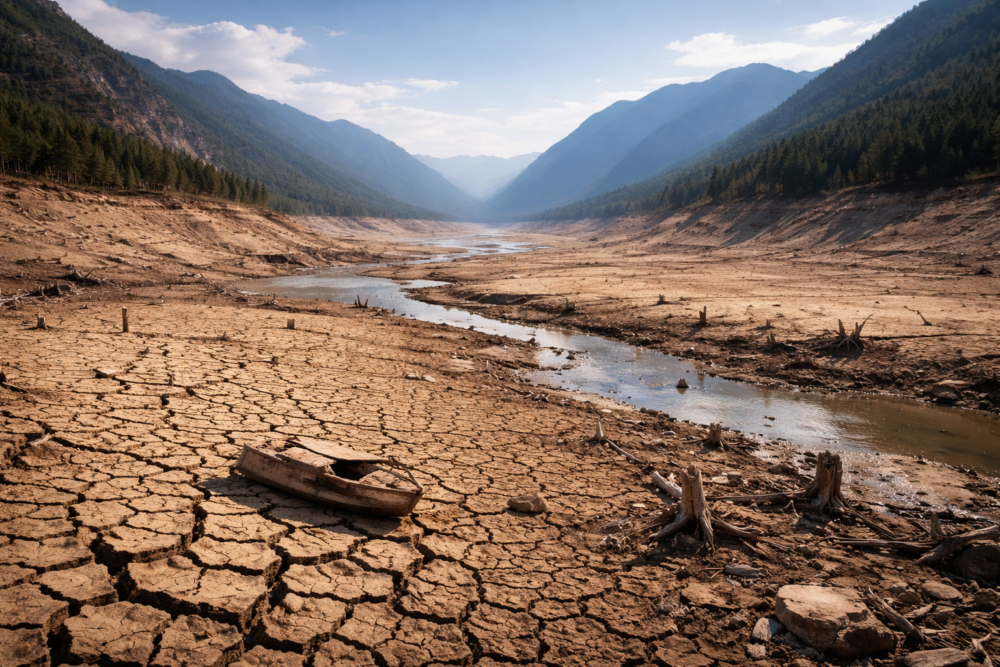
Many inland areas now face heat, flooding, and occasional drought within the same year. This overlap makes recovery more difficult and more expensive over time.
Infrastructure built to handle one primary risk often struggles under combined pressures. Roads, bridges, and water systems degrade faster when extremes stack up.
As repairs repeat, communities can feel stuck in response mode. Long-term resilience becomes harder when short-term damage keeps returning.
6. Health systems are under growing pressure as heat becomes routine
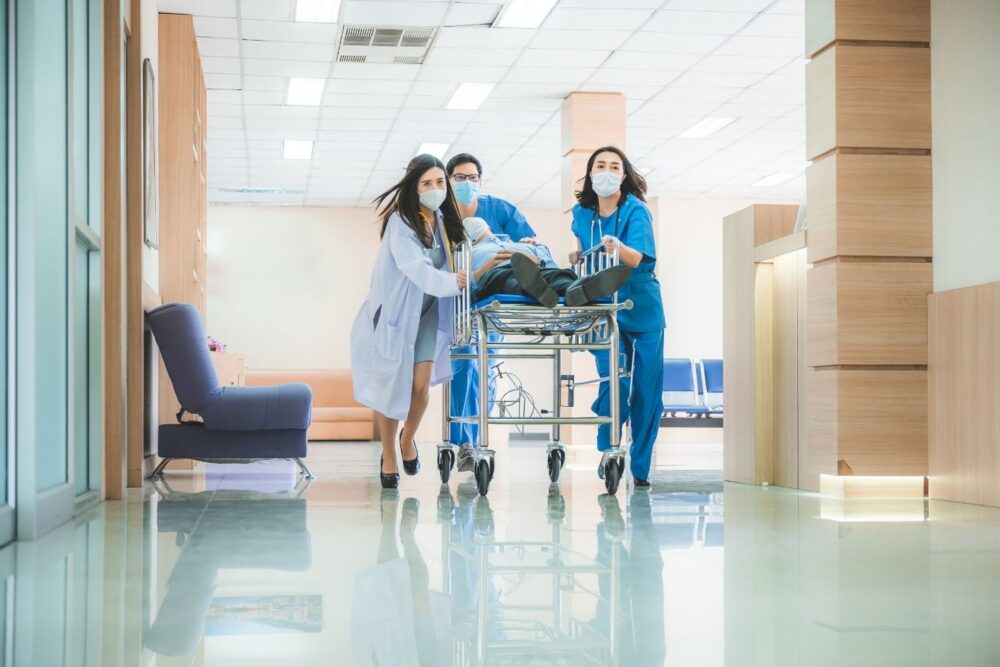
Extreme heat is emerging as one of the most serious climate-related health risks, even in regions with historically moderate summers. Emergency rooms see more heat-related illness as temperatures climb.
Schools, workplaces, and public services are adjusting schedules and safety protocols to reduce exposure. Cooling access is becoming a public health issue, not a luxury.
As heat events grow more frequent, preparation must become ongoing. Stable regions are learning that mild reputations no longer guarantee safety.
7. Homes and neighborhoods are absorbing the costs of repeated damage

Flooding and heat both take a toll on housing, sometimes in ways that build slowly over time. Repairs add up as basements flood, foundations shift, and materials degrade.
For residents, this creates financial strain and uncertainty. Neighborhoods can change quickly when climate impacts become a regular part of life.
Follow us and access great exclusive content every day
8. Local governments are facing rising financial and planning challenges
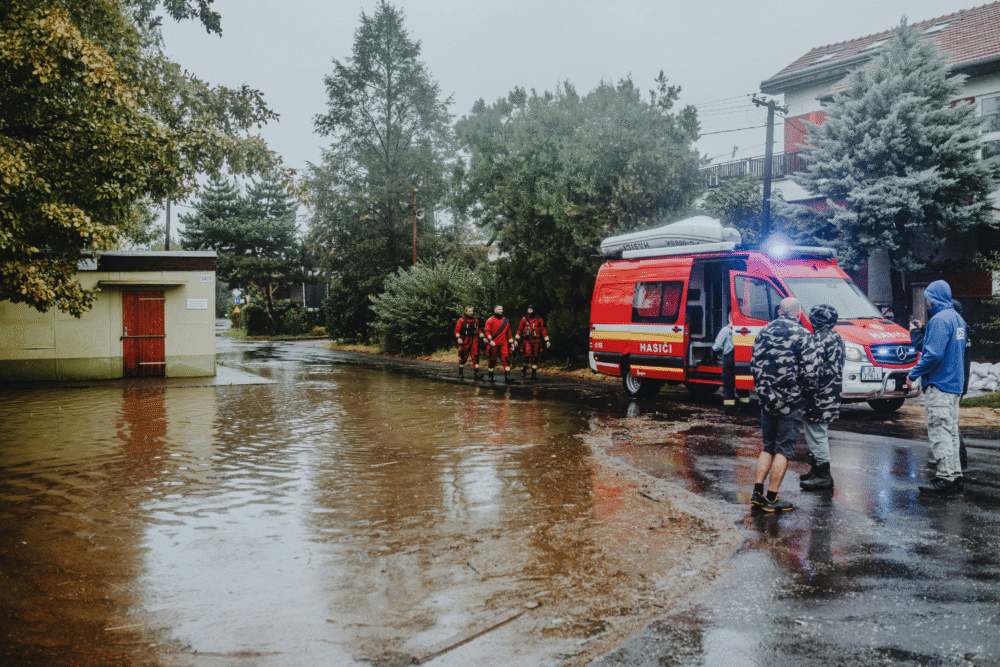
Cities and counties are spending more on emergency response, cleanup, and infrastructure upgrades. Funds once reserved for growth are increasingly redirected toward recovery.
Smaller communities often feel this pressure most acutely. Limited budgets leave little room to absorb repeated climate-related costs.
9. Insurance and housing markets are starting to adjust to new risks
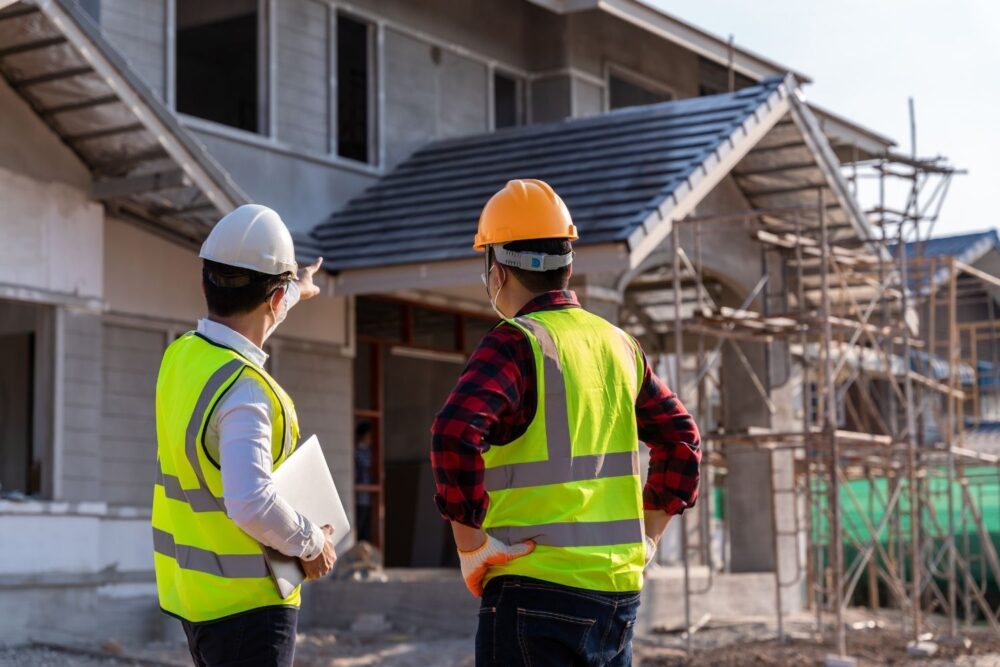
As weather impacts grow more frequent, insurance costs are rising in places once seen as low-risk. Some coverage is becoming harder to secure.
These shifts influence where people choose to buy, rebuild, or relocate. Over time, they can reshape local housing markets and community stability.
10. Planning assumptions built on the past are being rewritten
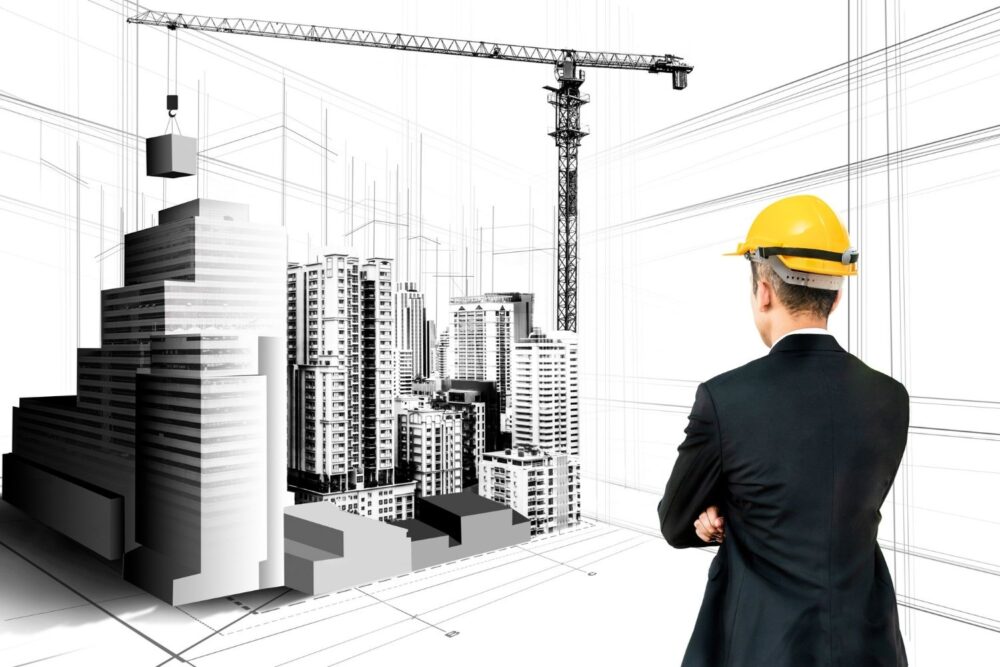
Engineers and planners are revising standards to account for changing climate conditions. Systems designed decades ago no longer match current realities.
This transition takes time and investment. Until updates catch up, many regions remain exposed to risks they were never built to handle.
11. The idea of climate frontlines is expanding inward
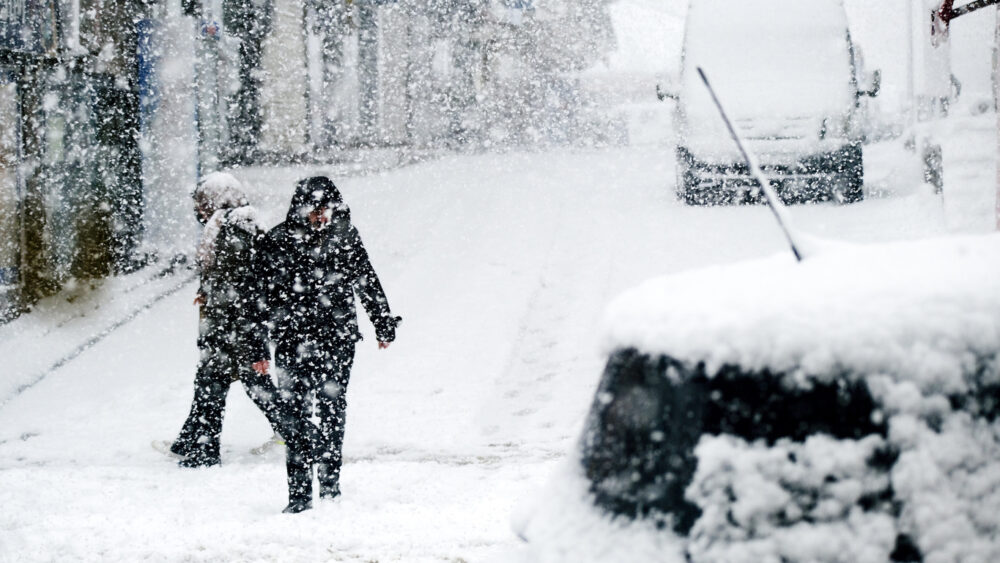
Perhaps the most significant change is how climate risk is perceived. It is no longer something that happens only “somewhere else.”
As stable regions experience frontline-like conditions, climate change becomes local and immediate. That shift is changing how communities think about preparedness, responsibility, and resilience.