
These instinctive reactions can escalate danger and make a bad situation much worse.

Discovering a snake inside your home can be shocking, even if you live in an area where snakes are common. Most of these encounters happen by accident, when a snake wanders in seeking shelter, warmth, or prey.
The danger often comes from how people react in those first moments. Wildlife experts say injuries usually happen when homeowners panic, misjudge the situation, or try to handle the snake themselves.
Knowing what not to do is critical—but so is understanding the calm, practical steps that should follow once the immediate risk is under control.
1. If you discover a snake in your house, don’t try to catch it yourself
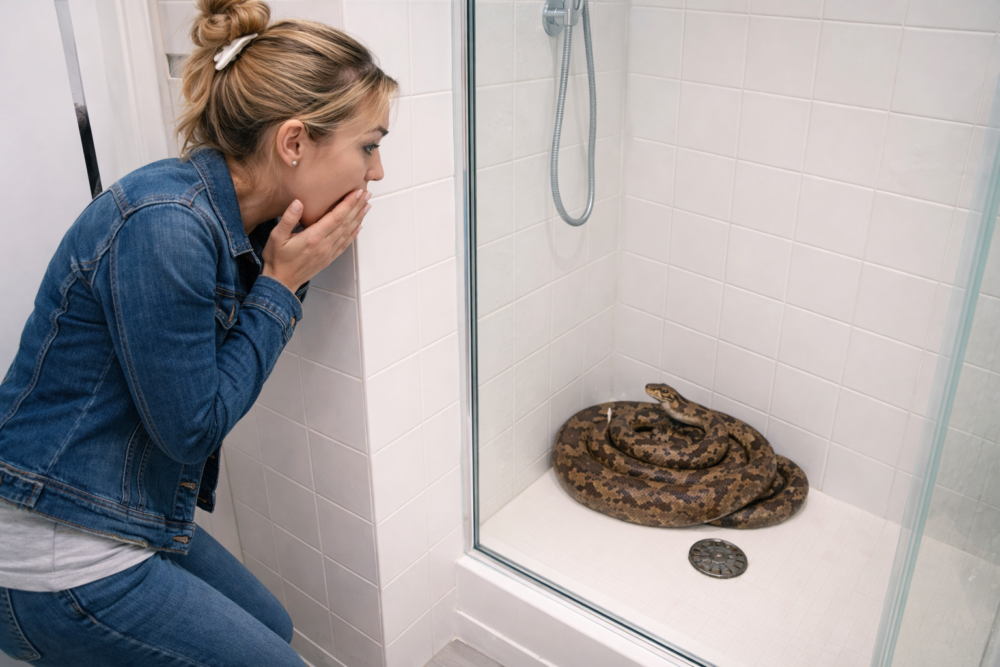
Grabbing or restraining a snake is one of the most common mistakes people make. Even nonvenomous snakes can bite when frightened, and a sudden movement may trigger a defensive strike.
Most bites happen during attempted handling. Without proper training or equipment, trying to catch a snake puts you dangerously close to its head and body, increasing the risk of injury.
2. Don’t assume the snake is harmless based on its size or color
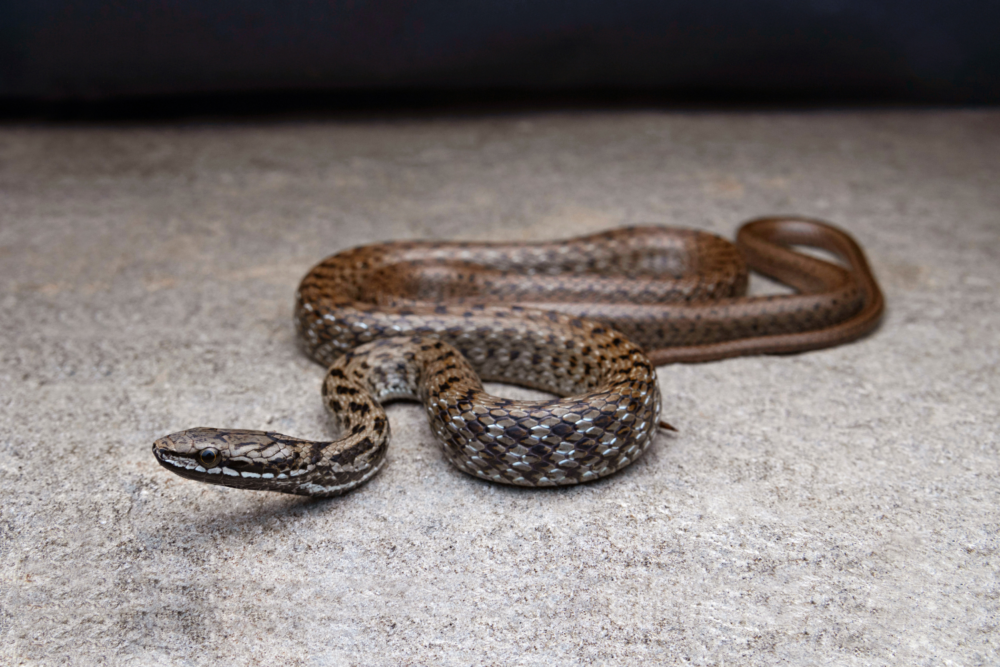
Many people believe small or slender snakes are safe, but appearance alone is not a reliable indicator. Juvenile venomous snakes can look harmless and still deliver dangerous bites.
Color patterns can also vary widely within species. Misidentification in stressful situations often leads people to take risks they wouldn’t otherwise consider.
3. Don’t corner the snake or block its escape route

When a snake feels trapped, its stress level rises quickly. Cornering it removes its instinctive option to flee, making defensive behavior more likely.
Snakes would rather escape than confront humans. Blocking exits or surrounding the animal increases the chance it will strike out of fear.
4. Don’t attempt to kill the snake with household tools

Using brooms, sticks, or other objects often backfires. A wounded snake can still bite, and striking increases agitation rather than solving the problem.
In many areas, killing native wildlife may also be illegal. Attempting to do so puts you at risk of injury and potential legal trouble.
5. Don’t poke it, prod it, or try to force it outside

Trying to “guide” a snake out of the house usually leads to unpredictable movement. Poking or nudging can provoke sudden strikes.
Snakes move quickly and can change direction without warning. Forcing the animal to move often escalates a situation that could remain controlled.
6. Don’t let children or pets investigate the snake
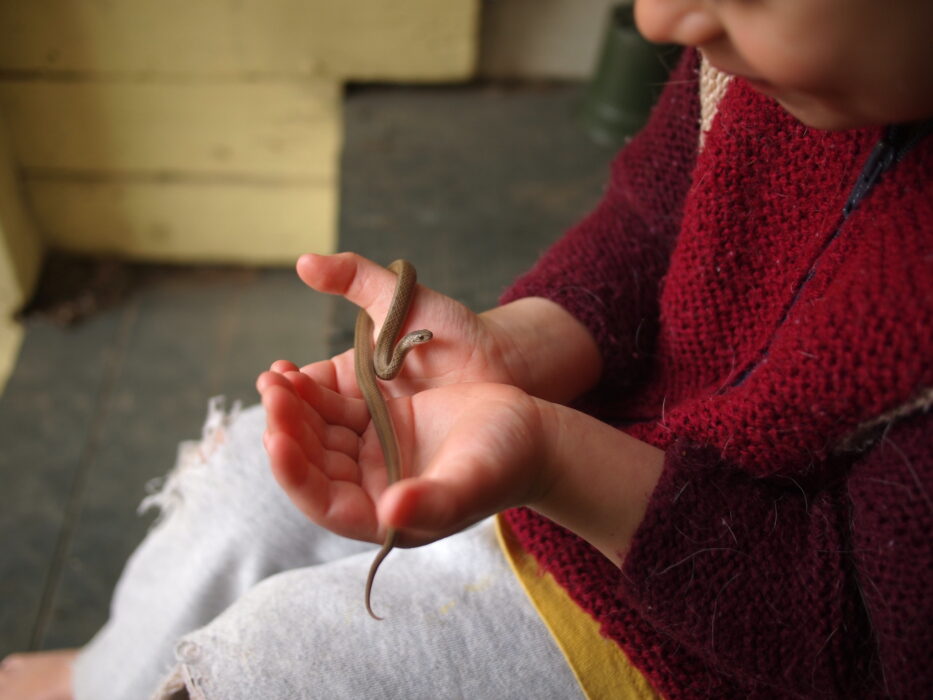
Children and pets are naturally curious and often move quickly, which can alarm a snake and trigger a defensive reaction. Kids may not recognize danger signals, and pets may bark, paw, or attempt to attack, escalating the situation in seconds.
Pets are especially vulnerable to bites on the face, neck, or legs, which can be life-threatening even from nonvenomous species.
Keeping children and animals completely out of the area reduces noise, sudden movement, and chaos, giving you the space needed to manage the situation safely and prevent avoidable injuries.
7. Don’t lose sight of the snake if you can safely observe from a distance
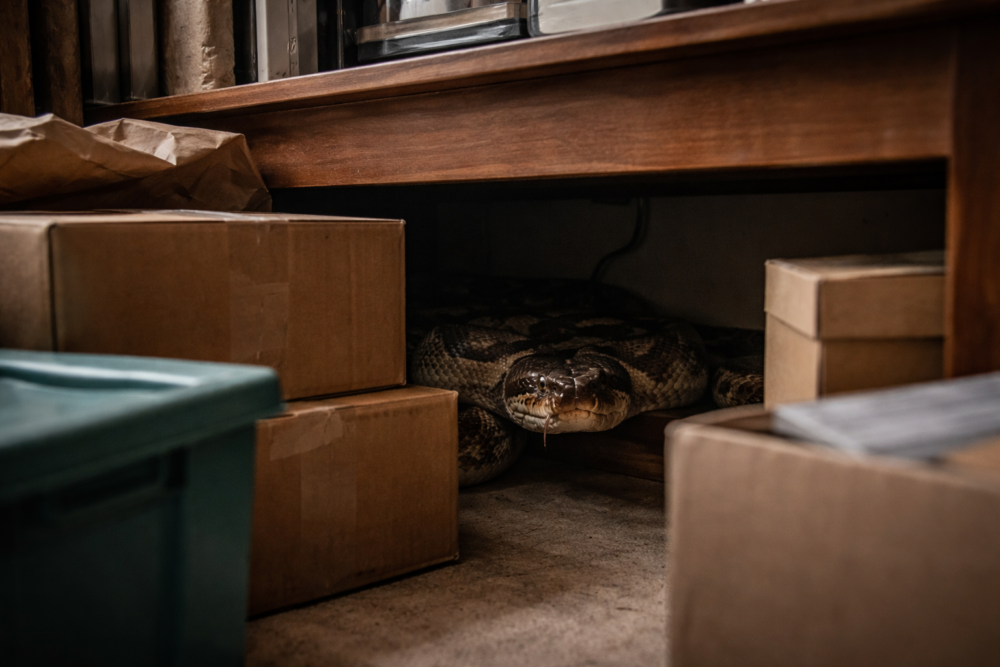
Losing track of the snake makes removal more difficult. If it disappears into walls or clutter, it can reappear unexpectedly.
From a safe distance, calmly noting its location helps professionals respond faster and reduces the chance of a surprise encounter later.
8. Do create space by closing doors and isolating the area

If possible, close interior doors to contain the snake in one room. This limits movement and protects other parts of the home.
Isolation buys time and keeps everyone safer. A contained snake is easier for trained responders to locate and remove.
9. Do keep your distance and stay as calm as possible

Slow movements and steady breathing help keep the situation from escalating. Sudden actions may alarm the snake.
Calm behavior reduces stress for both you and the animal. Most snakes remain still or try to hide when they don’t feel threatened.
10. Do contact local animal control or wildlife professionals

Professionals have the training and tools to remove snakes safely. They can also identify the species and assess risk.
Calling for help is the safest option, especially if you are unsure whether the snake is venomous or injured.
11. Do prepare your home for safe removal if help is on the way
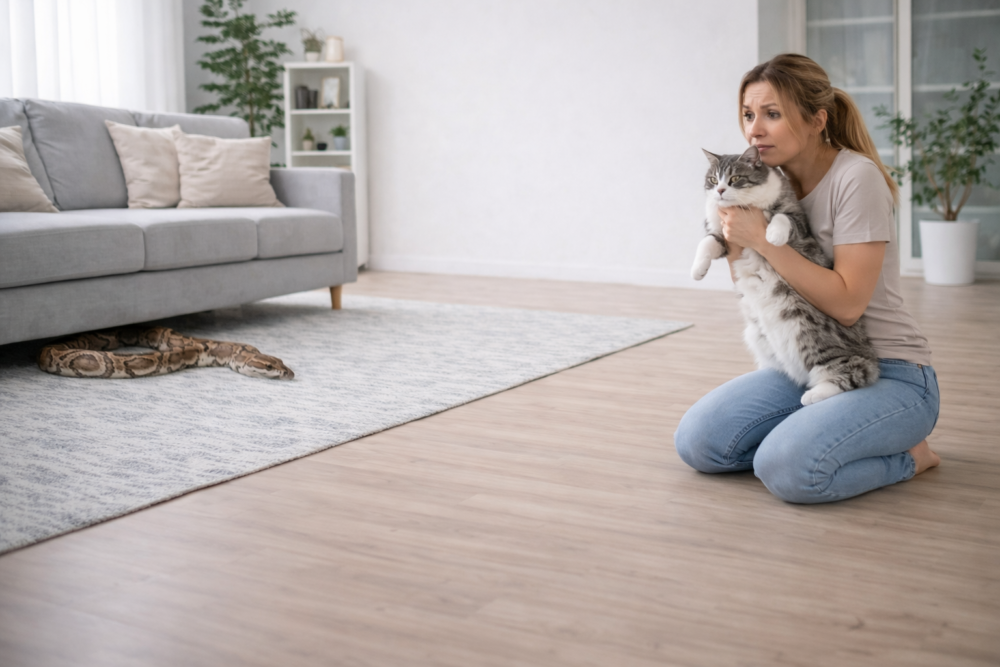
Clear clutter, keep doors closed, and secure pets while waiting. This creates a controlled environment for responders.
Avoid hovering or crowding the area. Giving professionals space helps them work efficiently and safely.
12. Do take steps afterward to prevent another snake from getting inside
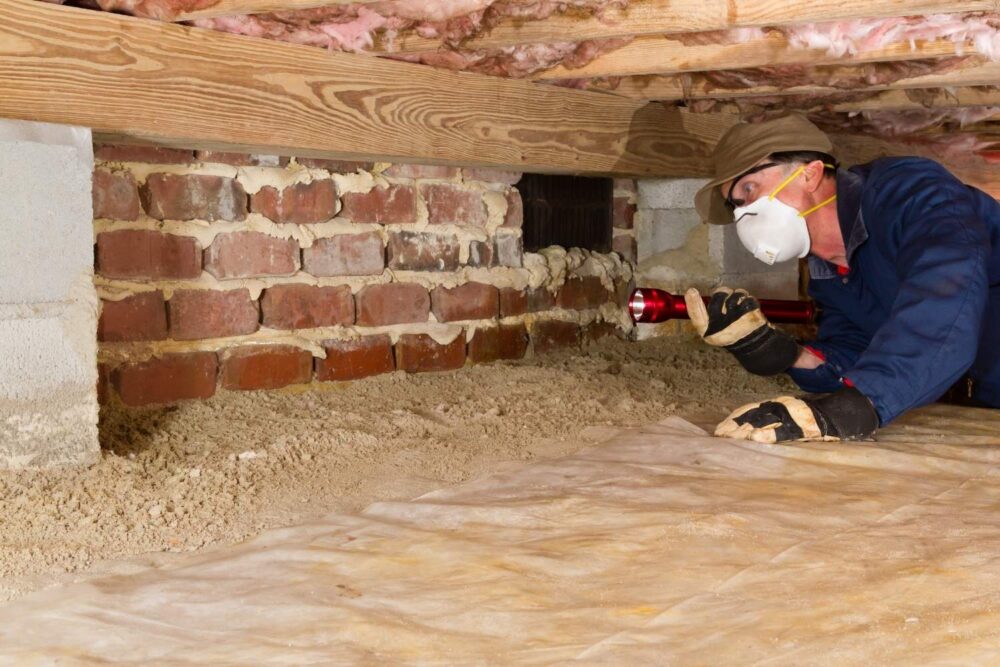
Once the snake is gone, check for gaps under doors, foundation cracks, or open vents. Snakes often enter through small openings.
Reducing attractants like rodents and sealing entry points lowers the chance of repeat encounters and restores peace of mind.