
New research links a shared compound in coffee and chocolate to signs of slower biological aging.
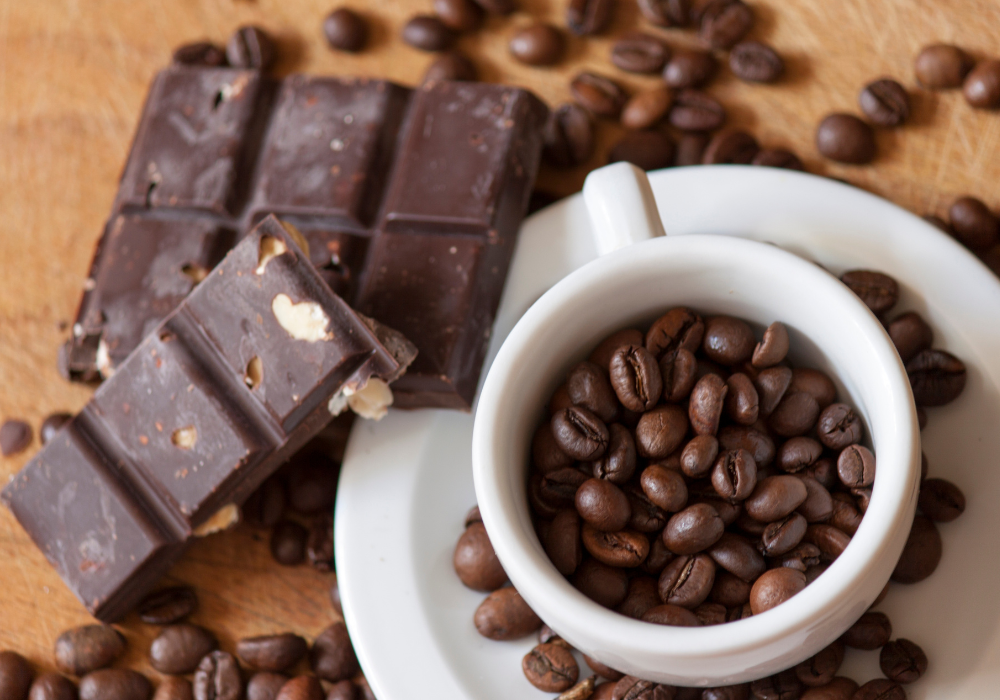
Most people think of coffee and chocolate as simple pleasures—part of a morning routine or an occasional treat, not something that belongs in serious aging research. But a recent study conducted by researchers at the University of Bologna took a closer look at a naturally occurring compound found in both foods and uncovered an intriguing pattern.
By analyzing blood samples alongside biological aging markers, the research explored whether certain dietary compounds are linked to how quickly the body appears to age at a cellular level.
The findings don’t promise longevity or shortcuts to health, but they do suggest that everyday foods may quietly influence long-term aging in ways scientists are only beginning to understand.
1. The study focused on biological age, not birthdays
Rather than looking at how many years participants had lived, the researchers focused on biological age. This measure reflects how cells behave over time, using chemical markers that reveal wear, repair, and overall cellular health.
This approach helps explain why two people of the same chronological age can age very differently. It also gives scientists a clearer way to study how lifestyle and diet might influence aging beneath the surface, beyond what’s visible.
2. Scientists tracked a compound found in coffee and chocolate

The compound examined in the study was theobromine, a naturally occurring chemical present in cocoa and in smaller amounts in coffee. While theobromine has been studied for other effects, its relationship to aging markers has received less attention.
Instead of relying solely on dietary questionnaires, researchers measured the compound directly in participants’ blood. That method reduced guesswork and allowed for a more accurate look at how theobromine levels related to biological aging indicators.
3. Higher theobromine levels were linked to “younger” cells
Participants with higher blood concentrations of theobromine tended to show epigenetic markers associated with slower biological aging. In simple terms, their cells appeared slightly younger than expected for their chronological age.
The researchers were careful not to claim that the compound causes slower aging. Still, the consistency of the association stood out, suggesting a meaningful link that warrants further investigation.
4. This wasn’t about candy bars or sugary drinks

The study made an important distinction between natural sources of the compound and heavily processed foods. Theobromine is most concentrated in dark chocolate and naturally brewed coffee, not in sweetened snacks.
That nuance matters because sugar and ultra-processed ingredients can carry health risks of their own. The research focused on specific compounds within foods, not on indulgent eating patterns or desserts.
5. The findings fit into a bigger pattern of aging research

Scientists studying aging increasingly look at how small, everyday exposures influence long-term cellular health. Diet, sleep, stress, and physical activity all leave measurable biological traces.
This study adds another layer to that growing field. It suggests that commonly consumed compounds may play subtle roles in aging processes, contributing incrementally rather than dramatically to long-term outcomes.
6. The study does not suggest eating more chocolate is a cure

The researchers were careful to stress that their findings should not be interpreted as advice to eat more chocolate or drink more coffee.
The study identified correlations between blood levels of a specific compound and biological aging markers, not proof that one directly causes the other or that increasing intake would slow aging.
Aging is shaped by many overlapping factors, including genetics, environment, sleep, stress, and overall diet. No single compound can override those influences. The results are best viewed as a scientific clue that helps guide future research, not a prescription or shortcut to better health.
7. Why biological aging matters more than lifespan alone

Living longer does not automatically mean living healthier. Biological aging markers are increasingly used to understand disease risk, resilience, and how well the body maintains itself over time.
By focusing on these markers, scientists aim to identify habits that support healthier years, not just additional years. That perspective is why studies like this are gaining attention.
8. Coffee and chocolate already appear in other health studies

Both coffee and cocoa have been linked in past research to heart health, blood vessel function, and cognitive outcomes when consumed in moderation. Theobromine itself has been studied for its effects on circulation.
This new research builds on that foundation rather than standing alone. It helps explain why these foods continue to show up in long-term health studies across different populations.
9. Moderation remains the central takeaway

The study does not change existing dietary guidance. Researchers emphasized balance and consistency over any single food or compound.
The findings reinforce a familiar message in nutrition science: small, regular habits tend to matter more than extremes or sudden changes.
10. The real value lies in what the study prompts next

Rather than offering a headline breakthrough, the research raises new questions. How do specific dietary compounds interact with aging pathways over time?
For readers, the takeaway is curiosity rather than urgency. Everyday foods may have more complex biological effects than we assume, and science is still uncovering how those effects accumulate across a lifetime.