
It’s been open since 1725, survived wars and pandemics, and still cooks meals the same way today.

In a narrow street near Madrid’s Plaza Mayor, a restaurant has been quietly doing the same thing for three centuries: serving dinner to anyone who walks through its doors. Founded in 1725, Sobrino de Botín is officially recognized as the world’s oldest continuously operating restaurant.
It has outlasted empires, wars, political upheaval, and modern tourism booms without ever closing its kitchen for good. Its survival isn’t just about age, but about consistency.
The restaurant still cooks traditional dishes using methods that predate electricity, refrigeration, and even the concept of modern dining, offering a rare window into how everyday life once tasted.
Click through to learn what life was like when Sobrino de Botín first opened.
1. The restaurant opened when Spain was a very different country

When Botín first opened its doors, Spain was ruled by King Philip V, and Madrid looked nothing like it does today. Horse-drawn carts filled the streets, and most meals were cooked at home.
Restaurants as we know them were uncommon. Botín originally functioned as a place where travelers could bring food to be cooked, a model that slowly evolved into a full-service dining space.
Follow us and access great exclusive content every day
2. It has remained in the same location since 1725
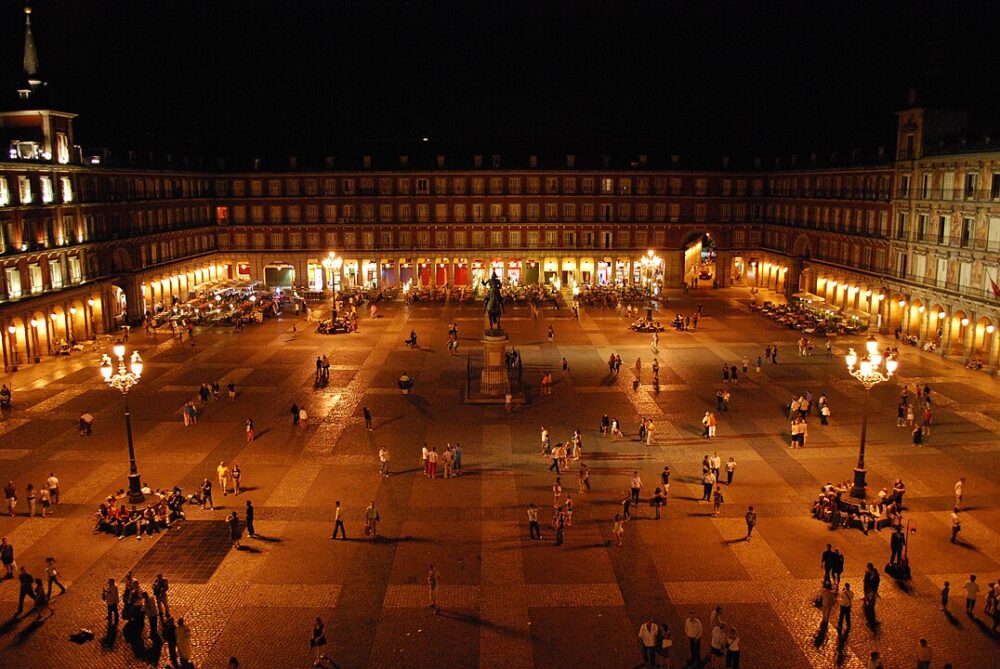
Botín has operated from the same building near Plaza Mayor for its entire history. The structure itself dates back even earlier than the restaurant.
Staying in one place helped preserve traditions and routines. While Madrid grew and modernized around it, the restaurant remained anchored to its original neighborhood.
3. Guinness recognizes it as the oldest restaurant in the world
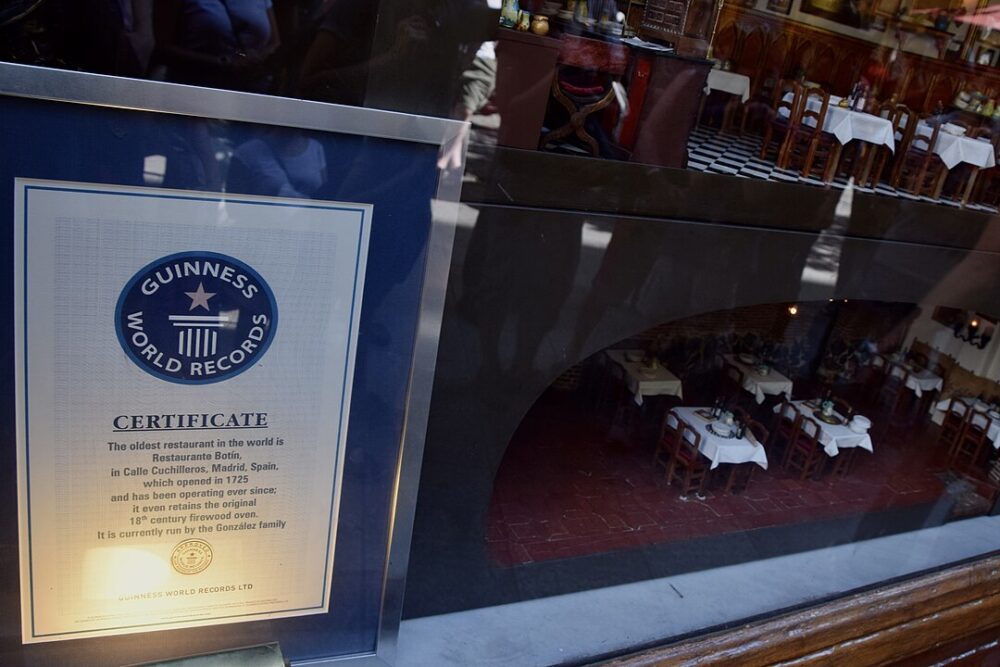
Guinness World Records officially recognizes Botín as the oldest continuously operating restaurant. That distinction depends on uninterrupted service and original location.
Other historic restaurants exist, but Botín meets all the criteria. It has never permanently closed or relocated, even during periods of major upheaval.
4. Wars and political turmoil never shut it down permanently

The restaurant survived the Napoleonic Wars, the Spanish Civil War, and multiple regime changes. Food shortages and rationing made operations difficult at times.
Even when ingredients were scarce, the kitchen adapted. Temporary disruptions happened, but Botín always reopened, maintaining its continuity through history.
Follow us and access great exclusive content every day
5. Its wood-fired oven has been running for centuries
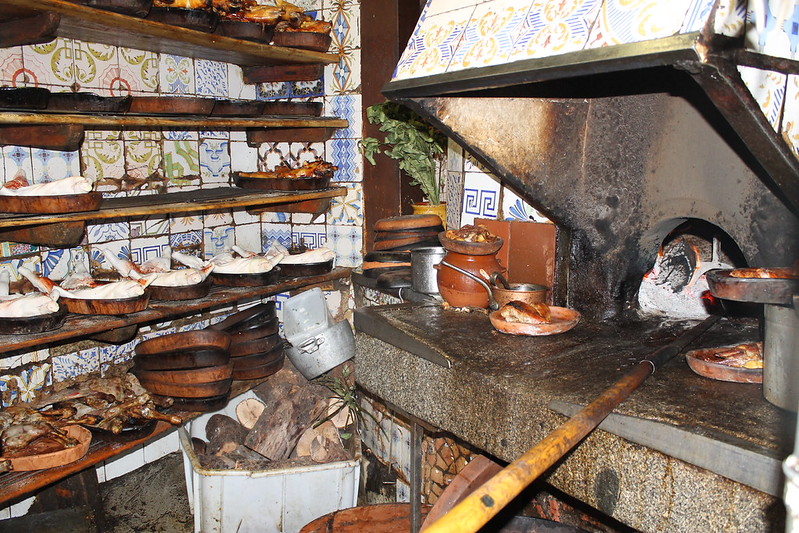
At the heart of Botín is a wood-fired oven that has been in constant use for nearly 300 years. It has never been extinguished, according to the restaurant, even during renovations or crises.
The oven burns oak and provides steady, radiant heat that modern appliances can’t replicate. This oven is central to Botín’s most famous dishes and represents a direct link to 18th-century cooking practices.
Keeping it active isn’t symbolic alone; it ensures flavors and textures remain consistent across generations, anchoring the restaurant’s identity in technique rather than trends.
6. The menu has stayed remarkably traditional
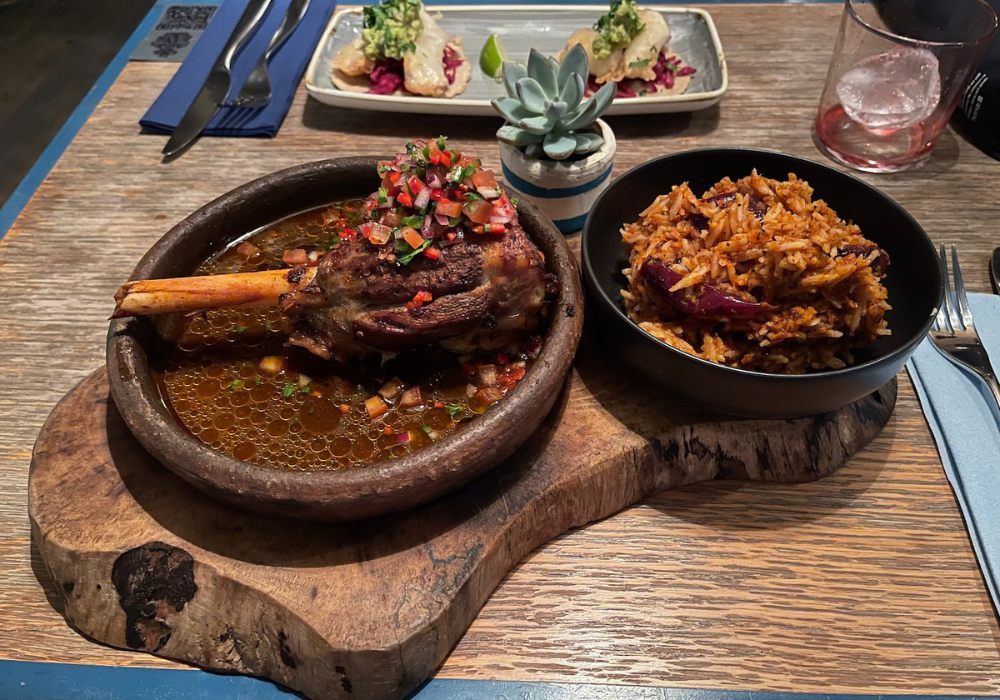
Botín is best known for dishes like roast suckling pig and roast lamb, prepared in the same style for centuries. Recipes emphasize simplicity and technique.
The menu avoids modern reinvention. Instead of chasing trends, it preserves flavors that would have been familiar to diners hundreds of years ago.
7. Famous writers helped cement its reputation
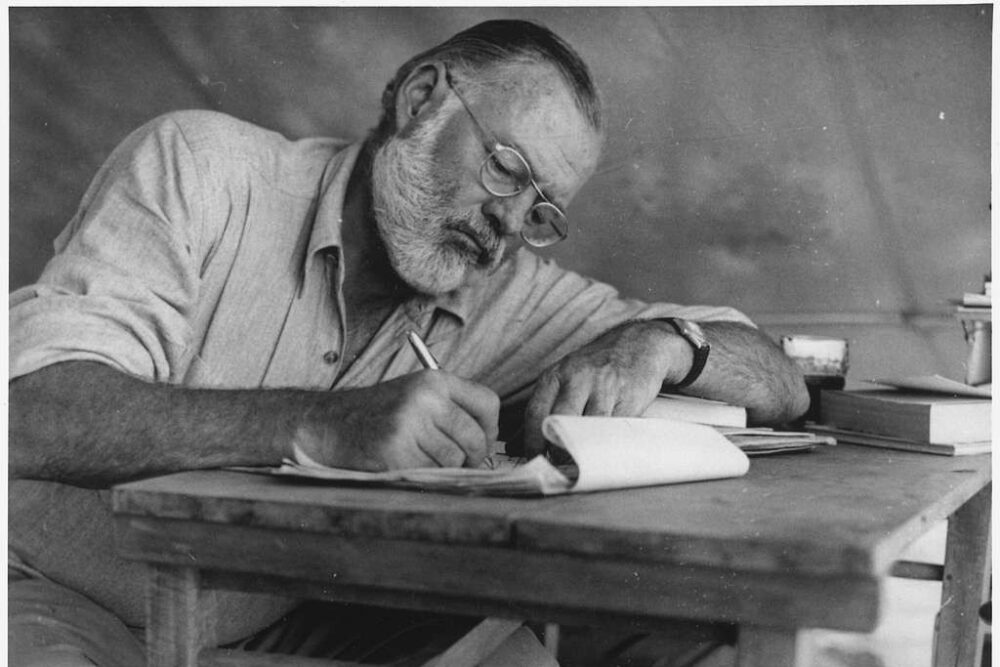
The restaurant appears in the works of writers such as Ernest Hemingway, who mentioned it in “The Sun Also Rises.” Literary references helped spread its fame internationally.
These mentions weren’t marketing strategies at the time. They were reflections of Botín’s role as a cultural gathering place in Madrid.
Follow us and access great exclusive content every day
8. Generations of the same family have run the restaurant
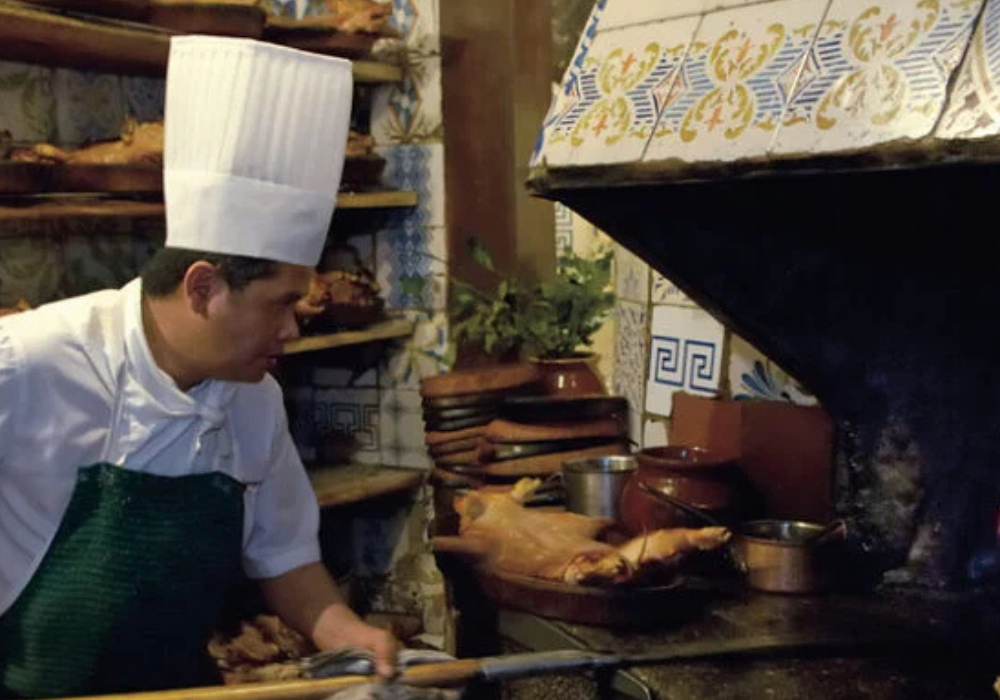
Botín has been operated by multiple generations, helping maintain continuity. Knowledge passed down through families preserved techniques and routines.
This long stewardship helped prevent drastic changes. Decisions were made with longevity in mind, not short-term popularity.
9. Tourism changed who dines there, but not how it cooks
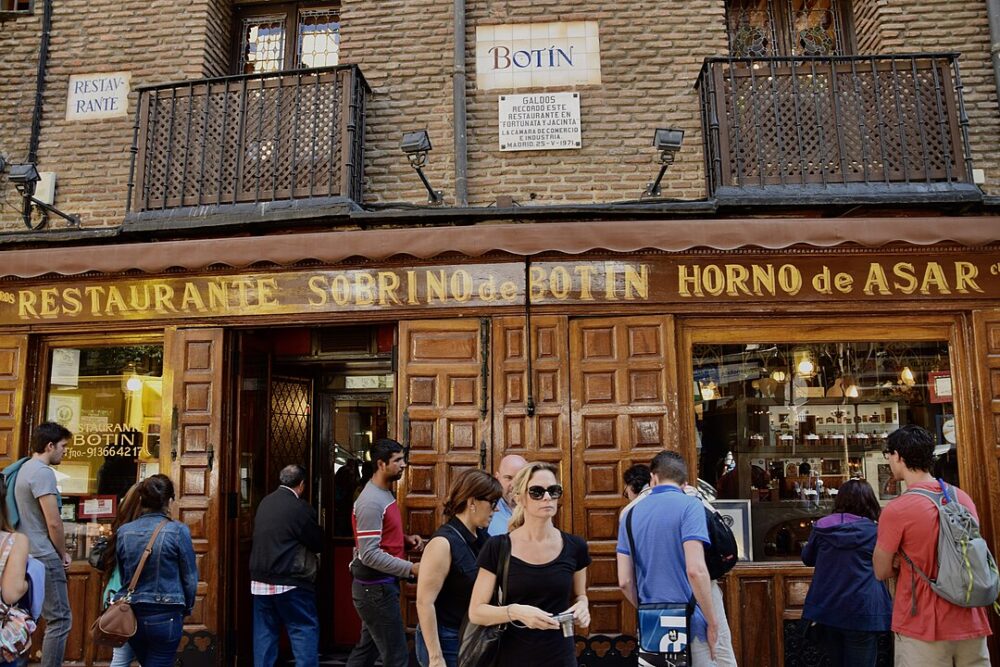
Today, visitors come from around the world to eat at Botín, turning it into a global destination rather than a local secret. Tourism has increased foot traffic dramatically, especially during peak travel seasons.
Despite the crowds, the kitchen has resisted pressure to modernize recipes or presentation. The focus remains on preparing the same dishes, in the same way, regardless of who is seated at the table.
Follow us and access great exclusive content every day
10. The restaurant adapted without losing its identity
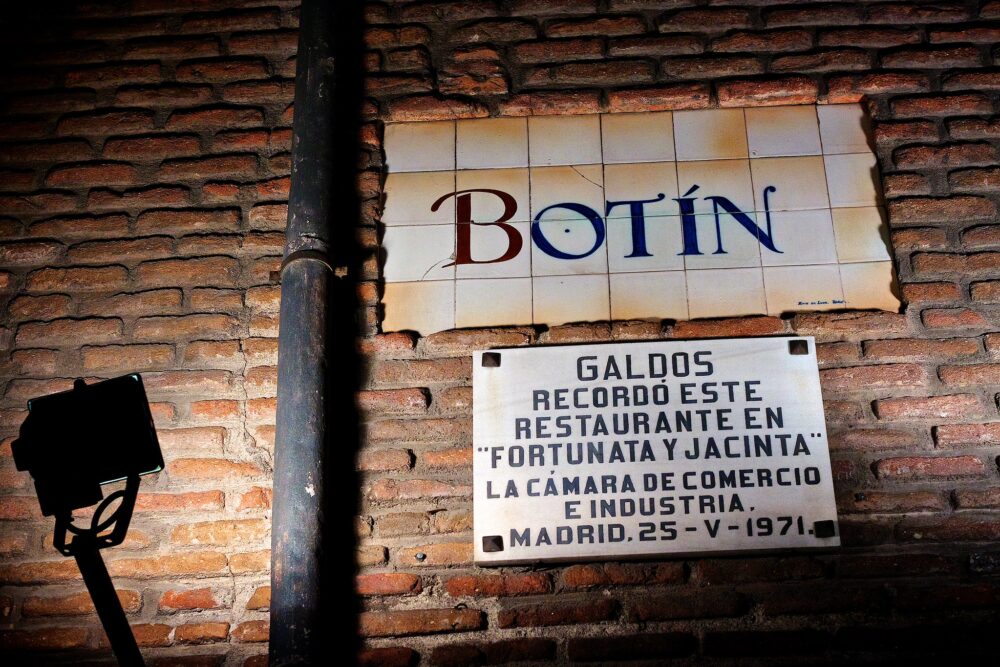
Over time, Botín incorporated modern health codes, refrigeration, and supply systems required to operate legally and safely. These updates were introduced carefully, without altering core cooking methods or flavors.
By separating necessary modernization from culinary tradition, the restaurant avoided becoming a themed attraction. It remained a working kitchen rather than a museum.
11. Botín’s survival says something rare about continuity
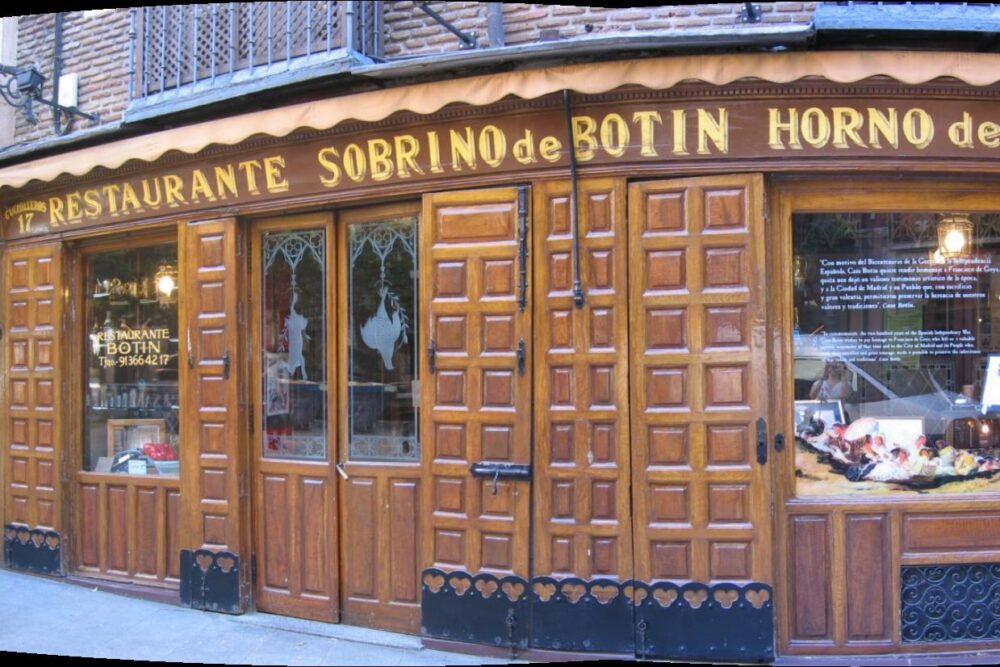
Few businesses of any kind last 300 years. Botín’s endurance reflects patience, restraint, and respect for tradition.
Rather than reinventing itself repeatedly, it stayed recognizable. That consistency is what ultimately turned a neighborhood restaurant into a living piece of history.