
The problem wasn’t charging speed or chemistry; it was stress building deep inside the material.

Electric vehicle batteries are improving rapidly, but some of the most promising materials have been failing sooner than engineers expected.
Single-crystal battery cathodes were designed to last longer because they eliminate grain boundaries, a common source of cracking in traditional materials. Yet real-world testing kept revealing damage anyway. A new study explains why.
Researchers discovered that hidden internal stresses can build up inside these materials during repeated charging and discharging, eventually causing cracks from within.
Click through to see how this issue affects battery durability, cost, safety, and charging confidence.
1. Battery life depends heavily on the cathode
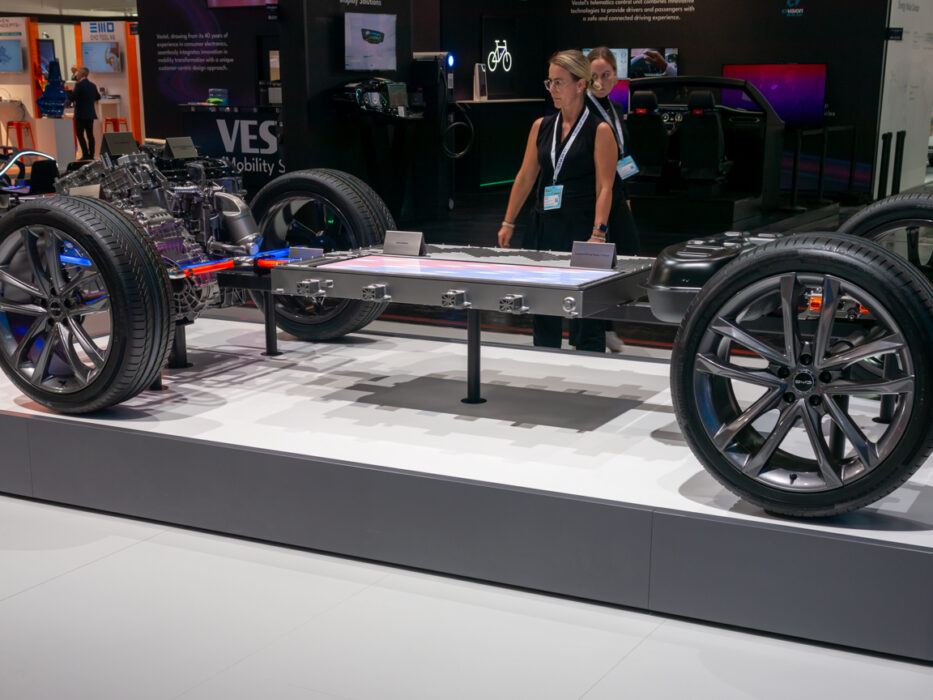
Inside every lithium-ion battery, the cathode plays a central role in storing and releasing energy. It repeatedly expands and contracts as lithium ions move in and out.
Over thousands of charging cycles, even small structural weaknesses can grow into serious damage. That’s why cathode design is one of the most important factors in determining how long a battery lasts.
Follow us and access great exclusive content every day
2. Single-crystal cathodes were meant to solve cracking
Traditional cathodes are made from many small crystals pressed together. The boundaries between those crystals are common points where cracks form.
Single-crystal cathodes were created to eliminate those weak spots. By using one continuous crystal, scientists expected the material to better withstand long-term cycling.
3. Real-world testing showed unexpected damage

Despite their promise, single-crystal cathodes still developed cracks during extended use. The damage appeared even though the usual failure points had been removed.
This was especially puzzling because the materials looked stable on the surface and performed well early on. The unexpected breakdown forced researchers to reconsider assumptions about what actually causes cathodes to fail over time.
4. The issue turned out to be internal stress

The new research found that stress builds up inside the crystal itself during repeated charging cycles. These stresses don’t come from external pressure or manufacturing flaws.
They arise because different parts of the crystal expand and contract at slightly different rates, creating strain that accumulates with every charge and discharge.
Follow us and access great exclusive content every day
5. Cracks form from the inside, not the surface
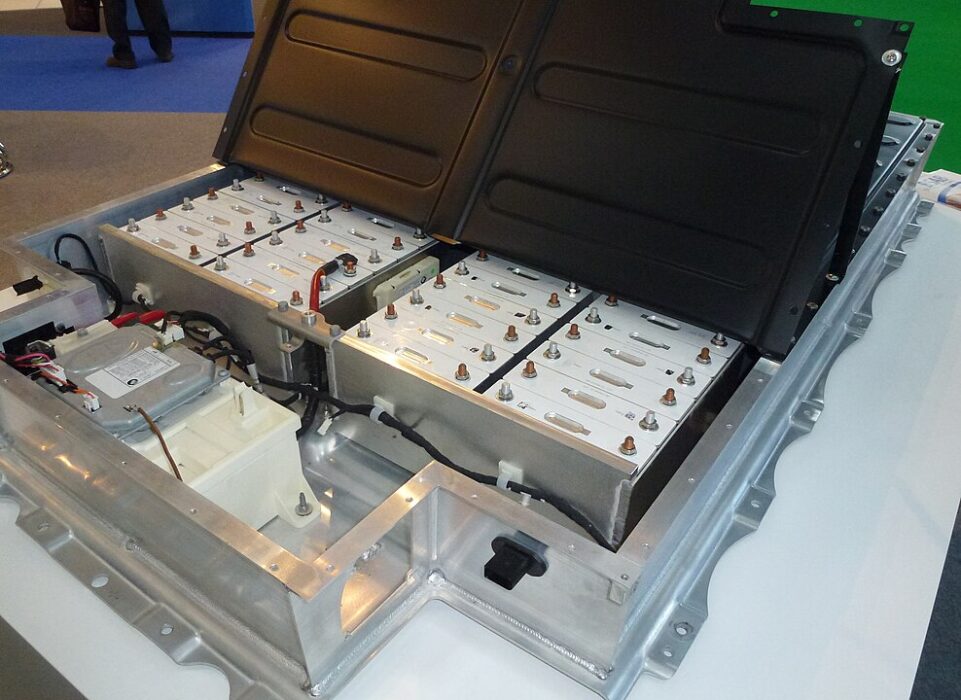
One of the most surprising findings was where the damage actually begins. Instead of starting at the surface, cracks often form deep inside the single-crystal cathode.
As lithium ions move in and out during charging and discharging, different regions of the crystal expand and contract unevenly. This creates localized stress that builds cycle after cycle. Over time, that hidden stress concentrates in specific internal zones until fractures form.
These cracks then slowly grow outward, weakening the entire particle from the inside long before any surface damage becomes visible.
6. This explains why failures were hard to detect
From the outside, single-crystal cathodes often appeared intact. Standard inspection methods focused on surface damage and missed what was happening internally.
By the time battery performance noticeably declined, internal cracking was already advanced, making early intervention difficult.
7. The findings change how durability is measured
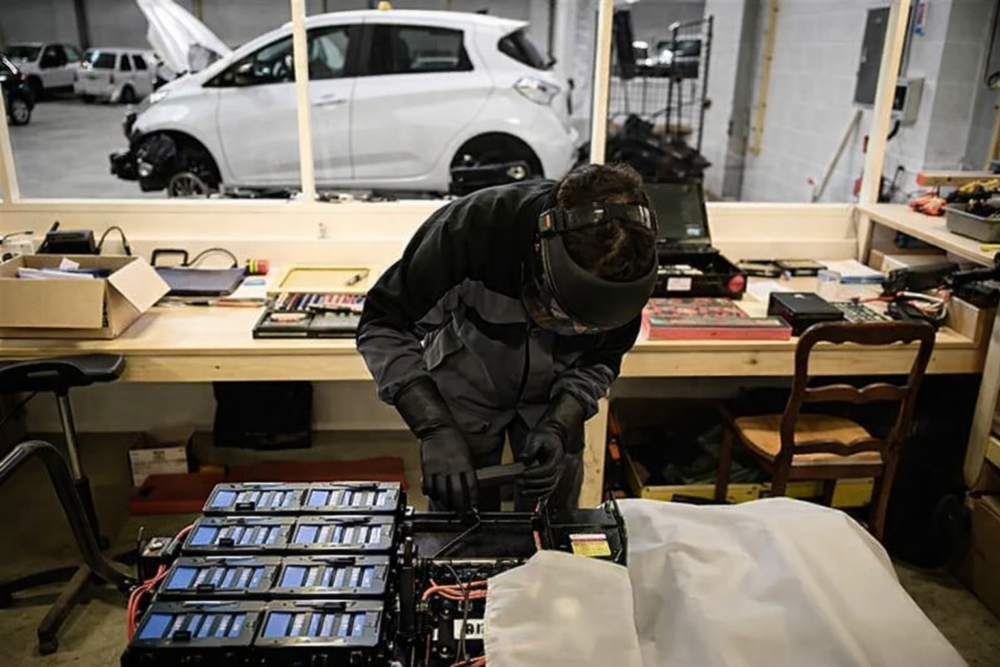
Battery durability has traditionally been judged by surface stability and visible cracking. This study shows that internal stress can be just as destructive, even when the exterior looks fine.
As a result, researchers say testing methods will need to evolve. Future evaluations may rely more on internal imaging and stress analysis to predict long-term battery performance accurately.
Follow us and access great exclusive content every day
8. Material design can reduce internal stress
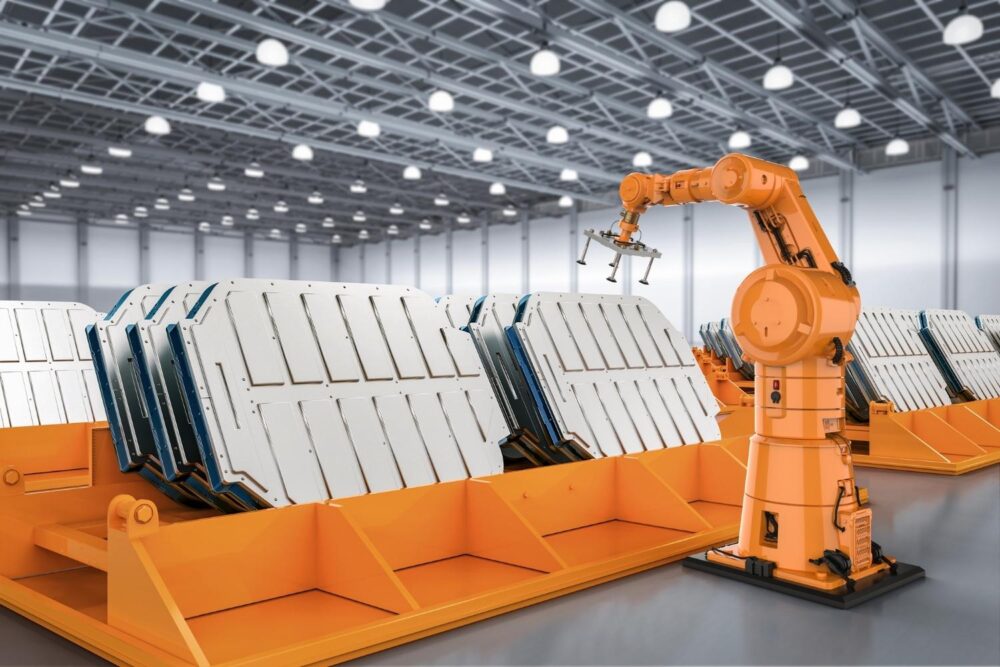
The researchers found that internal stress isn’t unavoidable. Adjusting material composition and how the crystal responds to lithium movement can significantly reduce strain.
By fine-tuning these properties, engineers may be able to keep the benefits of single-crystal cathodes while minimizing the forces that lead to cracking, improving durability without sacrificing performance.
9. Longer battery life lowers costs and waste
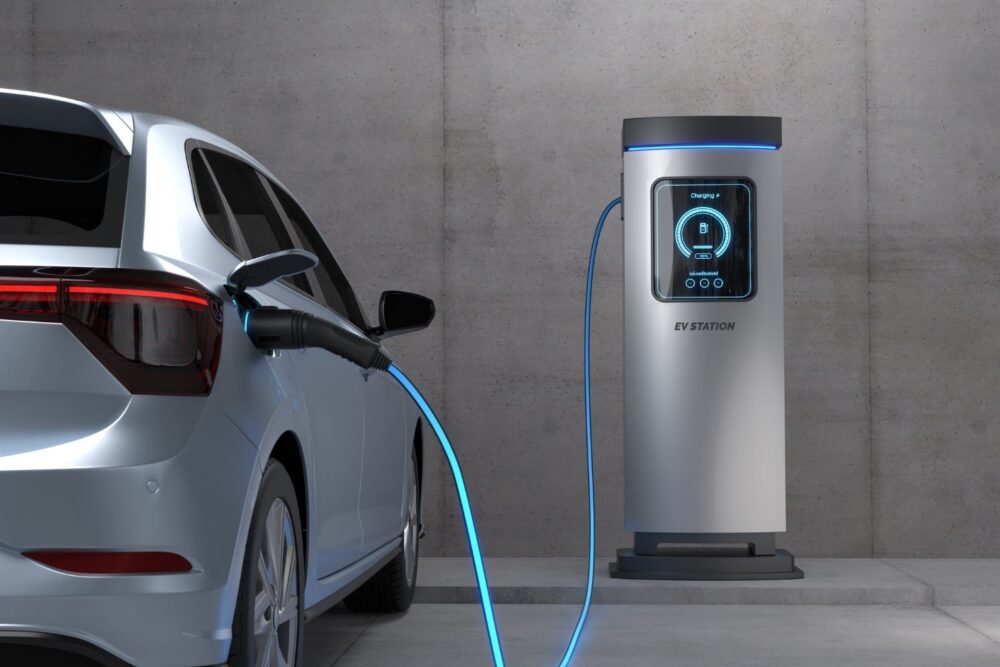
More durable cathodes mean batteries last longer before needing replacement. That lowers ownership costs for drivers and reduces manufacturing demand.
Longer-lasting batteries also generate less waste over time, helping reduce the environmental footprint of electric vehicles.
10. The discovery applies beyond electric vehicles

While the study focused on EV batteries, similar cathode materials are used in consumer electronics and grid-scale energy storage.
Understanding how internal stress causes failure could improve reliability across many battery-powered technologies, extending benefits well beyond transportation.
11. The research points to a clearer path forward
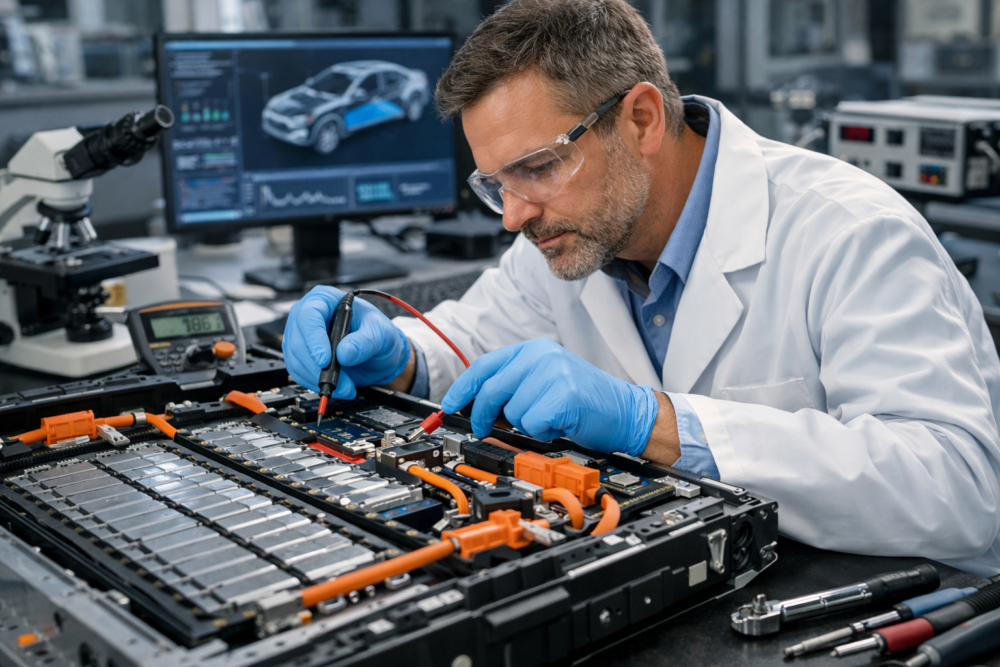
Rather than abandoning single-crystal designs, scientists now have a clearer explanation for their weaknesses. That understanding allows targeted improvements instead of trial and error.
By addressing internal stress directly, future batteries could combine high performance with long life, helping EV technology become more reliable and widespread.