
What life looks like for ordinary people in two very different systems.
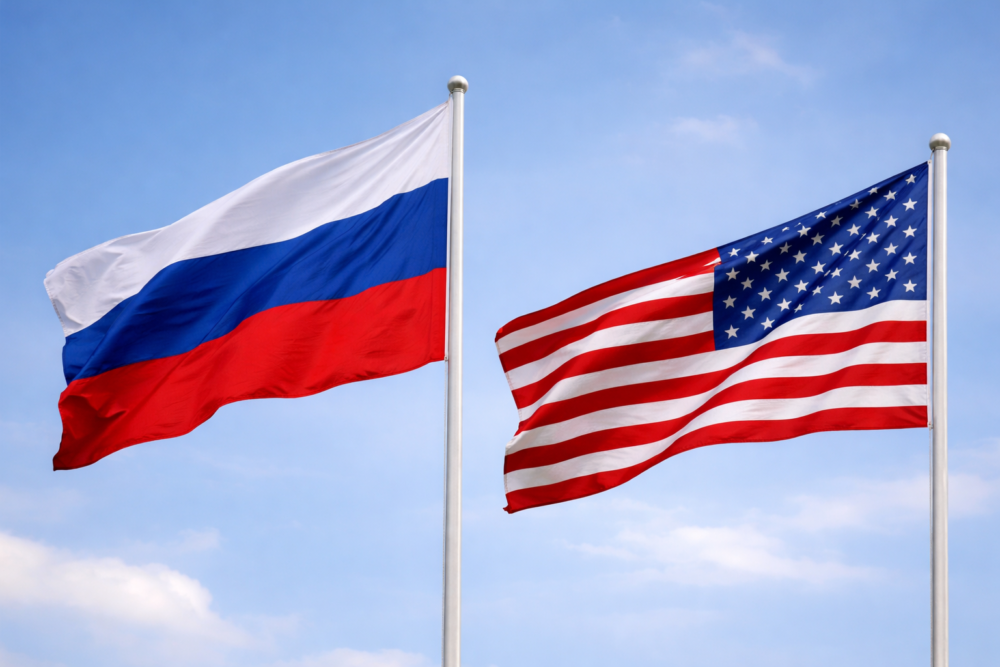
Comparing quality of life between countries goes beyond income or politics. It reflects how people experience daily living, including access to healthcare, personal safety, job opportunities, freedom of movement, and the ability to plan for the future with some sense of stability.
That comparison has gained renewed attention after a recent move by Russia to simplify temporary residence permits for certain groups, including people who align with what the government describes as “traditional values,” as well as skilled professionals and scientists.
At a time when global mobility and living standards are under closer scrutiny, looking at quality of life in the United States and Russia side by side helps clarify how everyday life actually differs between the two.
Click through to compare key factors that shape daily life in both countries.
1. Income levels and purchasing power differ sharply

On average, incomes in the United States are significantly higher than in Russia. American workers generally earn more in dollar terms and have greater purchasing power, especially for imported goods and technology.
In Russia, lower wages are often offset by cheaper housing and utilities in many regions, but international sanctions and inflation have reduced access to some products and increased costs for others.
Follow us and access great exclusive content every day
2. Cost of living varies widely in both countries

Both nations have major regional differences. Living in New York or San Francisco is far more expensive than living in smaller U.S. cities, just as Moscow and St. Petersburg cost far more than rural Russian regions.
Overall, everyday expenses like groceries and transportation tend to be cheaper in Russia, while healthcare, housing, and education costs are generally higher in the U.S.
3. Healthcare access follows very different models
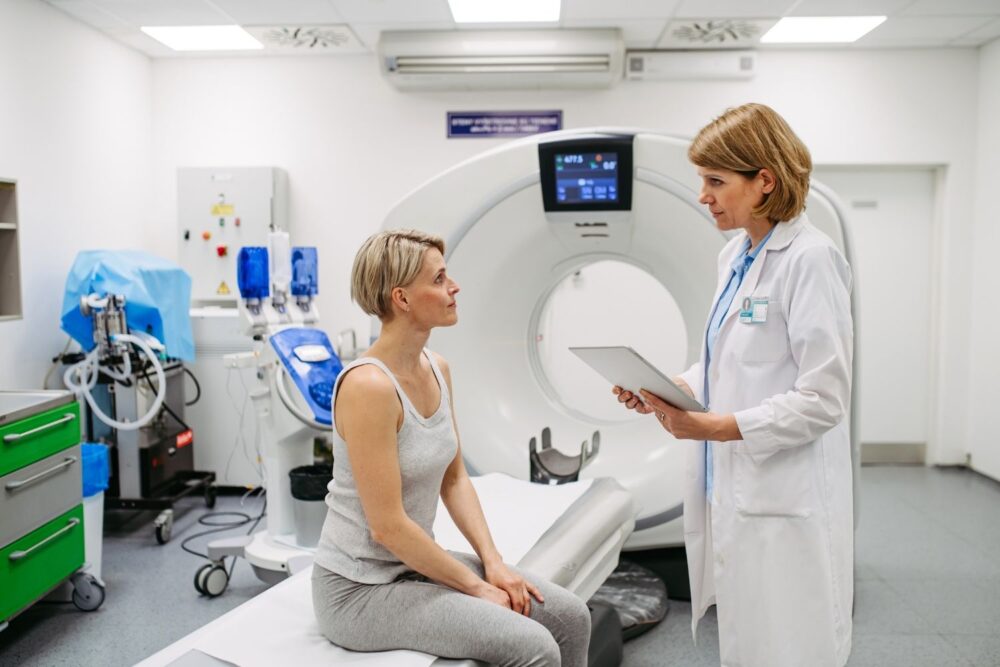
Russia provides universal healthcare through a state-funded system, which guarantees basic access for citizens. However, quality, wait times, and availability of modern treatments can vary widely by region.
The U.S. healthcare system offers advanced medical technology and shorter wait times for many procedures, but access often depends on insurance coverage and ability to pay, leaving gaps for some populations.
4. Personal freedoms shape daily life experiences
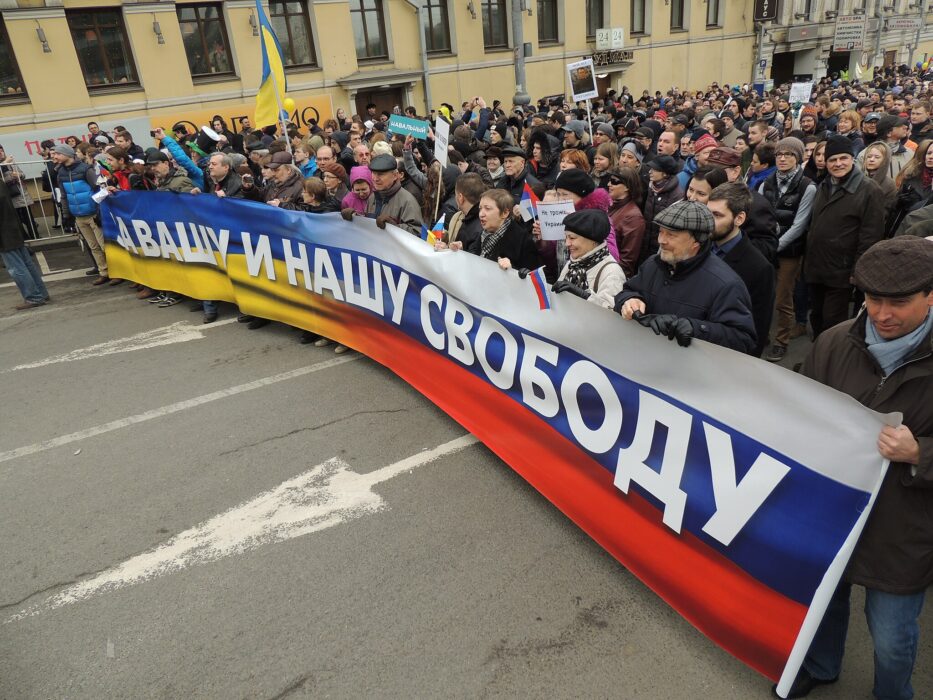
In the U.S., freedom of speech, media access, and political expression are protected by law, even when contentious. Citizens can openly criticize the government without fear of legal consequences.
In Russia, restrictions on media, protests, and political opposition have increased in recent years. These limits affect how freely people can express opinions and engage in public life.
Follow us and access great exclusive content every day
5. Safety and stability are perceived differently

Both countries experience crime, but the types and visibility differ. Violent crime rates in the U.S. are higher in some urban areas, while rural regions tend to be much safer.
Russia reports lower violent crime rates overall, but concerns about law enforcement accountability and legal protections can influence how safe people feel when dealing with authorities.
6. Economic opportunity and mobility play a major role
Economic mobility highlights one of the clearest differences between the two countries. In the U.S., people generally have wider access to job markets, entrepreneurship, and career changes, supported by a large private sector and global business connections.
Inequality exists, but the ability to change jobs, relocate, or start a business remains relatively strong. In Russia, many major industries are state-controlled or closely tied to the government, which can limit flexibility.
Career advancement often depends on location, sector, and personal networks. While recent policies aim to attract skilled workers, overall economic mobility remains more restricted, shaping long-term opportunity and future planning.
7. Education access and academic freedom differ

The U.S. hosts many globally ranked universities and offers academic freedom across disciplines, though higher education can be costly. Students often take on significant debt to attend.
Russia provides lower-cost higher education and strong programs in science and engineering, but academic freedom and international collaboration have become more constrained in recent years.
Follow us and access great exclusive content every day
8. Travel and global mobility are not equal

U.S. passport holders generally enjoy broad visa-free travel and easier access to international destinations. This mobility supports work, study, and leisure abroad.
Russian citizens face more travel restrictions and limited visa access to many countries, which can affect both personal and professional opportunities.
9. Media access shapes how people see the world
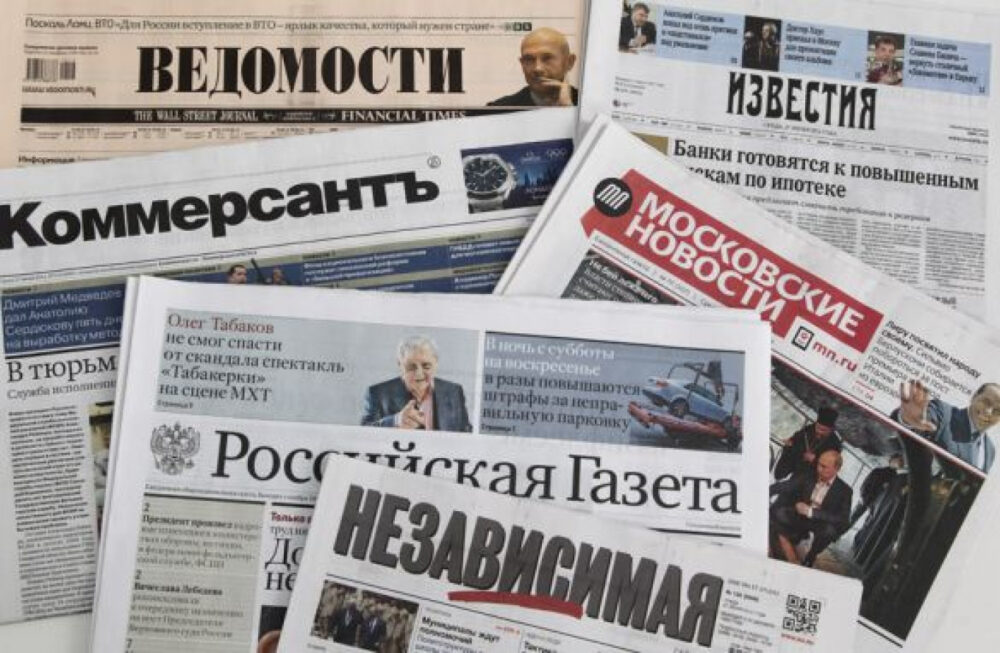
In the U.S., people can access a wide range of domestic and international media outlets, though misinformation remains an issue.
In Russia, state-controlled media plays a dominant role, and access to independent or foreign news sources is more restricted, influencing public awareness and perspectives.
10. Social safety nets function differently

Russia provides more centralized social services, including pensions and basic healthcare, which can offer stability for some populations.
The U.S. relies more on employer-based benefits and private systems, which can create gaps but also allow for higher-quality services for those with resources.
11. What the comparison reveals about quality of life

Quality of life in the U.S. and Russia reflects two very different systems. The U.S. offers higher income potential, greater personal freedom, and global mobility, alongside higher costs and inequality. Russia offers lower everyday costs and universal services, but with tighter controls, fewer opportunities, and limited freedoms.
Ultimately, quality of life depends on what people value most, security and stability, or flexibility and opportunity, and how those priorities play out in daily life.