
New evidence suggests the skull belongs to a previously mysterious branch of ancient humans.
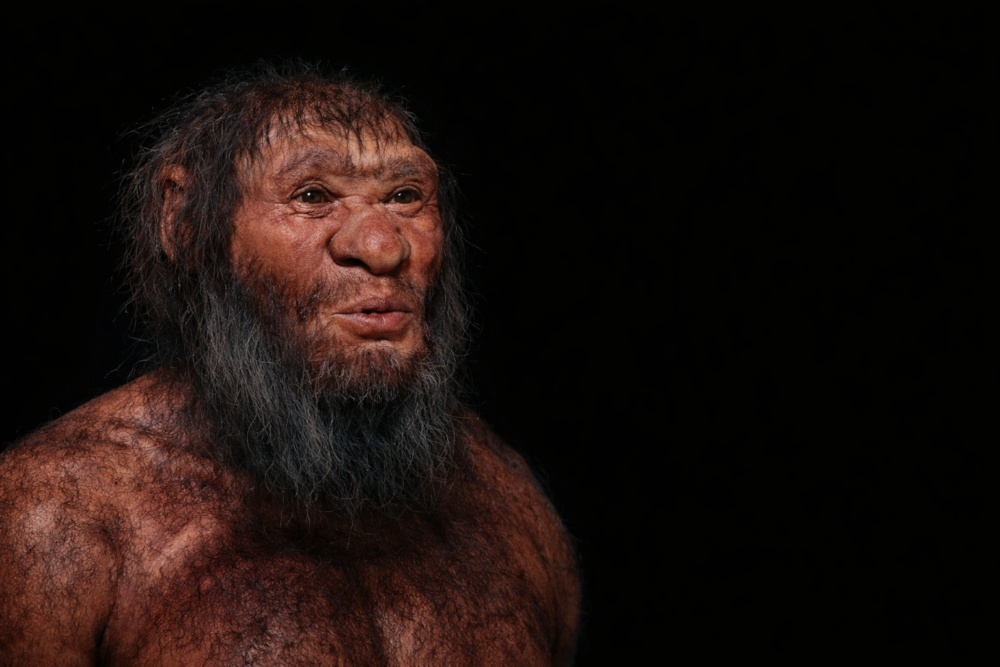
For decades, a nearly complete ancient human skull nicknamed “Dragon Man” sat at the center of a scientific mystery. Discovered in China and kept hidden for years, the fossil didn’t fit neatly into any known category of ancient humans.
Its size, facial structure, and heavy brow ridges set it apart, leading some researchers to suggest it represented an entirely new species. New evidence has now brought clarity. By analyzing ancient genetic material and preserved proteins extracted directly from the skull, scientists were able to compare it with known ancient human lineages.
The results show that Dragon Man belongs to the Denisovans, a shadowy group of ancient humans previously known mostly through DNA. This finding helps reshape the human family tree and fills in one of the biggest gaps in our understanding of human evolution in Asia.
Click through to learn how Dragon Man closes a gap in human evolution.
1. Denisovans were once known almost entirely from DNA

Denisovans were first identified through genetic analysis rather than traditional fossils. A tiny bone fragment revealed a human lineage distinct from both Neanderthals and modern humans.
For years, that left scientists with genetic data but almost no physical remains to study. Without a skull or skeleton, Denisovans remained a largely invisible branch of the human family.
Follow us and access great exclusive content every day
2. The Dragon Man skull stands out for its completeness
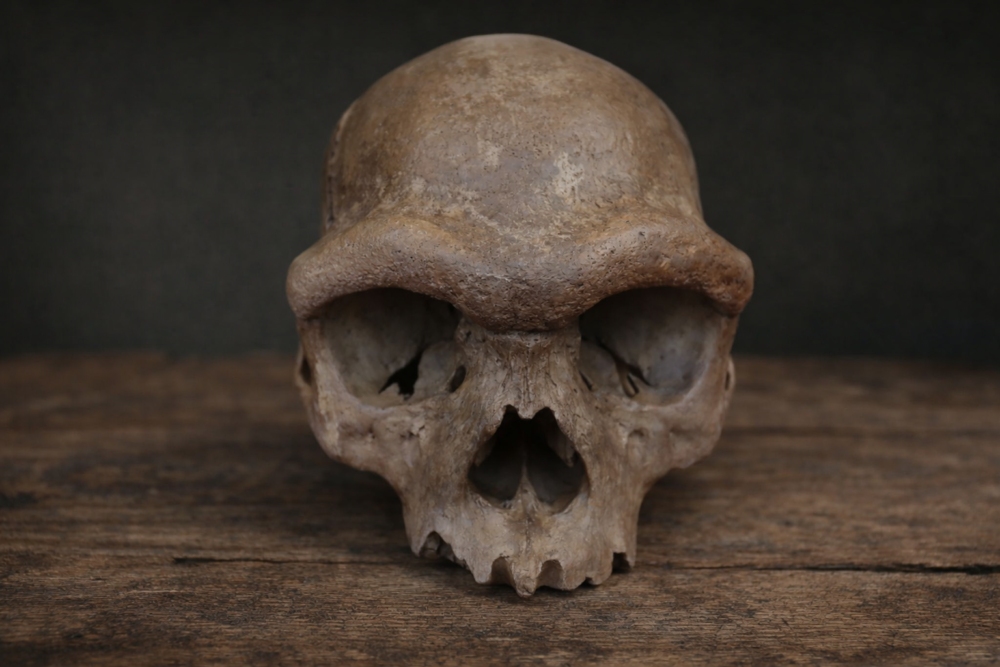
Most Denisovan-linked remains consist of small fragments like teeth or jawbones. The Dragon Man skull, by contrast, preserves much of the face and braincase.
This level of completeness allows researchers to study features like brain size, facial proportions, and overall anatomy in ways that were never possible before.
3. Early studies struggled to place the skull correctly
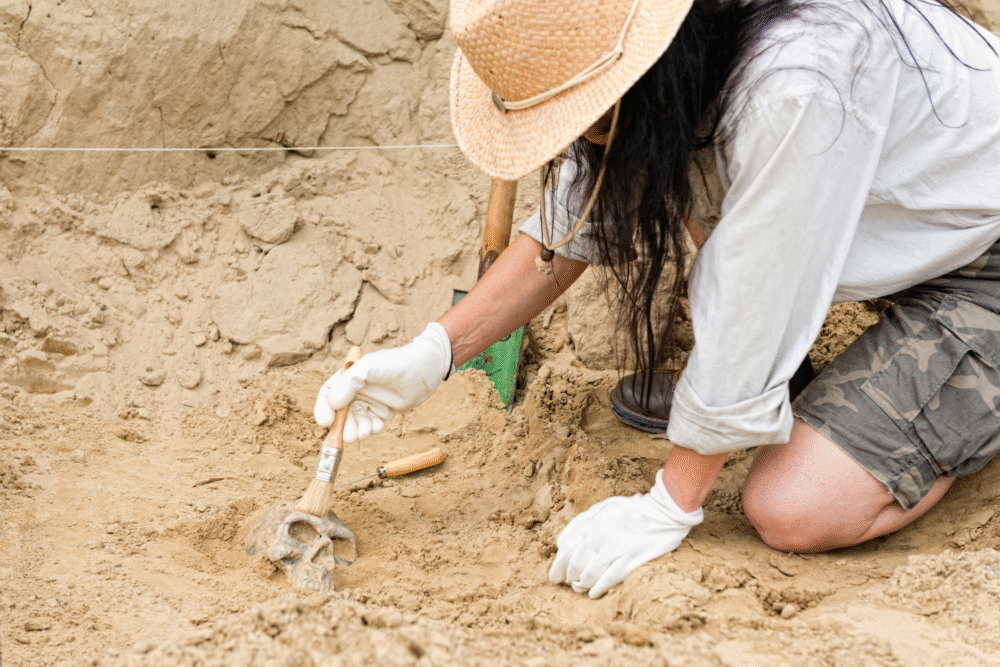
When the skull was first described, its unusual features led some researchers to propose it belonged to a new species. Others argued it might be related to known groups but lacked proof.
Without genetic evidence, the fossil’s place in human evolution remained controversial and unresolved.
4. New molecular techniques changed the investigation

Instead of relying only on shape and size, scientists turned to molecular clues preserved in the fossil. They analyzed mitochondrial DNA and ancient proteins extracted from dental plaque and inner bone.
These molecules act like biological signatures, allowing direct comparison with genetic material from other ancient humans.
Follow us and access great exclusive content every day
5. The evidence links Dragon Man to Denisovans
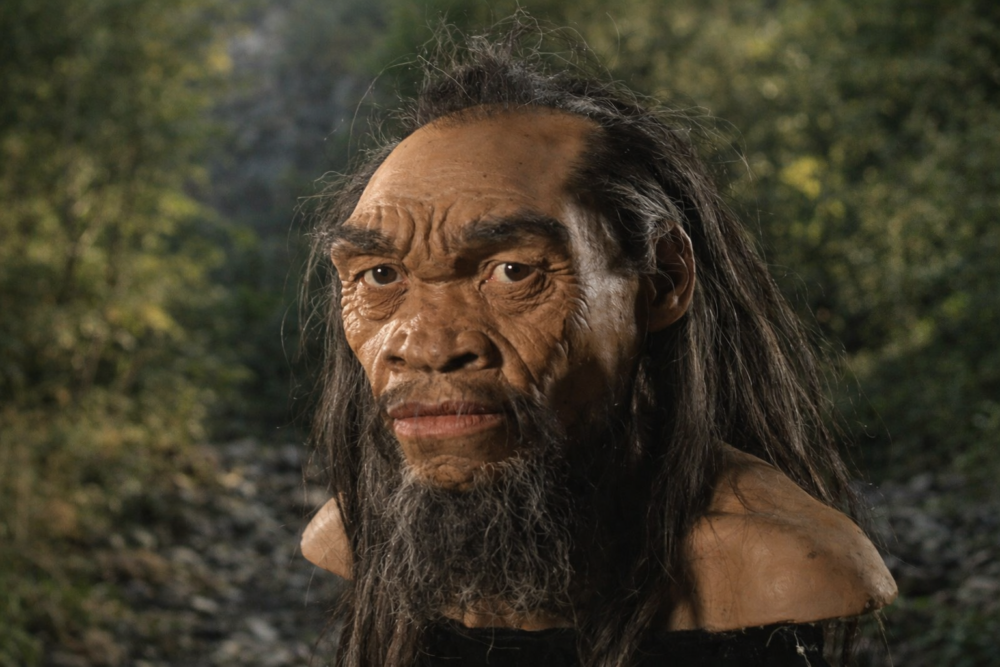
The molecular data matched Denisovan genetic patterns rather than Neanderthal or modern human ones. This provided the first confident identification of a Denisovan skull.
For the first time, researchers could connect a complete face and head shape to a group previously known almost entirely through genetics.
6. Why this discovery reshapes the human family tree
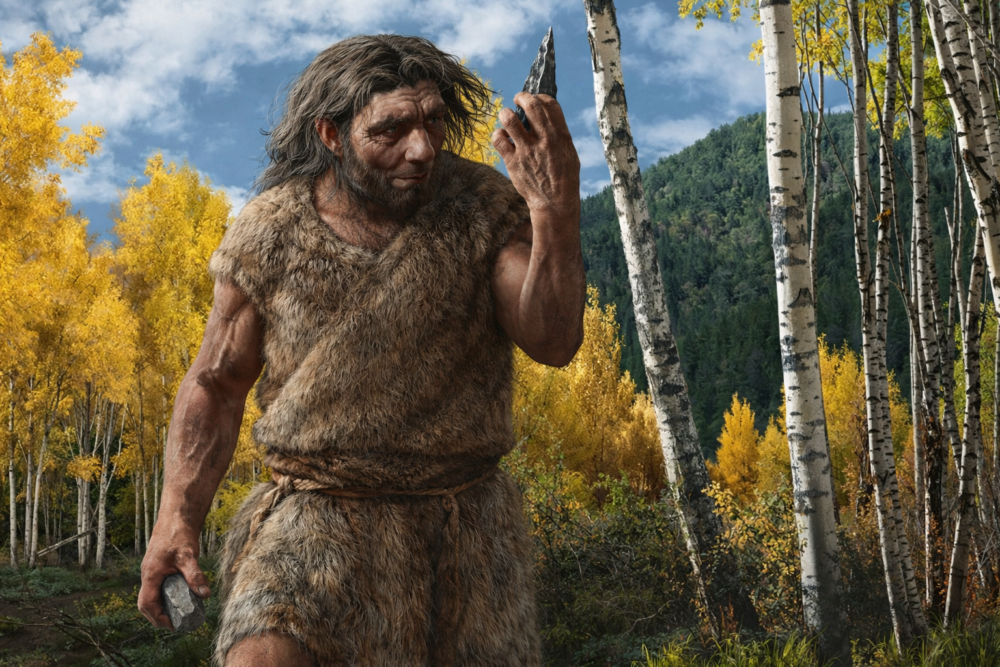
Identifying Dragon Man as Denisovan changes how scientists understand ancient human diversity in Asia. It confirms Denisovans were not just a minor offshoot but a widespread and physically distinct group.
The skull shows that Denisovans had large brains and robust facial features, challenging older assumptions that they were primitive or uniform. It also strengthens links between other Asian fossils and Denisovans, suggesting this group occupied a vast range of environments.
This discovery helps clarify how multiple human groups coexisted, interacted, and sometimes interbred. It also explains why Denisovan DNA is still found in some modern populations, particularly in parts of Asia and Oceania.
7. How this connects to other Asian fossils

Other fossils found across Asia share traits seen in the Dragon Man skull. Previously, these similarities were difficult to interpret.
With a confirmed Denisovan skull, researchers can now reassess these fossils and better understand which belonged to Denisovans and which to other ancient humans.
8. What this means for modern human ancestry
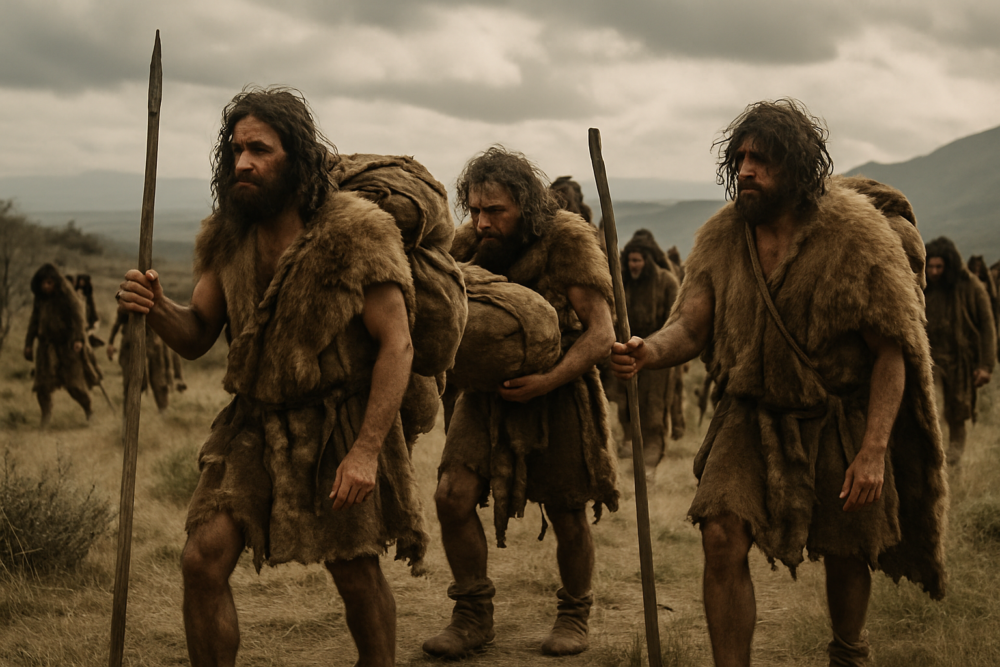
Genetic studies show that modern humans interbred with Denisovans. Some inherited traits related to immunity and adaptation to high-altitude environments.
The Dragon Man skull makes those genetic connections more tangible by revealing what this ancient group likely looked like.
Follow us and access great exclusive content every day
9. Why Asia’s role in human evolution is expanding

For a long time, Africa and Europe dominated discussions of human evolution. Denisovans highlight Asia as a major center of human diversity and innovation.
This discovery reinforces the idea that human evolution was not linear, but a complex web of migrations and interactions.
10. How scientists are using this find going forward
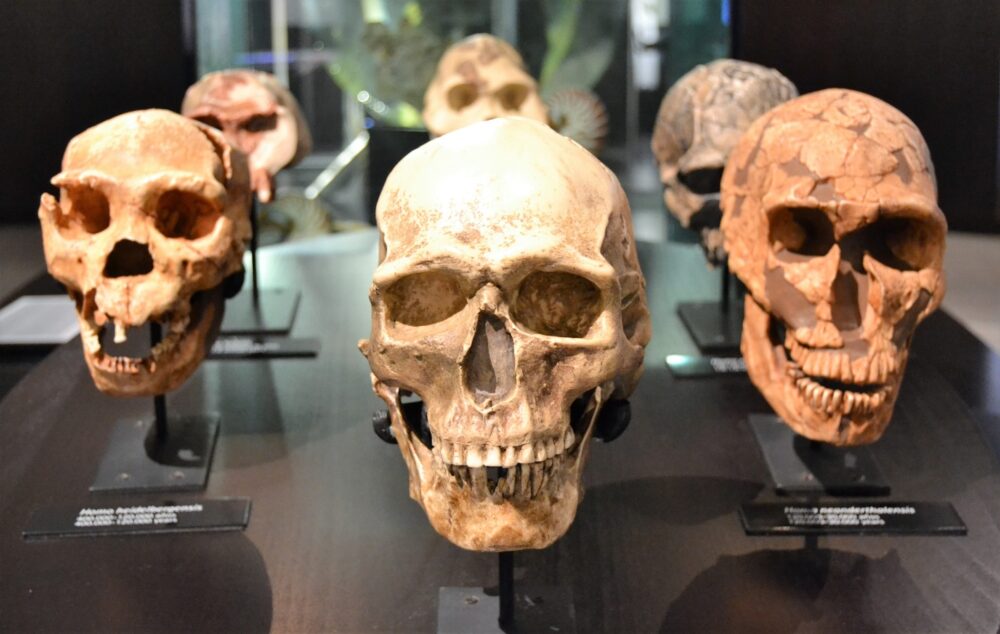
Researchers are now reexamining museum collections and previously discovered fossils using similar molecular techniques. Many specimens once thought untestable may still hold genetic or protein evidence.
Each new analysis could further refine the human family tree and reveal additional Denisovan remains.
11. What the Dragon Man discovery ultimately tells us

The identification of Dragon Man as Denisovan closes a long-standing gap in human evolution research. It transforms Denisovans from a genetic mystery into a group with a recognizable face.
More broadly, it shows how advances in science can rewrite history, even decades after a fossil is discovered.