
Emergency room data and wildlife studies show most human injuries from close contact with a familiar animal.

When people think about dangerous wildlife, their minds usually jump to large predators or rare, dramatic encounters in remote places. But the data behind human injuries tells a very different story. Most wildlife-related injuries don’t happen in national parks or deep wilderness. They happen close to home, often during routine moments when people aren’t expecting any danger at all.
This matters right now because human development continues to push deeper into natural habitats, increasing everyday contact with wildlife that has learned to adapt alongside us. As cities and suburbs expand, some animals are thriving in these shared spaces.
Click through to discover which animal is most often involved in human injuries, and why proximity matters more than aggression.
1. Why wildlife injuries are usually misunderstood

Popular culture tends to frame wildlife injuries as rare, dramatic attacks. Those events make headlines, but they don’t represent the most common risks people face. In reality, most injuries happen during mundane encounters rather than sudden attacks.
This gap between perception and reality makes it harder for people to understand where real risks lie. When danger feels distant or exotic, it’s easy to ignore the everyday situations that actually lead to harm.
2. Injury data points to frequency, not ferocity
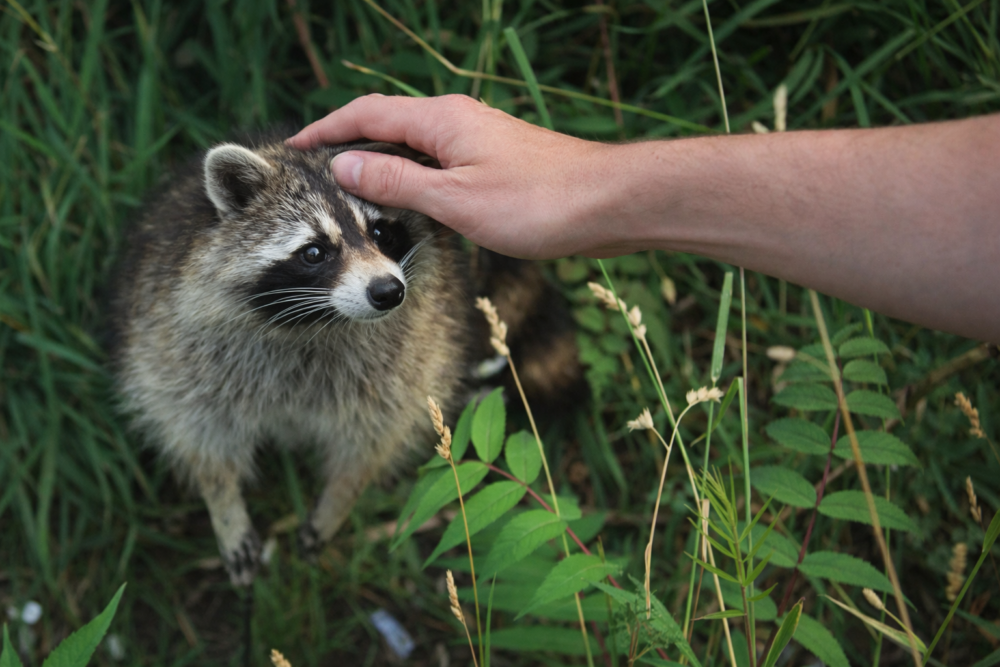
When researchers examine injury reports, one factor stands out again and again: frequency of contact. Animals that interact with humans more often are statistically more likely to be involved in injuries, even if they aren’t particularly aggressive.
This shifts the focus away from fearsome predators and toward species that live close to people, share urban spaces, and regularly cross paths with humans in parks, yards, and neighborhoods.
Follow us and access great exclusive content every day
3. Urban wildlife plays a growing role
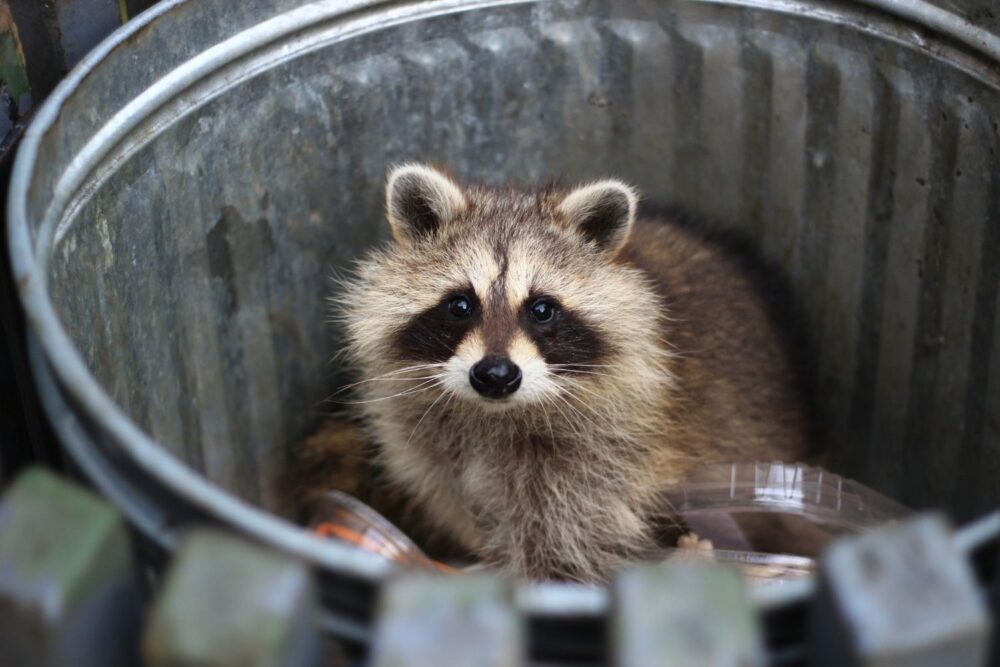
As cities expand, some wild animals struggle, but others adapt remarkably well. These adaptable species learn to forage in trash bins, shelter in attics, and navigate human-built environments with ease.
Their success brings them into frequent, close contact with people. Over time, this increases the chances of bites, scratches, and other injuries, often during moments when humans feel safe and familiar with their surroundings.
4. Most injuries happen during ordinary interactions

Many wildlife injuries occur when people try to feed animals, move them, or protect pets. Others happen when animals feel cornered or startled in tight spaces like garages or porches.
These encounters rarely feel dangerous in the moment. That false sense of safety is part of the problem, as people may not recognize warning signs until an injury has already occurred.
5. The animal involved isn’t a predator at all

The animal most often linked to human injuries isn’t large, fast, or intimidating. It doesn’t hunt people or stalk neighborhoods. Instead, it’s small, clever, and extremely comfortable living alongside humans.
Its injuries typically come from bites and scratches during close encounters. These incidents are rarely fatal, but they are common enough to dominate injury statistics in many regions.
6. Raccoons thrive where humans live

Raccoons are uniquely suited to urban and suburban life. They are highly intelligent, dexterous, and able to exploit human food sources with ease. Trash cans, pet food, gardens, and compost piles all provide reliable meals. Because raccoons live so close to people, encounters are frequent.
Most injuries occur when someone tries to chase one away, rescue an injured animal, or intervene in a conflict involving pets. Raccoons are not aggressive by nature, but they will defend themselves quickly when startled or cornered.
Their sharp teeth and claws make even brief encounters risky, especially when people underestimate how stressed or frightened the animal may be.
Follow us and access great exclusive content every day
7. Disease risk adds another layer of concern
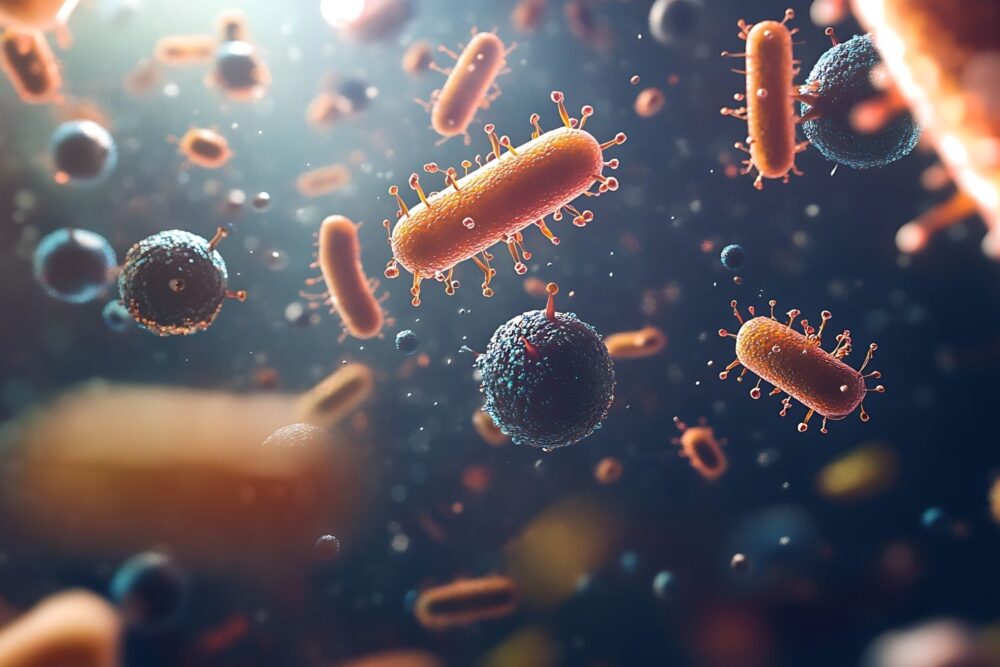
Beyond physical injuries, raccoon encounters carry health risks. Raccoons are known carriers of rabies in many regions, as well as other pathogens that can spread through bites or scratches.
Even minor wounds can require medical attention because of infection risk. This is one reason raccoon-related injuries are taken seriously by public health officials, even when the physical damage appears small.
8. Pets often trigger human injuries

Many raccoon injuries happen indirectly. A dog chases a raccoon, a cat corners one, or a pet gets into a fight. When humans step in to break it up, they are often bitten or scratched.
These moments escalate quickly, leaving little time to react safely. The animal is already stressed, and human intervention can increase the perceived threat.
9. Why raccoon encounters are increasing

Urban expansion, warmer winters, and abundant food sources have all contributed to rising raccoon populations in populated areas. As their numbers grow, so do encounters.
This trend suggests injuries are likely to remain common unless people change how they interact with wildlife in shared spaces.
10. Simple habits can reduce the risk

Securing trash, avoiding direct contact, and keeping distance during encounters significantly lowers injury risk. Educating children not to approach wildlife is also critical.
Most injuries are preventable when people understand that familiarity doesn’t equal safety.
11. The caution for living alongside wildlife
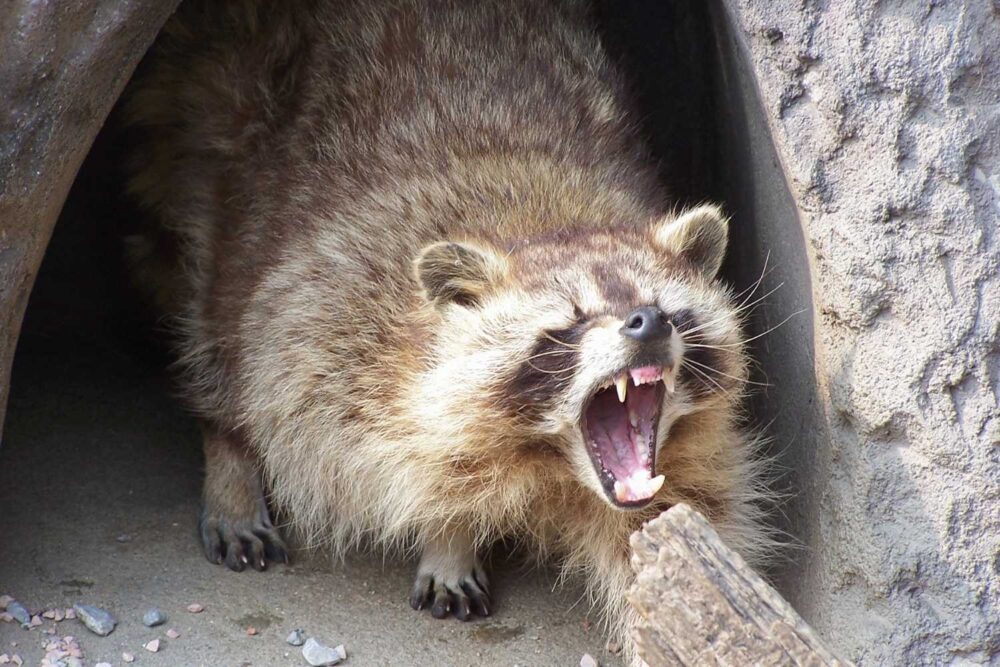
The biggest risk from wildlife doesn’t come from rare predators but from common animals we see all the time. Raccoons injure people not because they are unusually dangerous, but because they live so close to us.
Recognizing that proximity creates risk is the first step. Treating everyday wildlife with caution, even when it seems harmless, can prevent injuries before they happen.