
Common behavior changes in older dogs that are easy to miss, and why they matter.
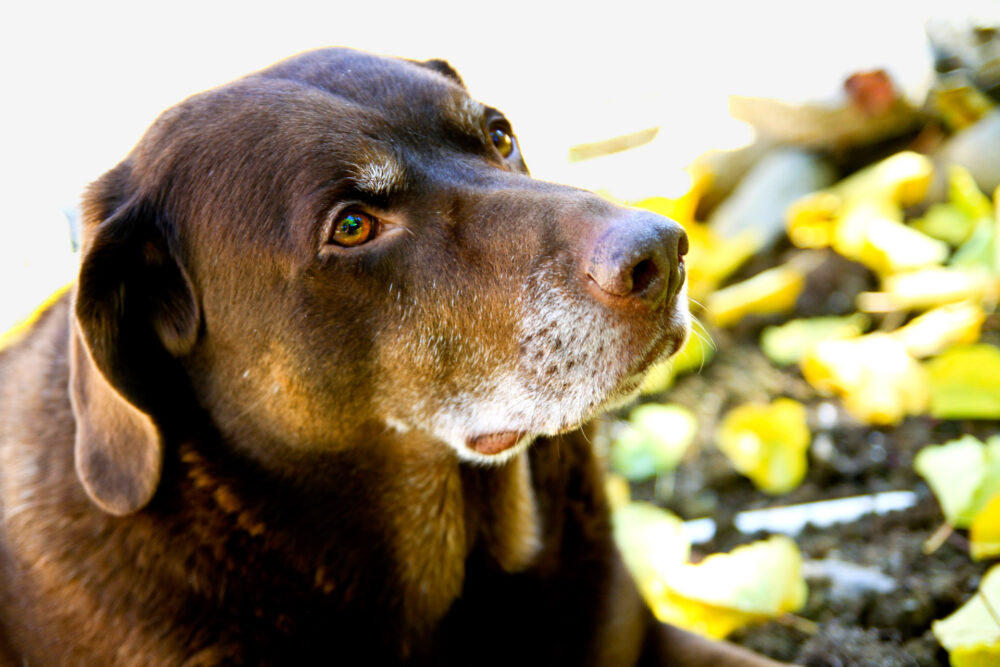
As dogs live longer, many owners are noticing changes that feel more than just “slowing down.” In recent years, researchers studying canine aging have found that a condition known as canine cognitive dysfunction is far more common than once believed.
The condition, often compared to dementia in humans, affects memory, awareness, sleep patterns, and behavior. According to research summarized in late 2024 and 2025, a significant portion of dogs over the age of 10 show at least one sign of cognitive decline, even if it hasn’t been recognized as such.
What makes this especially important is how easily these changes can be overlooked. Many people assume their dog is simply getting older, when subtle shifts in behavior may signal something deeper. Understanding what’s normal aging and what’s not can help owners respond with patience, adjustments at home, and informed conversations with a veterinarian.
Click through to learn if your furry friend is showing signs of dementia.
When Familiar Routines Start to Break Down

One of the earliest signs owners notice is confusion around routines that once felt automatic. A dog may hesitate at the door, seem unsure where their food bowl is, or forget cues they’ve known for years. These moments can feel random at first, but over time they often become more frequent, signaling changes in how the brain processes familiar information.
Follow us and access great exclusive content every day
Changes in Sleep That Affect the Whole Household

Dogs with cognitive decline often experience disrupted sleep cycles. They may nap more during the day and become restless at night, pacing or vocalizing when the house is quiet. For owners, this can be one of the most noticeable shifts, especially when a dog who once slept peacefully suddenly seems unsettled after dark.
Seeming Lost in Familiar Places

Some dogs begin to appear disoriented in spaces they’ve known their entire lives. They may get stuck behind furniture, stare at walls, or seem unsure how to navigate around the home. These moments aren’t stubbornness or anxiety — they reflect changes in spatial awareness that can develop as cognitive function declines.
Follow us and access great exclusive content every day
Personality Shifts That Feel Out of Character

A friendly dog may become withdrawn, while a calm dog may grow unusually irritable. Some dogs seek less interaction, while others become unusually clingy. These changes can be confusing and emotional for owners, especially when a dog’s personality has been consistent for many years.
Accidents That Seem to Come Out of Nowhere

House-trained dogs may suddenly have accidents indoors. This isn’t always a physical issue. Cognitive decline can interfere with a dog’s ability to recognize signals from their body or remember where they’re supposed to go. When this happens, it’s often frustrating, but it’s rarely intentional.
Follow us and access great exclusive content every day
How Cognitive Decline Can Affect Daily Awareness

As cognitive dysfunction progresses, dogs may respond more slowly to their names, appear less engaged with their surroundings, or struggle to focus during walks or playtime. This reduced awareness can make everyday activities feel different, even if the dog still enjoys familiar comforts.
This stage is often when owners begin to realize something deeper is happening. The dog may still recognize loved ones, but their reactions feel delayed or muted.
Simple interactions take more time, and cues that once brought excitement may now pass unnoticed. While these changes are subtle, they can reshape the rhythm of daily life.
Why These Changes Are Often Missed
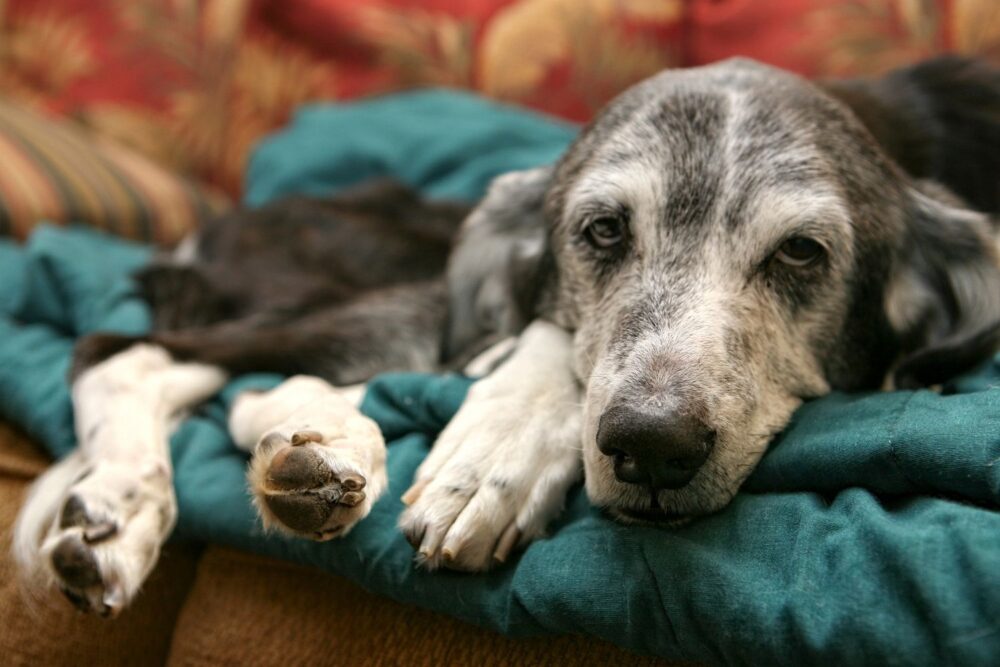
Many signs of dog dementia overlap with what people expect from normal aging. Slower movement, longer naps, and less playfulness can all feel reasonable for an older dog. Because the changes happen gradually, it’s easy to adapt without realizing how much has shifted over time.
What Helps Dogs Cope Day to Day

Consistency becomes especially important. Keeping furniture in the same place, maintaining regular routines, and offering gentle mental stimulation can help dogs feel more secure. Small adjustments, like clearer pathways or predictable schedules, can reduce stress and confusion at home.
Follow us and access great exclusive content every day
Why Noticing Patterns Matters More Than Single Moments

One forgotten cue doesn’t mean cognitive decline. What matters is repetition. When confusion, sleep disruption, or personality changes become regular patterns, it’s worth paying closer attention. Tracking changes over time helps owners better understand what their dog is experiencing.
A Different Way of Growing Old Together

Cognitive decline doesn’t erase a dog’s bond with their family. Many dogs remain affectionate and emotionally connected even as their memory and awareness change. Recognizing what’s happening allows owners to respond with patience rather than frustration, making the later years more comfortable for everyone involved.