
A deep underground feature could reveal why this Atlantic island doesn’t behave like others.
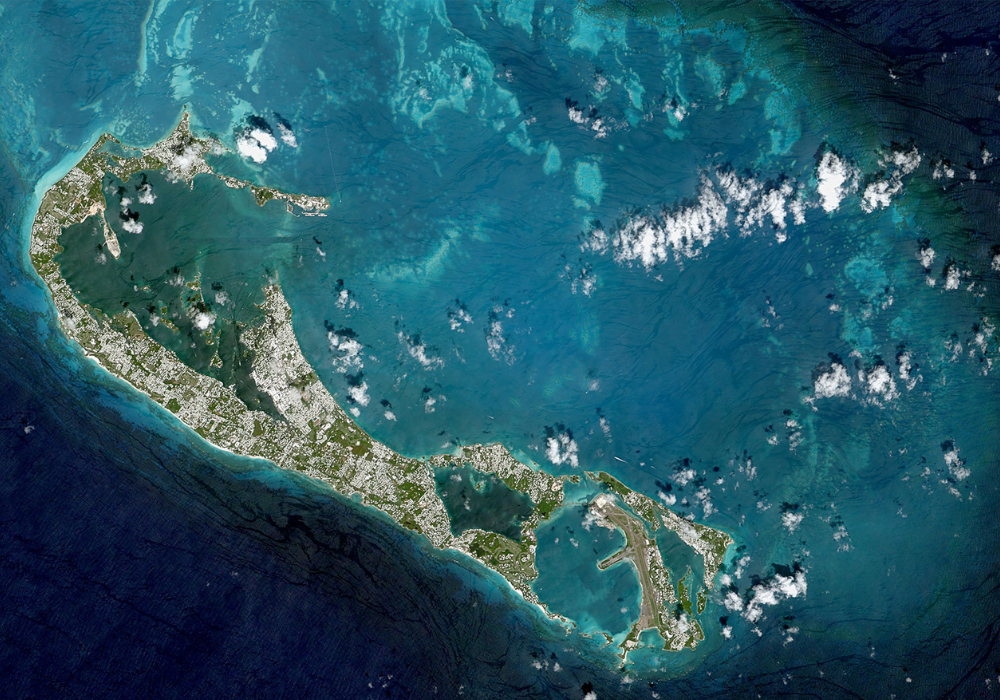
Bermuda has long puzzled geologists. Unlike most islands, it doesn’t sit near a tectonic plate boundary, and it isn’t part of a classic volcanic hotspot chain like Hawaii. Yet it rises alone from the Atlantic Ocean, capped with limestone and surrounded by unusually shallow waters. For decades, its origin has been difficult to explain.
New geophysical research is now offering a clearer picture. By analyzing gravity and seismic data, researchers identified a massive, unusually thick structure buried deep beneath Bermuda. This hidden feature appears to act like a geological support system, shaping how the island formed and helping it remain above sea level.
The finding matters because it challenges long-held ideas about island formation. It also sheds light on Bermuda’s unusual landscape and highlights how deep Earth processes can quietly shape the surface world.
Click through to find out what’s going on beneath Bermuda.
An Island That Never Quite Fit
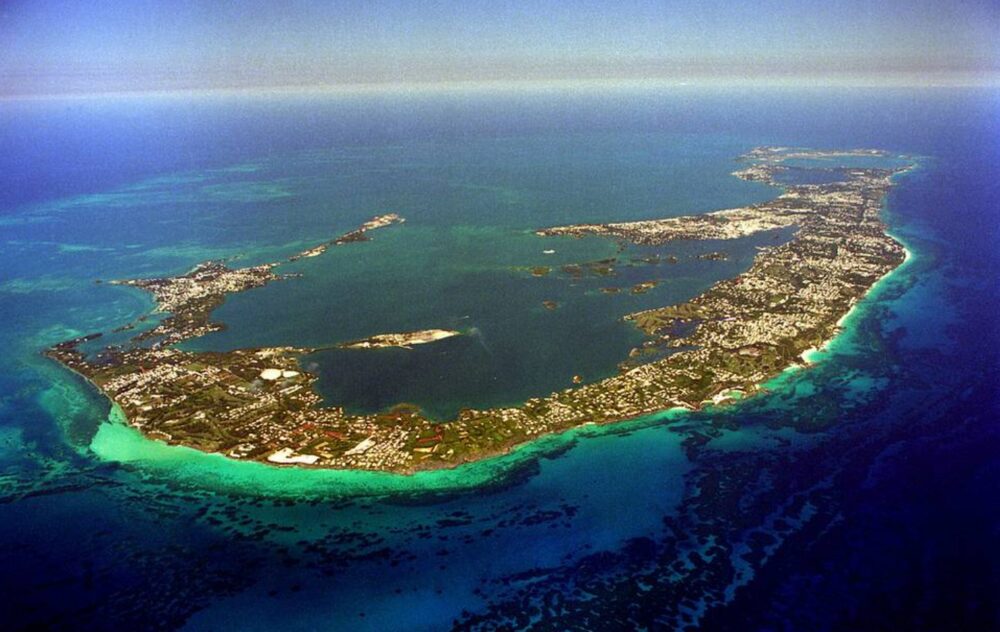
Most islands follow familiar patterns. They form along tectonic plate boundaries, above volcanic hotspots, or through coral growth on sinking land. Bermuda doesn’t match any of those models cleanly. It sits far from plate edges and lacks dramatic volcanic chains, making it a long-standing geological outlier.
Follow us and access great exclusive content every day
Something Unusual Beneath the Seafloor
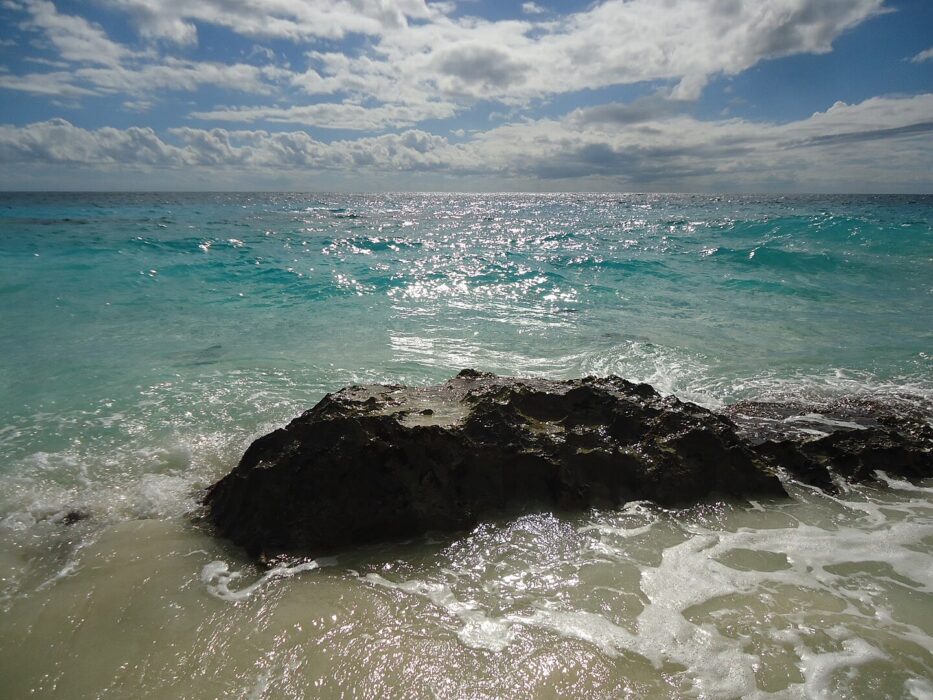
Far below Bermuda lies a thick, buoyant structure embedded in Earth’s mantle. It is significantly thicker than the surrounding oceanic crust. This underground feature acts like a support column, helping lift the island higher than nearby seafloor and keeping it from sinking over time.
A Foundation Built Deep in Earth’s Past

The structure likely formed millions of years ago when hot mantle material rose upward and cooled beneath the region. Over long periods, this process created a stable, thick base. Later volcanic material and limestone layers accumulated on top, slowly building the island we see today.
Follow us and access great exclusive content every day
Why Bermuda Stayed Above Water

Most oceanic crust cools, becomes denser, and sinks as it ages. Bermuda avoided that fate. The thick structure beneath it provides extra buoyancy, counteracting the natural sinking process. This added support explains why Bermuda remains exposed while surrounding areas lie deep beneath the Atlantic.
A Shallow Platform With a Deep Explanation
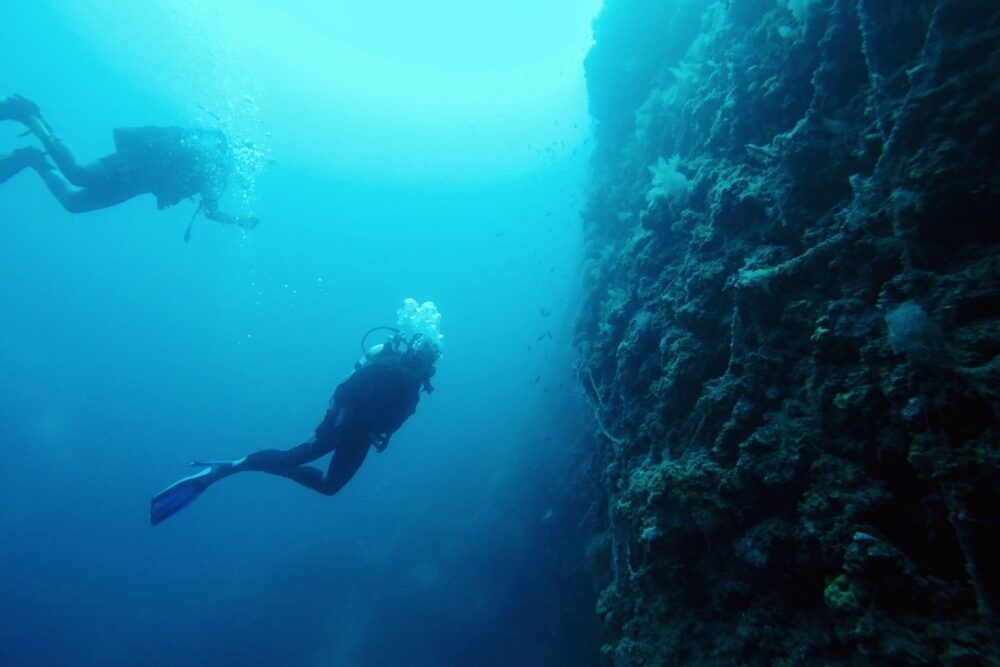
Bermuda isn’t surrounded by a steep volcanic cone. Instead, it sits on a wide, shallow platform that stretches far beyond the visible island. This shape has long confused geologists.
The newly identified deep structure offers a clearer explanation. By lifting a broad section of crust from below, it created a wide foundation rather than a narrow peak. That foundation allowed limestone reefs to grow outward over time as sea levels rose and fell.
For people visiting or living on Bermuda, this helps explain the island’s wide shallows, turquoise waters, and stable coastline. What looks like a surface feature is actually the result of slow, powerful forces deep inside Earth working over millions of years.
Follow us and access great exclusive content every day
A Broader Rethink of Island Formation

This discovery suggests islands don’t always need plate boundaries or classic hotspots to exist. Deep mantle structures alone may be capable of creating long-lasting landmasses. That expands how geologists think about island formation across the globe.
Seeing What Can’t Be Seen Directly
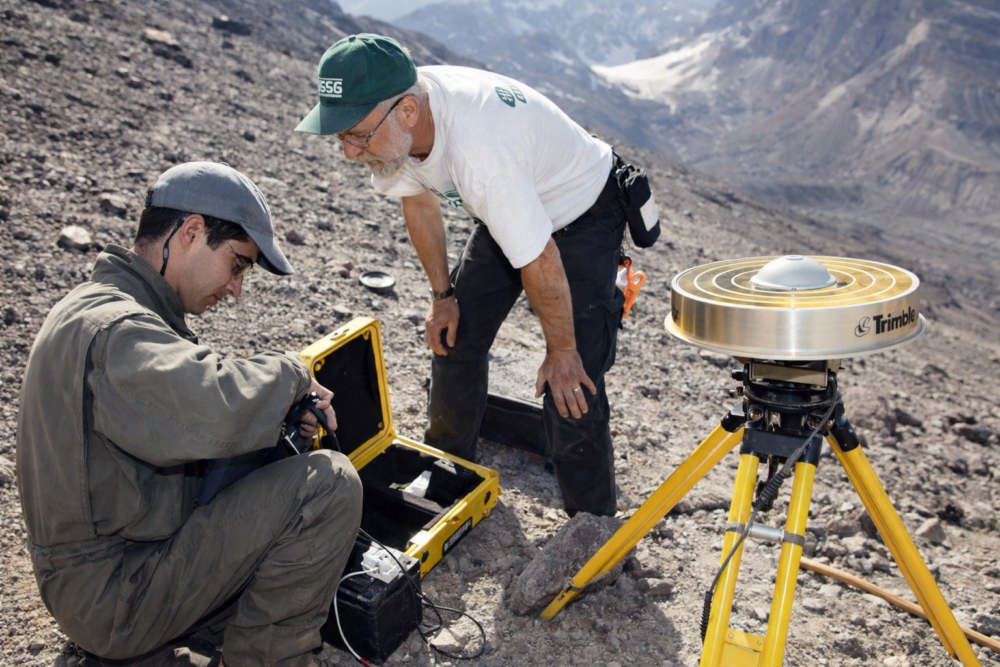
The structure wasn’t observed directly. Instead, it was identified using gravity measurements and seismic data, which reveal how mass is distributed underground. These tools allow researchers to map features tens of kilometers below the surface without drilling.
Clues Written Across Bermuda’s Landscape

Bermuda’s rolling hills and thick limestone layers now make more sense. The island wasn’t shaped by explosive eruptions. Instead, it developed slowly on a stable base, molded by erosion, coral growth, and changing sea levels.
Follow us and access great exclusive content every day
Why Bermuda Matters Beyond the Island
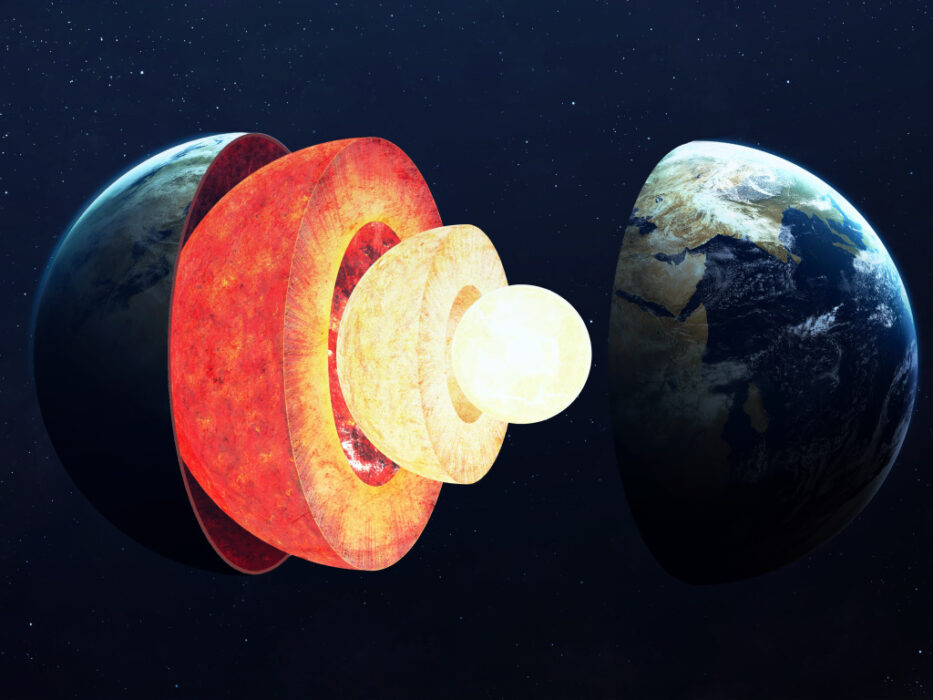
Understanding Bermuda helps refine models of Earth’s interior. If deep mantle features can support islands in unexpected places, similar structures may exist elsewhere. Bermuda may be one visible example of a broader geological process.
What This Reveals About the Planet Beneath Us

Bermuda’s hidden structure is a reminder that Earth’s surface tells only part of the story. Islands, mountains, and coastlines often begin deep underground. Modern tools are finally revealing how those quiet forces have shaped the planet over immense spans of time.