
How charging stations, curb space, and parking rules are reshaping everyday urban travel.
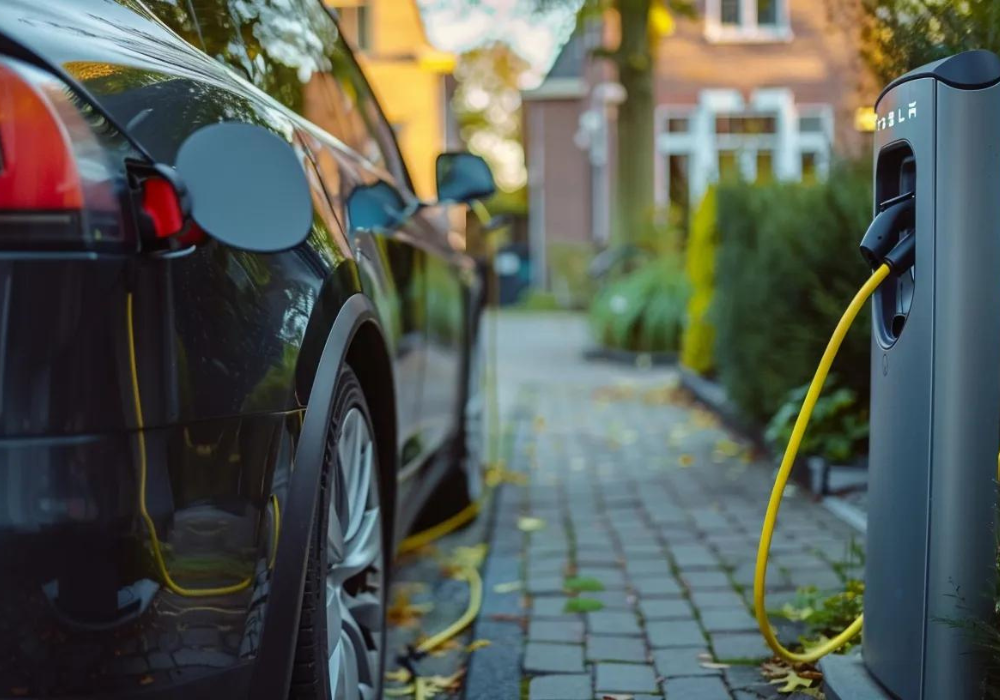
If you drive, walk, bike, or take transit in a city, electric vehicles are already changing how your streets work, even if you have not noticed it yet.
The shift is not happening all at once, and it is rarely announced with fanfare. Instead, small adjustments slowly add up: a new charging pole near your apartment, a parking sign that suddenly includes EV-only rules, a curb space that no longer works the way it used to.
These changes are not abstract climate goals; they shape where you park, how long you stay, and how easily you move through your neighborhood. This gallery traces those changes step by step and shows what the rise of electric vehicles really means for your daily routine.
Click through to see how EV’s will impact your local streets and neighborhoods.
It Often Starts With A Charger On Your Block
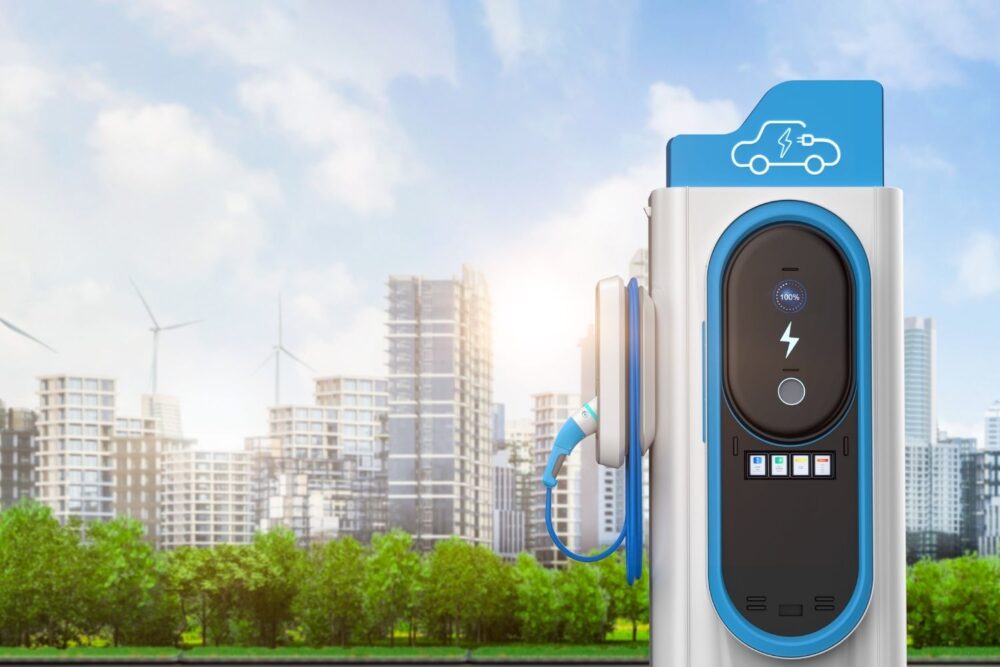
For many residents, the first sign of change is a new curbside charger taking over a familiar parking space. That single piece of hardware redirects how people park, where they walk, and how long they linger on the block.
Even drivers who never plan to buy an electric vehicle suddenly have to adjust to a curb that now serves a different purpose.
Follow us and access great exclusive content every day
Parking Gets More Competitive And Regulated

Parking rules tighten once chargers arrive. New signs limit some spaces to EVs, active charging, or shorter time windows. Drivers who relied on those spots must rethink errands, visits, and daily routines.
EV owners gain convenience, but everyone else faces a more strategic, less predictable search for a place to leave the car.
Follow us and access great exclusive content every day
Your Neighborhood Changes Before Downtown Does

Change often hits residential streets before busy downtown corridors. Older neighborhoods and apartment-heavy areas need on-street charging the most, so they see new equipment and rules first.
Neighbors start debating fairness, visual clutter, and who benefits. Policy stops feeling distant and suddenly shows up right outside their front doors.
The Curb Becomes Shared Space, Not Just Parking
Curb space used to be simple: you parked and left the car. Now it has to juggle charging, deliveries, ride pickups, drop-offs, and short stops.
More uses bring more signs, painted curbs, and designated zones. The edge of the street becomes an actively managed resource, and that constant activity changes how busy or calm a block feels throughout the day.
Follow us and access great exclusive content every day
Quieter Cars Change How Safe The Street Feels
Electric vehicles reshape the sound of the street as much as its look. Without a traditional engine, many cars glide through neighborhoods with far less noise than older vehicles. The quiet can feel peaceful until someone steps off a curb assuming they would hear a car first and discovers that silence is no longer a reliable warning.
Children, older adults, and people who rely heavily on sound are especially vulnerable in driveways, parking lots, and low-speed intersections where they once depended on engine noise. Cities are experimenting with clearer markings, lower speeds, and added alerts on some vehicles, but those solutions do not cover every street.
For now, anyone who walks or bikes has to rely more on deliberate scanning and eye contact, not just the background roar of traffic, and drivers must assume others may not hear them coming.
Bike Lanes And EVs Compete For Street Space
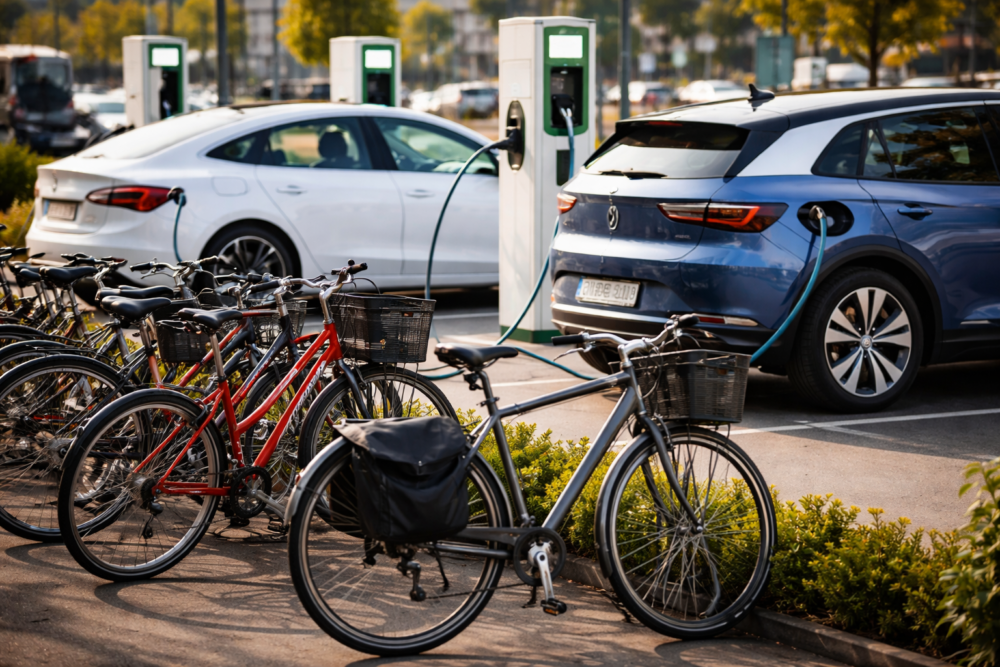
Road space is finite, and cities are trying to fit more into the same width. As bike lanes and bus lanes expand, EV chargers and dedicated EV parking also appear along the curb. Something has to move.
Sometimes the trade-off is a narrower driving lane; other times, it is the loss of a row of all-day parking. Drivers feel slower or more constrained trips, while cyclists and transit riders often experience fewer conflicts and a greater sense of protection.
Deliveries And Services Reshape How Streets Function
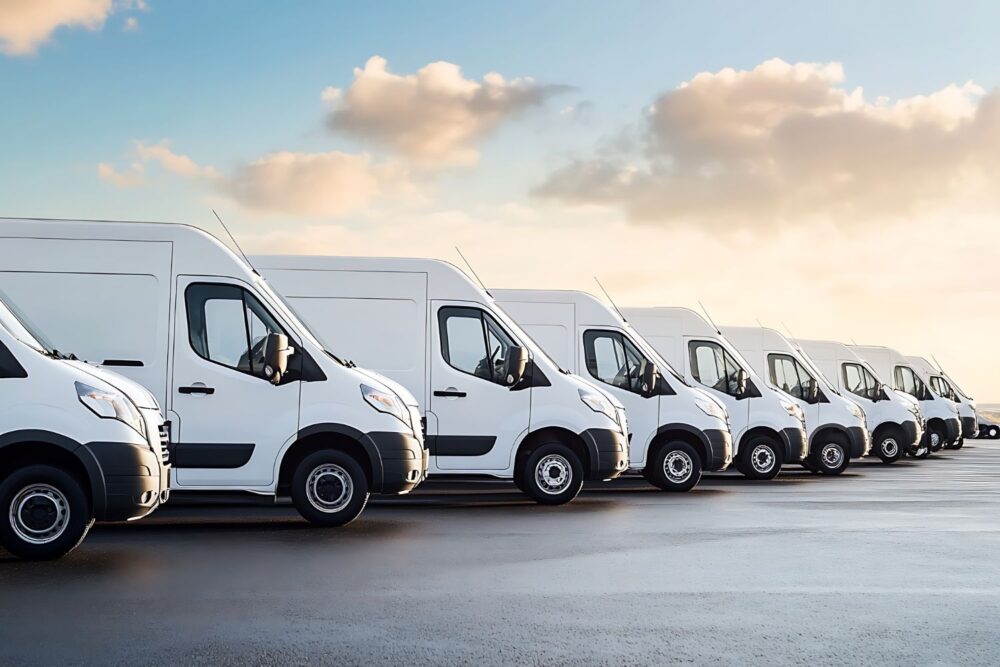
Electric delivery vans, ride-hail vehicles, and service fleets also need reliable places to stop and charge. To keep goods and services moving, cities rethink loading zones and short-term curb use. Trucks begin parking in different locations, and service vehicles linger where they never did before.
Busy corridors see more frequent pull-ins and pull-outs, turning the street into a moving logistics hub rather than a static row of parked cars.
Follow us and access great exclusive content every day
Equity Questions Shape Which Streets Change Next
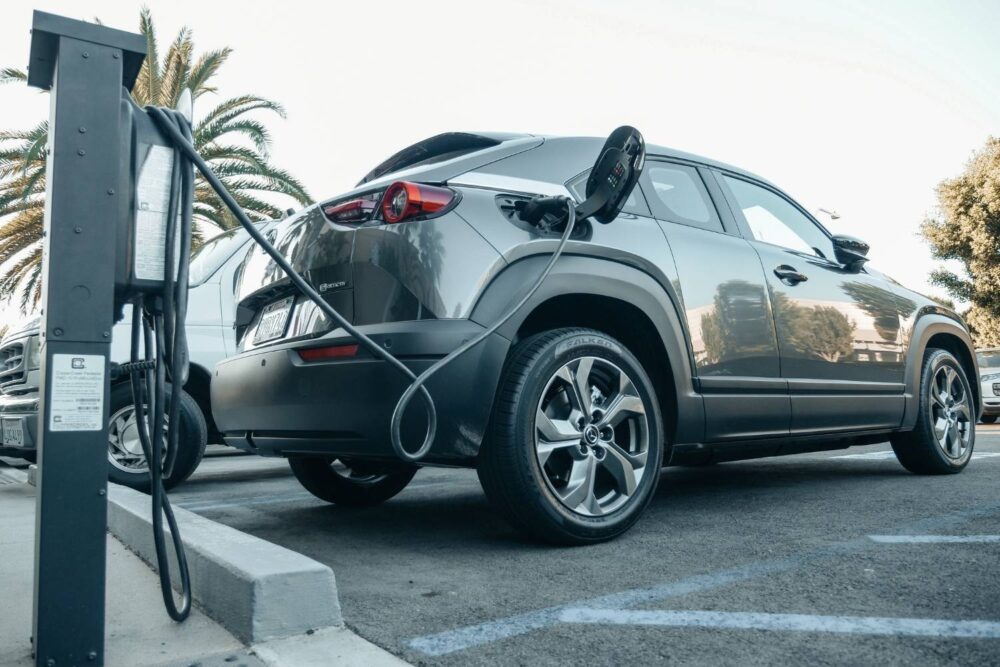
Each new charger raises a question: why here and not somewhere else? Neighborhoods that long missed out on investment now press for fair access to clean transportation infrastructure. Others worry that upgrades cluster in areas that already have better services.
Where chargers land can influence home values, commute options, and how easy it is to live without a gas car. The street outside a home becomes part of a broader conversation about who gets modern infrastructure first.
Traffic Quietly Adjusts Around Charging Demand
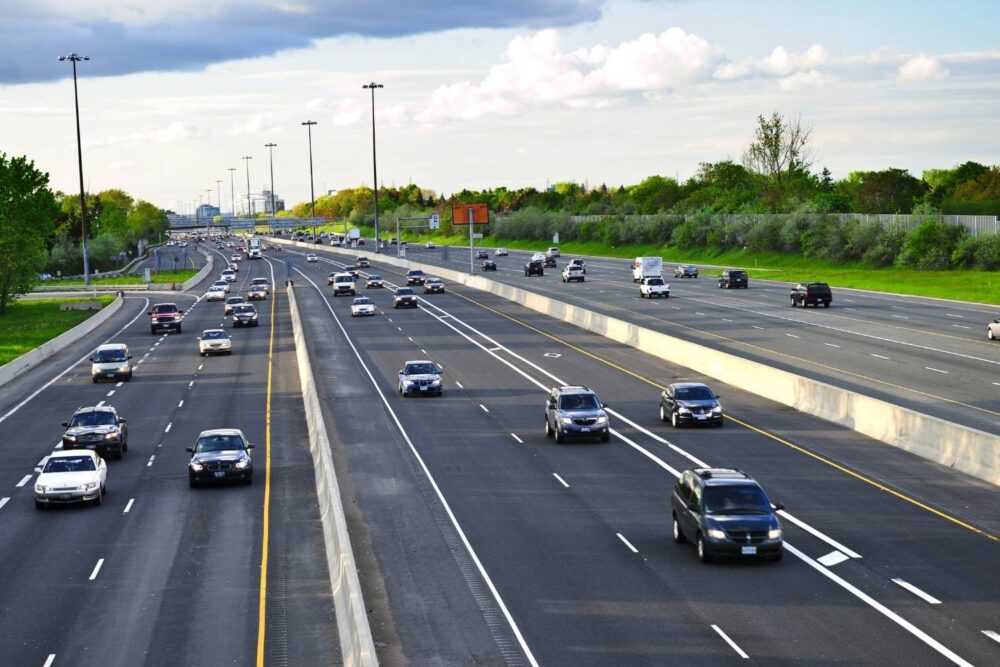
Popular charging spots attract more cars, even if only for short visits. Over time, those patterns encourage subtle changes in how traffic moves near them.
A city may retime a signal, add a turn restriction, or adjust lane markings around a busy charging cluster. Residents sense that familiar routes feel a little different but may not realize those tweaks are responding to where and when drivers plug in.
Follow us and access great exclusive content every day
Signs And Rules Demand More Attention From Drivers
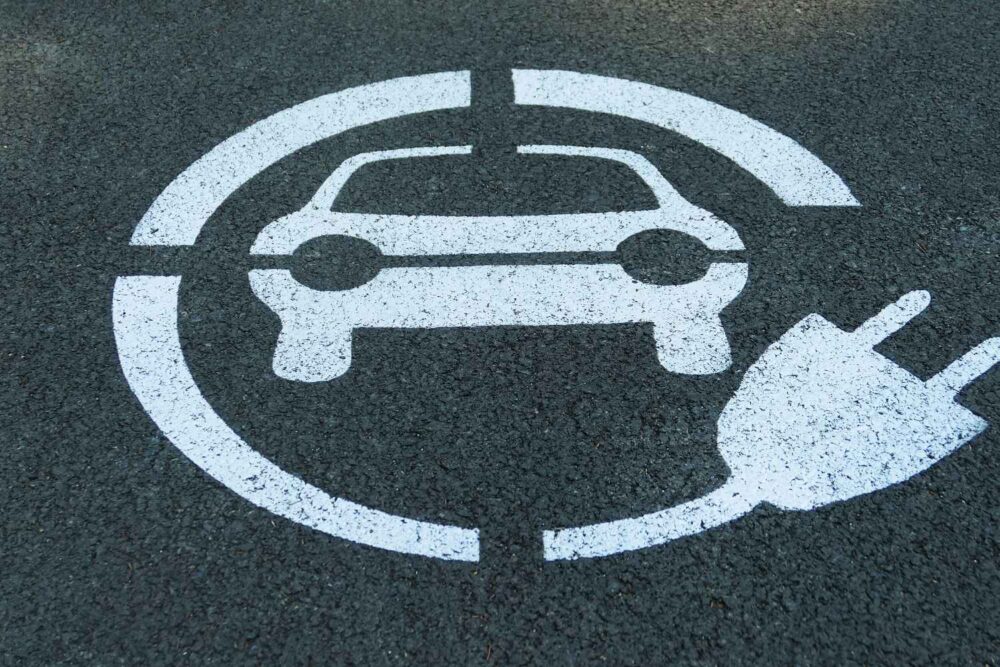
Rules that once fit on a simple “two-hour parking” sign now come with conditions: EV only, charging required, different limits by time of day or day of week. Drivers have to slow down, read carefully, and check assumptions that used to feel automatic.
A street they thought they knew can no longer be treated on autopilot, because guessing wrong may mean a ticket, a tow, or blocking someone’s only nearby charger.
Temporary Experiments Gradually Become Permanent
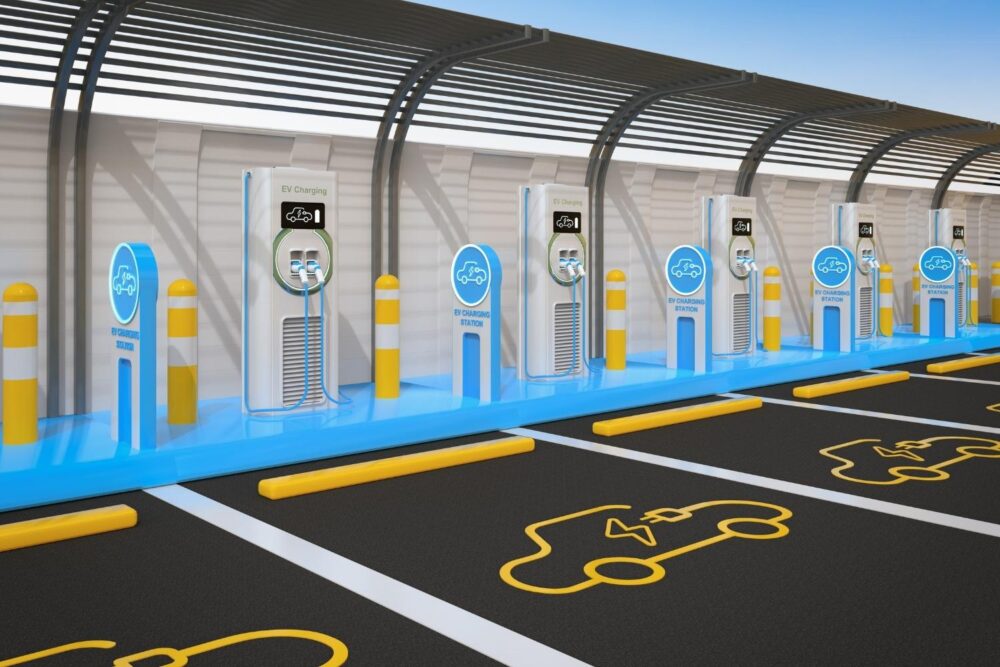
Many EV-related changes start with pilot projects and temporary hardware. Bright cables, cones, test zones, and short-term chargers appear with the promise that nothing is final. The experiments that work stay.
Over a few years, add-on by add-on, a street can end up looking and operating very differently from the version people remember. No single change feels dramatic, but together they quietly remake the public space.
Your Everyday Street Becomes Part Of Climate Policy

What looks like a local parking tweak is often part of a much larger plan. Cities are under pressure to cut emissions, clean up air, and make travel more efficient. Adjusting lanes, curbs, and charging access is one way they nudge how people move without banning options outright.
Little by little, those design choices shift more trips toward cleaner vehicles, shared rides, bikes, and transit. The street you use every day becomes a visible piece of how your city is trying to build a lower-carbon future.