
Decode the eerie glow: what’s really causing purple streetlights, how safe they are, and what to do if you see them.

Across the United States and Canada, drivers have started noticing something strange on their usual routes: familiar white streetlights slowly shifting to an eerie purple glow. What looks like a deliberate aesthetic choice is usually a manufacturing defect in certain batches of LED fixtures, where the outer phosphor coating fails and exposes the bluish-violet light underneath.
In some cities, the purple lamps have sparked conspiracy theories about surveillance or secret signals, but transportation departments insist they are simply faulty bulbs that need to be replaced.
Until they’re fixed, though, these lights can change how well drivers see road markings and pedestrians at night, and they may even affect how safe people feel walking in certain neighborhoods. Here’s why the problem is happening, where it’s showing up, and what you should do if you spot purple streetlights on the roads you travel most often.
Click through to learns what’s behind the purple glow.
1. What’s Really Behind The Purple Glow
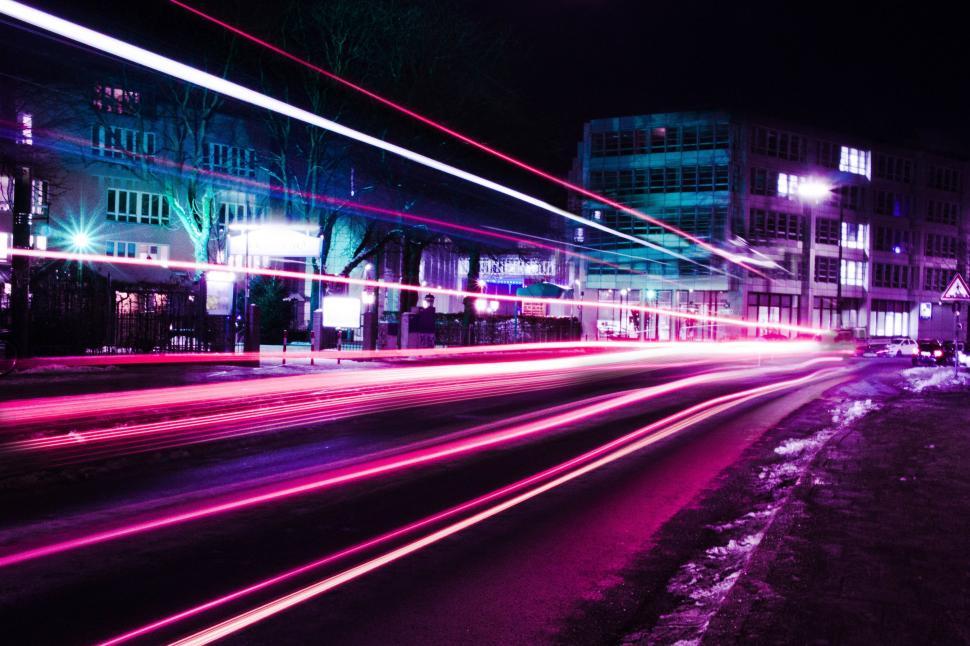
In most cases, purple streetlights are not new “mood lighting” but older LED fixtures whose white phosphor layer has degraded, letting more blue and violet wavelengths leak through. Transportation agencies have identified specific defective product lines and are gradually swapping them out, often under warranty, rather than changing lighting policy on purpose.
Follow us and access great exclusive content every day
2. Where Purple Streetlights Are Showing Up
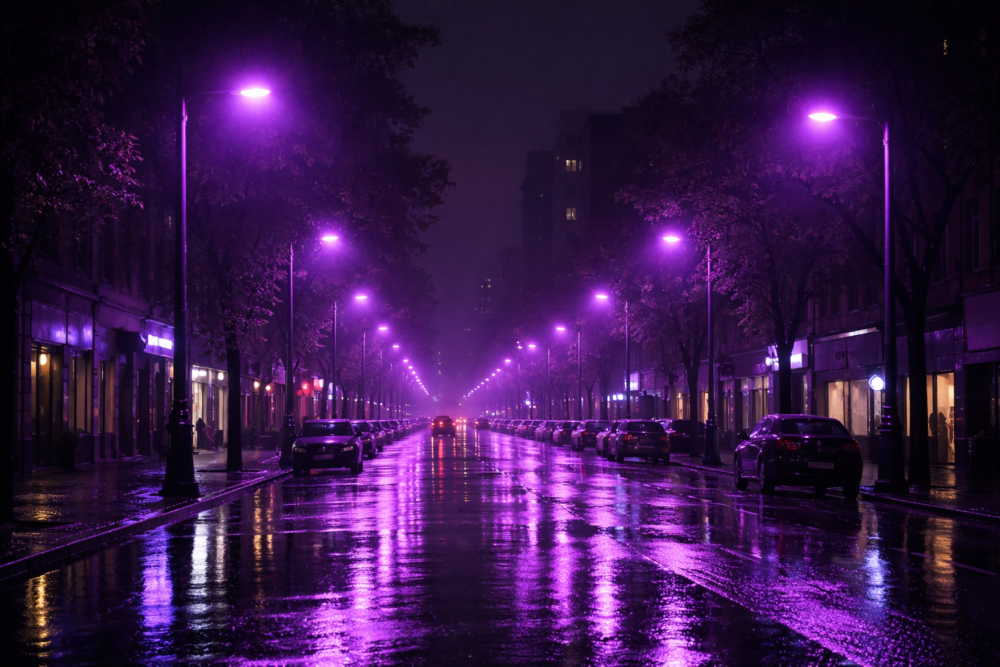
Cities and suburbs in many U.S. states and parts of Canada have reported clusters of purple streetlights along highways, major arterials, and neighborhood streets. Local officials and utilities have logged large numbers of affected fixtures in some regions, turning the unusual glow into a widespread infrastructure issue rather than a quirky one-off
3. Do Purple Streetlights Affect Nighttime Safety?
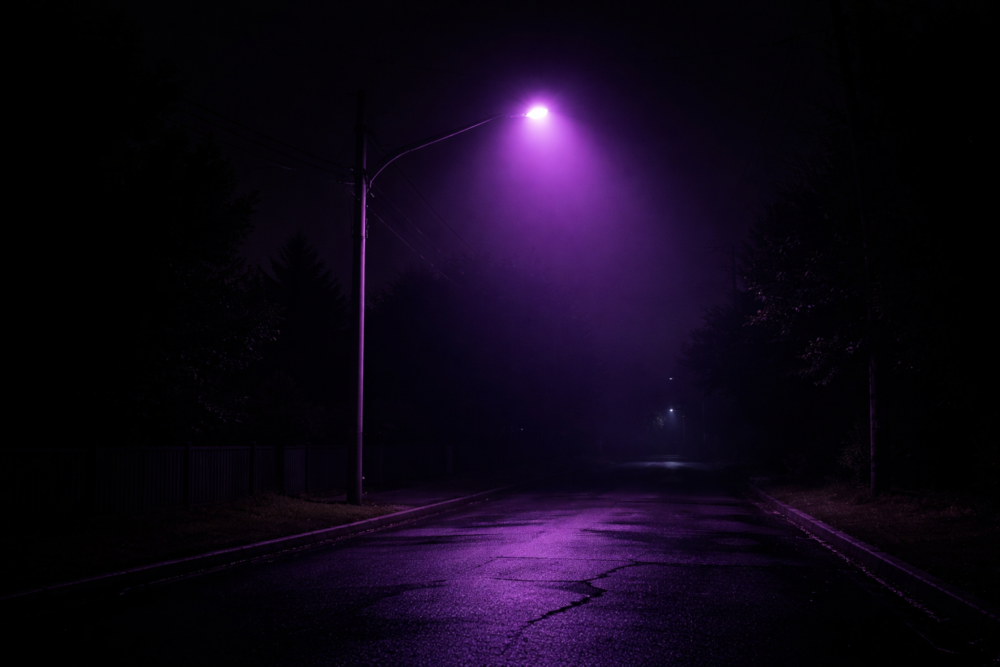
The shift in color can alter how drivers perceive contrast, lane markings, and pedestrians, especially in areas where multiple purple fixtures appear in a row. Transportation officials often say the lights still meet basic illumination standards, but many acknowledge they prefer to replace them quickly because the unusual hue can be distracting and may reduce comfort and confidence for drivers and people on foot.
Follow us and access great exclusive content every day
4. Why Cities Switched To LEDs In The First Place
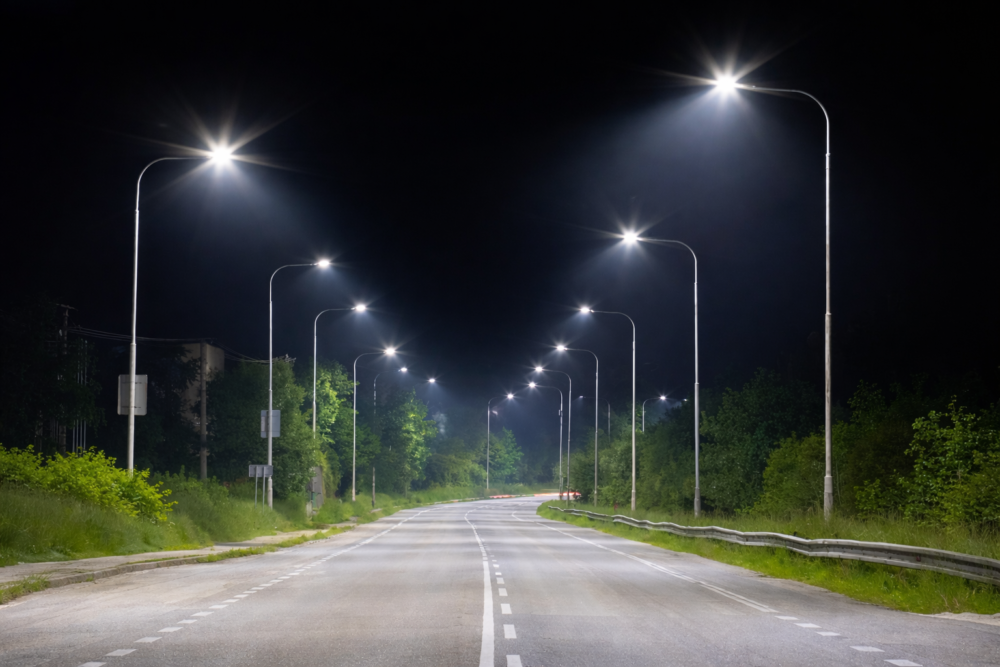
Municipalities have spent years replacing older high-pressure sodium lamps with LEDs to cut energy use, reduce maintenance costs, and improve reliability. The purple defect is tied to certain batches of products and specific manufacturing problems, not to LED streetlighting as a whole, so cities are continuing LED upgrades while pressing manufacturers to honor warranties and fix problem units.
5. The Science: How White Lights Turn Purple
Engineers have found that the purple shift is caused by a failure in the thin silicone-phosphor layer that converts harsh blue LED light into a softer white. Over time, heat, UV exposure, or material flaws can cause that layer to crack, delaminate, or peel away, letting more blue and violet wavelengths shine directly from the chip; when failed modules are examined, the coating is often brittle, fractured, or pulled back, explaining the sudden color change.
6. Conspiracy Theories Versus Reality

Online discussions have blamed purple streetlights on everything from secret surveillance systems to experimental health or wildlife lighting. Utilities and transportation departments consistently describe the lamps as defective fixtures being replaced under warranty rather than part of a new tracking network or covert signaling system.
7. What Transportation Departments Are Doing About It

Many cities have traced the issue to specific LED product lines and are cataloging every purple fixture as part of warranty and replacement programs. Because some regions installed thousands of the affected units, replacements often happen in phases, so residents may see purple lights appear, spread, and then gradually disappear from the same corridors over several years as crews work through the backlog.
Follow us and access great exclusive content every day
8. Why The Purple Glow Bothers Some Drivers
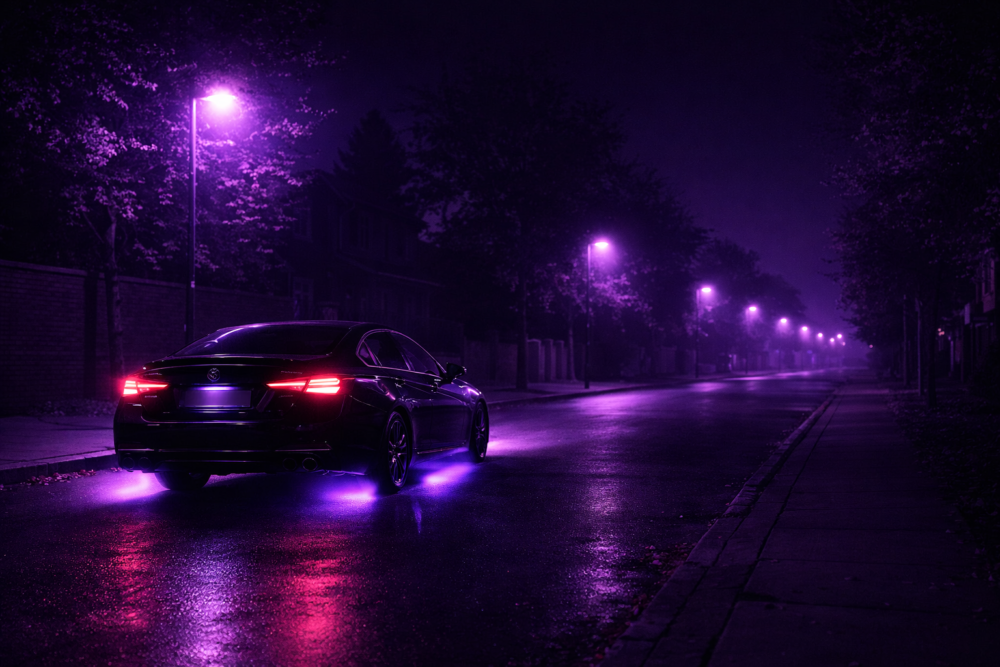
Lighting specialists note that purple or bluish light can feel harsher, create more perceived glare, and make it harder for some people to judge distance and detail at a glance. On roads with many discolored fixtures in a row, that effect can be especially noticeable, which is why safety advocates and some local officials push for quicker replacements in busy intersections, pedestrian-heavy corridors, and high-speed routes.
9. How To Report Purple Streetlights In Your Area

If you spot a purple streetlight, most cities want you to report it just as you would a flickering, damaged, or burned-out lamp. Residents are usually asked to provide a nearby address, intersection, or pole ID number through a city website, service app, or utility hotline so crews can find and document the faulty fixture quickly.
10. What It Really Means For Your Neighborhood
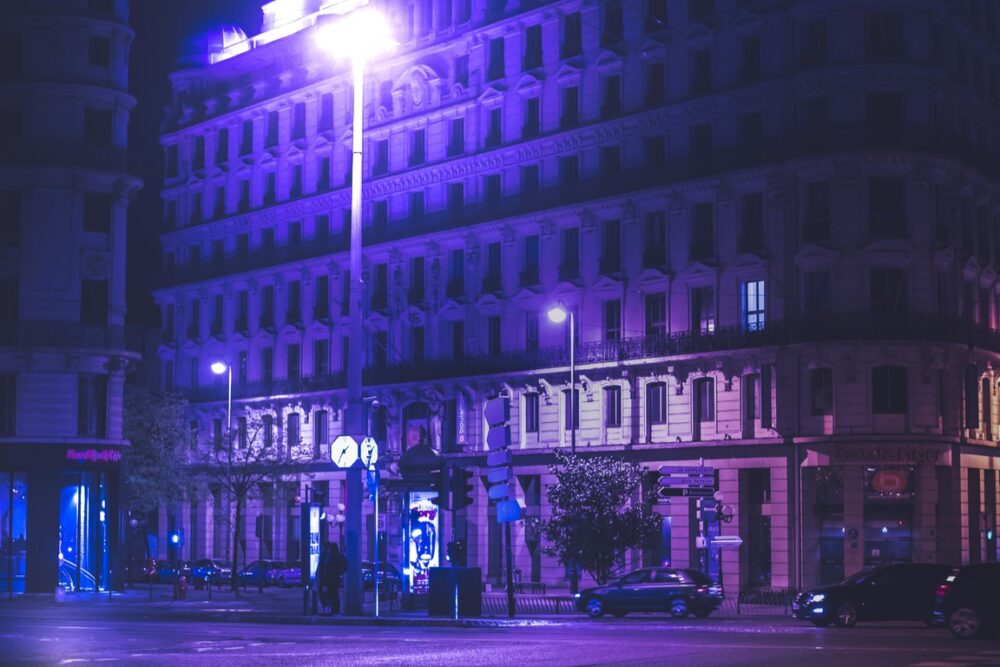
Purple streetlights are a reminder that even quiet infrastructure upgrades can have unexpected quirks—and can fuel anxiety when people don’t know what they’re seeing. For most neighborhoods, they’re a temporary side effect of the shift to LEDs, not a hidden danger, but they’re worth reporting so streets stay well lit, comfortable to drive, and safe to walk after dark.