
A massive new bridge is helping animals cross safely where crashes once happened daily.
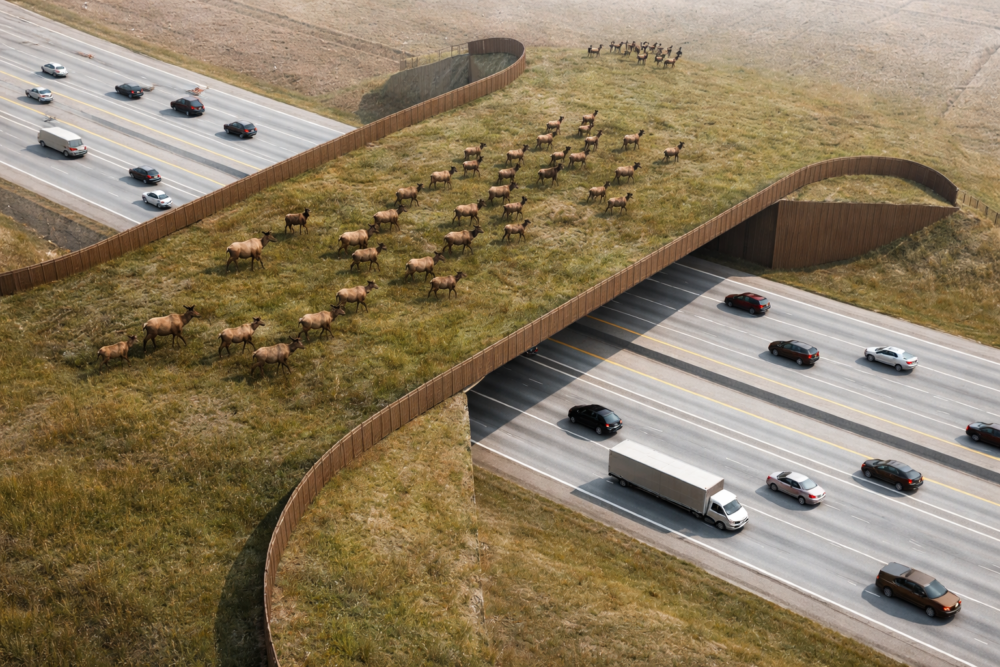
Drivers traveling between Denver and Colorado Springs may notice traffic flowing as usual, but something historic has quietly changed above Interstate 25. Colorado has opened the largest wildlife overpass in North America, a massive structure built to help animals safely cross one of the region’s busiest highways. For decades, this stretch of road has been notorious for wildlife collisions. Officials say the new overpass could dramatically reduce crashes, reconnect migration routes, and become a model for how highways and wildlife can coexist.
1. A Dangerous Stretch of Highway Prompted the Project
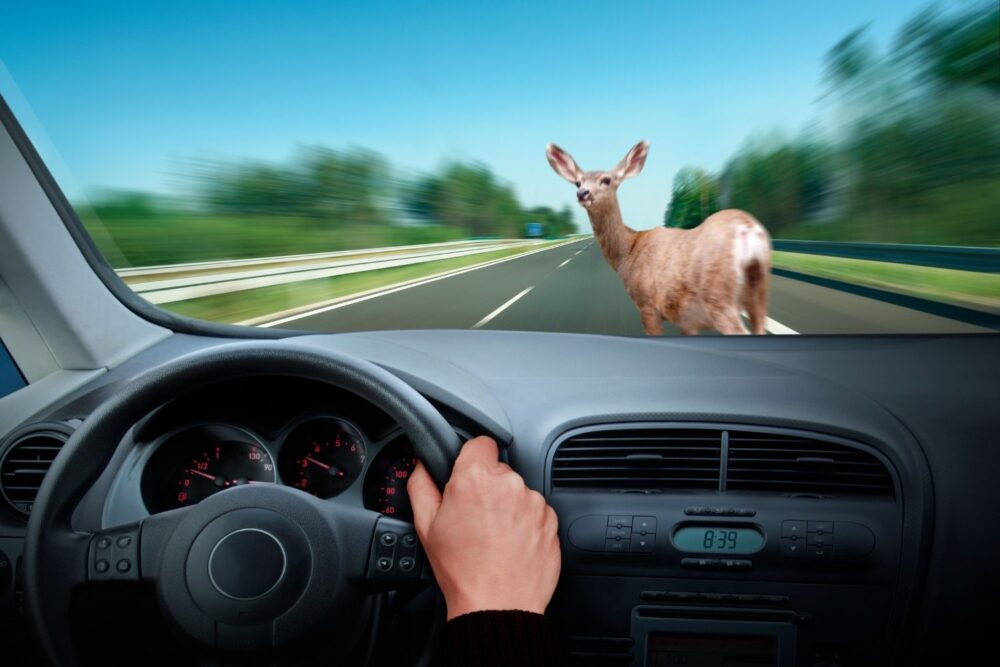
For years, the I-25 corridor south of Denver has been one of Colorado’s most dangerous areas for wildlife-vehicle collisions. Elk, deer, and other large animals frequently attempted to cross the highway, often with deadly results.
Transportation data documented hundreds of collisions annually in this area. Wildlife experts explained that the highway cut directly through historic migration paths, forcing animals into traffic. The overpass was placed precisely where the risks were highest, targeting a long-standing safety and conservation problem.
2. The Largest Wildlife Overpass Ever Built in North America
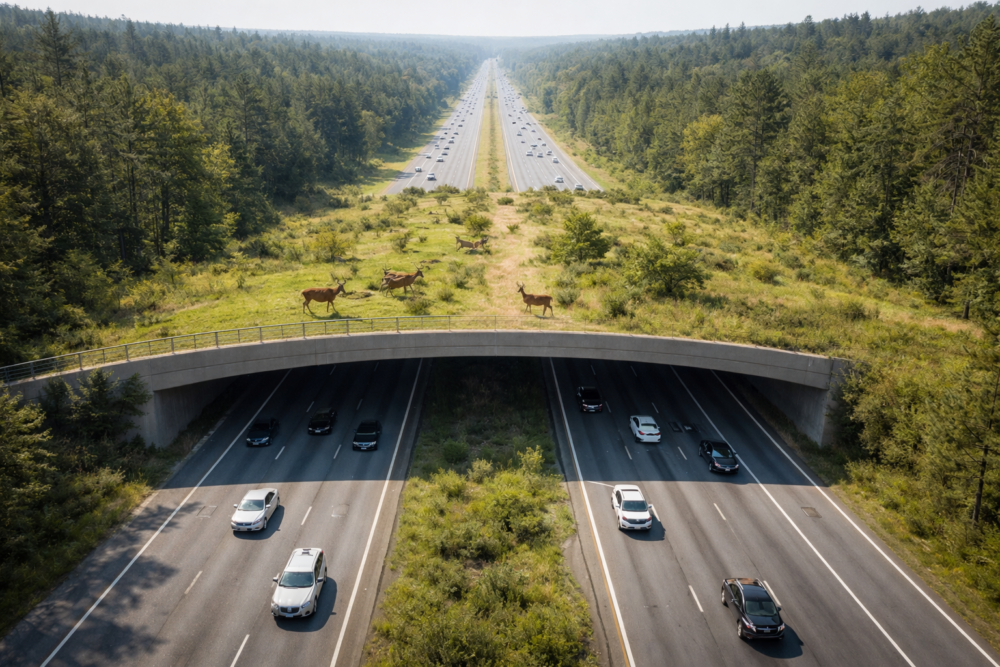
This structure is unprecedented in size, stretching hundreds of feet across the interstate and wide enough to resemble open land rather than a bridge. Its massive scale is intentional.
Biologists say animals are more likely to use crossings that feel natural and spacious. Narrow bridges can discourage use, especially by large mammals. By creating a broad, open crossing, engineers increased the likelihood that wildlife will instinctively choose the overpass over the roadway below.
3. Designed to Look and Feel Like Natural Terrain
The overpass is covered with soil, grasses, shrubs, and native vegetation from the surrounding area. From an animal’s perspective, it blends seamlessly into the landscape.
Wildlife researchers explain that animals are sensitive to unfamiliar surfaces and structures. A natural appearance reduces hesitation and stress. Over time, animals are expected to incorporate the crossing into their normal movement patterns, using it just as they would undisturbed land.
4. Fencing Plays a Critical Supporting Role

Miles of wildlife fencing line both sides of the highway leading toward the overpass. This fencing is designed to gently guide animals toward the safe crossing.
Without fencing, animals might continue attempting dangerous road crossings. Transportation officials stress that fencing and overpasses work together as a system. The fencing reduces access to the roadway while increasing the likelihood that animals will find and use the crossing consistently.
5. Officials Expect a Major Drop in Collisions

Similar wildlife crossings around the world have reduced wildlife-vehicle collisions by as much as 80 to 90 percent. Colorado officials believe this overpass could achieve comparable results.
Reducing collisions protects both animals and drivers. High-speed impacts with large animals often result in serious injuries or fatalities. Fewer crashes also mean lower emergency response costs and less damage to vehicles along this busy interstate corridor.
6. Elk and Deer Will Likely Use It Most Often

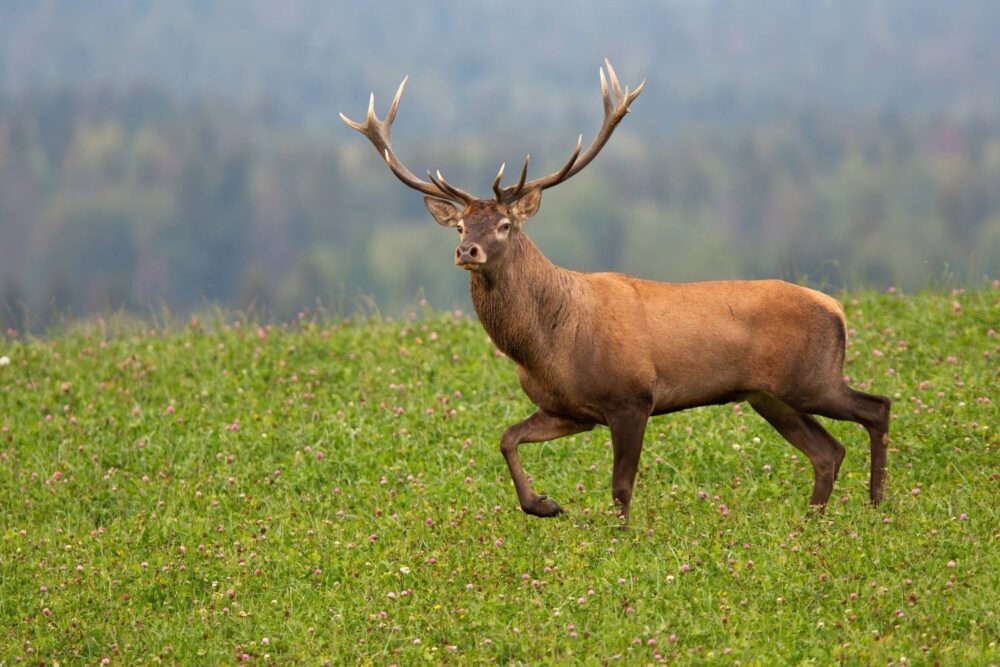
Elk and deer are expected to be the primary users of the overpass due to their population size and seasonal migration patterns. These species account for many of the area’s collisions.
However, the structure was designed for a wide range of animals. Biologists anticipate use by bears, mountain lions, foxes, and smaller mammals. Motion-sensing cameras will monitor activity to track which species adopt the crossing over time.
7. Reconnecting Migration Routes Cut by the Highway
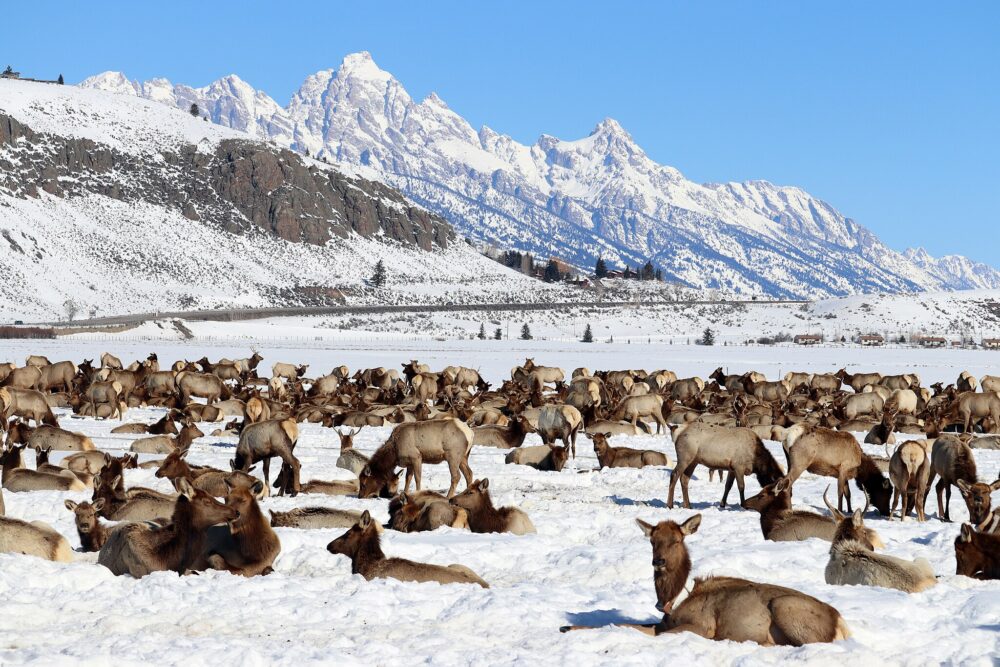
Before I-25 was built, animals moved freely across this landscape. The highway fragmented habitat, limiting access to food, breeding areas, and seasonal ranges.
Conservation experts say reconnecting these routes is essential for long-term wildlife health. The overpass restores a missing link between ecosystems on either side of the road, allowing animals to move safely without risking deadly encounters with vehicles.
8. Years of Research and Collaboration Led to Completion

The overpass is the result of years of planning involving engineers, wildlife biologists, and transportation officials. Extensive research determined the best location and design.
Funding came from a mix of state, federal, and conservation sources. Officials say the project reflects a growing recognition that modern infrastructure must consider environmental impacts alongside transportation efficiency and public safety.
9. Colorado Is Setting a National Example
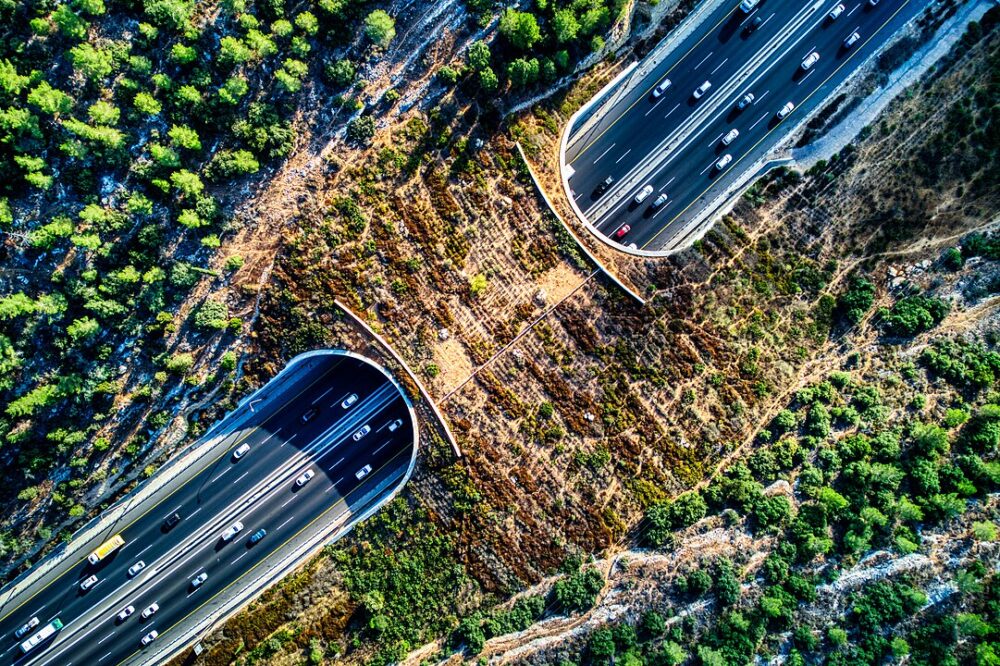
Colorado has built wildlife crossings before, but this project represents a major leap in scale. Officials say it positions the state as a leader in wildlife-friendly infrastructure.
Other states are watching closely. If the overpass performs as expected, it could influence future highway designs across North America, particularly in regions where roads intersect major wildlife corridors.
10. Drivers Stand to Benefit Just as Much as Wildlife

While the focus is on animal safety, drivers are among the biggest beneficiaries. Fewer collisions mean safer roads and fewer sudden emergencies.
Transportation officials note that avoiding even a small number of serious crashes can save lives and reduce millions in repair and medical costs. The overpass improves safety for everyone traveling this busy stretch of interstate.
11. A Sign of Changing Priorities in Road Design
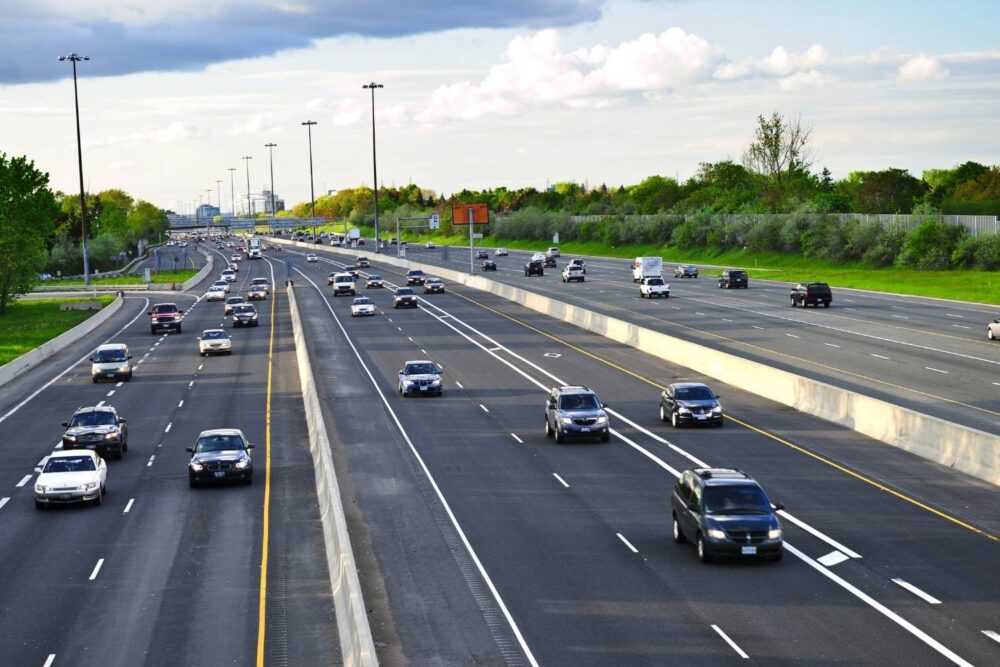
For decades, highways were built with little consideration for wildlife movement. Projects like this signal a shift toward more balanced infrastructure planning.
Officials say the overpass represents a future where roads no longer act as barriers. Instead, they can be designed to support both transportation needs and healthy ecosystems, proving that coexistence is possible when planning evolves.