
Scientists say it could soon detect signs of life on distant exoplanets.
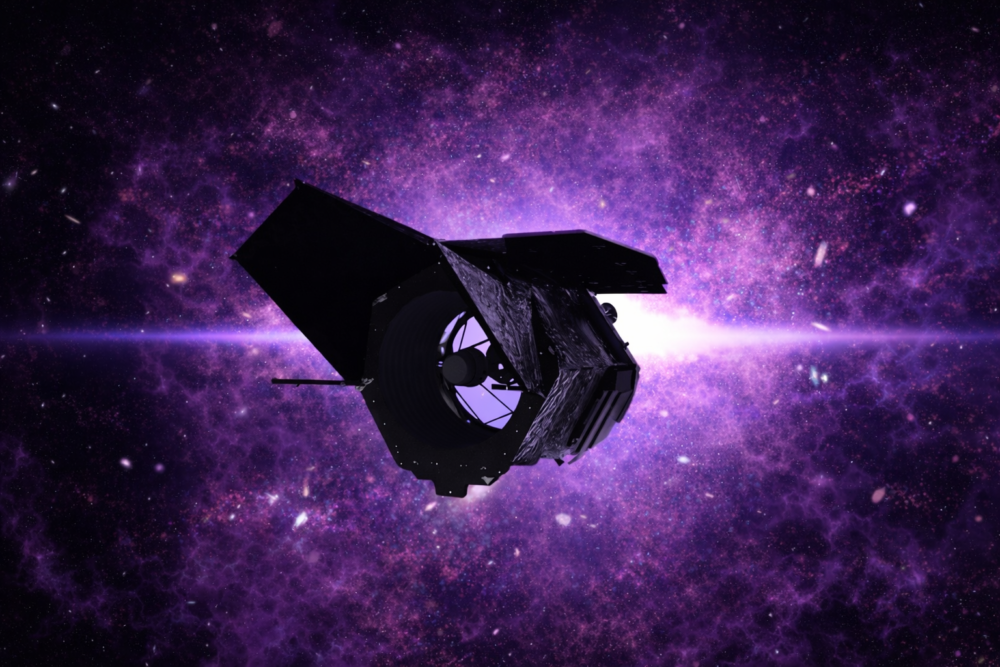
Some of humanity’s biggest questions revolve around a single idea: are we alone in the universe? NASA has now completed a next-generation space telescope designed to bring scientists closer than ever to answering that question. Built specifically to study the atmospheres of distant planets, the instrument represents years of engineering and scientific planning. Researchers say it will not deliver instant proof of alien life, but it could soon identify the most promising worlds to investigate. In doing so, it marks a major step forward in the search for life beyond Earth.
1. NASA Has Finished a Telescope Designed for a Singular Purpose

This new telescope was built with a focused mission rather than a broad observational role. Its primary goal is to analyze the atmospheres of exoplanets, planets that orbit stars beyond our solar system. Unlike earlier observatories, it is optimized to detect extremely faint chemical signals that appear when starlight passes through a planet’s atmosphere.
Engineers designed the instrument to prioritize precision over versatility. That focus allows scientists to gather clearer data about atmospheric composition, temperature, and structure, which are critical factors in determining whether a planet could support life.
2. The Telescope Targets Planets Outside Our Solar System

Exoplanets have been discovered by the thousands, but most are known only by their size and orbit. This telescope goes further by examining what surrounds those planets rather than just where they are.
By studying the way light changes as it interacts with an atmosphere, scientists can infer the presence of gases and clouds. This capability moves research beyond planet counting and toward understanding planetary environments, a key step in evaluating whether any of these distant worlds resemble Earth in meaningful ways.
3. Atmospheric Chemistry Holds Clues to Habitability

The telescope is designed to search for gases such as water vapor, carbon dioxide, oxygen, and methane. On Earth, certain combinations of these gases are strongly linked to biological activity.
Scientists emphasize that no single gas proves life exists. However, specific chemical patterns may be difficult to explain through geology or physics alone. Identifying those patterns allows researchers to prioritize planets that warrant deeper investigation and long-term observation.
4. Nearby Star Systems Will Be the First Targets

Rather than scanning the entire galaxy, scientists plan to focus on stars relatively close to Earth. Nearby systems produce stronger signals and reduce uncertainty in measurements.
Many of these stars host rocky planets similar in size to Earth. Observing closer targets increases the likelihood of detecting atmospheric features clearly. This strategy allows scientists to build a reliable foundation of data before expanding the search to more distant systems.
5. The Telescope Works Alongside Existing Observatories

This new instrument does not replace other space telescopes already in operation. Instead, it complements them by filling a specialized role in atmospheric analysis.
Other observatories excel at imaging, infrared observation, or broad surveys. This telescope adds depth by focusing on detailed chemical measurements. Together, these tools allow scientists to confirm findings, reduce false signals, and develop a more complete picture of distant planetary systems.
6. Advanced Optics Reduce Interference From Host Stars
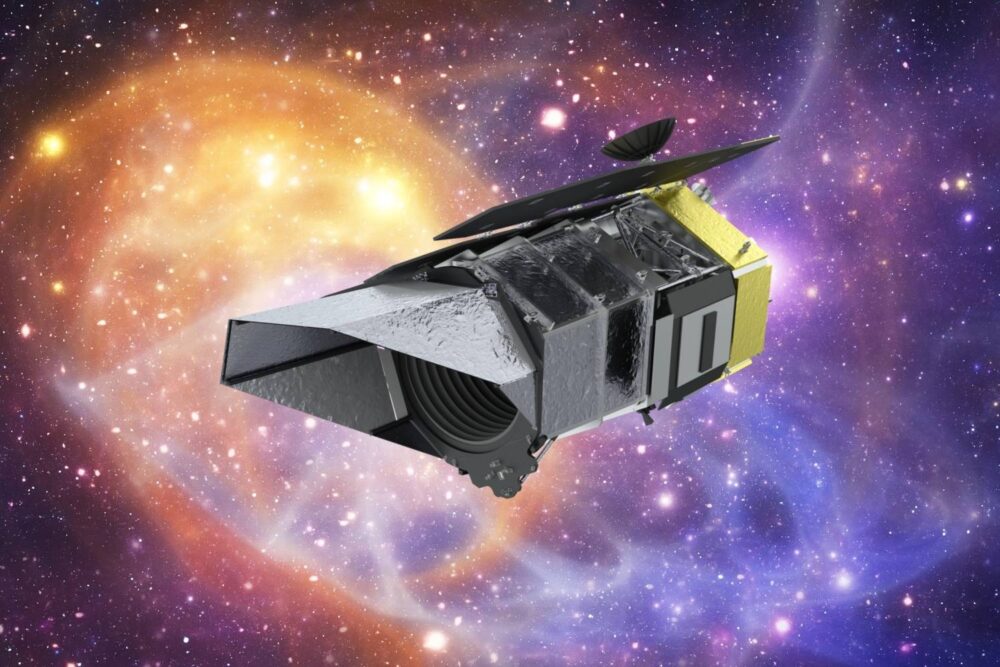
One of the greatest challenges in exoplanet research is separating a planet’s faint signal from the overwhelming brightness of its star. Engineers addressed this by developing sophisticated optical systems that suppress starlight.
These techniques allow the telescope to isolate subtle atmospheric signals that would otherwise be drowned out. Reducing interference is essential for detecting trace gases, making this engineering achievement central to the telescope’s scientific potential.
7. Data Will Be Collected Over Long Observation Periods
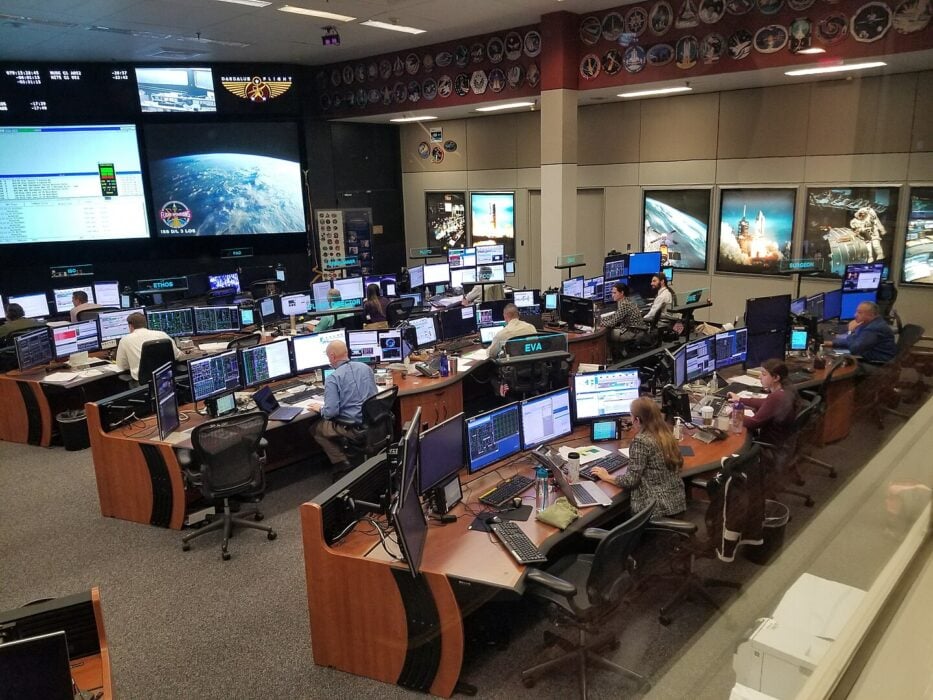
Scientists do not expect immediate answers from the telescope. Instead, it will gather data gradually through repeated observations of the same planets.
Long-term monitoring allows researchers to confirm patterns, rule out noise, and track changes over time. This careful approach increases confidence in results and helps prevent premature conclusions about potential signs of life.
8. Discovering Life Will Require Multiple Lines of Evidence

Researchers stress that even compelling atmospheric signals will not be treated as definitive proof of life. Any extraordinary claim would require confirmation through multiple observations and independent methods.
The telescope’s role is to narrow the field and highlight the most intriguing candidates. Additional instruments, follow-up missions, and years of study would be needed before scientists could confidently claim a biological discovery.
9. The Telescope Reflects Decades of Technological Progress
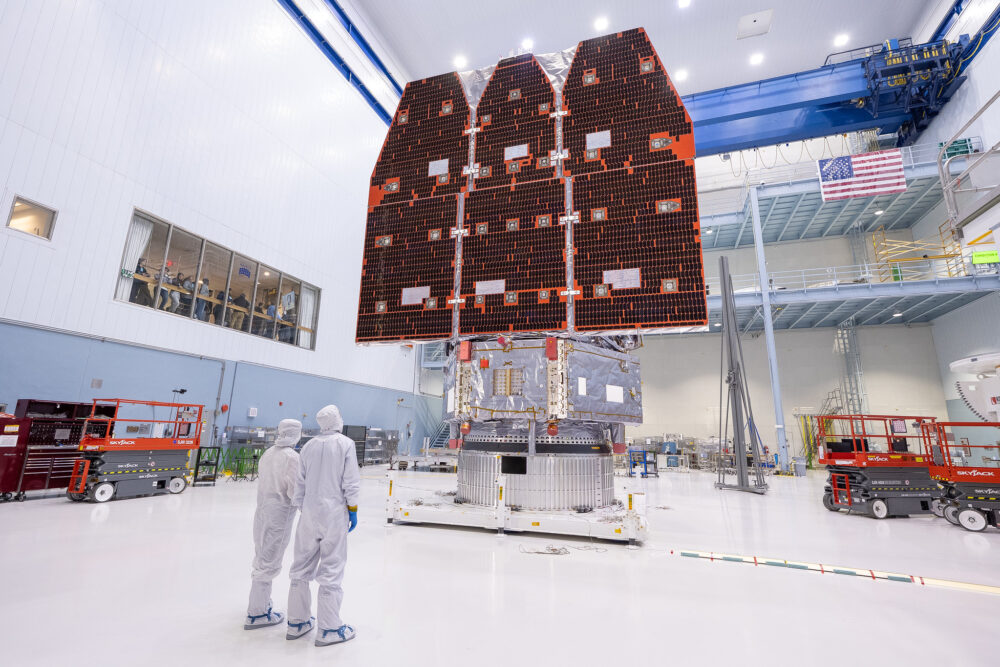
The completion of this instrument represents the culmination of advances in optics, materials, and data analysis developed over decades. Earlier generations of telescopes laid the groundwork for this level of precision.
Each improvement builds on previous missions, allowing scientists to ask more sophisticated questions. This telescope stands as a testament to how incremental technological progress can eventually enable transformative scientific discoveries.
10. It Could Redefine How Scientists Search for Life
Rather than guessing where life might exist, this telescope allows scientists to evaluate planets based on measurable physical and chemical properties. That shift brings greater rigor to the search.
By focusing on atmospheres and energy balance, researchers can move beyond speculation. This approach helps prioritize targets logically, making the search for life more systematic and evidence-driven than ever before.
11. Public Interest Is Expected to Grow With Each Discovery

The question of whether humans are alone resonates far beyond the scientific community. Each new observation is likely to capture public attention and spark global discussion.
Scientists acknowledge that even incremental findings can reshape how people think about Earth’s place in the universe. Clear communication will be essential to explain what discoveries do and do not mean as data emerges.
12. The Telescope Marks a Turning Point, Not a Final Answer
While the telescope will not provide immediate certainty, it represents a pivotal step forward. It transforms the search for life from a distant dream into an active scientific investigation.
Researchers see it as the beginning of a new phase rather than a conclusion. By identifying promising worlds and refining techniques, the telescope sets the stage for future missions that may one day answer the question humanity has asked for centuries.