
Safety experts say this is the safest split-second response that can reduce serious injury.
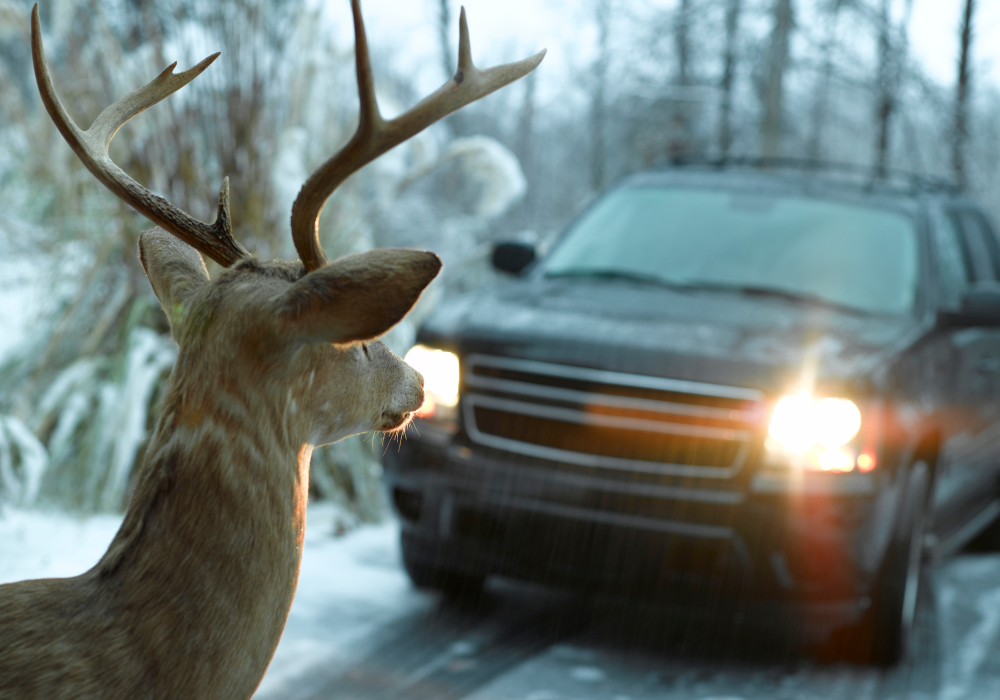
Some of the most dangerous moments on the road happen without warning. One second you are driving normally, and the next a deer is suddenly in your path. In those few heart-pounding seconds, instinct often takes over, but safety experts say instinct is not always your friend. What you do next can affect not only the impact, but what happens afterward as well. Knowing the safest response ahead of time helps reduce panic, protect passengers, and limit further danger if a deer appears or a collision occurs.
1. The Split-Second Reaction That Keeps You in Control
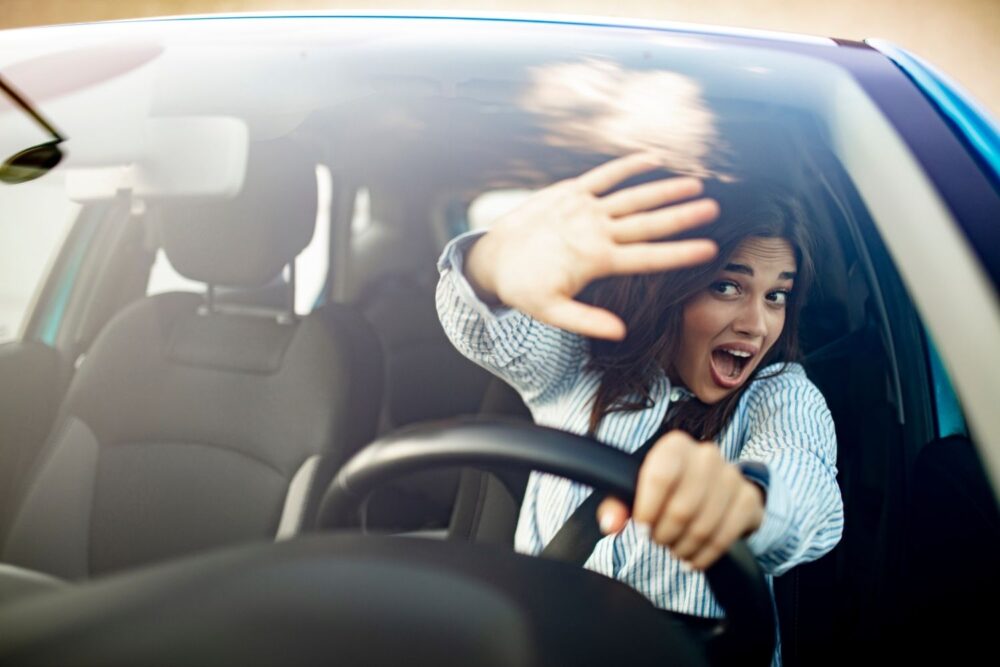
When a deer suddenly appears, many drivers instinctively swerve. Safety experts consistently warn that this reaction increases the risk of losing control. Swerving can send a vehicle into oncoming traffic, off the road, or into a rollover, especially at higher speeds.
Crash data from transportation agencies shows that firm, straight-line braking is far safer. Staying in your lane keeps the vehicle stable and predictable. Even if a collision occurs, controlled braking reduces speed and lowers the chance of a far more dangerous secondary crash.
2. Sudden Swerves Often Lead to More Serious Crashes
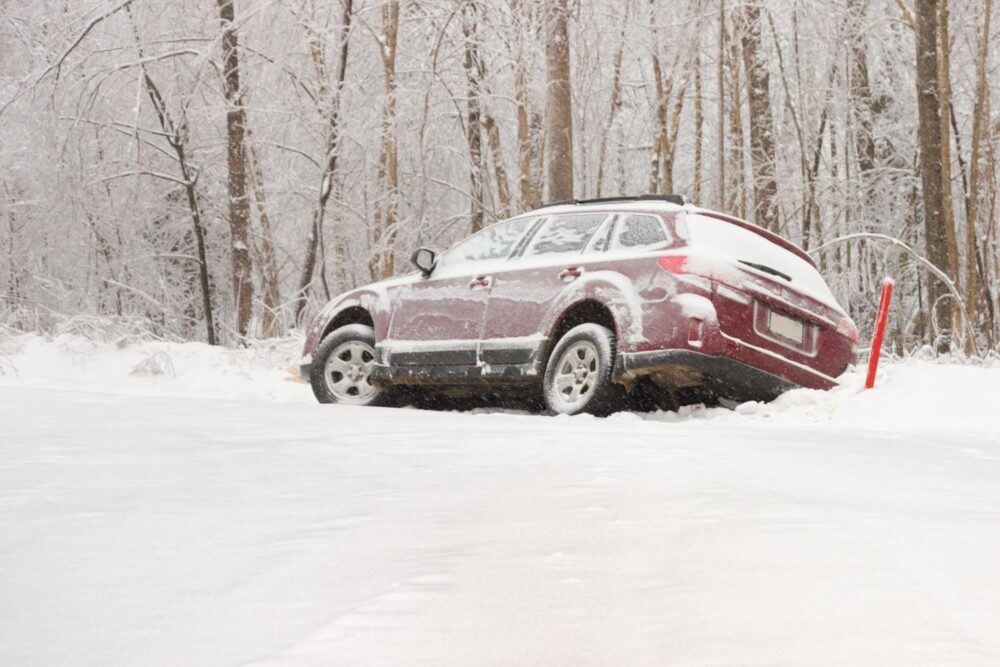
Sharp steering movements can destabilize a vehicle in an instant. Safety experts note that abrupt swerves shift weight rapidly, increasing the risk of skidding or rolling over, particularly in taller vehicles like SUVs and trucks.
Rollover accidents are among the deadliest crash types. Studies consistently show that maintaining directional control greatly reduces injury risk. Even though hitting a deer is frightening, experts agree that staying upright and in your lane protects you far more than trying to dodge the animal at the last moment.
3. Braking Hard Is Safer Than Most Drivers Realize
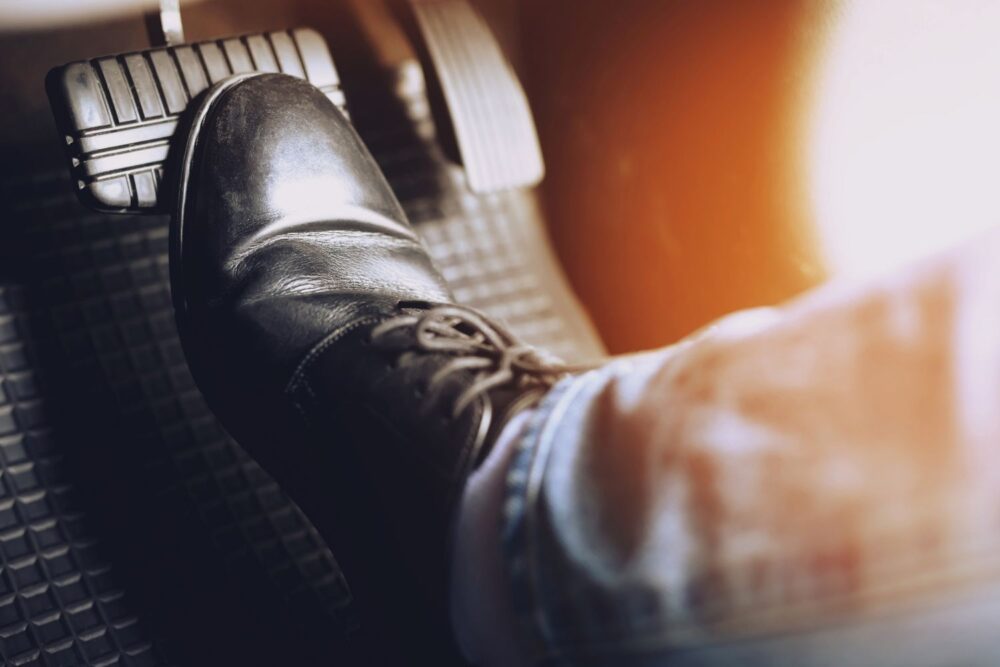
Many drivers hesitate to brake hard out of fear of losing control. Safety experts explain that modern vehicles are designed to handle firm braking. Anti-lock braking systems allow drivers to brake aggressively while still steering if needed.
Research shows that steady pressure on the brake pedal shortens stopping distance without causing skids. Reducing speed, even slightly, can significantly lower impact force. Controlled braking gives you the best chance to avoid additional hazards and minimize injury.
4. Seeing One Deer Usually Means There Are More

Deer rarely travel alone. Wildlife experts point out that deer often move in groups, especially during mating season or at dawn and dusk. Spotting one animal often means others are nearby.
Accident data shows many collisions happen after drivers accelerate too quickly once a single deer passes. Safety experts recommend slowing down and staying alert for several seconds. Waiting briefly before resuming speed can prevent a second, more dangerous encounter moments later.
5. Speed Turns a Scare Into a Serious Emergency

Speed directly affects reaction time and injury severity. Safety experts emphasize that higher speeds leave little room for safe braking when an animal appears suddenly.
Traffic safety studies show that reducing speed in wildlife-prone areas lowers both crash frequency and severity. Driving within posted limits gives you more control and more time to react. Slower speeds make braking more effective and reduce the chance of losing control during an emergency.
6. Headlights and Visibility Make a Critical Difference
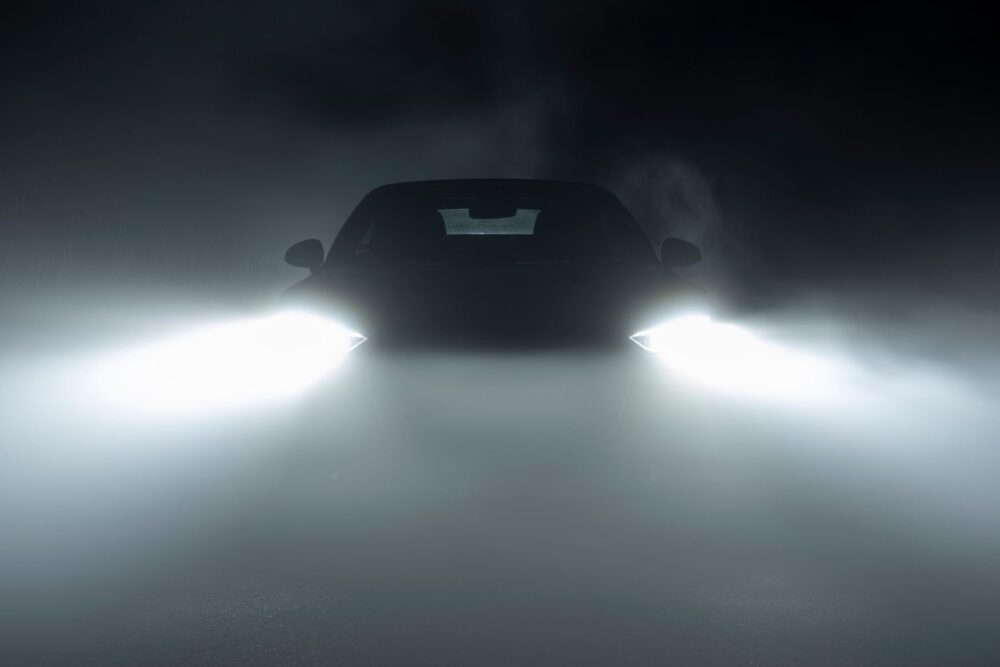
Most deer-related crashes occur in low-light conditions. Safety experts stress the importance of using headlights properly and scanning road edges, not just the pavement ahead.
Research from transportation and wildlife agencies shows that drivers often see deer too late because of poor visibility. Using high beams when appropriate and slowing down at night increases detection time. Those extra seconds can mean the difference between a controlled stop and a sudden impact.
7. If You Hit the Deer, Pull Over as Soon as It’s Safe
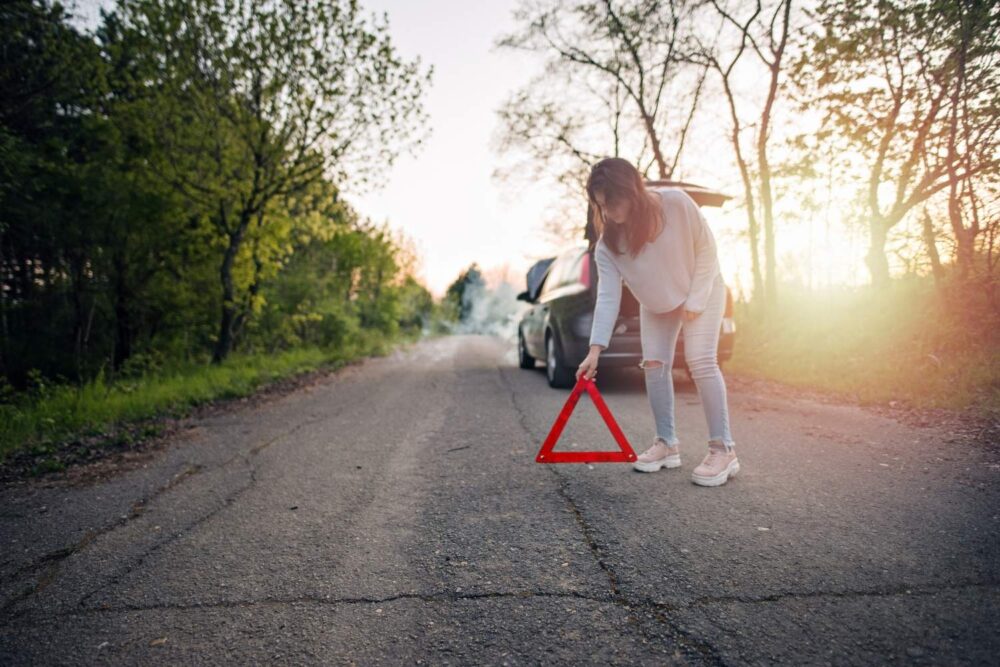
If a collision occurs, safety experts advise pulling over safely and turning on hazard lights. Staying in the roadway puts you and other drivers at serious risk.
Crash response guidelines recommend remaining inside your vehicle if it is unsafe to exit, especially on busy roads. Call emergency services to report the collision. Even if the deer runs off, damage or injuries may not be immediately obvious.
8. Avoid Approaching the Animal After a Collision
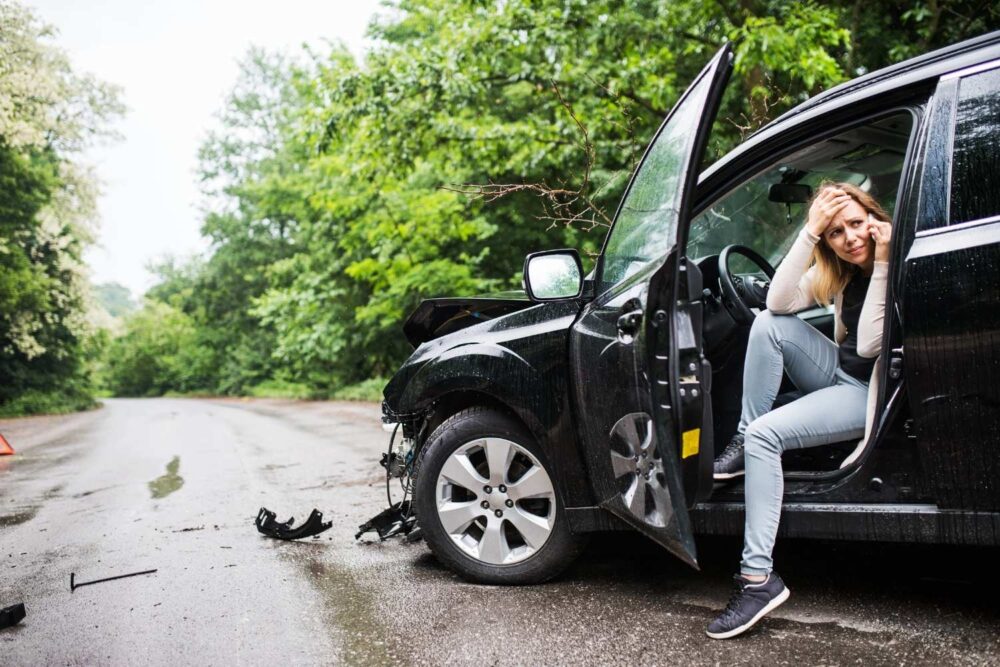
After a crash, some drivers feel tempted to check on the deer. Wildlife and safety experts strongly advise against this. Injured deer can be unpredictable and may kick or charge.
Animal behavior research shows that injured wildlife often reacts defensively. Staying inside your vehicle protects you from injury. Let law enforcement or wildlife officials handle the situation safely and legally.
9. Document the Damage Once You Are Safe
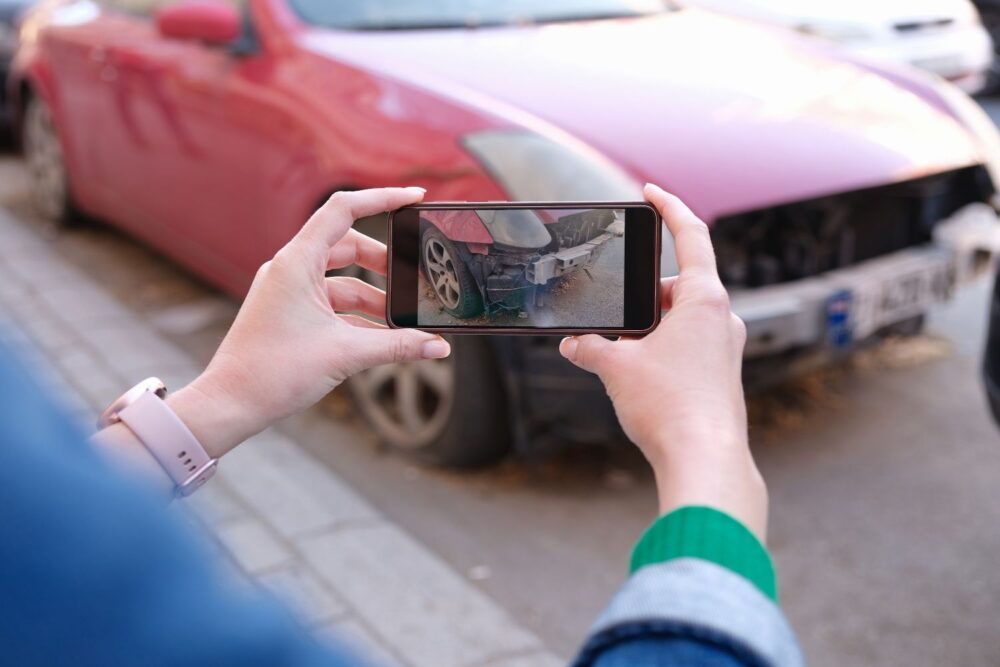
Once you are in a safe location, experts recommend documenting the scene. Take photos of vehicle damage and note the location and time of the collision.
Insurance and safety experts say this information helps with claims and official reports. Even minor damage can affect vehicle safety. Accurate documentation ensures proper repairs and reduces complications later.
10. Preparation Is the Best Safety Tool You Have
The safest response to a deer encounter begins before it happens. Safety experts emphasize that knowing what to do reduces panic and improves reaction time.
Driver education studies show that prepared drivers make calmer, safer decisions under stress. Understanding the safest braking response and post-collision steps turns a terrifying moment into a manageable one. Preparation can prevent injuries and, in some cases, save lives.