
A sudden spike in fine-particle pollution pushed parts of California into the “unhealthy” air category.

Thousands of California residents were urged to stay indoors this week as air-quality monitors detected a sharp rise in PM2.5 pollution, the fine particulate matter that can penetrate deep into the lungs and bloodstream. Several areas reached the “unhealthy” category on the Air Quality Index, leading officials to caution people—especially children, older adults, and those with health conditions—to avoid outdoor exposure. The alert comes as shifting weather patterns, stagnant air, and local emissions combined to trap pollution near the surface.
1. PM2.5 Pollution Reached Unhealthy Levels in Several Areas

Air-quality sensors across parts of California recorded PM2.5 concentrations high enough to place the region in the “unhealthy” category. PM2.5 refers to fine airborne particles measuring 2.5 micrometers or smaller, which pose the greatest risk to human health because they can enter the bloodstream through the lungs.
Officials reported that readings rose quickly over a short period, prompting immediate advisories. These spikes can occur when weather patterns trap pollution near the ground, preventing dispersal and increasing concentrations in populated areas.
2. Thousands Were Urged to Stay Indoors Until Conditions Improve

Local agencies advised residents to avoid outdoor activity, keep windows closed, and use indoor air filtration when possible. Sensitive groups—including pregnant women, older adults, and people with heart or lung conditions—were urged to take extra precautions.
Public-health officials noted that even healthy individuals may experience irritation or breathing discomfort during high-pollution events. Staying indoors helps minimize exposure until wind patterns or atmospheric conditions improve enough to disperse the particle buildup.
3. Air Quality Worsened Quickly Due to Stagnant Weather
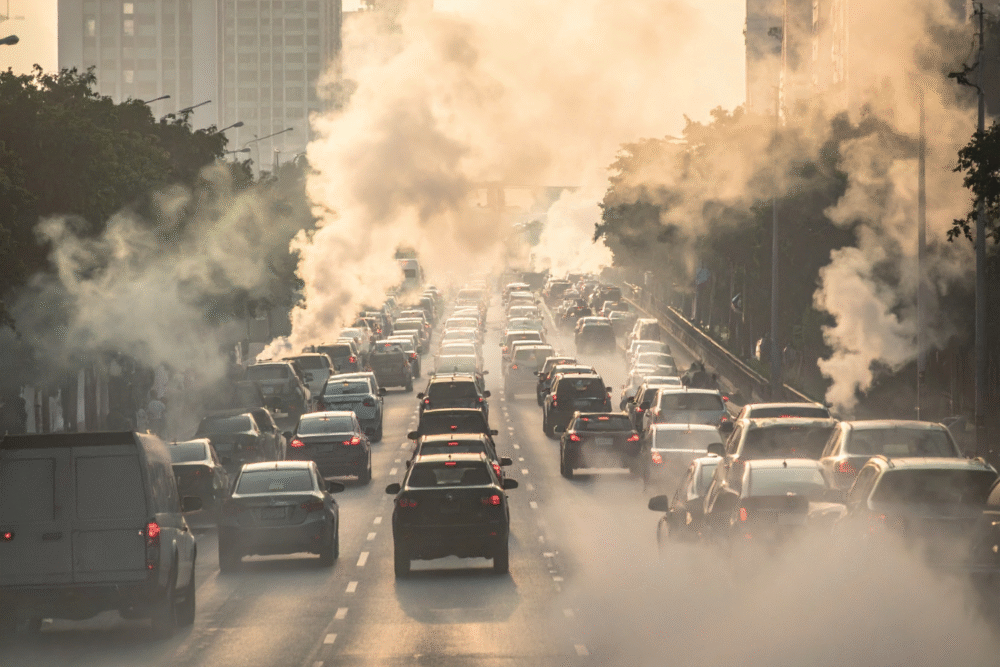
Meteorologists explained that a lack of wind contributed to the rise in pollution levels. When air remains stagnant, fine particles accumulate instead of being carried away by breezes or diluted through the atmosphere.
These stagnant conditions can persist for days depending on regional weather patterns. During such periods, pollution from vehicles, industrial sources, and other everyday activities becomes trapped near the surface, leading to rapid declines in air quality.
4. PM2.5 Is One of the Most Dangerous Forms of Air Pollution
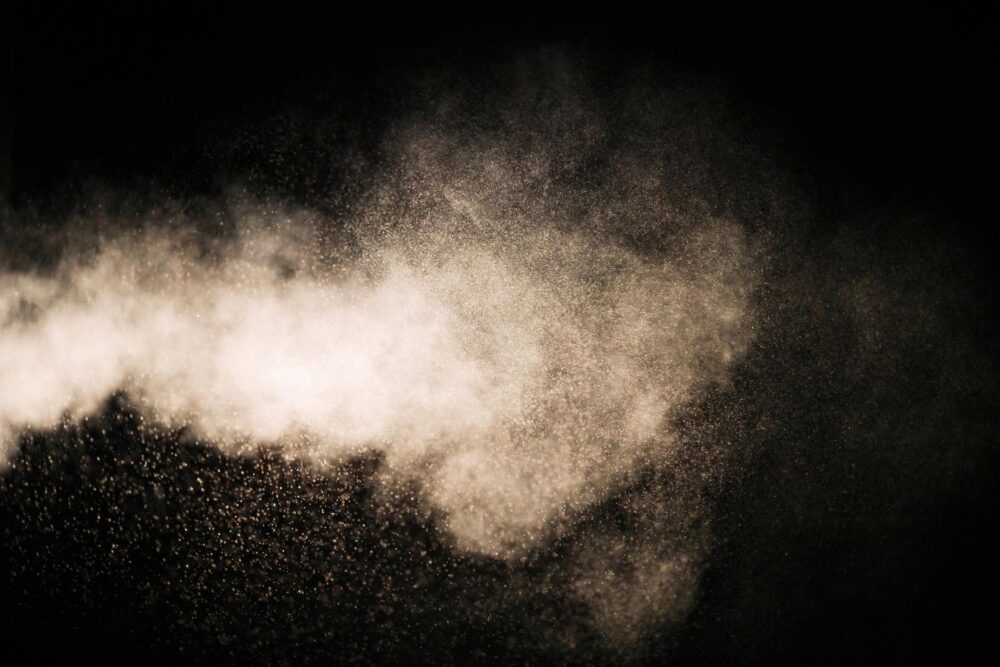
Health experts warn that PM2.5 particles are small enough to bypass the body’s natural defenses, making them especially harmful. Long-term exposure is linked to heart disease, asthma, lung cancer, and increased hospitalization risks. Even short-term exposure can trigger symptoms in sensitive individuals.
Because these particles are invisible to the naked eye, residents may not realize how unsafe the air is without monitoring tools. This is why the Air Quality Index plays a vital role in alerting communities to hazardous conditions.
5. Officials Say Sensitive Groups Should Take Extra Precautions
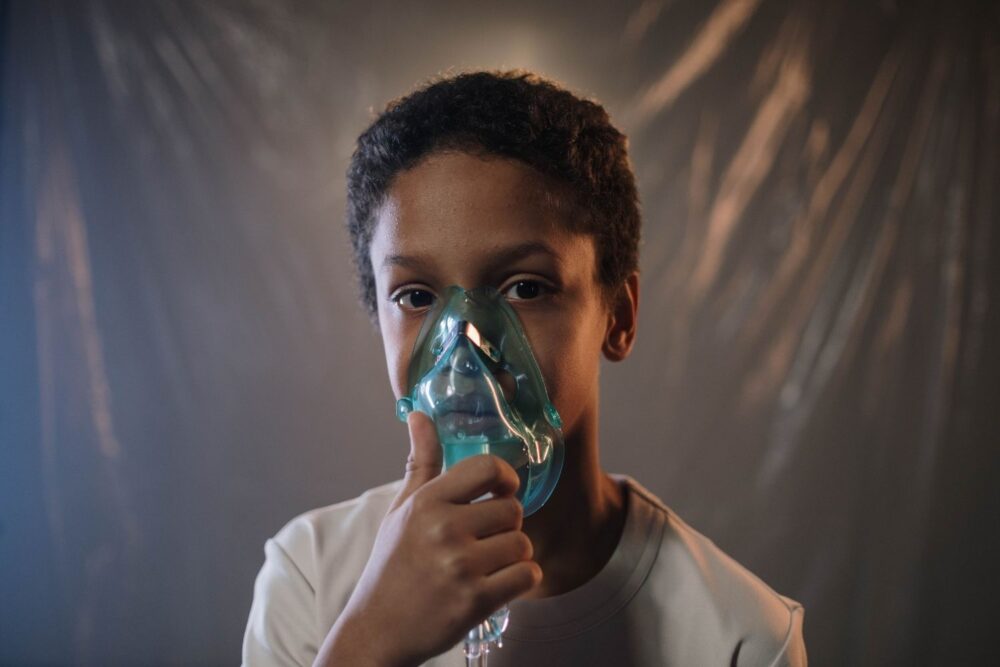
People with asthma, COPD, or cardiovascular disease are particularly vulnerable during PM2.5 spikes. Children are also at risk because their lungs are still developing and they breathe more rapidly than adults.
Officials advise these groups to use air purifiers if available, avoid outdoor exercise, and follow any guidance from healthcare providers during high-pollution periods. Early caution can help prevent respiratory distress or other complications triggered by poor air quality.
6. Some Schools and Businesses Adjusted Activities

During serious pollution events, schools often monitor air-quality levels closely and may adjust recess, sports, or outdoor learning schedules. Reports indicated that certain facilities limited outdoor activities to reduce exposure among students and staff.
Businesses with outdoor workers sometimes shift schedules or modify tasks to protect employees. These adjustments help minimize immediate health risks until conditions improve.
7. The Air Quality Index Helps Residents Track Daily Conditions
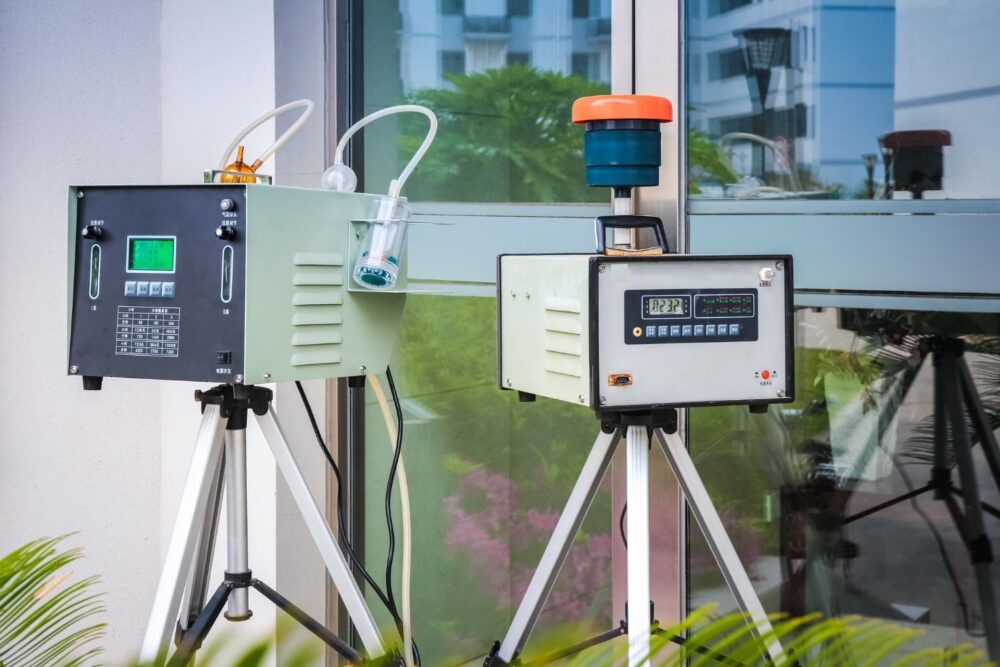
The Air Quality Index (AQI) categorizes pollution levels from “good” to “hazardous,” helping residents understand potential health impacts. The “unhealthy” category means everyone may begin to feel effects, not just sensitive groups.
Residents are encouraged to check daily AQI updates during winter months, when pollution can become trapped near the surface more easily. These updates help people make informed decisions about commuting, exercising, and spending time outdoors.
8. Winter Weather Patterns Often Worsen Pollution Episodes
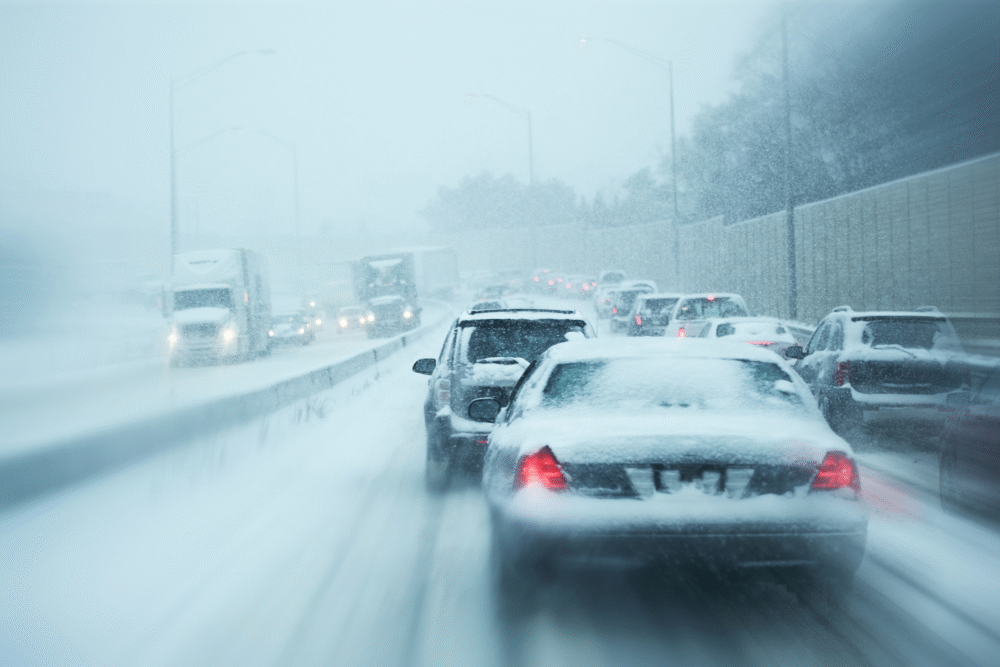
Although wildfires are commonly associated with poor air quality in California, winter weather can produce its own hazards. Temperature inversions—when warm air traps cooler air near the ground—allow pollutants to accumulate.
In these conditions, emissions from vehicles, fireplaces, and industry remain concentrated rather than dispersing upward. This seasonal pattern explains why PM2.5 spikes can occur even without wildfire smoke.
9. Some Regions Experienced Higher Readings Than Others

PM2.5 levels varied from one community to another, depending on local emissions, traffic, geography, and weather patterns. Areas in valleys or basins tend to trap air more easily, causing higher concentrations of pollution.
These regional differences mean that two nearby cities may experience very different AQI levels on the same day. Localized monitoring helps communities respond appropriately to changing conditions.
10. Health Officials Warn That Exposure Can Have Immediate Effects

Short-term exposure to high PM2.5 levels can trigger headaches, coughing, sore throat, and breathing difficulty. People with preexisting lung or heart conditions may experience more severe symptoms.
Because PM2.5 can irritate the respiratory system quickly, officials stress the importance of avoiding prolonged outdoor activity until air quality improves. Even brief exposure may be enough to cause discomfort in sensitive individuals.
11. Conditions May Improve as Weather Patterns Shift
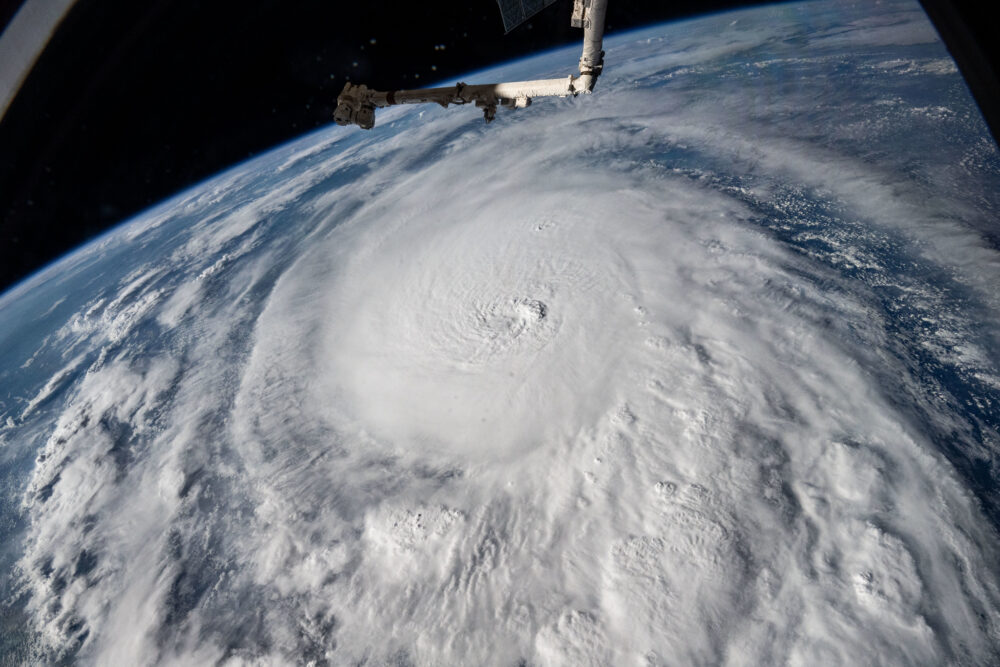
Meteorologists say pollution levels should decrease once stronger wind patterns return, helping disperse trapped particles. Incoming weather changes often bring cleaner air, though conditions may fluctuate throughout the week.
Officials recommend monitoring updated AQI readings until the area returns to “moderate” or “good” categories. Staying aware of changing conditions helps residents reduce exposure and protect their health.