
Hundreds of small earthquakes are offering new clues about how this critical glacier is behaving.
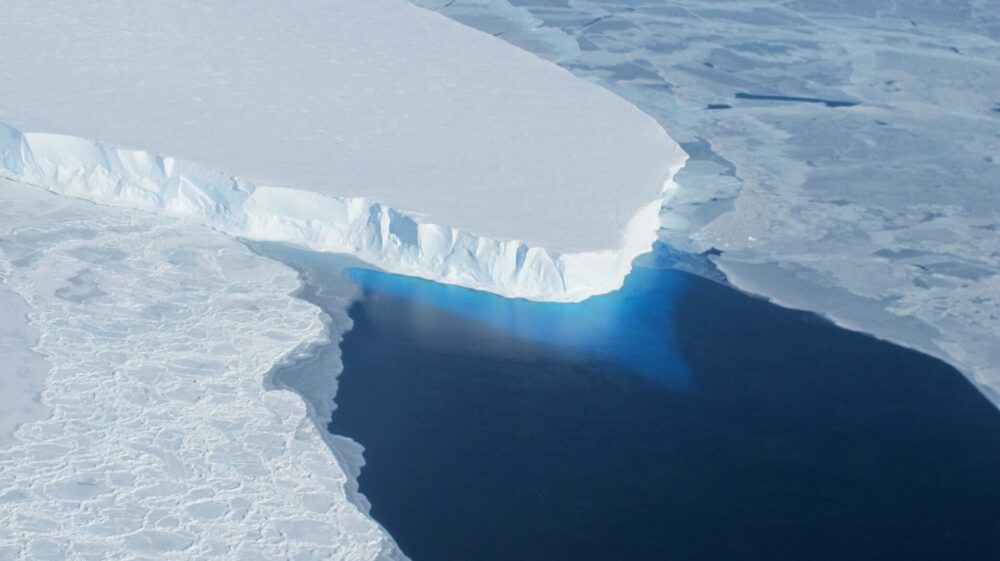
Scientists studying Antarctica’s Thwaites Glacier, often called the “Doomsday Glacier,” have detected hundreds of small earthquakes beneath the ice, according to a new study published in Geophysical Research Letters. Using seismic instruments placed on the glacier, researchers tracked how the ice responds to daily ocean tides and internal stress. The earthquakes are not signs of volcanic activity or an imminent collapse, but they reveal how dynamic the glacier is beneath the surface. Because Thwaites plays a major role in future sea-level rise, these subtle signals are drawing close scientific attention.
1. Researchers detected hundreds of small earthquakes beneath the glacier.
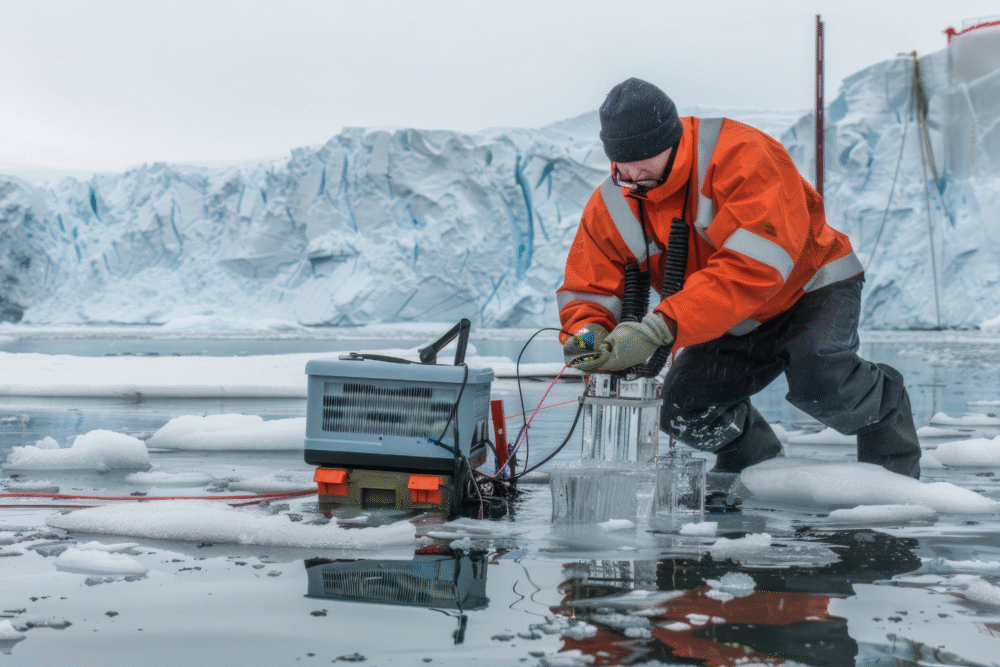
Scientists recorded hundreds of low-magnitude seismic events beneath Thwaites Glacier using instruments placed directly on the ice. These earthquakes, often called icequakes, are much weaker than tectonic earthquakes and are caused by cracking, slipping, or friction within the ice or at its base. Most were too small to be felt and occurred over a relatively short observation period.
The sheer number of events revealed how dynamic the glacier is internally. Rather than behaving like a rigid block of ice, Thwaites is constantly adjusting to stress. These signals give scientists a rare window into processes happening deep beneath the ice surface.
2. The earthquakes were linked to daily ocean tides.
Researchers noticed a clear pattern connecting the icequakes to the rise and fall of ocean tides beneath the glacier’s floating ice shelf. As tides moved in and out, pressure changed at the glacier’s grounding zone, where ice meets the seafloor. This repeated flexing appears to trigger small fractures and slips that produce seismic signals.
This finding shows that even modest tidal forces can influence how Antarctic glaciers behave. It also highlights how closely ocean conditions are tied to ice stability, reinforcing concerns about warming seas affecting glacier dynamics.
3. Scientists say the quakes are not caused by volcanic activity.
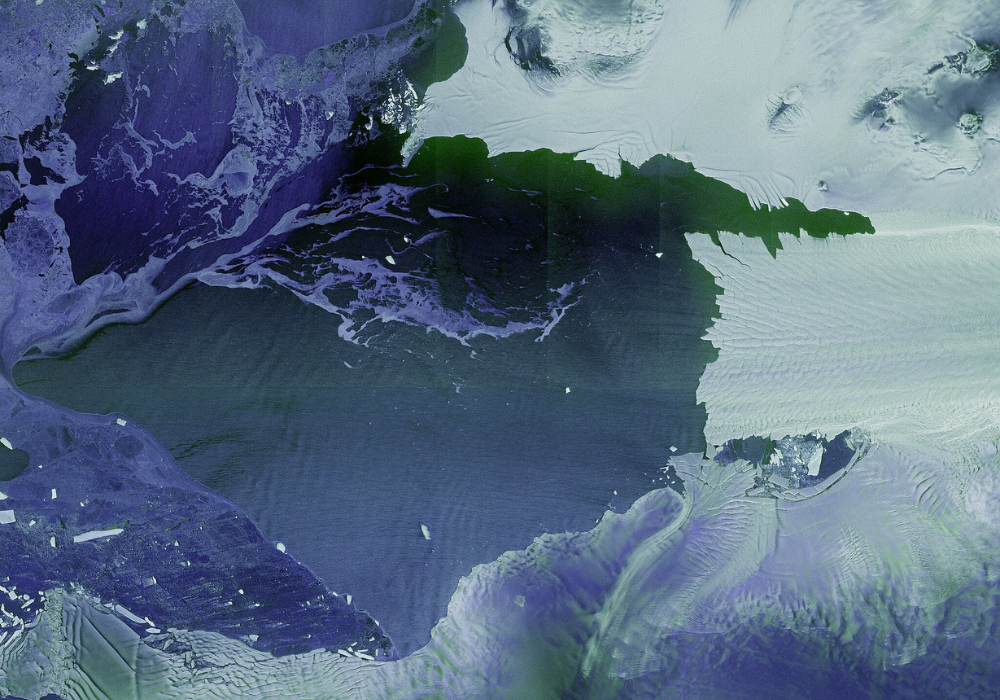
Despite the word “earthquakes,” researchers emphasize that these events are not linked to volcanoes or tectonic faults. Antarctica does contain volcanic regions, but the seismic signals detected at Thwaites match patterns associated with ice movement, not magma or crustal shifts.
Clarifying this point is important, as it prevents unnecessary alarm. The earthquakes are mechanical responses within the ice system itself. Understanding their origin helps scientists focus on glacier physics rather than unrelated geological processes.
4. The events reveal stress building within the ice.
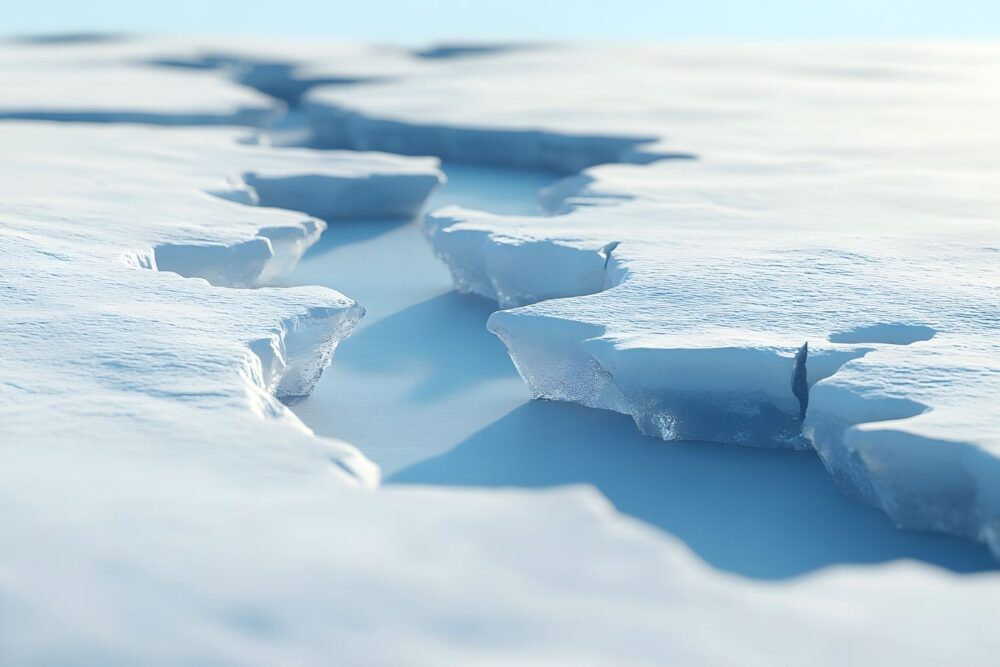
Each icequake represents a small release of stress as the glacier adjusts to forces acting upon it. These stresses come from gravity pulling the ice toward the ocean, friction at the base, and resistance from surrounding ice. Over time, stress builds until it is released through cracking or slipping.
By tracking when and where these events occur, scientists can map how stress moves through the glacier. This information is crucial for understanding how large ice sheets weaken and how fractures may spread.
5. Thwaites Glacier is especially vulnerable to instability.

Thwaites is considered one of Antarctica’s most vulnerable glaciers because of its shape and location. Much of it rests on bedrock that slopes downward inland, a configuration that can accelerate ice loss once retreat begins. Warm ocean water already flows beneath parts of the glacier.
The newly detected icequakes add to evidence that Thwaites is under constant strain. While they don’t signal imminent collapse, they highlight the ongoing processes that could contribute to long-term destabilization.
6. The grounding zone plays a key role in the seismic activity.
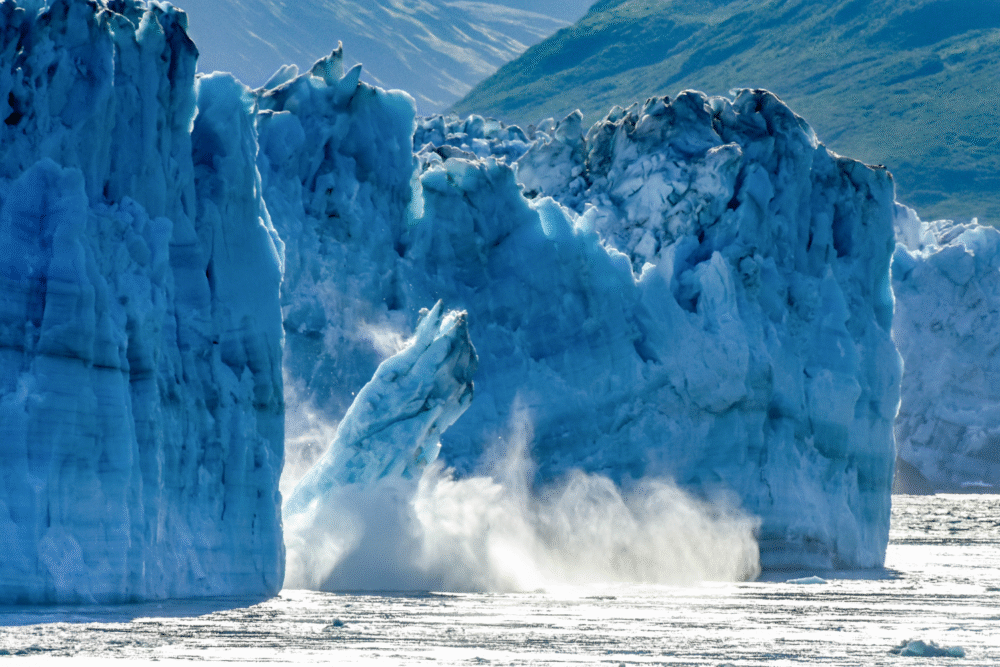
Many of the detected earthquakes originated near the grounding zone, where the glacier lifts off the seafloor and begins to float. This area is highly sensitive to changes in ocean pressure and ice thickness. Even small shifts can cause cracking or movement.
Scientists see the grounding zone as one of the most important areas for predicting future change. Monitoring seismic activity there helps researchers understand how the glacier responds to external forces over time.
7. The earthquakes help scientists refine glacier models.
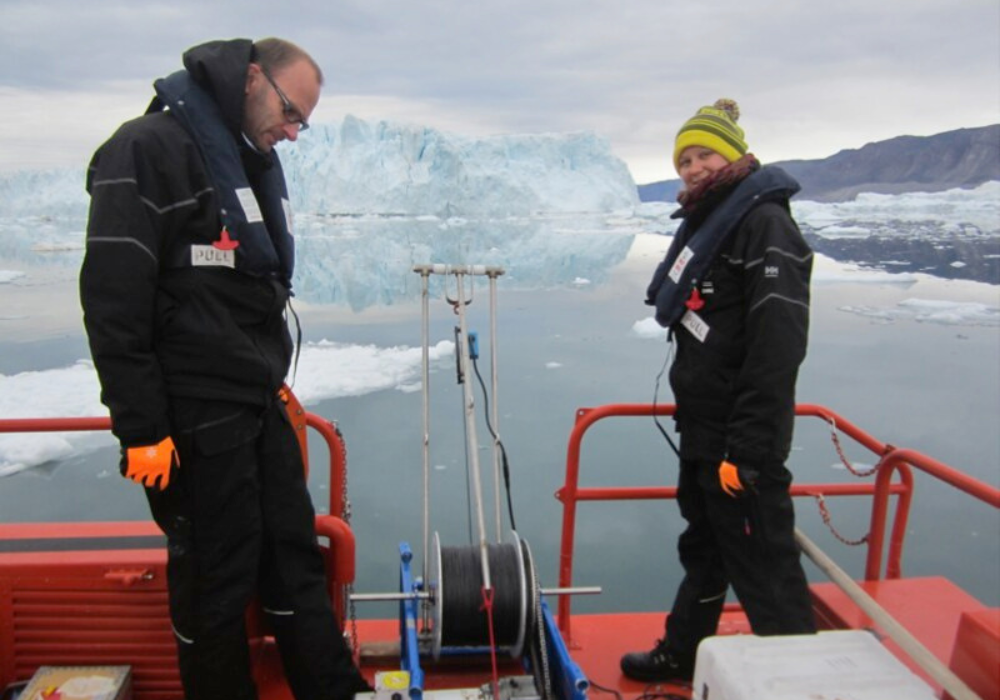
Glacier models rely on assumptions about how ice moves and fractures. The discovery of frequent, tide-linked icequakes provides real-world data that can improve these models. It allows scientists to test whether simulations accurately reflect what’s happening beneath the ice.
Better models lead to more reliable projections of future sea-level rise. Even small improvements in understanding glacier behavior can have significant impacts when applied to ice masses as large as Thwaites.
8. These events show glaciers are more dynamic than once thought.
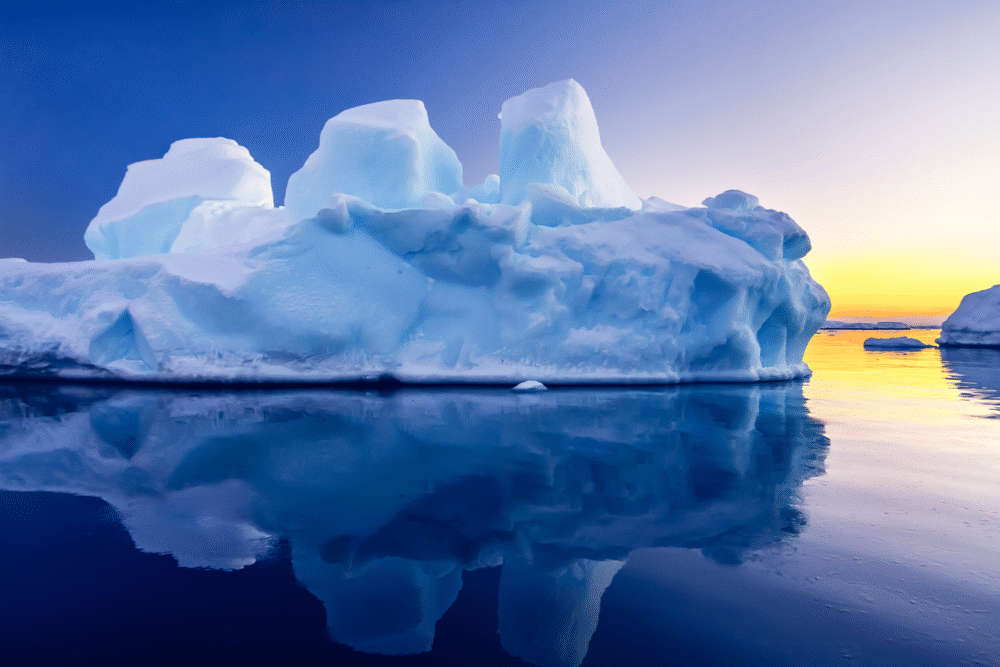
For decades, glaciers were often treated as slow-moving, largely predictable systems. Seismic monitoring is changing that view. The icequakes beneath Thwaites show that glaciers constantly adjust to changing conditions, sometimes minute by minute.
This dynamic behavior means that changes can propagate through the ice more quickly than expected. Recognizing this complexity helps scientists better anticipate how glaciers respond to environmental stress.
9. Researchers stress the importance of long-term monitoring.
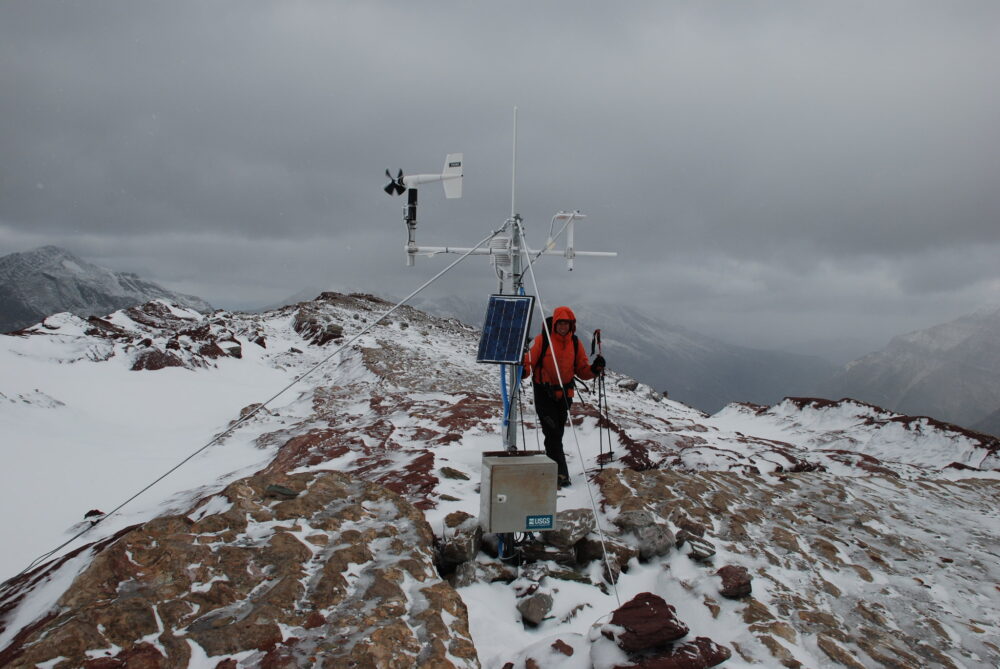
The icequakes were detected during a focused monitoring period, but scientists say longer-term observation is essential. Glacier behavior can vary seasonally and over years, influenced by ocean temperature, ice thickness, and atmospheric conditions.
Continuous monitoring allows researchers to distinguish short-term fluctuations from long-term trends. It also helps identify early warning signs of accelerating change before visible retreat becomes obvious.
10. The findings do not change near-term sea-level predictions.
Scientists caution that these earthquakes do not mean sea levels will suddenly rise. The events provide insight into glacier mechanics, not immediate collapse scenarios. Current projections for sea-level rise remain based on a wide range of data noting gradual ice loss.
However, understanding internal glacier stress helps refine those projections. The information adds detail rather than alarm, improving confidence in long-term forecasts.