
A massive analysis uncovers what Americans choose to remember when a life comes to an end.
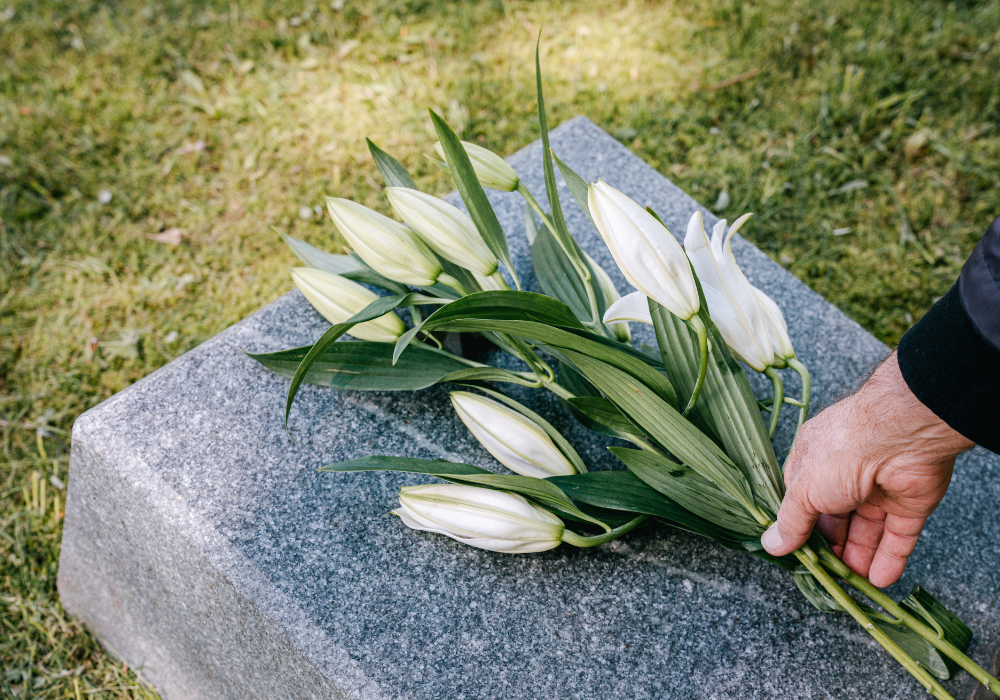
A new study led by computational social scientists at Arizona State University analyzed more than 38 million American obituaries to uncover what people choose to emphasize when remembering a life. Using advanced language-analysis tools, the research team examined trends and patterns in how loved ones described character, relationships, and purpose over decades. What they found surprised many: mentions of career success and status were far less common than personal qualities and connections. According to the researchers, these obituary trends reveal not just how individuals are remembered, but what Americans value most about life itself.
1. Obituaries reveal what families choose to remember most.

Obituaries are written at emotional moments, often by loved ones rather than the deceased themselves. That makes them powerful reflections of what families believe mattered most in a person’s life. When researchers examined millions of these tributes, they found consistent patterns in the words used to describe character, relationships, and purpose.
Rather than listing achievements or material success, most obituaries highlighted personal qualities. Traits like kindness, dedication to family, and community involvement appeared far more often than professional titles, suggesting that legacy is defined less by status and more by how someone lived day to day.
2. Moral values appeared more often than accomplishments.

One of the clearest findings was how frequently moral language appeared across obituaries. Words associated with values such as generosity, faith, honesty, and compassion were widespread, regardless of age, region, or background. These themes appeared more consistently than references to education level or career prestige.
Researchers say this suggests that when people reflect on a life, they focus on who someone was rather than what they achieved. Moral character becomes the centerpiece of remembrance, reinforcing the idea that values often outweigh accomplishments at the end of life.
3. Family roles dominated how lives were described.

Across millions of obituaries, family roles were central. Being a loving parent, devoted spouse, or caring grandparent appeared repeatedly, often before any mention of career or hobbies. These relationships formed the emotional core of many tributes.
This emphasis suggests that family connections are viewed as the most meaningful markers of a life well lived. Researchers note that even when professional success was mentioned, it was often framed through how it supported or enriched family life rather than personal ambition alone.
4. Career success mattered less than expected.

Despite assumptions that modern society prioritizes career achievement, obituaries told a different story. Mentions of job titles, promotions, or financial success appeared far less often than researchers anticipated. When careers were included, they were usually described briefly.
This pattern suggests that professional success may matter less in how people are ultimately remembered. Instead, careers are often framed as one part of a broader life story, secondary to relationships, values, and contributions to others.
5. Community involvement played a major role.
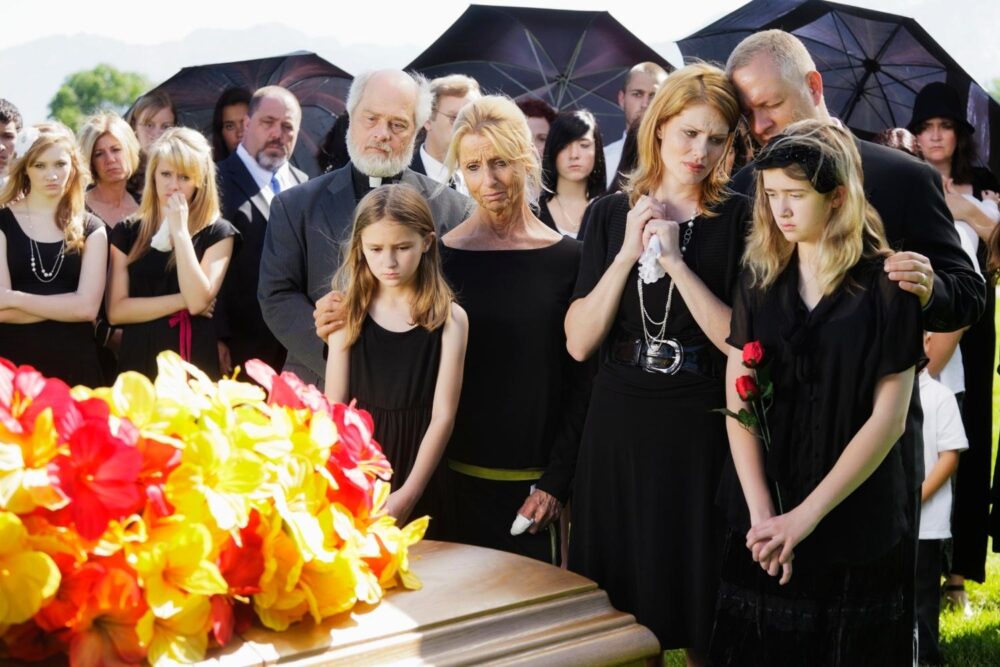
Many obituaries highlighted volunteer work, church involvement, military service, or participation in local organizations. These references showed how individuals were woven into the fabric of their communities. Being active and dependable within a community was frequently presented as a defining trait.
Researchers say this reflects the importance of belonging and service in shaping legacy. Lives were often remembered not for personal gain, but for how individuals showed up for neighbors, congregations, and local causes over many years.
6. Language shifted across generations.

The study found notable changes in language over time. Older obituaries tended to emphasize duty, religion, and service, while more recent ones increasingly highlighted personal passions, individuality, and emotional warmth. These shifts reflect broader cultural changes.
Younger generations appear more likely to celebrate self-expression and emotional connection. Researchers say this evolution shows how societal values influence how lives are remembered, even though core themes like love and kindness remain consistent.
7. Regional differences shaped obituary language.

Obituaries varied by region, reflecting cultural norms and traditions. Some areas placed stronger emphasis on faith, while others highlighted independence or community involvement. These regional patterns were consistent across decades of data.
Researchers note that obituaries capture localized values just as much as national ones. They provide insight into how geography, culture, and shared history shape what people consider meaningful at the end of life.
8. Obituaries rarely emphasized wealth or fame.

Mentions of wealth, luxury, or public recognition were surprisingly rare. Even among individuals with notable careers, obituaries often downplayed status in favor of personal character. Researchers found this pattern consistent across income levels.
This finding challenges the idea that success is measured by money or recognition. Instead, obituaries suggest that personal relationships and integrity carry more weight in how people are remembered by those closest to them.
9. The study shows how values persist despite social change.

While language evolved over time, many core values remained stable across generations. Kindness, love, loyalty, and service appeared repeatedly throughout decades of obituaries, even as society changed in significant ways.
Researchers say this consistency suggests that certain human values endure regardless of cultural shifts. Obituaries, in this sense, serve as long-term records of what people across generations believe gives life meaning.
10. Obituaries act as cultural records, not just ‘announcements.

Beyond announcing a death, obituaries function as cultural documents. They reflect collective beliefs about what matters, offering insight into how societies define purpose and worth. The sheer scale of the analysis allowed researchers to identify patterns impossible to see otherwise.
By studying millions of these texts together, scientists were able to treat obituaries as data, revealing shared values that individual stories alone might not make obvious.
11. The findings challenge how people think about legacy.

The analysis suggests that legacy is less about achievement and more about connection. When families choose what to include, they prioritize relationships, values, and personal impact over accolades. Researchers say this offers a powerful lesson.
At the end of life, what seems to matter most is how someone treated others and contributed to the lives around them. The study shows that, collectively, Americans define a meaningful life in deeply human terms.