
An unprecedented Viking-Age grave is challenging everything archaeologists thought they knew.
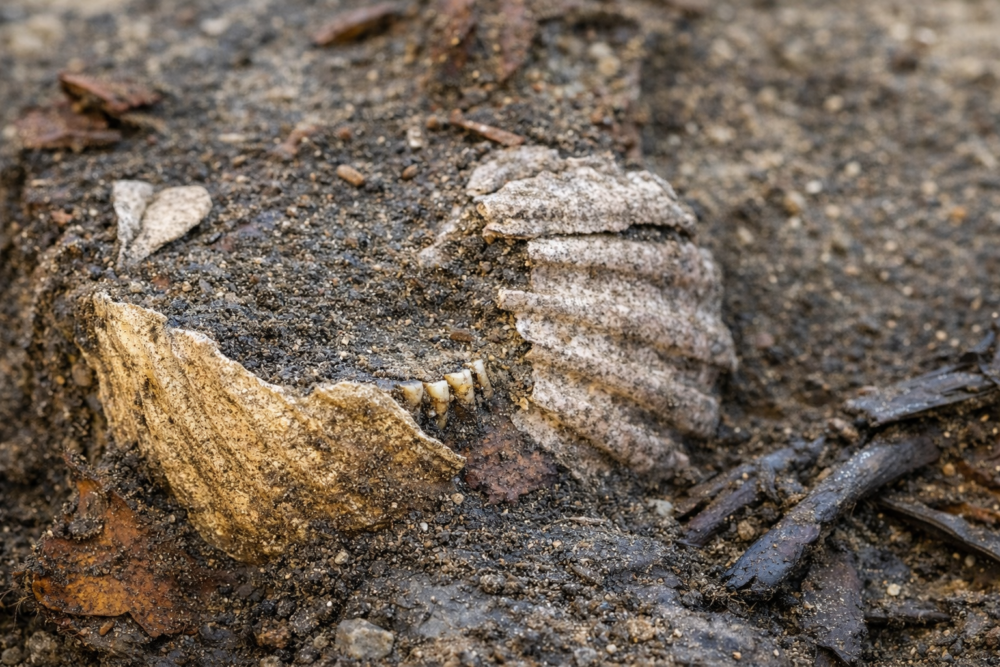
Archaeologists investigating a Viking-Age burial in Norway have uncovered a grave unlike any previously documented. The remains belonged to a woman buried with an unusual and highly symbolic arrangement of objects, including scallop shells placed near her mouth. Experts say the burial does not fit known Norse traditions and may point to beliefs or rituals that were previously unknown. The discovery is forcing researchers to rethink assumptions about Viking funerary practices, cultural influences, and the roles women may have held during the Viking Age.
1. The grave was discovered during a routine excavation in Norway.
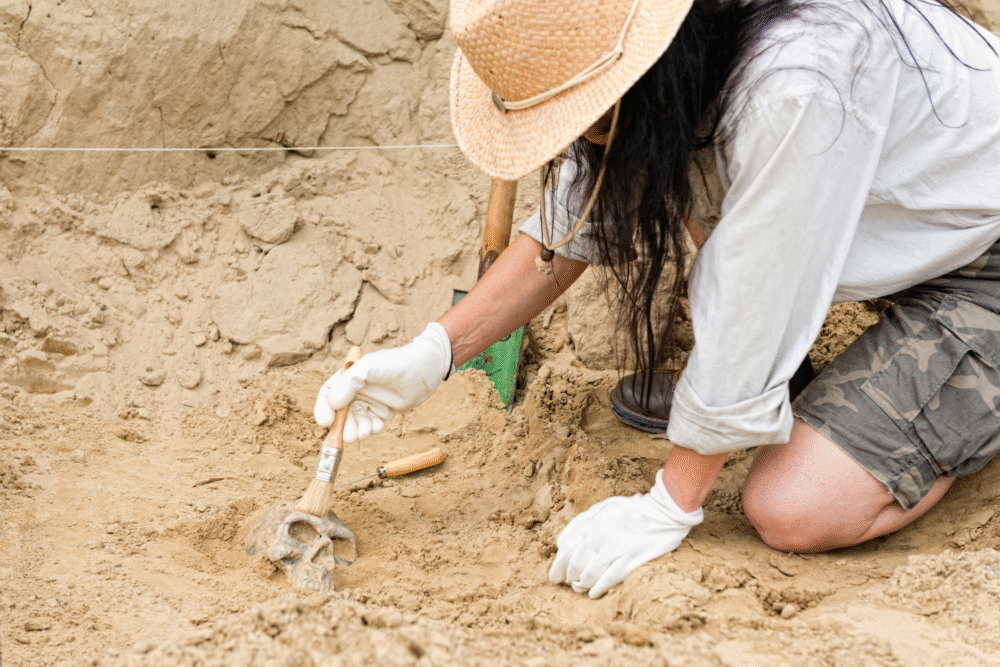
The burial was uncovered during archaeological work in western Norway, an area rich in Viking-Age history. At first, the grave appeared relatively ordinary, consistent with other burials from the period. However, as researchers carefully documented the remains and surrounding artifacts, several unusual features quickly stood out. These elements did not match any known Viking burial patterns.
What began as a standard excavation soon turned into something far more significant. Archaeologists realized they were looking at a burial that did not follow established customs, suggesting a unique ritual or belief system previously undocumented in Viking-Age Scandinavia.
2. The remains belonged to a woman buried during the Viking Age.
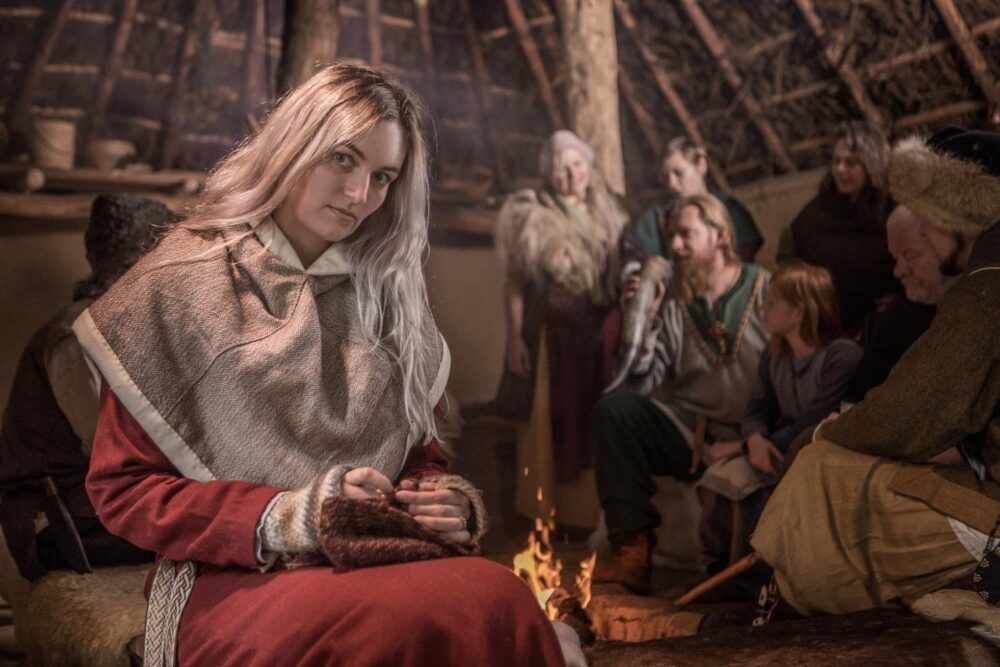
Analysis of the skeletal remains confirmed the individual was an adult woman dating to the Viking Age, roughly between the late 800s and early 900s CE. Women’s burials from this period are relatively well studied, making the unusual features of this grave especially striking to experts familiar with Norse funerary traditions.
The woman was not buried with typical high-status grave goods such as weapons or elaborate jewelry. Instead, the grave’s significance appears tied to symbolism rather than wealth, raising questions about her role, beliefs, or social identity within her community.
3. Scallop shells were placed in an unprecedented position.
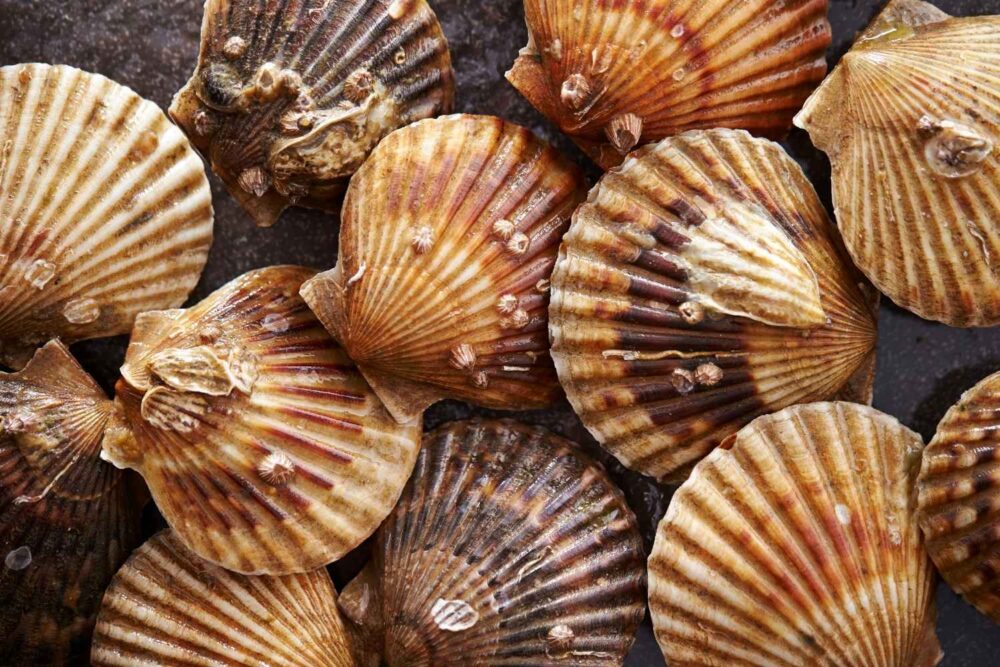
The most baffling element of the burial was the placement of scallop shells near the woman’s mouth. This arrangement has no known parallel in Viking-Age archaeology. Scallop shells were not commonly used in Norse graves, and their positioning suggests deliberate symbolic intent rather than decoration.
Researchers believe the shells were placed carefully during burial, possibly as part of a ritual act. The meaning remains unclear, but the choice of shells—objects associated in other cultures with travel, protection, or spiritual transition—has sparked intense debate among archaeologists.
4. The burial does not match known Viking funerary traditions.
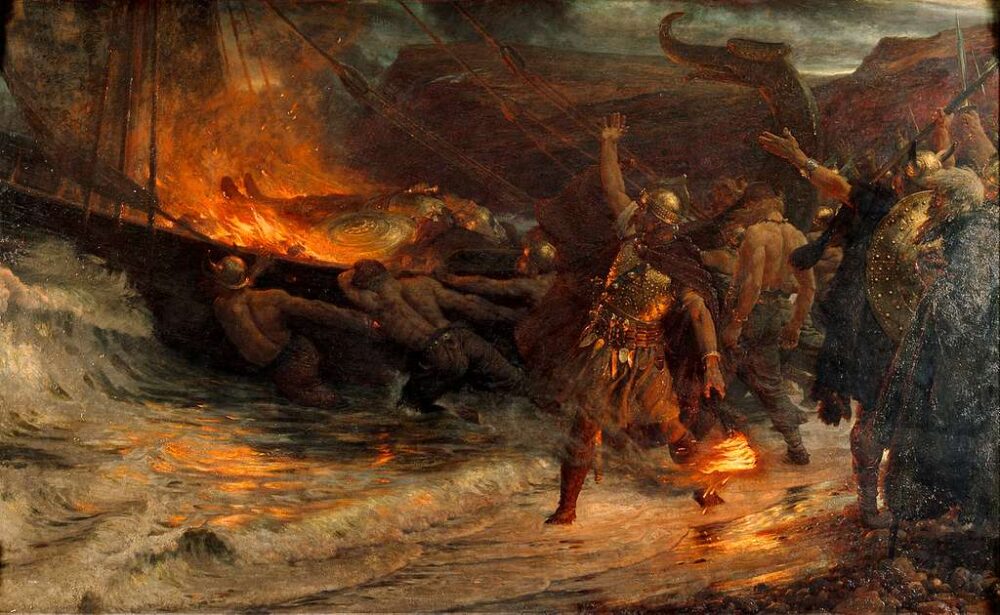
Viking-Age burials typically follow recognizable patterns, including cremation or inhumation accompanied by specific types of grave goods. This grave breaks those conventions. The combination of objects, body placement, and symbolic materials sets it apart from both elite and everyday Viking burials.
Because Norse burial customs were deeply tied to beliefs about the afterlife, this deviation suggests alternative spiritual ideas or external cultural influences. Archaeologists caution against speculation but agree the grave challenges long-standing assumptions about Viking ritual uniformity.
5. Researchers found no evidence of Christian burial practices.
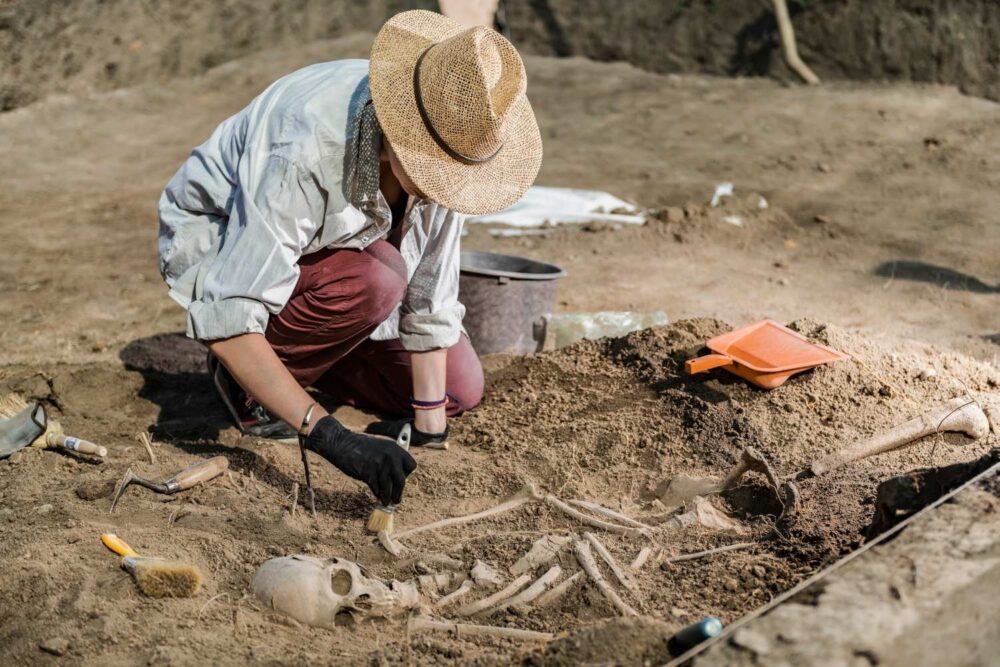
Despite the unusual nature of the grave, archaeologists found no clear indicators of early Christian burial traditions, which were beginning to spread in Scandinavia during this period. The body orientation, lack of Christian symbols, and grave construction do not align with known Christian customs.
This absence suggests the burial was not part of early conversion practices. Instead, it appears rooted in a belief system distinct from both traditional Norse paganism and Christianity, further deepening the mystery surrounding the woman and her community.
6. The shells may indicate long-distance connections.

Scallop shells are not native to inland Norway, raising the possibility that they were acquired through travel or trade. Vikings were known for extensive trade networks reaching across Europe, and exotic objects were sometimes used for symbolic purposes.
The presence of these shells may indicate cultural contact beyond Scandinavia. Archaeologists are considering whether the burial reflects influences from other regions, where shells held spiritual or ritual significance, suggesting a blending of ideas during the Viking Age.
7. The woman may have held a special social or ritual role.
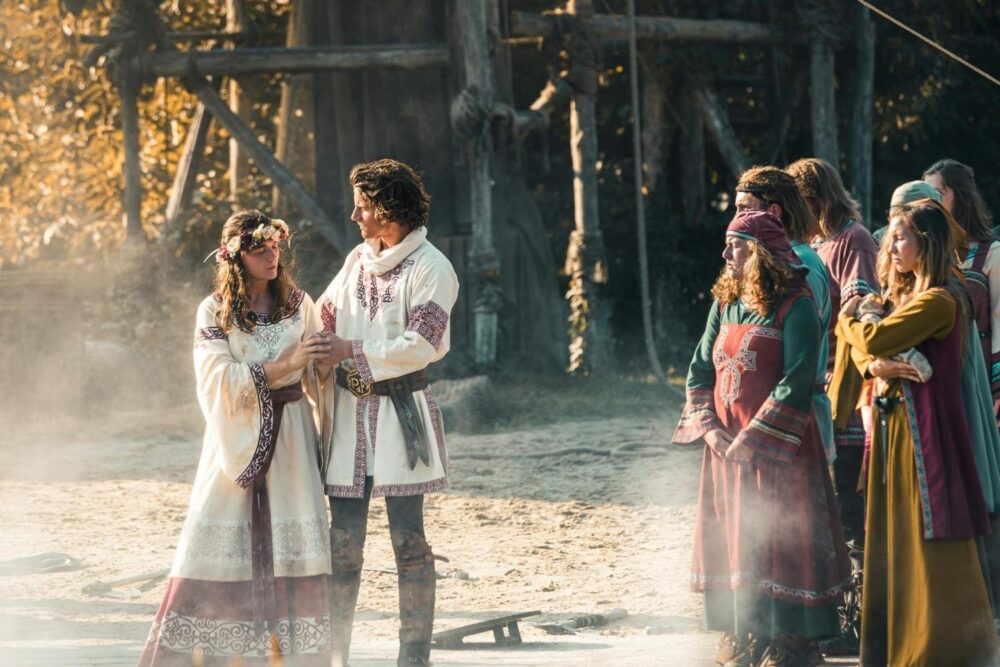
Some researchers speculate that the woman may have occupied a unique position within her society, possibly connected to ritual practices, healing, or spiritual mediation. While there is no direct evidence of her role, the care taken in the burial suggests intentional symbolism rather than random placement.
Viking-Age women are increasingly recognized as holding diverse roles beyond domestic life. This burial adds to growing evidence that women may have been central to certain ceremonial or spiritual traditions previously overlooked by archaeology.
8. The grave challenges assumptions about Viking belief systems.
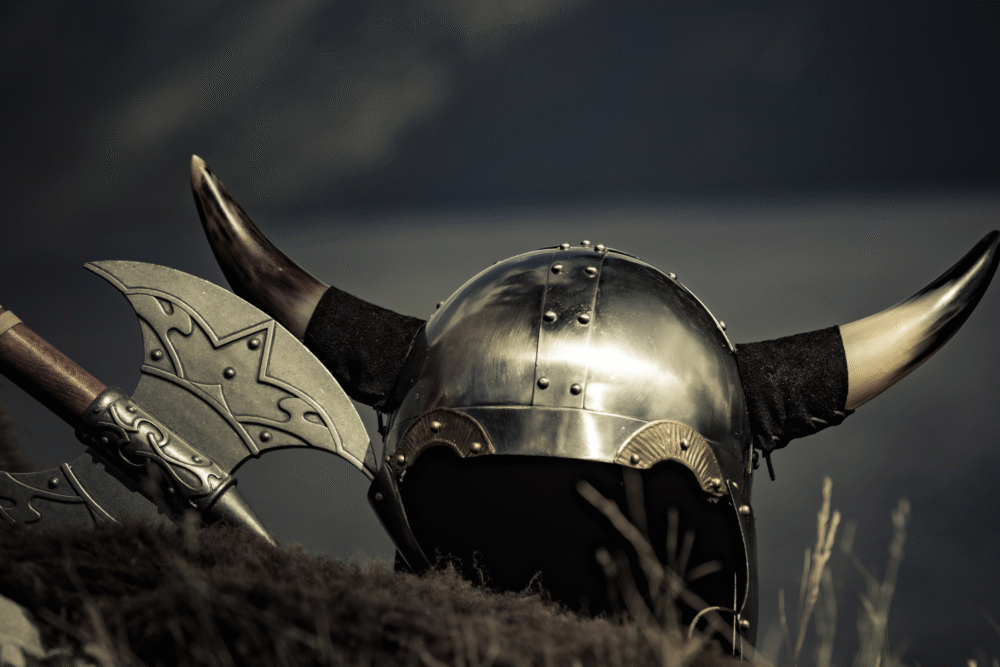
For decades, Viking religion has been understood through a relatively narrow lens focused on gods, warriors, and heroic death. This burial complicates that narrative by introducing unfamiliar symbols and ritual behavior.
Archaeologists stress that Norse belief systems were likely more varied than surviving texts suggest. This grave supports the idea that regional traditions and personal beliefs played a larger role in Viking spiritual life than previously assumed.
9. The find highlights how little we still know about Viking rituals.
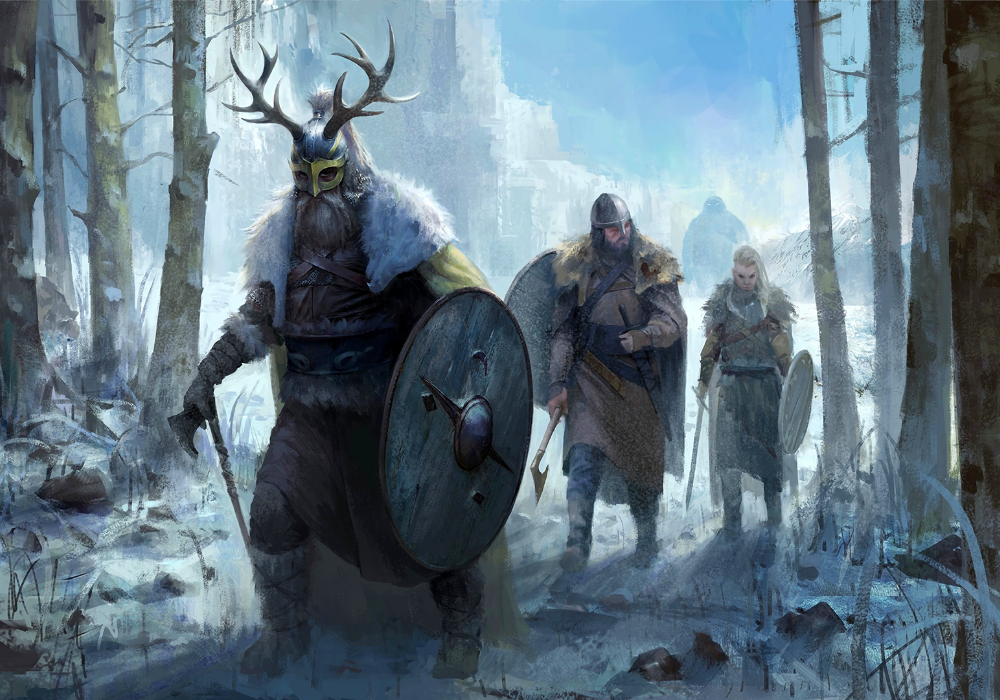
Despite extensive research, Viking funerary practices remain only partially understood. Written sources are limited, and archaeology continues to reveal unexpected variations. This burial underscores how much remains unknown about everyday beliefs and death rituals.
Each new discovery helps refine the broader picture, but it also raises new questions. This grave serves as a reminder that Viking society was complex, diverse, and not governed by a single, uniform set of traditions.
10. Scientists are using careful analysis to avoid speculation.
Researchers emphasize the importance of restraint when interpreting the burial. Without direct written records, conclusions must be grounded in material evidence rather than modern assumptions. Ongoing analysis includes comparisons with other graves and broader cultural contexts.
By documenting the burial in detail and acknowledging uncertainty, archaeologists aim to build a more accurate understanding over time. The unusual features are treated as data points rather than proof of any single theory.
11. The discovery may reshape future Viking research.
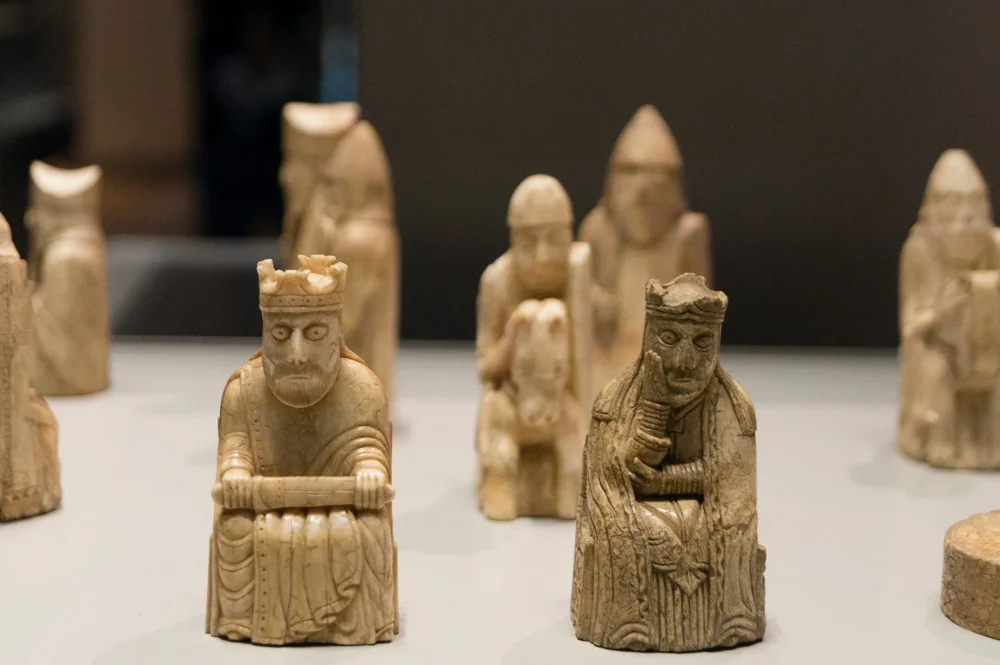
This unprecedented burial is likely to influence how archaeologists approach Viking-Age graves moving forward. It encourages researchers to remain open to regional variation and symbolic diversity rather than fitting discoveries into established frameworks.
As new excavations continue across Scandinavia, experts believe more unconventional burials may emerge. This grave serves as a powerful reminder that even well-studied cultures can still surprise us—and that the Viking world was far more complex than legend suggests.