
New research uncovers a surprising feline that lived alongside early farmers long before modern cats arrived.
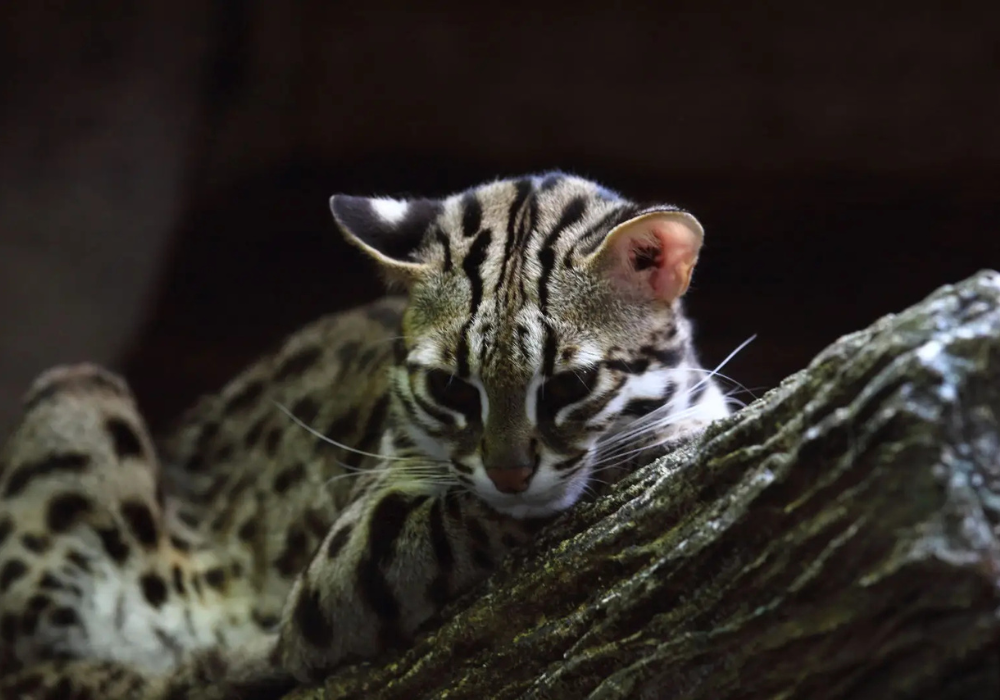
A new genetic study has revealed that the earliest “cats” living alongside humans in ancient China weren’t the same species we keep as pets today. According to researchers analyzing ancient DNA from Neolithic sites, these small felines were actually leopard cats, a wild species native to Asia, not the Near Eastern wildcats that eventually gave rise to modern domestic cats. Their relationship with humans appears to have formed independently. The findings suggest that early Chinese farmers developed their own distinct bond with local cats thousands of years before today’s domestic cats reached the region.
1. Leopard cats were the first felines to live near early Chinese farmers.
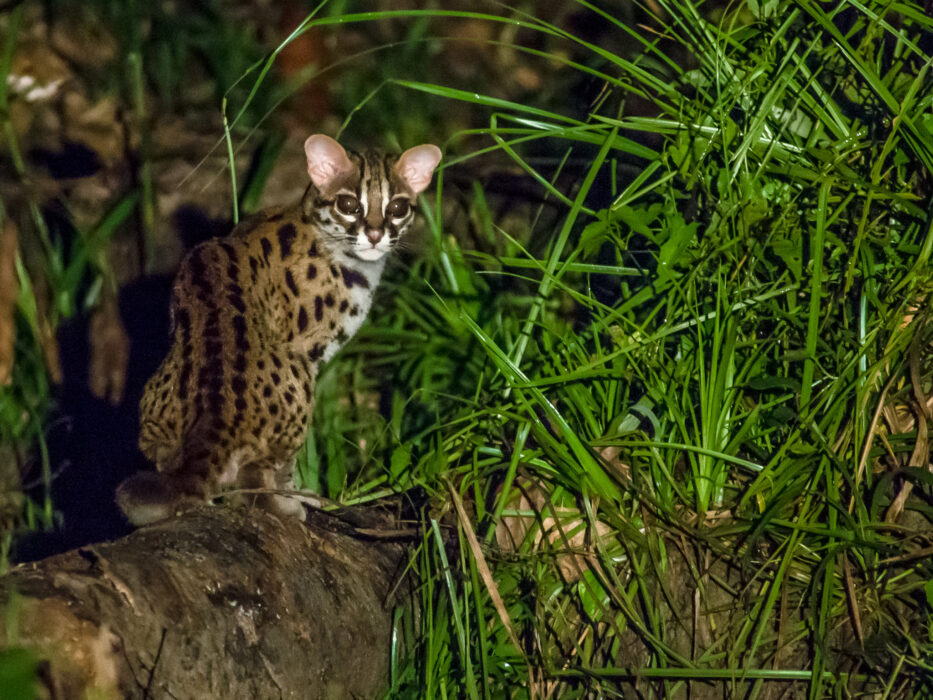
Ancient bones recovered from farming settlements in northern China date back more than 5,000 years. Genetic testing shows these animals were leopard cats, not the ancestors of modern domestic cats. This species is widespread across East and Southeast Asia and is known for its adaptability, making it more likely to frequent human environments in early agricultural communities.
Researchers believe these leopard cats were attracted to grain stores and rodents, creating a mutually beneficial relationship. Humans received pest control, while the cats gained reliable access to food sources—mirroring early domestication patterns elsewhere in the world.
2. Their relationship with humans formed independently from cat domestication in the West.
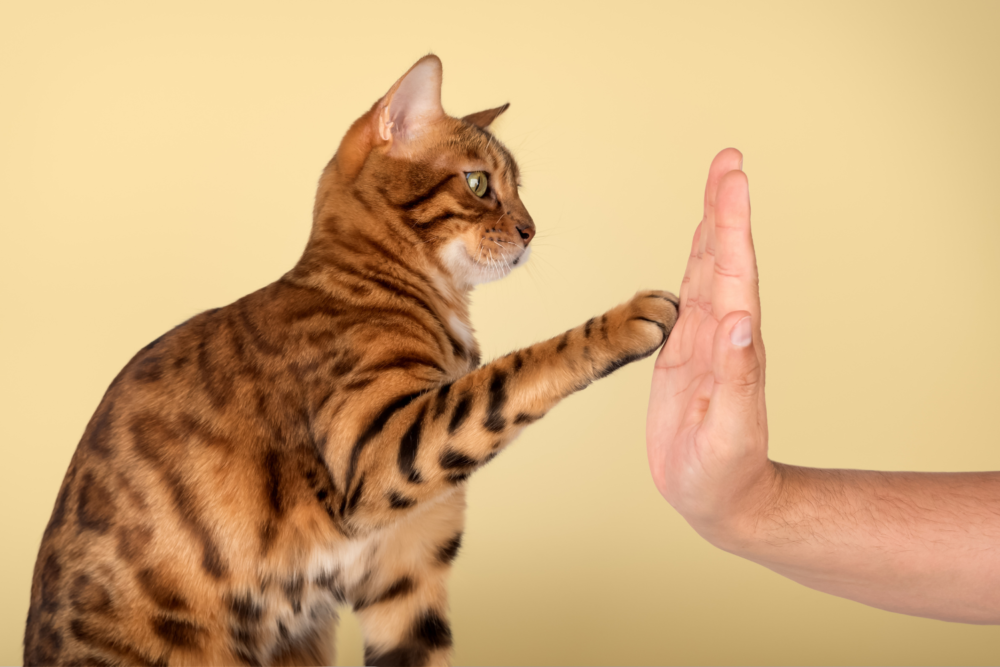
Modern domestic cats trace their origins to the Near Eastern wildcat, which became associated with early farmers more than 10,000 years ago. The new study shows that ancient China experienced a similar but separate process involving a different species. This means cat–human relationships developed independently in multiple regions, each shaped by local ecological conditions.
This finding shifts the traditional narrative of cat domestication. Rather than a single pathway, domestication may have occurred more than once. The Chinese case illustrates an early partnership that evolved separately from the lineage that produced today’s pet cats.
3. DNA from 5,400-year-old bones confirmed the species difference.

Researchers used ancient DNA extracted from Neolithic cat bones to identify their genetic signature. The results clearly matched the leopard cat, not the Near Eastern wildcat. This is the first genetic confirmation that early Chinese farming communities interacted with a different feline lineage long before the arrival of domestic cats.
Ancient DNA methods allow scientists to reconstruct evolutionary relationships with increasing precision. In this case, the genetic evidence resolved decades of debate about what kind of cats lived with early Chinese farmers. The DNA left little doubt: these early companions were wild leopard cats.
4. Archaeological evidence shows these cats lived close to human settlements.
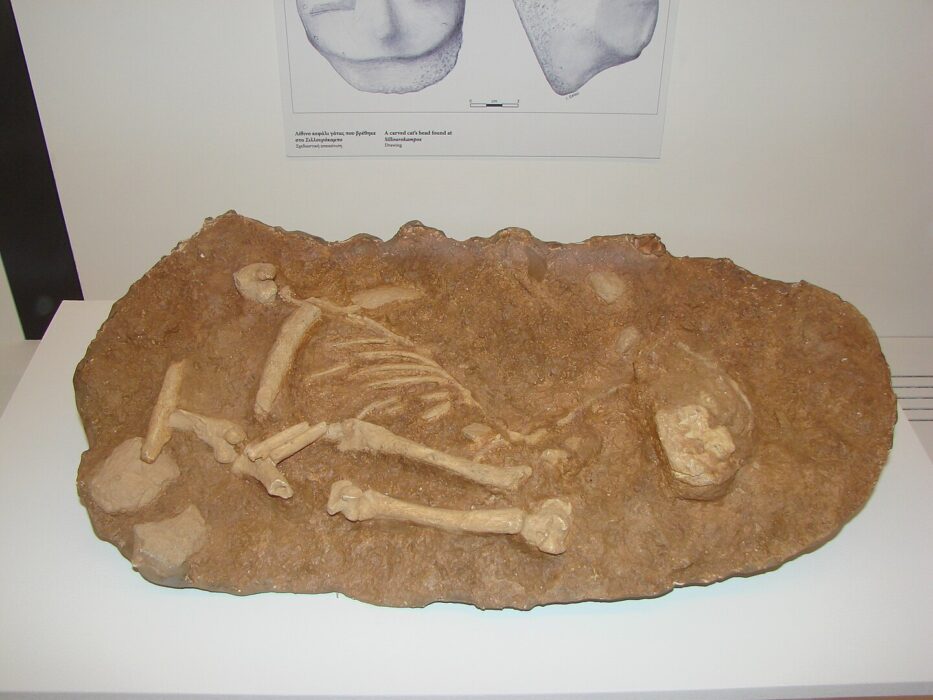
Excavations at sites such as Quanhucun have uncovered cat remains located near human homes and storage areas. Some bones show signs of unusually good nutrition, suggesting that the cats had access to human food sources or were intentionally fed by people. This close proximity indicates that humans tolerated—and perhaps encouraged—their presence.
This pattern resembles early domestication behaviors seen in other regions. Even though the cats remained genetically wild, the archaeological context hints at a growing familiarity between humans and leopard cats as agricultural life expanded.
5. Leopard cats helped protect grain stores from rodents.

As early farming communities grew, stored grain attracted mice and rats. Leopard cats are skilled hunters and would have been drawn to abundant prey around human settlements. Their presence likely helped reduce food loss, giving farmers an incentive to tolerate or support these animals.
This early form of pest control mirrors the role that Near Eastern wildcats played in the Fertile Crescent. In both cases, cats benefited from easy access to rodents, while humans enjoyed reduced crop damage. The partnership arose naturally from shared ecological interests.
6. These cats were never fully domesticated like today’s pets.
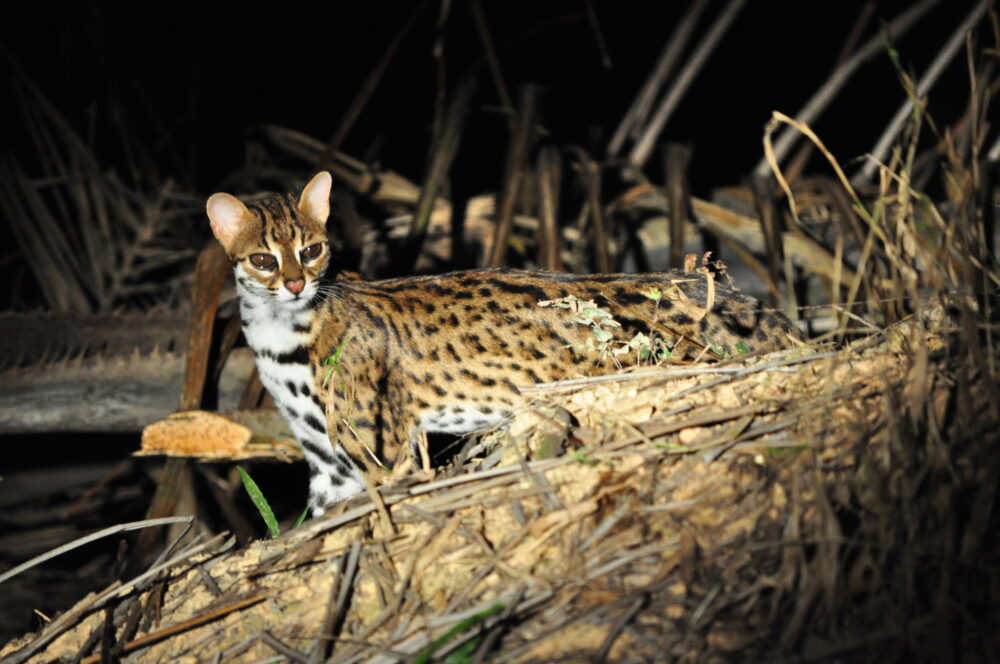
Despite their close proximity to humans, leopard cats did not undergo the same domestication process as Near Eastern wildcats. Their DNA shows no signs of long-term selective breeding or genetic divergence that would indicate true domestication. Instead, they remained wild animals that lived alongside people without becoming dependent on them.
Modern leopard cats still behave much like their ancient counterparts—solitary, elusive, and cautious around humans. Their limited domestication is why today’s household cats are not descended from this early Chinese lineage.
7. Near Eastern domestic cats arrived in China much later.
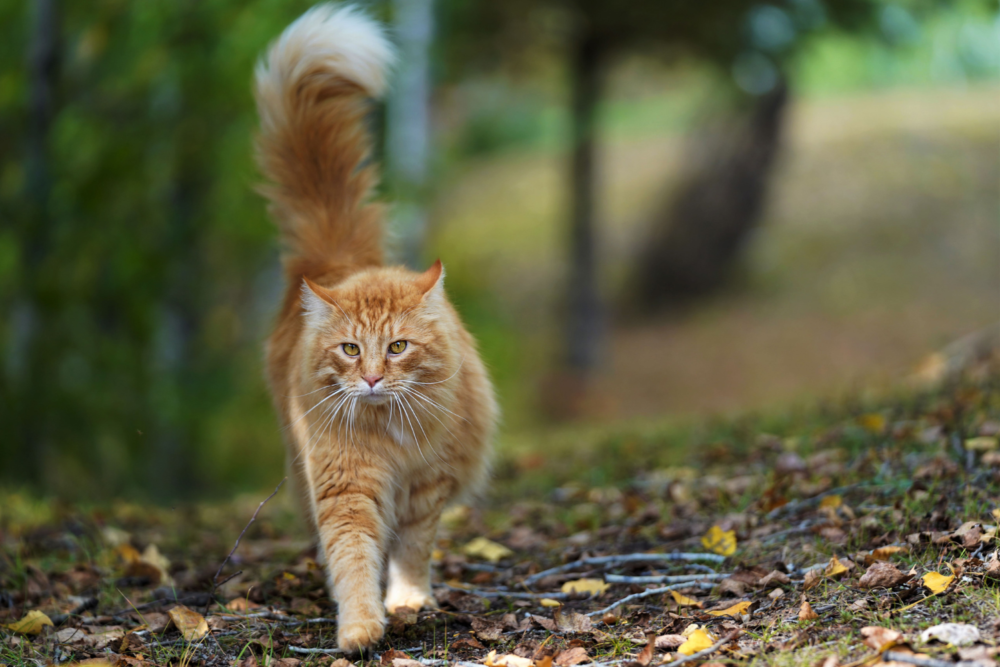
Archaeological and genetic evidence shows that true domestic cats from the Near East did not reach China until the Bronze Age, thousands of years after leopard cats first appeared in farming communities. Once they arrived, they gradually became the preferred companion species due to their more sociable nature and closer evolutionary ties to human environments.
Over time, these incoming domestic cats replaced the earlier leopard cat association. This shift explains why modern Chinese cats belong to the same species as cats elsewhere in the world rather than to the native leopard cat lineage.
8. The study reveals cat domestication was more complex than once believed.
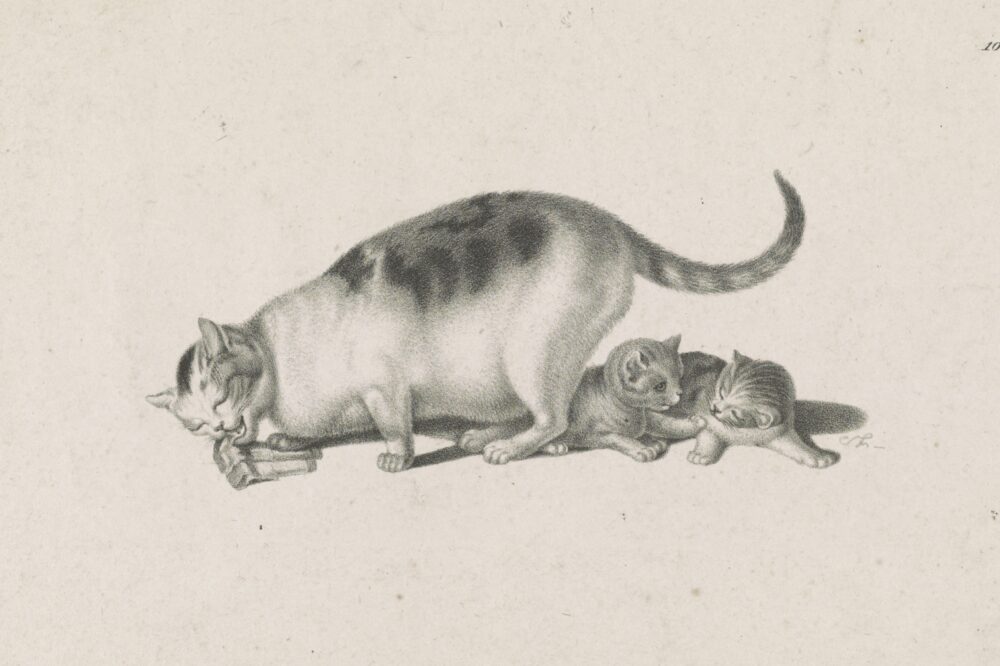
For many years, scientists assumed cat domestication followed a single pathway from the Near East to the rest of the world. The new findings from China show that the story is far more complicated. Multiple human communities seem to have developed their own relationships with local wildcats long before the spread of modern domestic cats.
This complexity mirrors other domestication processes, such as those of pigs and cattle, which also involved multiple regions and species. The Chinese leopard cat case highlights how human–animal relationships can evolve independently across cultures.
9. Leopard cats show how local species adapt to human environments.
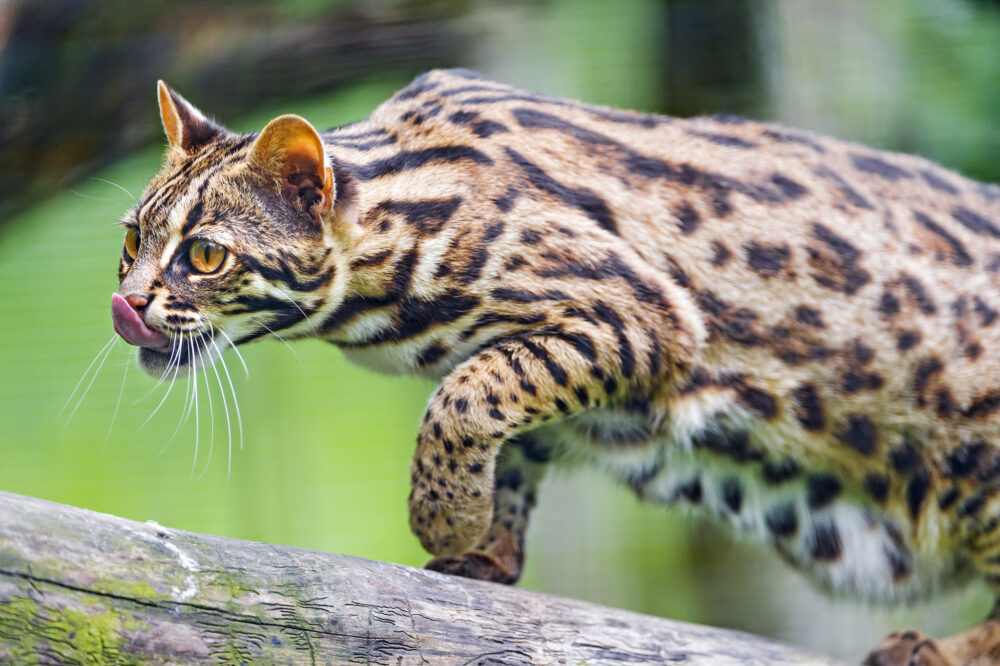
Leopard cats are highly adaptable and known for living near farmlands, villages, and forest edges. Their ability to thrive in human-modified environments makes them ideal early companions for agricultural societies. This adaptability likely encouraged frequent contact with people as settlements expanded across the region.
Modern studies still find leopard cats living near farms and rural areas in East Asia. Their long history of coexistence with humans demonstrates how wildlife can adjust to new ecological niches created by agriculture and settlement patterns.
10. Ancient Chinese farmers may have viewed these cats as valuable allies.

Although leopard cats were not domesticated, archaeological evidence suggests farmers recognized their usefulness. Cat bones found near grain stores indicate their role in controlling rodent populations, and the presence of well-fed individuals suggests that some cats were tolerated or even encouraged to stay near human homes.
This early appreciation for feline pest control likely laid the groundwork for the later acceptance of true domestic cats. The benefits of coexisting with small wild predators were clear to ancient farmers facing rodent threats.
11. The findings reshape our understanding of early cat–human relationships.
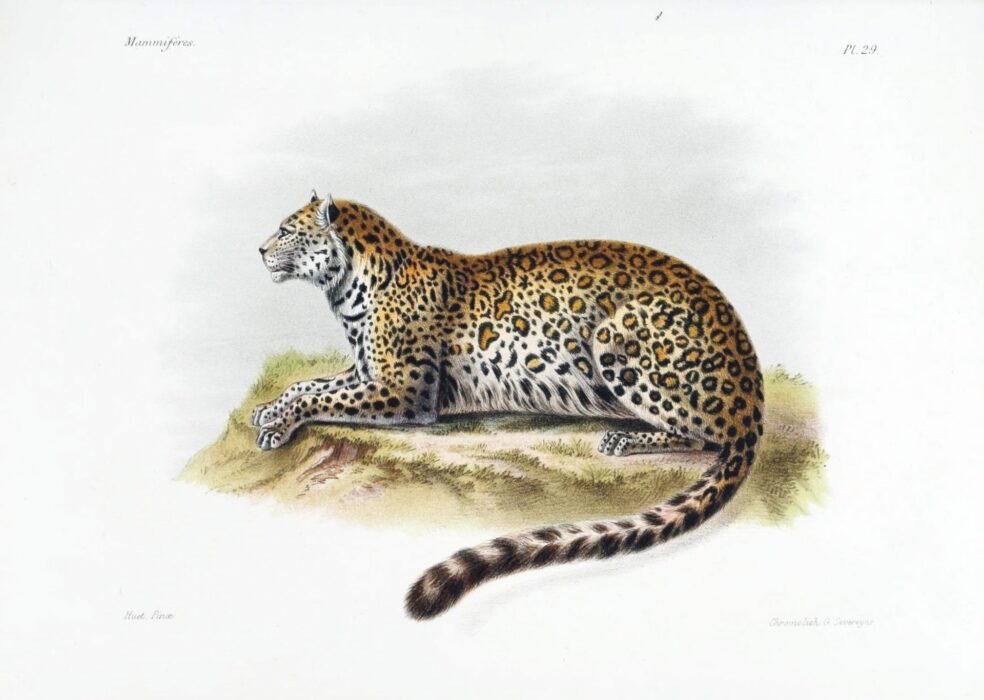
The discovery that ancient Chinese “cats” were leopard cats changes how scientists interpret early feline history. It shows that humans did not rely on a single domesticated species worldwide, but instead formed local partnerships with whichever animals fit their ecological needs. These multiple origins challenge the traditional story of a single domestication pathway.
As researchers continue analyzing ancient DNA, they expect to uncover even more regional variations in early animal domestication. The Chinese leopard cat example reveals just how diverse—and surprising—these human–animal relationships can be.