
Your brain quietly prepares you to wake up before the alarm ever has a chance to ring.

Most people have experienced that uncanny moment when they wake up naturally just minutes before their alarm goes off. According to an article in ScienceAlert summarizing research by sleep scientists from The Conversation and the University of the Sunshine Coast, this isn’t random chance—it’s your body clock at work. Researchers explain that a tiny region in the brain called the suprachiasmatic nucleus acts as a precise internal timer, coordinating hormones and sleep-wake signals to prepare your body for morning even before any sound is heard.
1. Your internal clock sets your daily wake-up rhythm.

Your circadian rhythm acts as your body’s master schedule keeper, regulating sleep, alertness, temperature, and hormone release. Once your brain becomes accustomed to waking at a certain hour, it begins preparing for that process ahead of time. This predictable cycle helps explain why people often wake up naturally at roughly the same time each day, even without an alarm.
Because circadian signals operate on a near-24-hour loop, the brain anticipates upcoming transitions. As your usual wake time approaches, your internal clock begins shifting your body into a lighter sleep stage, making early awakening more likely.
2. A pre-wake hormone surge nudges you out of sleep.

Scientists have found that just before your expected wake time, your body increases production of cortisol. This hormone is often associated with stress, but early-morning cortisol spikes are normal and healthy. They help raise your heart rate, elevate metabolism, and prepare your body for activity. This natural surge can rouse you slightly, making it easier to wake before your alarm ever sounds.
If you wake a few minutes early, it’s often because this hormonal boost has already shifted your body into a more alert state. The surge creates a window where light sleep transitions into wakefulness.
3. Your brain learns to anticipate your alarm time.

When you wake up at the same time every day, even artificially, your brain treats that alarm time as a fixed schedule. Over time, the nervous system adapts by predicting when the alarm will occur. This anticipation gets stronger the more consistent your routine becomes, allowing your body to adjust in advance.
This learning process is similar to Pavlovian conditioning. The brain links certain times of day with specific responses, including waking up. As a result, your body can begin its wake-up process minutes before the alarm, often without conscious awareness.
4. Light sleep cycles increase before a habitual wake time.

Sleep isn’t a single uninterrupted state—it shifts through stages repeatedly throughout the night. As morning approaches, humans tend to spend more time in lighter sleep phases, especially if the brain expects wakefulness soon. These lighter stages make it easier for small internal cues, like hormonal changes, to wake you naturally.
Because deep sleep becomes less frequent closer to morning, people are more likely to emerge naturally from sleep. This transition contributes to the surprising accuracy with which many wake before their alarms.
5. Anticipation reduces the jolt of sudden waking.

Scientists believe the brain’s early-wake preparation evolved to prevent the shock of sudden danger. In ancient environments, waking abruptly to a threat could be disorienting, so the brain developed systems to ease into wakefulness. This gentle transition still operates today, making pre-alarm waking feel surprisingly natural.
Your body prefers a smooth rise to alertness rather than an abrupt interruption. The automatic pre-wake adjustments help you regain awareness gradually, lowering stress and reducing the physical jolt that comes with a loud alarm.
6. Regular sleep schedules train the internal alarm.

Consistency reinforces biological timing. When you go to bed and wake up at similar hours each day, your circadian rhythm stabilizes, making pre-alarm waking far more likely. Even small changes, like staying up late, can disrupt this timing and cause you to sleep through your usual early-wake window.
Over time, your internal clock becomes more accurate, often aligning perfectly with your preferred wake-up time. This training is why people with long-standing routines tend to rely less on alarms—they simply wake at the same time naturally.
7. Cortisol misalignment can wake you even earlier.

While a normal cortisol rise occurs shortly before your wake time, stress or inconsistent sleep can shift this surge earlier than usual. When that happens, people may wake up long before they intend to, sometimes hours early. This isn’t your alarm anticipation at work—it’s a mistimed hormonal response.
Poor sleep quality, anxiety, and irregular schedules can amplify this effect. When cortisol peaks too soon, it creates a false wake signal, pulling you out of sleep prematurely and making it harder to fall back asleep.
8. Anticipation can become stronger when alarms cause anxiety.

If your alarm has ever startled you awake or you rely heavily on it for work or travel, your brain may begin preparing even earlier. This anxiety-based anticipation makes your internal alarm more sensitive, encouraging early awakenings. People often notice this effect before important mornings, such as flights or deadlines.
The heightened vigilance reflects your brain’s attempt to avoid oversleeping. Instead of allowing deeper sleep, the body stays slightly more alert during the early morning hours, increasing the chance of waking before the alarm sounds.
9. Your brain monitors time even while you sleep.

Sleep may feel like a fully unconscious state, but internal timekeeping continues throughout the night. Research shows that the brain tracks the passage of time using rhythmic processes tied to circadian cues. These signals help your body maintain awareness of the night’s progression and prepare for morning transitions.
This internal monitoring allows the brain to initiate wake-up processes at the appropriate time. Even without external cues, your body knows when morning is approaching, enabling precise wake patterns that align closely with your normal routine.
10. Early awakening helps regulate morning alertness.

Waking a few minutes before your alarm can make mornings feel less groggy. Because the wake-up process is already in motion, you transition more smoothly into full consciousness. Researchers say this could be one reason the internal alarm evolved—to help optimize daily energy patterns.
When you wake naturally, you skip the abrupt spike in heart rate caused by sudden noise. This smoother transition can make mornings feel more manageable and help maintain better cognitive performance during the first hours of the day.
11. Disrupted routines weaken internal timing signals.
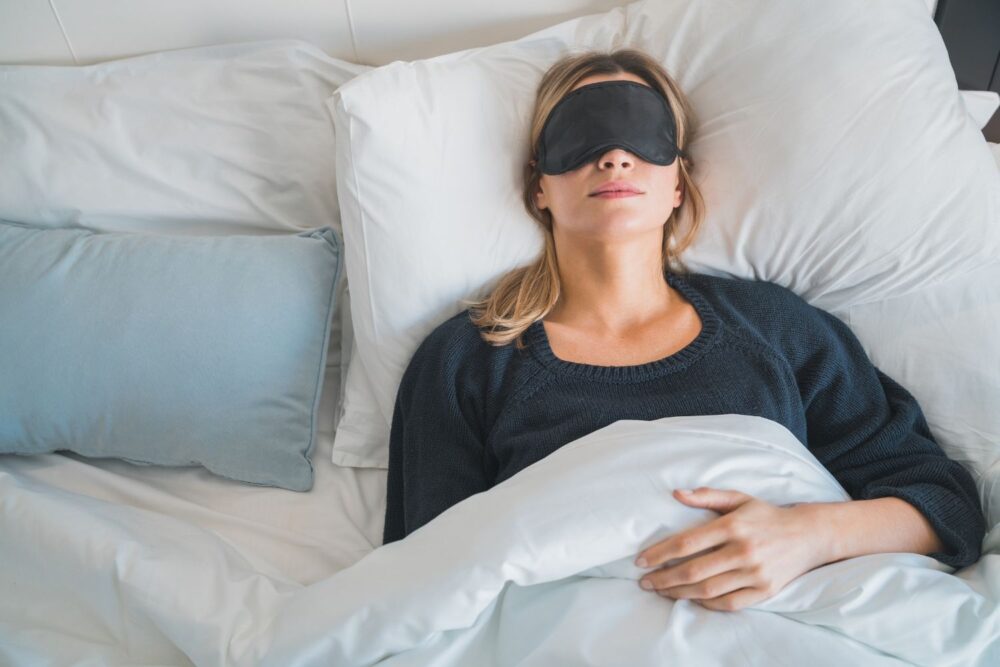
The ability to wake before an alarm depends heavily on consistent sleep patterns. When routines are irregular—due to travel, shift work, illness, or late nights—the circadian system struggles to predict wake time accurately. This disruption makes early awakening far less likely.
Jet lag, for example, confuses the internal clock, causing wake signals to occur at inappropriate times. Restoring a regular schedule helps recalibrate the system, allowing the brain to once again anticipate your wake time and return to its pre-alarm accuracy.