
New research uncovers the biological and environmental secrets that fueled dinosaur gigantism.

For generations, researchers have tried to understand how dinosaurs achieved sizes far beyond anything living on land today. New scientific work using fossil growth rings, climate reconstructions, and high-resolution imaging is offering clearer insight. Paleontologists point to a powerful mix of biological traits and environmental advantages that helped certain dinosaurs reach extraordinary dimensions.
These discoveries show that dinosaurs didn’t simply scale up from modern reptiles. They operated under a unique evolutionary system shaped by climate, anatomy, and metabolism—one that enabled them to dominate Earth for more than 150 million years.
1. Warm Mesozoic climates supercharged dinosaur growth.
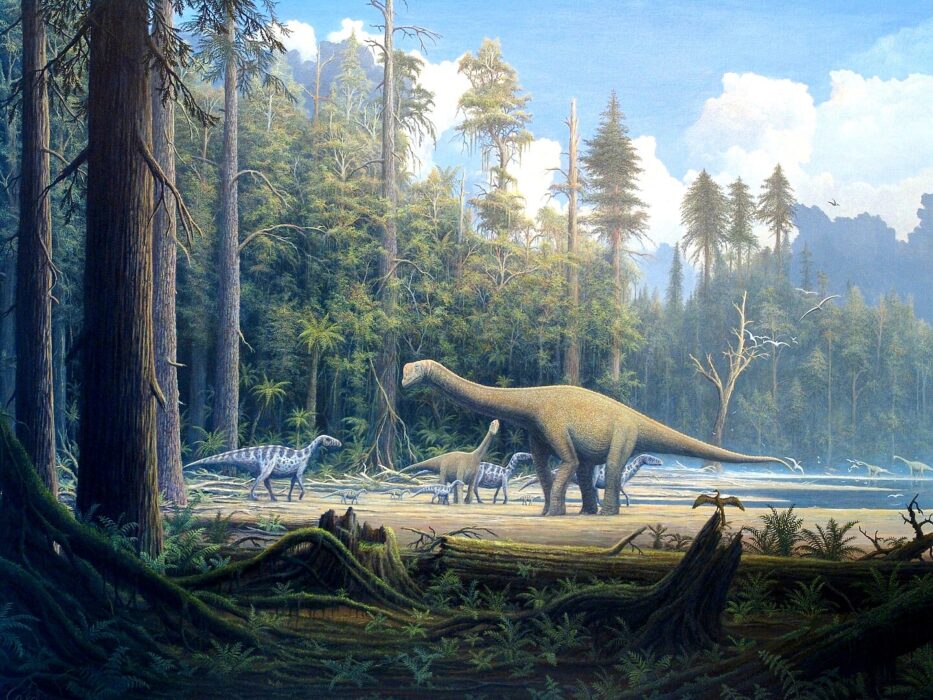
The Mesozoic Era was consistently warm, with fewer dramatic seasonal swings than today. This stability allowed plants to flourish across continents, providing herbivorous dinosaurs with constant, dense vegetation. With abundant food and mild temperatures, dinosaurs experienced fewer metabolic stresses, allowing more of their energy to be redirected toward growth rather than temperature regulation.
Higher global CO₂ levels also amplified plant productivity, creating ecosystems that could support extremely large animals. This combination of stable warmth and rich vegetation gave dinosaurs an environmental advantage unmatched in the modern world, contributing directly to their massive body sizes.
2. Efficient bird-like lungs helped dinosaurs grow larger.
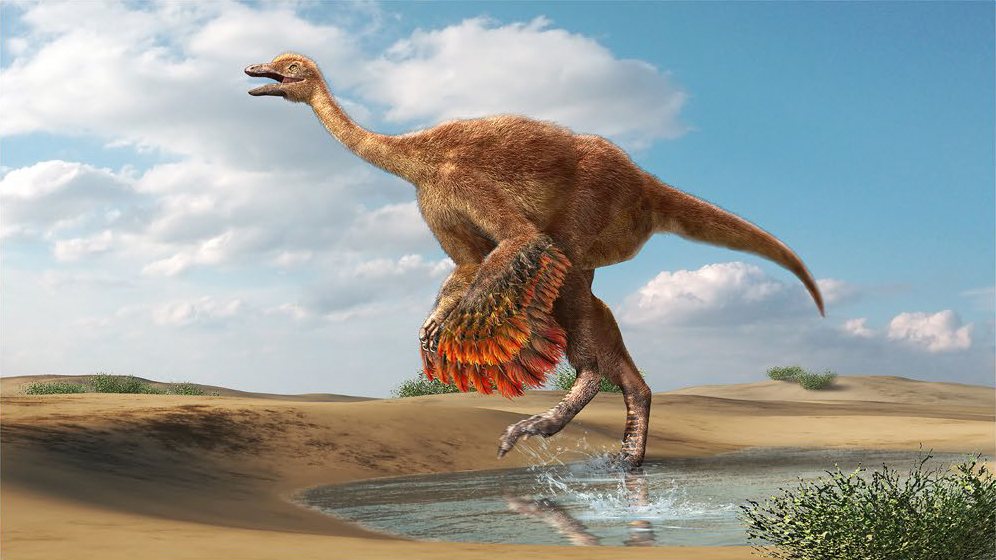
Many dinosaurs possessed respiratory systems similar to those of modern birds, including air sacs that ventilated their lungs with a one-way airflow. This design allowed for highly efficient oxygen exchange, which supported sustained activity and rapid growth. It also helped keep their large bodies from overheating during exertion.
These air sacs extended into the skeleton, creating hollow spaces that reduced overall weight without compromising strength. This unique respiratory adaptation allowed dinosaurs to maintain both size and mobility, giving them a powerful biological advantage that no living land animals share today.
3. Hollow, lightweight bones made huge bodies possible.
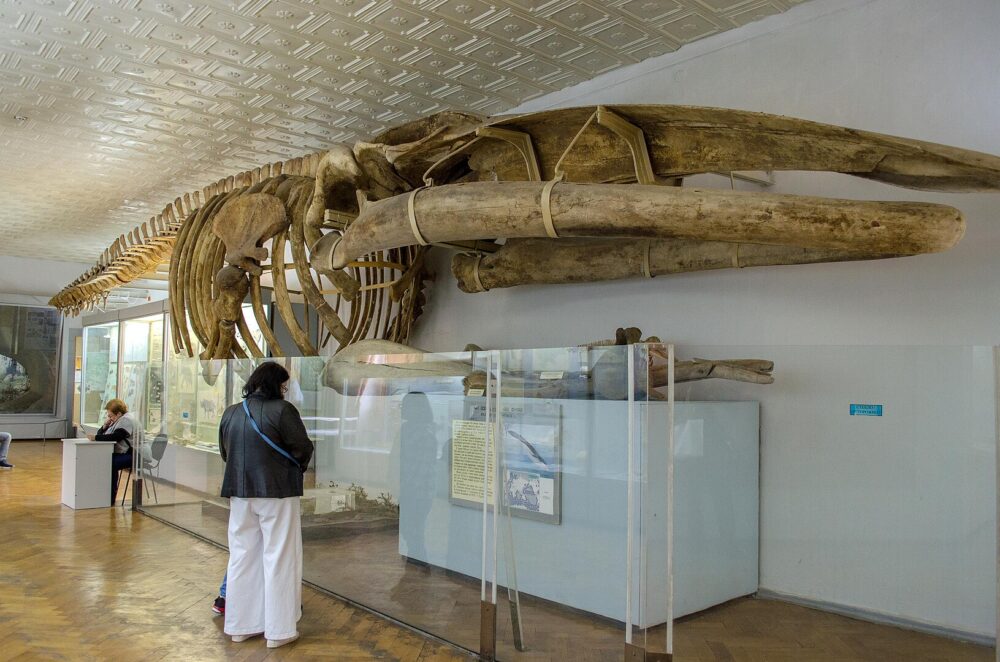
Although many dinosaurs looked heavy and imposing, their skeletons were surprisingly lightweight. Numerous species—including large theropods and sauropods—had hollow or partially hollow bones reinforced with internal struts. This structural system increased strength while significantly reducing weight.
By lowering the mass of their skeletons, dinosaurs could grow to enormous sizes without their bodies collapsing under their own weight. This bone architecture, also seen in birds, allowed giants like Argentinosaurus and other titanosaurs to reach well over 70 tons while still being able to move efficiently across their environments.
4. Rapid growth spurts show dinosaurs matured at record speeds.
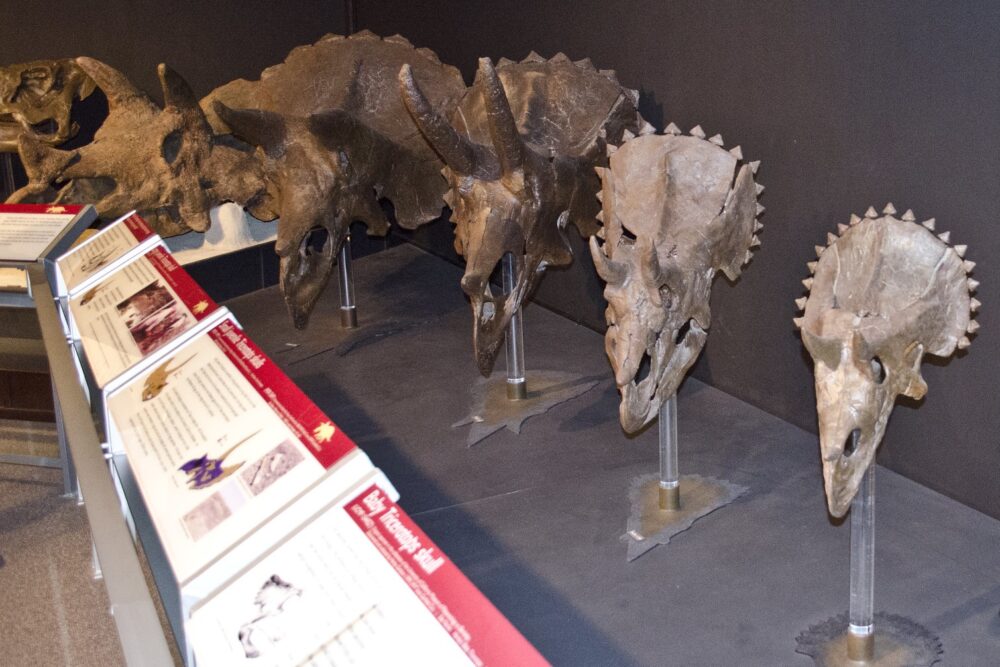
Bone growth rings reveal that many dinosaurs grew at astonishing rates, sometimes adding hundreds of pounds per year during adolescence. This rapid development helped young dinosaurs reach safer, larger sizes quickly, reducing their vulnerability to predators. Their growth patterns resemble those of mammals and birds—far faster than modern reptiles.
This burst-style growth allowed populations to thrive and adapt to changing conditions. By reaching adulthood quickly, dinosaurs could reproduce earlier and more successfully, creating evolutionary momentum that favored even larger and more robust species over millions of years.
5. Gigantic herbivores shaped ecosystems that supported size.
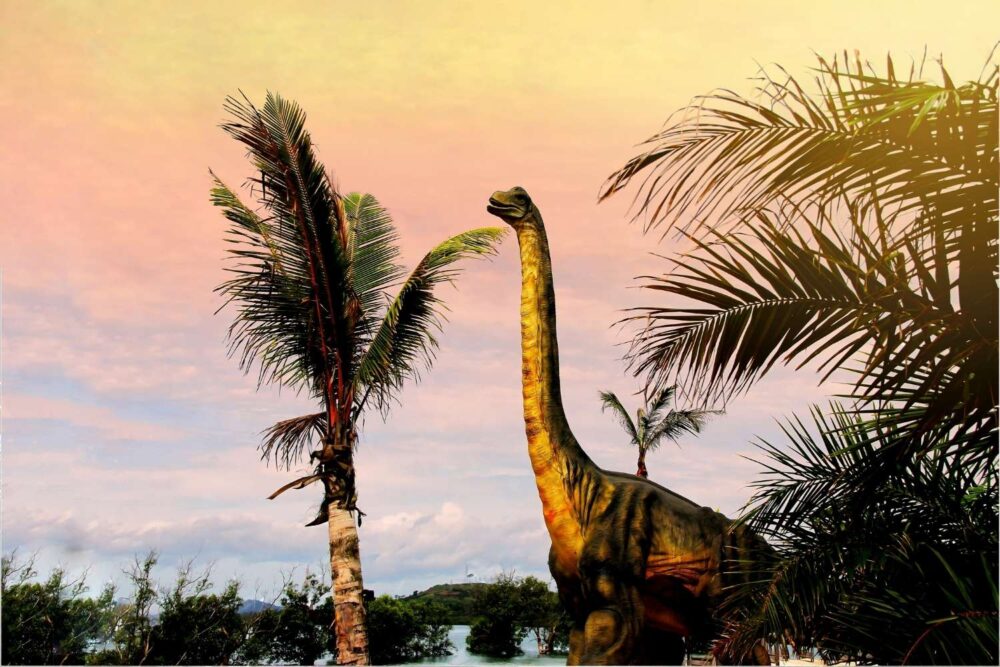
Large herbivorous dinosaurs didn’t just exist within their ecosystems—they transformed them. By consuming massive quantities of vegetation, dispersing seeds, and recycling nutrients, sauropods created landscapes that could rapidly regenerate plant life. This ecological engineering ensured a continuous food supply.
Their influence created stable environments where both herbivores and predators could flourish. The success of these giant plant-eaters reinforced evolutionary pathways toward larger body sizes, allowing ecosystems to sustain some of the biggest creatures ever to walk the Earth.
6. Predator–prey arms races pushed body sizes higher.
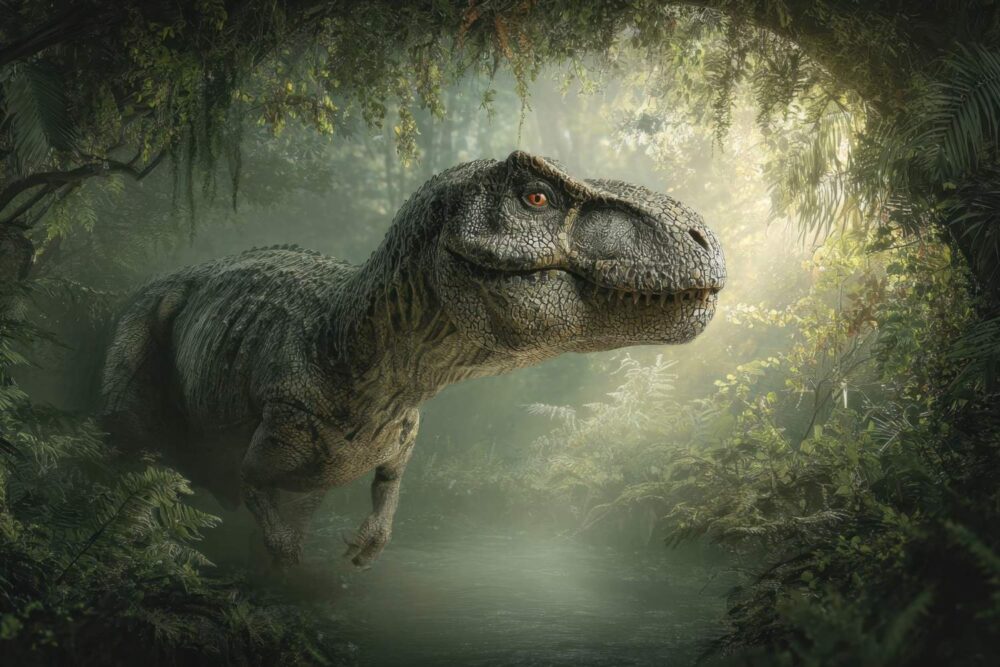
As herbivores evolved larger bodies for protection, predators adapted by growing stronger, faster, and occasionally larger themselves. This evolutionary “arms race” drove dramatic increases in size on both sides. Fossil records show that some of the largest predatory dinosaurs appeared during periods when giant herbivores were most abundant.
This competitive cycle meant that being larger wasn’t just beneficial—it became necessary for survival. Over millions of years, escalating predator–prey pressures reinforced the evolution of massive bodies across multiple dinosaur lineages.
7. Unique reproductive strategies favored rapid population growth.

Dinosaurs laid large clutches of eggs, giving them a reproductive advantage over mammals that produce smaller numbers of offspring. Even with high juvenile mortality, these large broods kept populations stable and genetically diverse. This abundance allowed beneficial traits—such as rapid growth or efficient energy use—to spread quickly.
Bigger populations accelerate evolutionary experimentation. With more individuals competing for resources, natural selection had greater opportunities to favor traits that supported the development of large and thriving species.
8. Specialized diets allowed for efficient energy use.
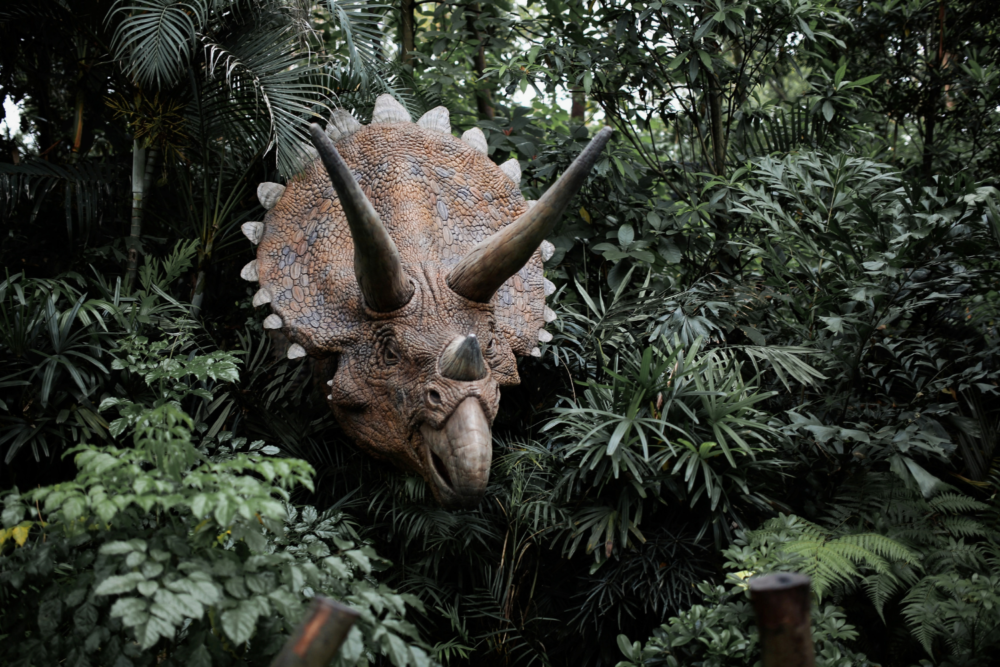
Herbivorous dinosaurs evolved digestive systems capable of processing huge amounts of fibrous, low-calorie plants. Many likely relied on fermentation chambers similar to those in today’s large plant-eating mammals, allowing them to extract maximum nutrients from tough vegetation. This efficiency helped fuel sustained growth.
Carnivorous dinosaurs developed equally specialized jaws and teeth suited for slicing, tearing, or crushing prey. These dietary adaptations reduced the time and energy needed to obtain food, allowing more biological resources to be allocated toward growing massive bodies.
9. Long necks allowed access to vast food supplies.
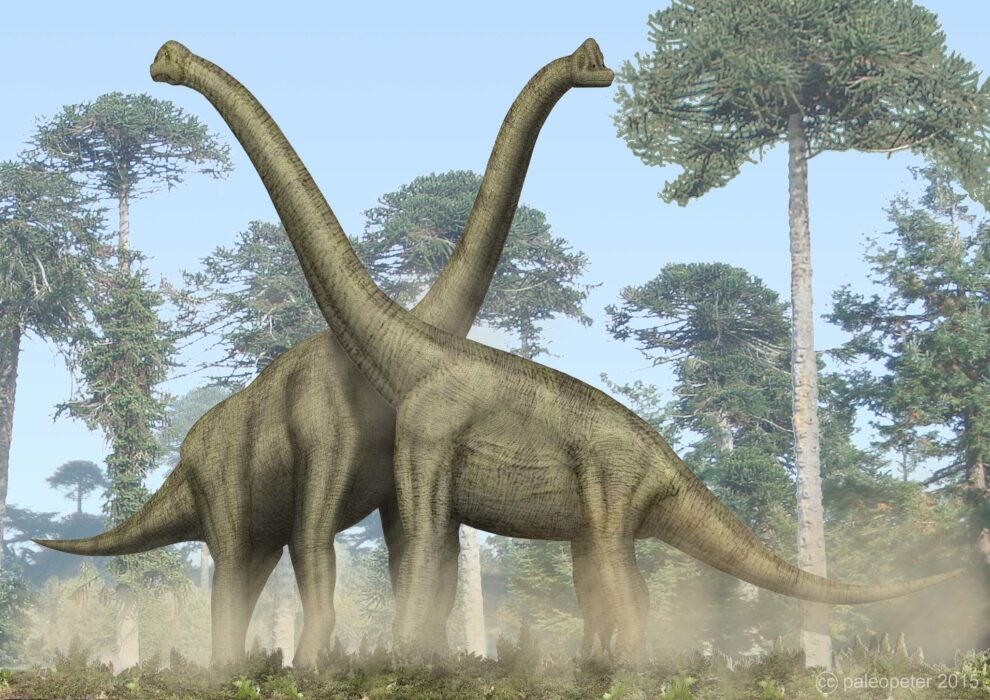
Sauropods evolved exceptionally long necks that let them reach vegetation unavailable to other animals. By feeding over a wide vertical and horizontal range without moving extensively, they conserved energy while accessing enormous quantities of plant material. This feeding strategy reduced competition and ensured steady nourishment.
Their necks also facilitated a continuous feeding rhythm, allowing them to meet the enormous caloric demands of their size. This adaptation played a key role in enabling sauropods to become some of the largest land animals in history.
10. Evolutionary timing gave dinosaurs a perfect starting advantage.
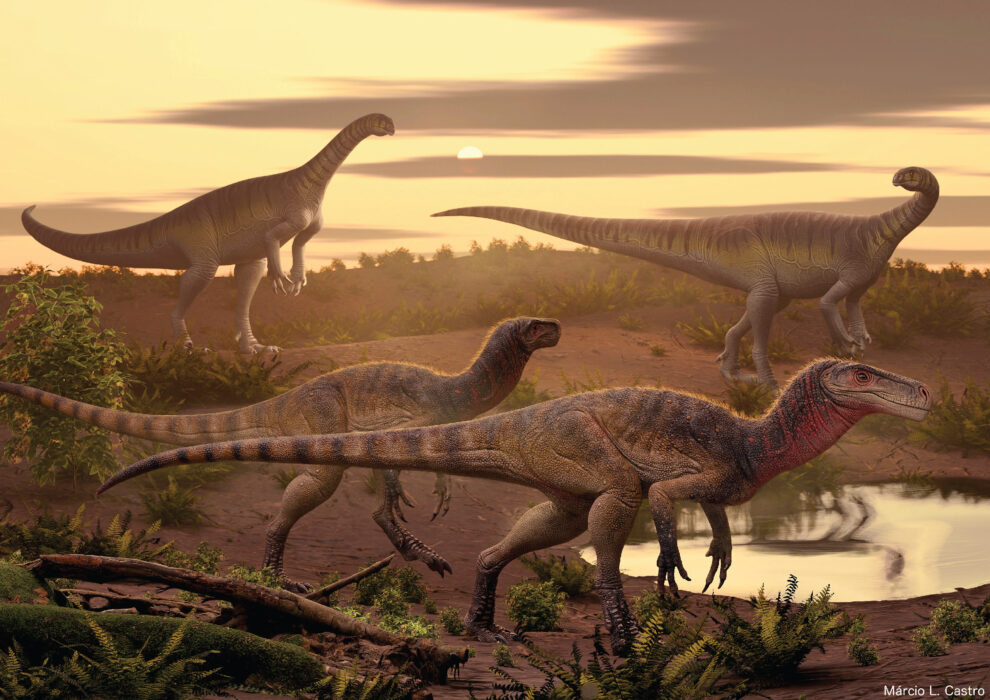
Dinosaurs emerged shortly after a mass extinction event that eliminated many dominant competitors. This ecological vacuum provided them with abundant resources and open niches to fill. With fewer rivals, early dinosaurs diversified quickly into new shapes, sizes, and roles.
This head start allowed them to establish dominance across continents, setting the stage for later evolutionary experiments that produced giants. Over millions of years, these early advantages compounded, contributing to the rise of some of the largest species ever recorded.
11. High oxygen and CO₂ levels supported massive ecosystems.
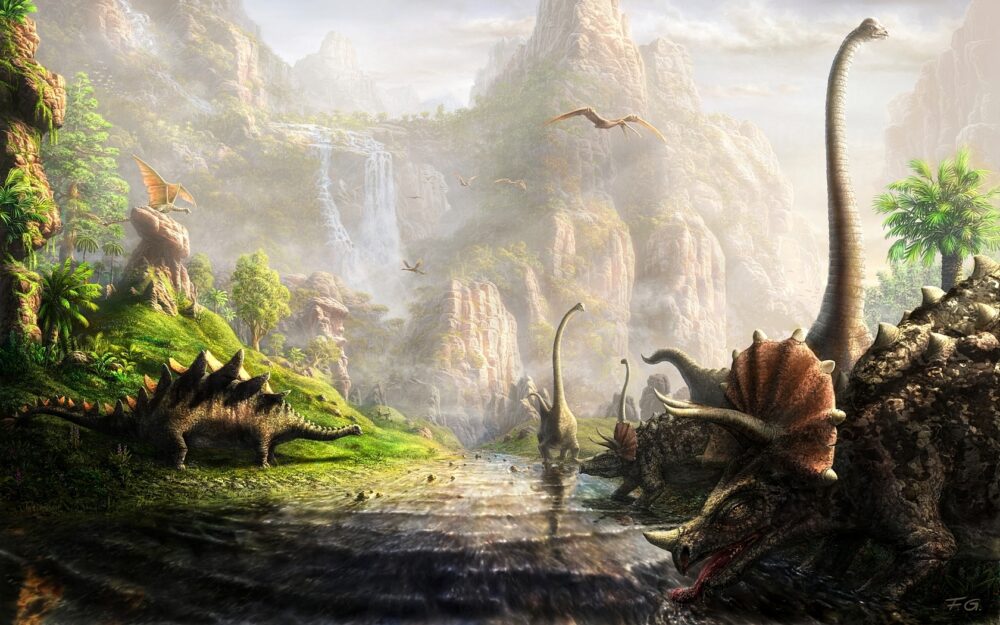
During portions of the Mesozoic Era, oxygen levels were higher than today, while CO₂ levels fueled dense plant growth. These atmospheric conditions created ecosystems capable of supporting large populations of herbivores and the predators that fed on them. The world was essentially primed for big animals.
Higher oxygen levels may have improved dinosaur stamina and metabolic efficiency, helping them sustain large bodies. Combined with lush vegetation, these atmospheric factors formed the environmental foundation of dinosaur gigantism.
12. Their unique metabolisms blended reptile and bird traits.
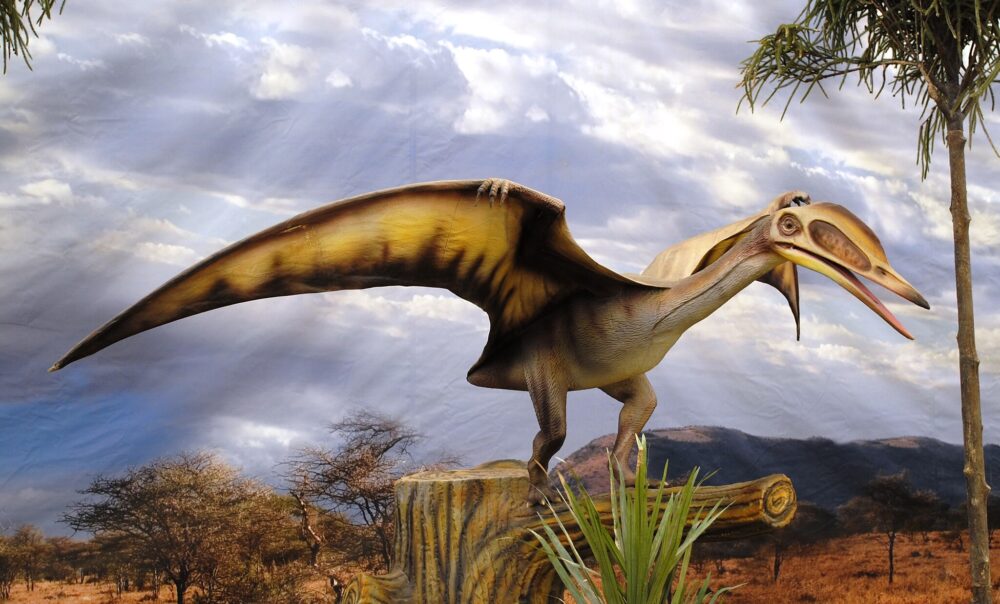
Evidence suggests many dinosaurs had mesothermic metabolisms—a middle ground between cold-blooded reptiles and warm-blooded mammals. This system allowed them to remain active without the extreme energy costs associated with full endothermy. It was an ideal metabolic balance for growing and maintaining large body sizes.
This efficient biology helped dinosaurs adapt to a wide range of environments and evolve extraordinary diversity. By harnessing the strengths of both metabolic worlds, they gained the flexibility and energy efficiency necessary to reach sizes unmatched by land animals today.