
Many banks are rapidly shutting local branches, and financially smart customers are already making key moves to stay protected.

Banks across the country have been shutting down branches at a faster pace than ever, and many people are now realizing their local location may not be around much longer. With more customers relying on mobile apps and online services, banks are consolidating buildings to cut costs and keep up with changing habits. While the shift can feel unsettling, plenty of everyday customers are already adapting. They’re updating how they bank, strengthening online habits, and finding new ways to stay prepared as branches disappear. Knowing what others are doing now can help you stay ahead of the changes.
1. More People Are Moving Their Everyday Banking Online

As branches close, a lot of customers are simply taking care of their everyday banking on their phones or laptops. Tasks like depositing checks, checking balances, sending money, and paying bills are much faster online anyway, and banks have made these tools far easier to use. Many people say they barely miss going to a teller.
Mobile alerts have also become a must. They help customers spot unusual activity right away, which adds peace of mind. With fewer branches nearby, having instant updates makes digital banking feel a lot safer and more convenient.
2. Direct Deposits and Automatic Payments Are Becoming the Norm

One of the first things many people do when their bank branch closes is switch all their payments and deposits to automated systems. Setting up direct deposit for paychecks and automatic bill pay saves time and helps avoid late fees. It also reduces the need to run to a branch just to handle routine tasks.
Banks encourage this shift by making setup quick and simple inside their apps. Once everything is automated, customers say they spend far less time thinking about due dates or waiting for checks to clear, which is a big stress reducer.
3. People Are Taking Online Security More Seriously

With more banking happening online, customers are getting smarter about protecting themselves. Many are turning on two-factor authentication, updating old passwords, or adding fraud alerts to their accounts. These small steps make a big difference in keeping personal information secure.
Banks now offer better fraud detection than ever, but customers still play a key role. Staying alert online gives people confidence to bank digitally, especially when they no longer have a nearby branch to visit if something goes wrong.
4. Savvy Customers Are Keeping a Backup Bank Account

Another trend is people opening a second account at a different bank or credit union. It’s a simple way to avoid headaches if a local branch closes or if one bank has a temporary outage. Having more than one option ensures access to money and services at all times.
This backup strategy has become especially popular in areas where multiple branches have closed. Customers feel more secure knowing they have alternatives for deposits, withdrawals, or customer service when needed.
5. ATMs and Cash Back Are Replacing Teller Visits
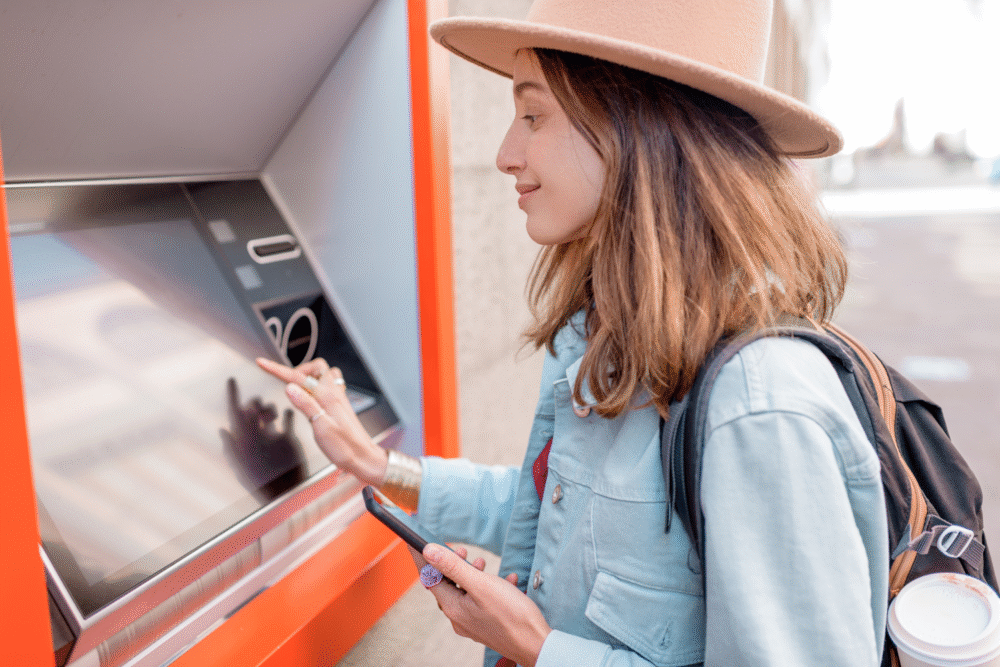
With fewer branches around, customers are relying more on fee-free ATMs or getting cash back at stores. Many banks partner with large ATM networks, giving people plenty of places to withdraw money without paying extra fees. Cash-back options at major retailers are also becoming a go-to solution.
These changes mean far fewer trips to the bank just to get cash. For most customers, ATMs and store cash-back options cover almost everything they would have used a teller for.
6. More People Are Scheduling Video Banking or Virtual Help

Banks have started offering video appointments and virtual consultations for customers who still want face-to-face help. These sessions allow people to open accounts, ask questions, or get financial guidance without leaving home. It’s a convenient middle ground between digital banking and in-person service.
This option is especially helpful for customers who prefer personal interaction but no longer live close to a physical branch. Many find that virtual meetings are quicker and easier than sitting in a bank lobby.
7. Customers Are Double-Checking Their Fees and Account Perks

Branch closures often prompt people to look more closely at what their bank actually offers. Customers are comparing fees, ATM access, mobile features, and customer service to see if another bank might serve them better. Sometimes switching banks can lead to lower fees or better interest rates.
Because everything is online now, it’s easier than ever to compare options. Many people use closures as a chance to upgrade to a bank that fits their needs rather than staying with one that no longer offers convenient access.
8. Some Are Moving to Credit Unions for Local Support

As big national banks close locations, many customers turn to credit unions for a more community-centered experience. Credit unions tend to keep more branches open, offer competitive rates, and focus heavily on customer service. For people who still want in-person banking, this switch can feel like a better fit.
Members also appreciate the personal attention and financial education credit unions often provide. For anyone frustrated by disappearing bank branches, a credit union can feel like a more stable alternative.
9. Smart Customers Are Learning Which Tasks Still Require a Branch

Even in the digital age, some services still need an in-person visit. Things like safe deposit boxes, large cash deposits, certain loan closings, or notarizing documents usually can’t be handled online. Customers are making note of these exceptions so they can plan ahead or find a nearby location that still handles them.
Knowing this helps people avoid last-minute surprises. It also guides them toward banks that continue offering in-person services for the tasks that matter most to them.
10. People Are Preparing Now for a Mostly Digital Banking Future

Most experts agree that branch closures will continue, so customers are getting ready by learning digital tools and organizing their accounts online. They’re storing financial documents electronically, setting up alerts, and trying out new budgeting or banking apps that make managing money easier.
By adapting early, customers feel more confident and prepared for a future where digital banking is the main way people interact with their money. It’s a practical way to stay in control even as traditional branches fade away.