
From allergies to etiquette rules, these unexpected food bans reveal how presidential preferences have shaped White House dining.
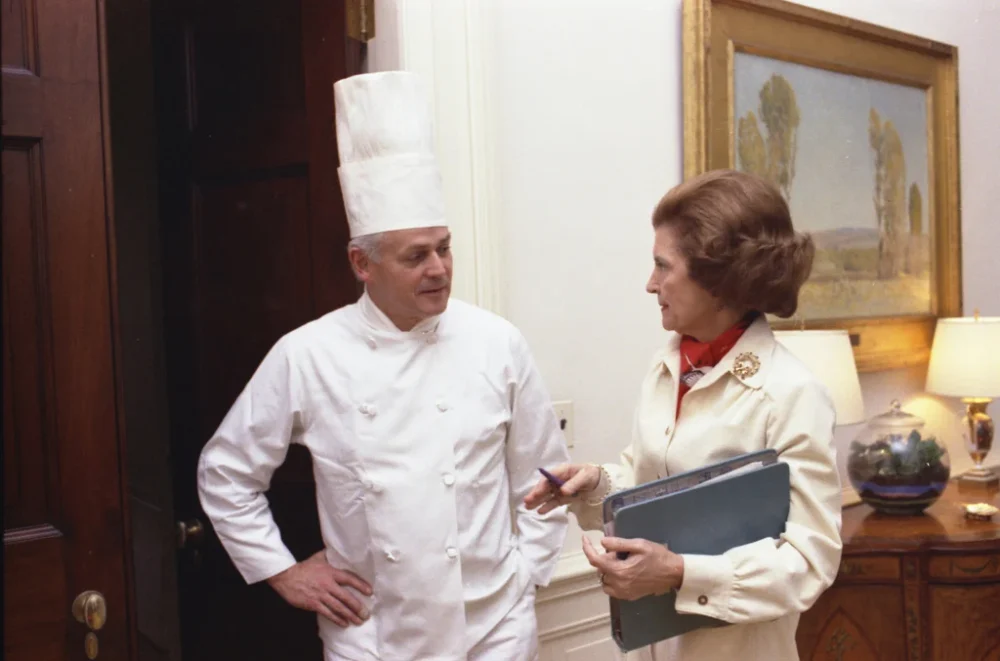
A surprising number of foods have been banned from the White House at different points in history. Some bans came from personal preferences of presidents and first families, while others were driven by etiquette rules, food safety concerns, or the tone officials wanted to set during important events. These decisions shaped everything from daily meals to high profile state dinners. Looking at which foods were prohibited offers an interesting glimpse into how politics, personality, and practicality have influenced dining inside America’s most famous residence.
1. Broccoli Was Blocked by President George H. W. Bush
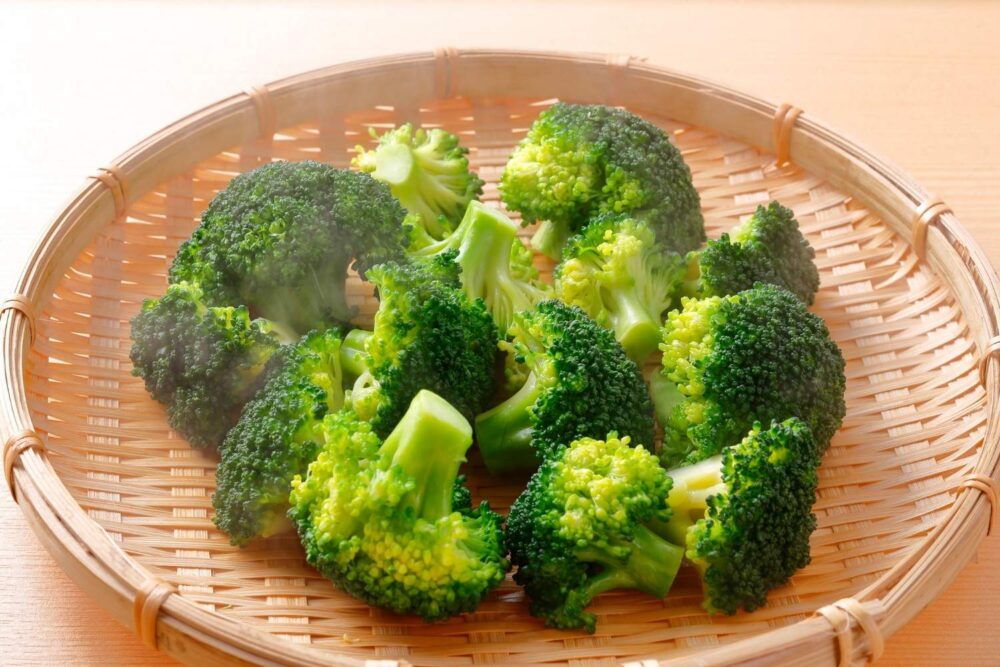
In 1990, President George H. W. Bush announced that he did not like broccoli and that he would no longer allow it on Air Force One or in the White House. His public dislike for the vegetable quickly became national news and turned into one of the most famous presidential food bans in history. Growers even responded by sending crates of broccoli to Washington in protest.
Despite the attention, the ban remained in place throughout his presidency. His decision showed how a simple personal preference from the commander in chief could influence the entire White House menu with immediate effect.
2. Boxed Macaroni and Cheese Was Rejected for Being Too Processed
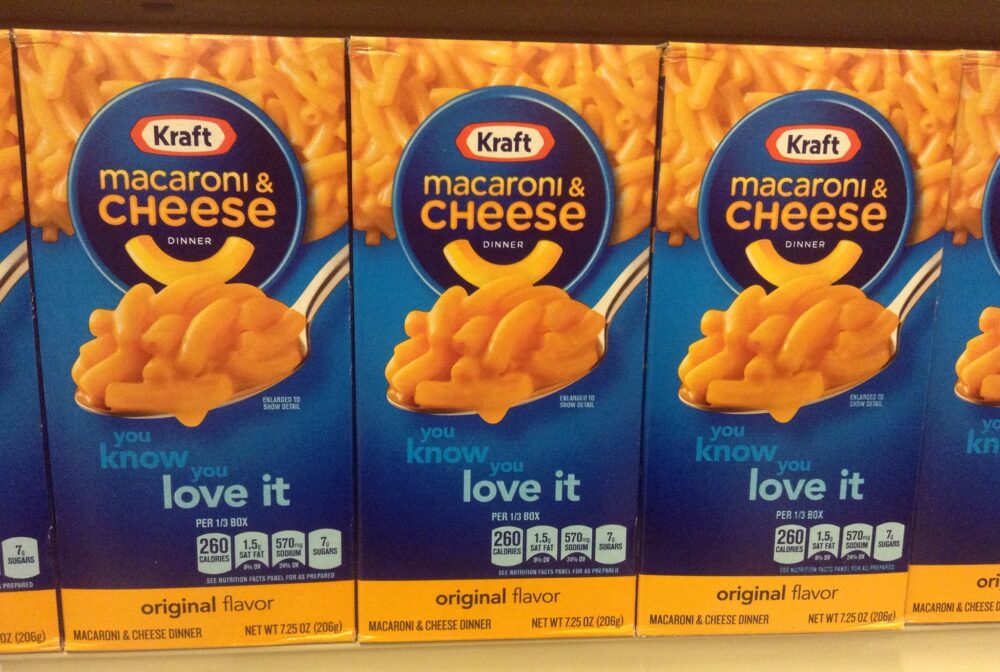
During the Obama administration, boxed macaroni and cheese was reportedly banned from the White House kitchen. The preference leaned toward meals made from fresh ingredients rather than heavily processed foods. This reflected Michelle Obama’s larger focus on healthier eating and nutrition for American families.
The decision did not ban macaroni and cheese itself, only the boxed variety that relies on powdered or artificial ingredients. It demonstrated a shift toward emphasizing freshness and higher quality food in the White House, consistent with the administration’s public health priorities.
3. Soup Was Removed from State Dinners for Practical Reasons
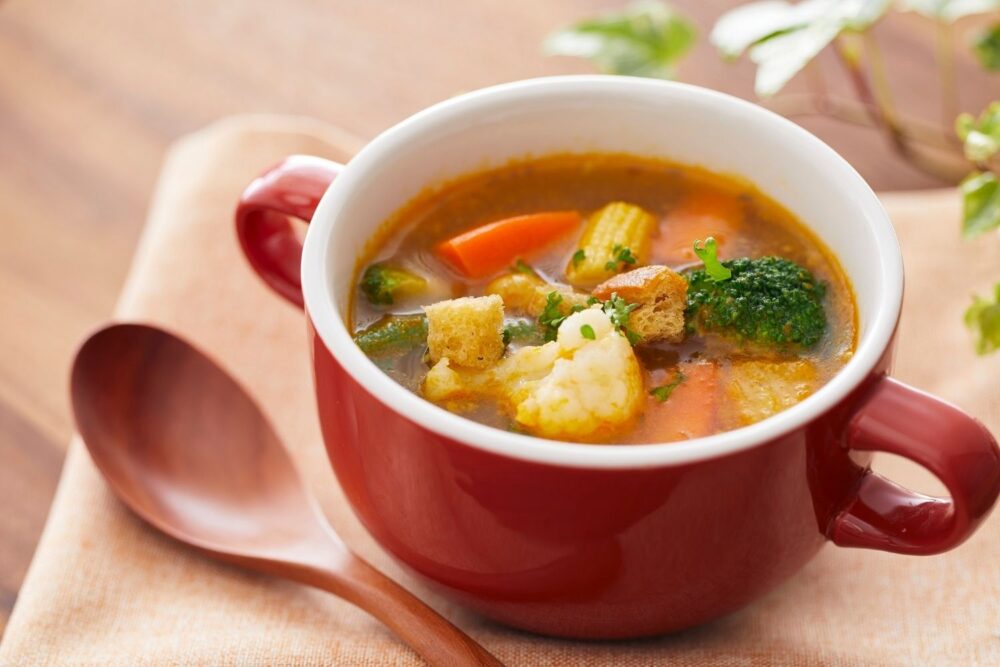
President Richard Nixon reportedly eliminated soup from formal state dinners because he believed it slowed down the pace of meals. He preferred shorter events that focused on efficiency rather than traditional multi course dining. Removing soup allowed dinners to move more quickly without sacrificing the overall experience.
This ban was not based on taste or health but on timing and presentation. Nixon’s choice reflected how presidents sometimes adjust long standing traditions to suit their personal style and the atmosphere they want to create during diplomatic gatherings.
4. Hard Alcohol Was Restricted During Certain Presidencies
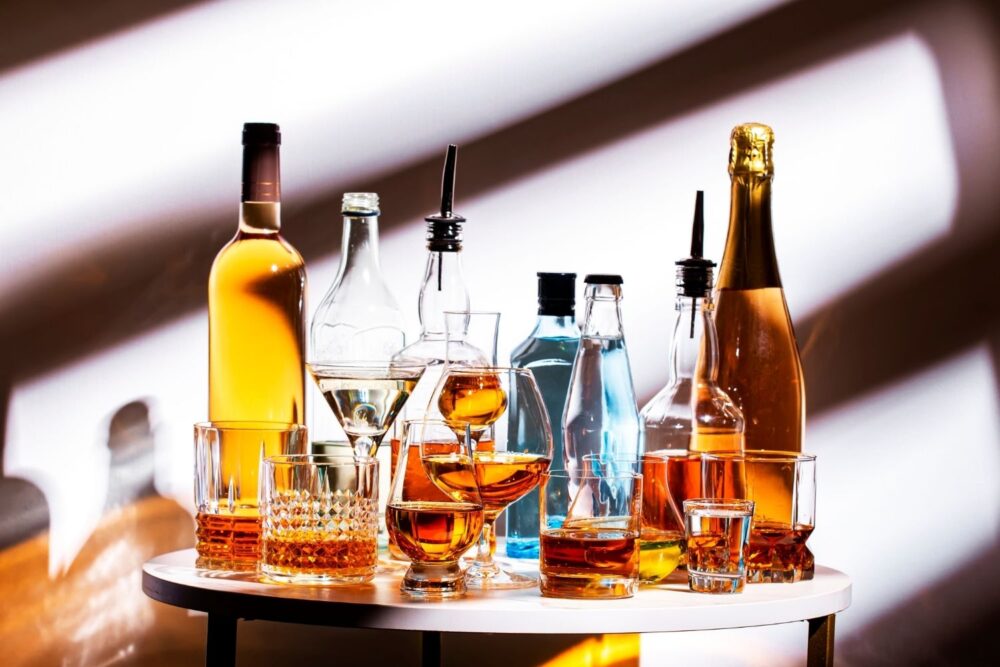
Some administrations placed limits on hard liquor served at the White House. For example, Rutherford B. Hayes and his wife Lucy Hayes restricted the use of strong alcoholic drinks as part of their moral stance that aligned with growing temperance attitudes in the country at that time.
Although wine or light beverages were sometimes still served on special occasions, the restrictions signaled a shift toward formality and restraint. These alcohol limits reflected cultural values of the period and the desire of some presidents to model sobriety in official settings.
5. Processed Foods Were Avoided to Promote a Healthier Image
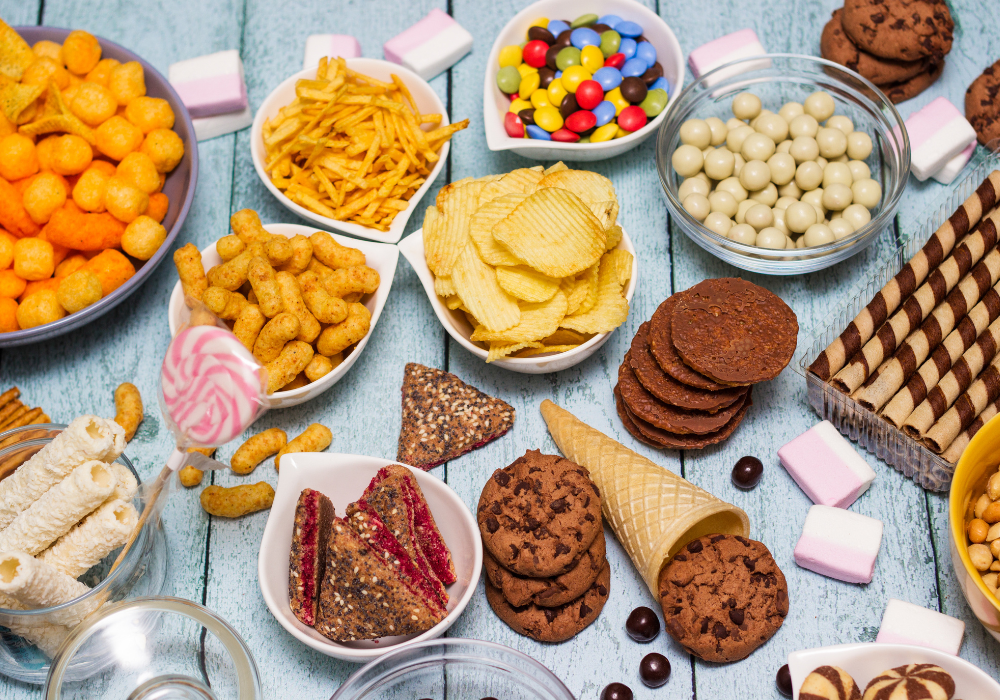
At different points in history, first families have chosen to avoid overly processed foods in order to present a healthier and more wholesome image. This often meant limiting items such as packaged snacks, canned meals, or lower quality ingredients that did not reflect a commitment to fresh cooking.
These decisions were not always formal bans but strongly preferred guidelines. They showed how presidents and first ladies often use daily food choices to reinforce messages about health, economy, or national values.
6. Strong Smelling Cheeses and Foods Were Limited for Diplomacy
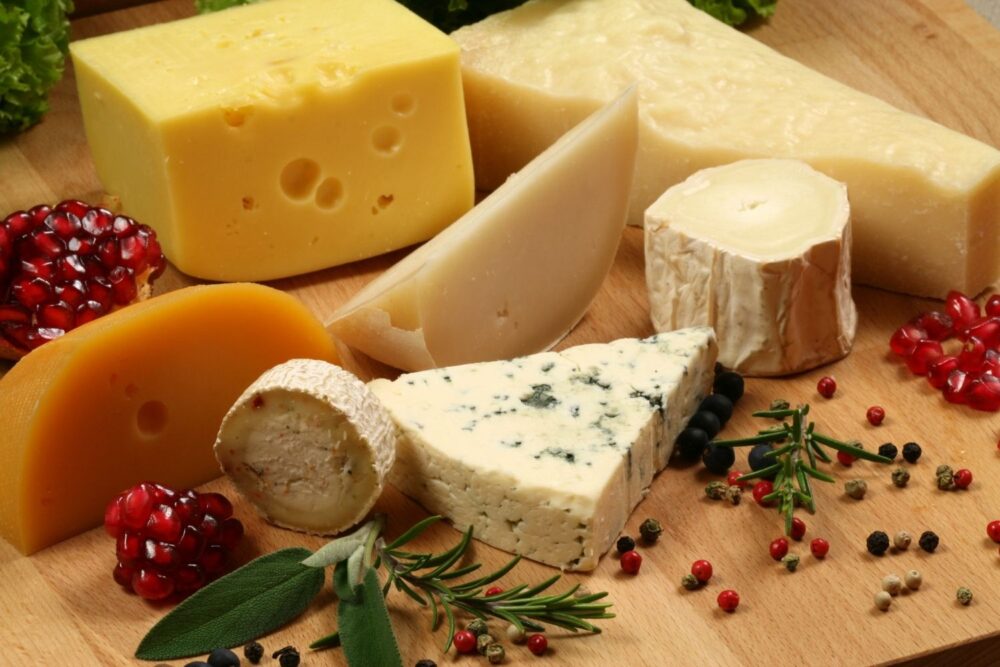
The White House has sometimes avoided foods with strong aromas, including pungent cheeses, in order to maintain a pleasant dining experience during formal events. Odors can distract from conversation or cause discomfort among guests, especially during high level diplomatic dinners.
By choosing milder cheeses and less fragrant dishes, the White House aimed to create a neutral and refined environment. This approach emphasized etiquette and courtesy, especially when hosting foreign leaders or sensitive negotiations.
7. Raw or High Risk Foods Were Restricted for Safety
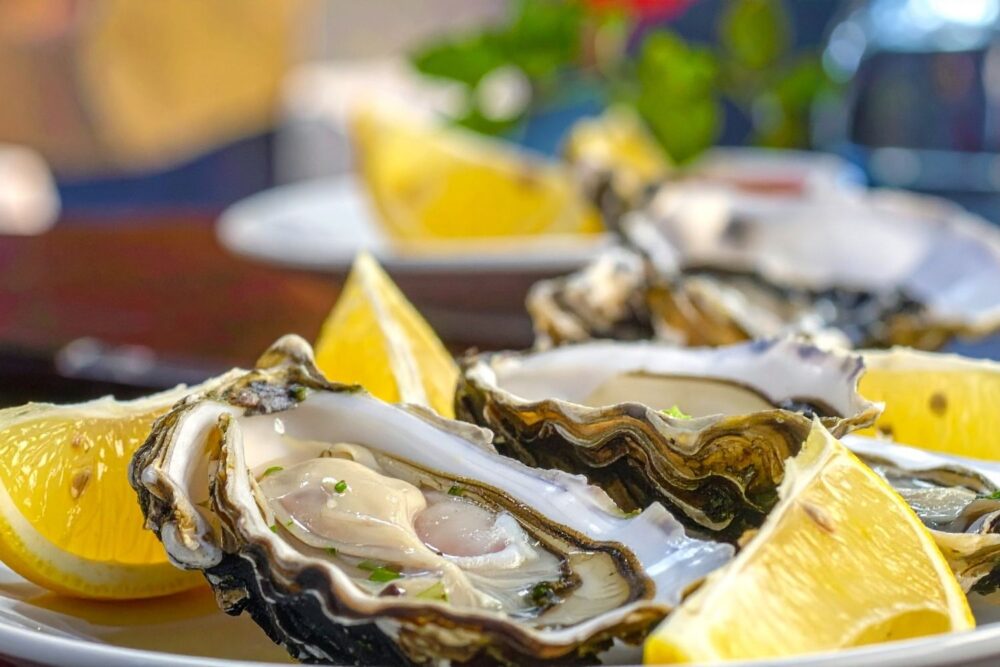
Food safety concerns have often guided what is permitted in the White House kitchen. Items that carry a higher risk of contamination, such as raw shellfish, undercooked meats, and unvetted produce, are frequently avoided. The potential health dangers are considered too great when serving the president and visiting dignitaries.
As a result, chefs place a strong emphasis on sourcing high quality ingredients and preparing foods that minimize the chance of illness. These restrictions reflect the practical need to protect national leaders from preventable health risks.
8. Very Casual Foods Were Avoided During Official Functions
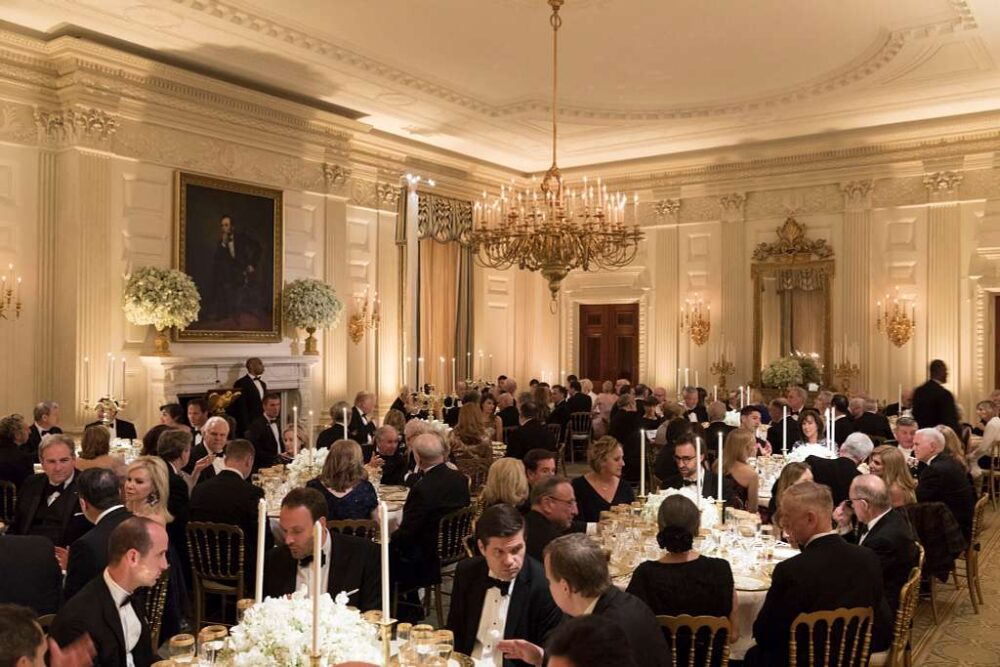
The tone of a White House event influences what foods are allowed. At formal gatherings, exceedingly casual foods such as certain fast food items or messy snacks are typically kept off the menu. The goal is to maintain dignity and presentation during occasions that carry political or diplomatic significance.
This does not mean presidents never enjoy casual food. It simply means those items are usually reserved for private meals rather than state dinners. The restriction reflects the long tradition of formality that surrounds White House hospitality.
9. Certain Desserts Have Been Cut Due to Dietary Preferences

Some first families have limited specific desserts to align with personal diets or health goals. For example, individuals avoiding sugar or rich pastries often ask chefs to remove particular items from the menu. These choices influence not just family meals but sometimes larger events as well.
While not always formal bans, these preferences shape how the kitchen staff plans menus and prepares food. The result is often a shift toward lighter desserts or fruit based options that better match the nutritional needs of the first family.
10. Regional Foods Were Sometimes Removed for Political Reasons
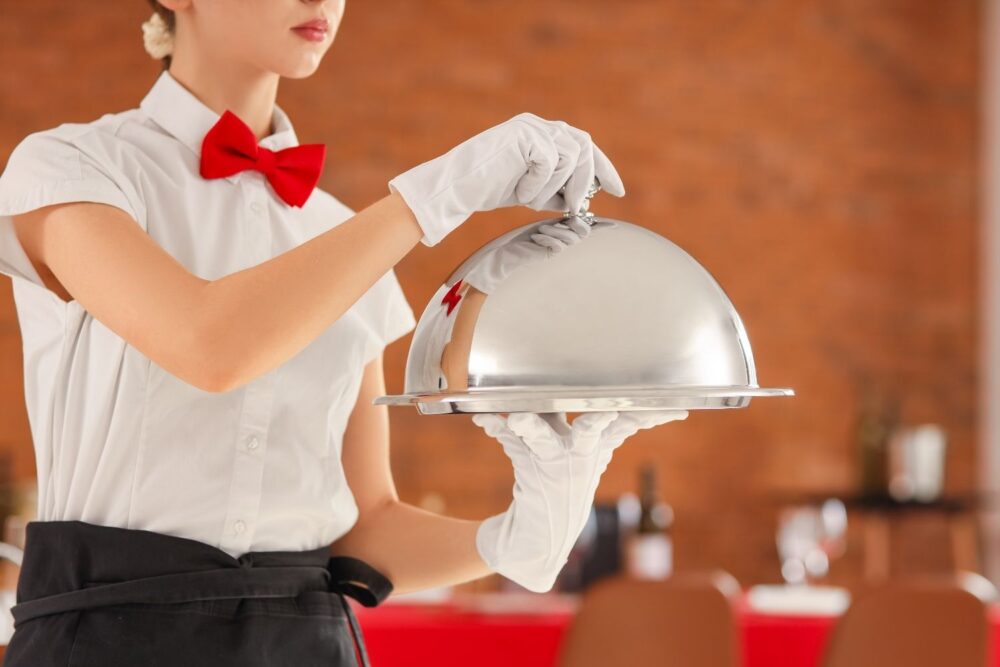
Throughout history, certain regional foods were avoided during politically sensitive periods. Presidents occasionally removed dishes associated with specific regions or industries to avoid appearing biased or to sidestep controversy during tense political climates.
These decisions were typically temporary but demonstrated how food can carry symbolic meaning. By adjusting menus, administrations sought to send neutral or unifying messages rather than highlighting divisive associations tied to particular foods.