
Ingenious tribal designs used earth, wood, ice, and stone to create resilient homes long before modern architecture existed.

Long before modern builders talked about sustainability, Native American communities were designing homes perfectly adapted to their environments. From snow-packed igloos to towering pueblos, each structure reflected generations of knowledge about climate, materials, and daily life. These homes weren’t just shelters—they were expressions of culture, engineering, and survival, shaped by the landscapes that surrounded them. Whether built for mobility, protection, or long-term community living, traditional Indigenous dwellings reveal a level of ingenuity that still impresses architects and historians today.
1. Native American Homes Reflected the Landscapes Their Builders Lived In

Indigenous tribes designed their homes around the environments they knew best, using materials that were readily available and well suited to local climates. From forests to deserts to the Arctic Circle, each region shaped what people built and how those structures functioned. These homes weren’t just shelters—they were tailored solutions developed over generations of observation and adaptation.
Because tribes relied on natural resources, their architecture varied widely across North America. Some homes emphasized mobility for nomadic lifestyles, while others were permanent and engineered for long-term community life. This diversity remains one of the most striking features of Native American building traditions.
2. Longhouses Showed How Eastern Woodlands Tribes Built for Community
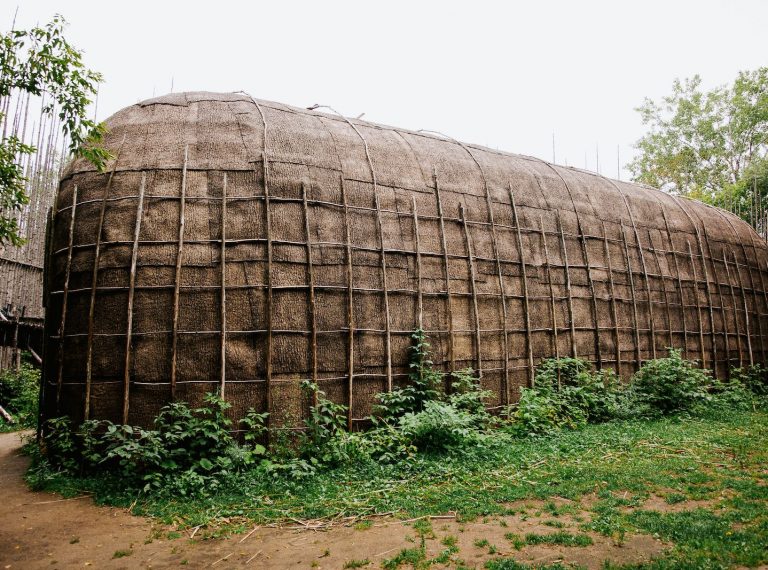
Longhouses, used by Iroquois and other Eastern Woodlands tribes, were large, rectangular structures built from a framework of bent saplings covered with bark panels. They could stretch over 100 feet, housing multiple families within a single extended community. Their shape helped retain heat during cold winters while allowing open living areas inside.
These buildings also reinforced social structure, since each longhouse housed matrilineal family groups. Shared space encouraged cooperation and collective decision-making, reflecting cultural values. The construction techniques demonstrated deep knowledge of forest resources and careful planning to ensure durability through harsh seasons.
3. Wigwams Offered Flexible, Weather-Resistant Shelter
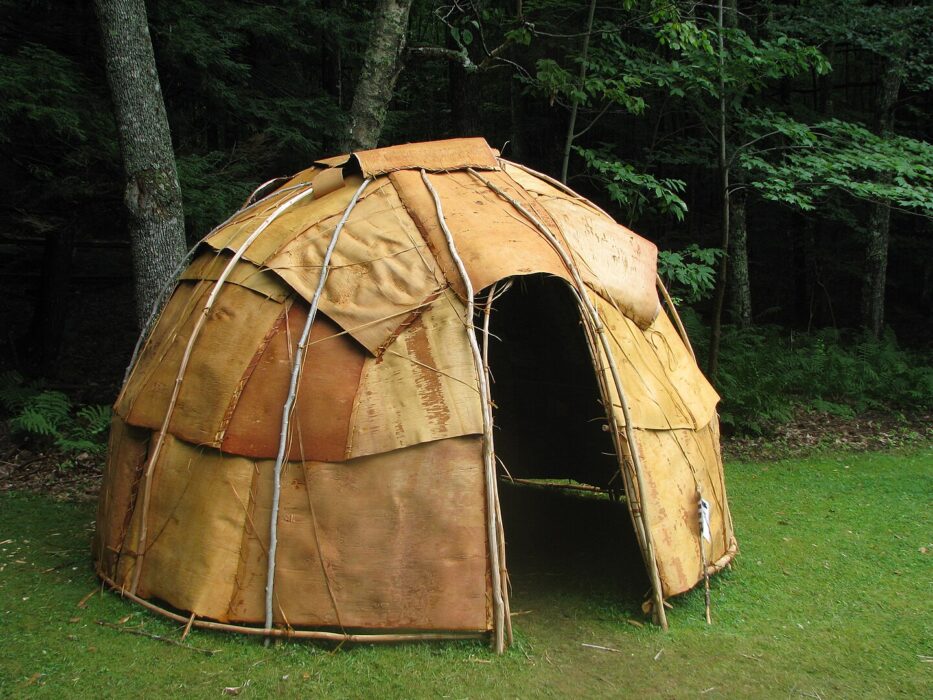
Wigwams, also used in the Eastern Woodlands, featured a dome-shaped frame covered with materials such as bark, woven mats, or hides. Their rounded design helped shed rain and snow, making them practical in variable climates. Wigwams were smaller than longhouses and often built for individual families rather than entire clans.
Because they used lightweight and readily available materials, wigwams could be rebuilt as needed, fitting well with seasonal movements. Their construction combined practicality with cultural expression, reflecting each community’s craftsmanship and the ecological knowledge necessary to thrive in their environment.
4. Tipis Were Engineered for Travel on the Great Plains
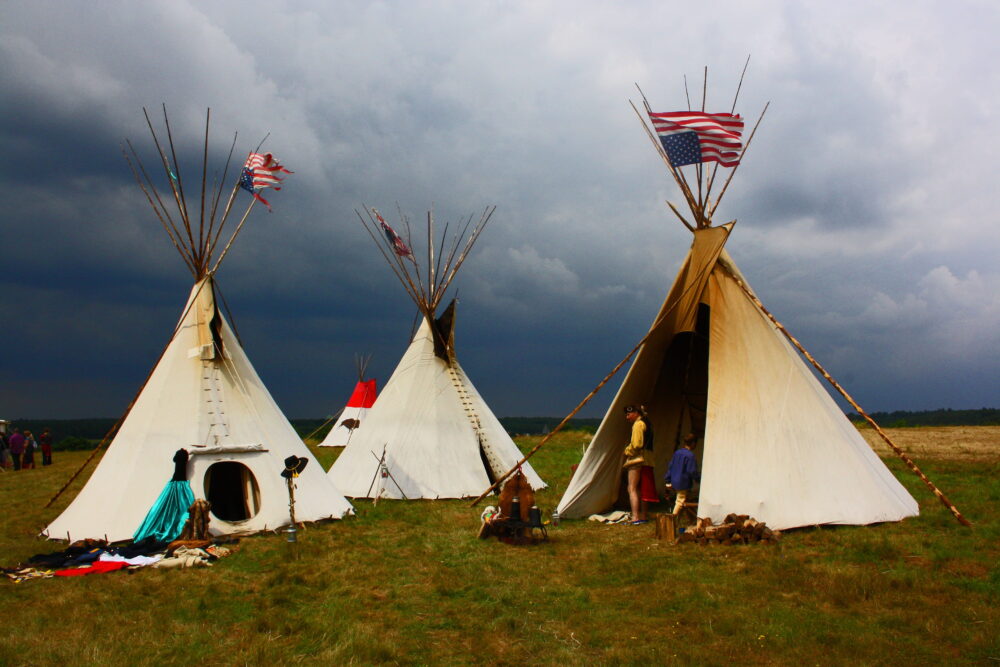
Tipis were the ideal home for tribes of the Great Plains, who followed bison herds across vast distances. Made from wooden poles covered with buffalo hides, these conical structures were quick to assemble and easy to transport. Their shape offered stability during strong winds while allowing smoke to escape through an adjustable opening at the top.
The portability of tipis supported a highly mobile lifestyle. Families could set up or dismantle their homes in a matter of hours, making them one of the most efficient dwellings of the pre-modern world. Their practical design embodied an elegant understanding of life on open grasslands.
5. Adobe Pueblos Demonstrated Sophisticated Desert Engineering
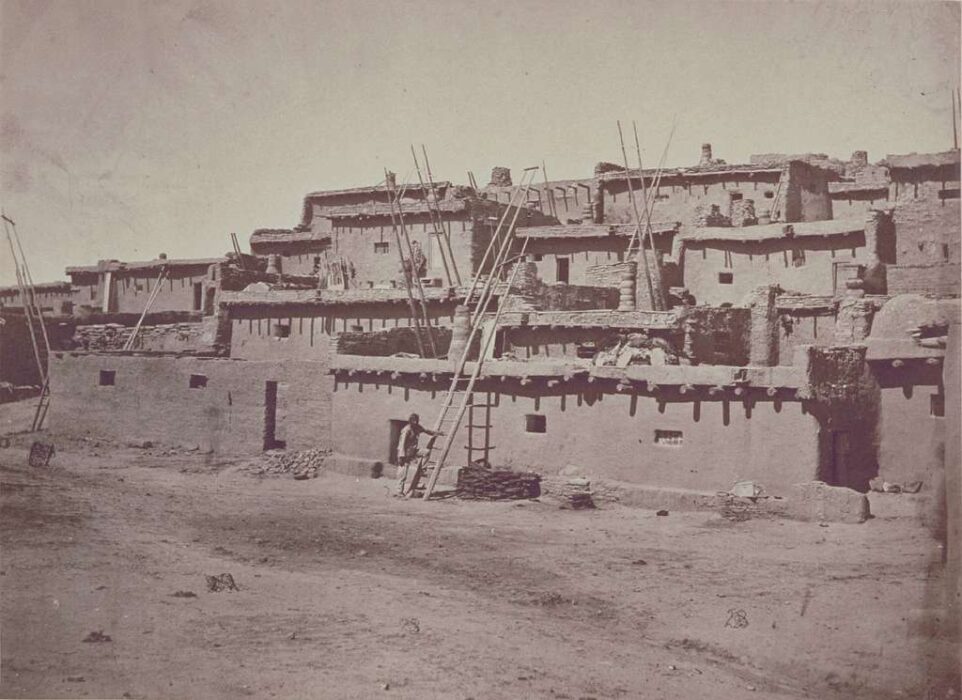
Pueblo peoples of the Southwest crafted multi-story homes from adobe—sun-dried bricks made of clay, sand, and straw. These structures kept interiors cool during scorching days and warm during cold desert nights. Thick walls acted as natural insulation, showcasing an early form of energy-efficient design.
Many pueblos were built into canyon walls or arranged in compact clusters, creating defensible and climate-resilient communities. Their durability is proven by sites such as Taos Pueblo, which has stood for centuries. These homes reveal a deep relationship between architecture, environment, and cultural continuity.
6. Navajo Hogans Were Built With Deep Spiritual and Practical Meaning
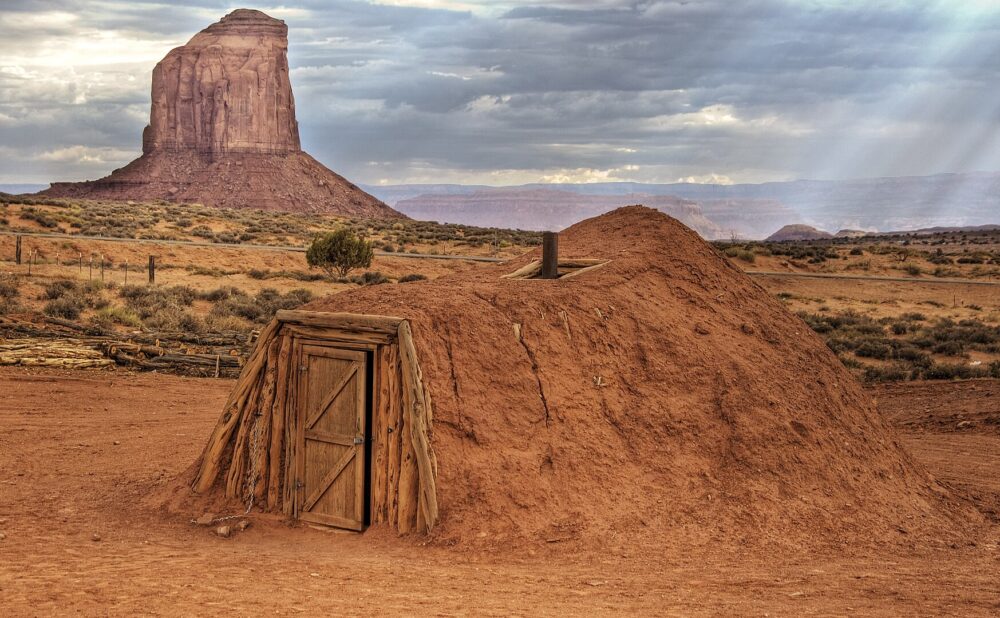
Hogans, used by the Navajo, were traditionally constructed from logs and earth, forming a rounded or hexagonal structure. The thick earthen layers provided insulation against harsh desert temperatures. Each hogan featured a doorway facing east to welcome the rising sun, reflecting cultural beliefs and ceremonial practice.
These homes served not only as daily living spaces but also as sacred environments tied to Navajo cosmology. Their shape, orientation, and construction materials all carried symbolic meaning, showing how Indigenous architecture often blended functionality with cultural identity.
7. Igloos Showed Arctic Ingenuity Using Only Snow and Ice
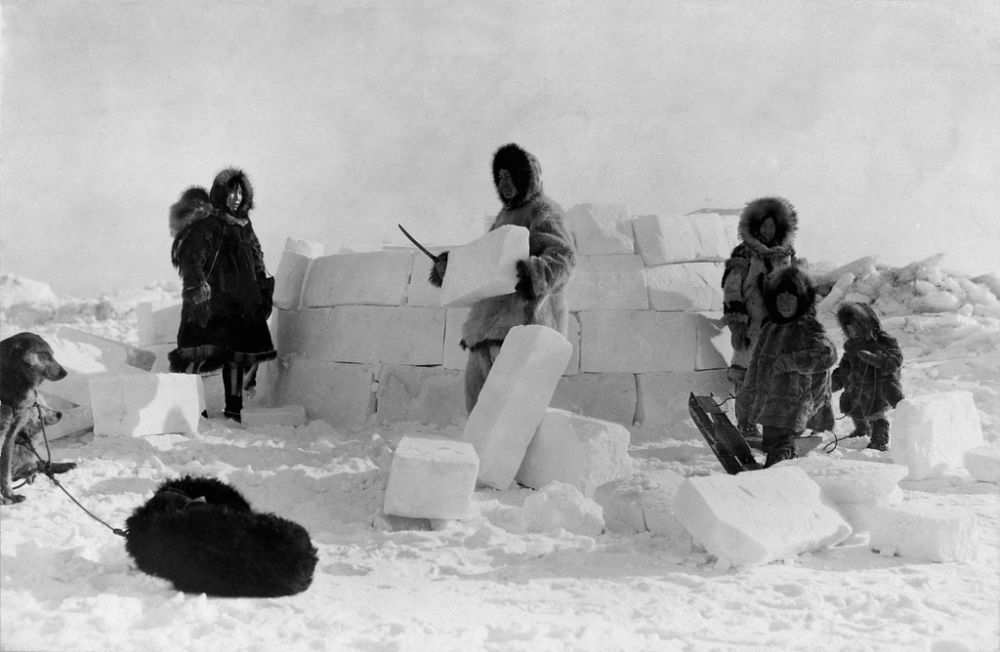
Inuit communities crafted igloos from blocks of packed snow, taking advantage of snow’s insulating properties. Despite being made from frozen materials, igloos could trap enough body heat and lamplight to stay surprisingly warm inside. Their dome shape distributed weight evenly, allowing them to withstand fierce Arctic winds.
Building an igloo required tremendous skill and an understanding of snow density and weather conditions. These temporary winter shelters were perfectly suited to the frigid environment and demonstrated how Indigenous knowledge turned even the harshest landscapes into livable spaces.
8. Plank Houses Highlighted the Craftsmanship of Northwest Coast Tribes
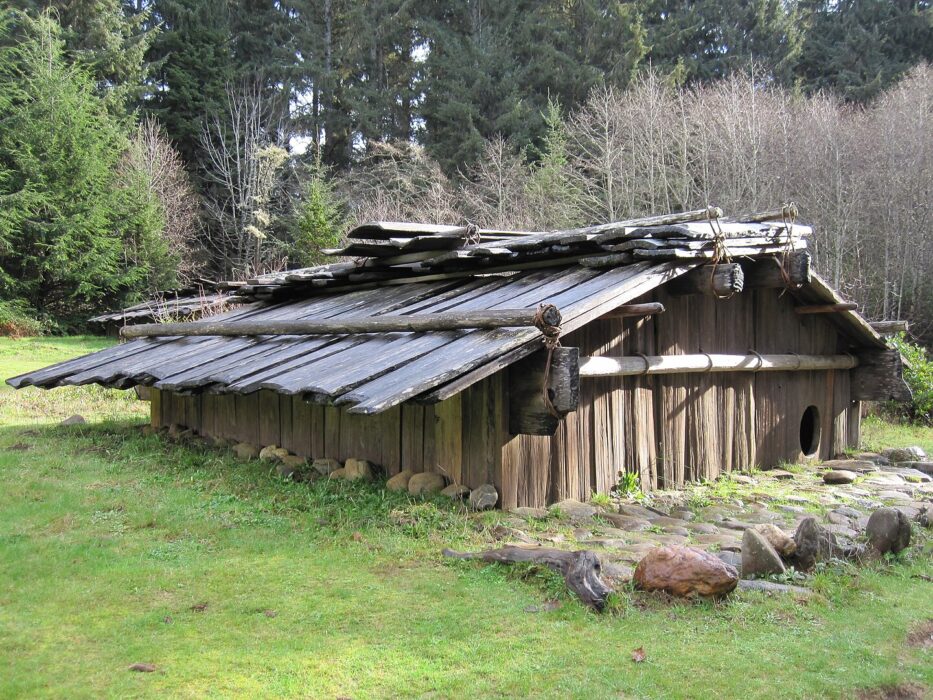
Tribes along the Pacific Northwest built plank houses using cedar trees, a resource that was strong, abundant, and resistant to rot. These rectangular structures often housed extended families and featured impressive carved posts and beams. Their solid construction protected residents from heavy rains and coastal storms common in the region.
Plank houses supported a rich cultural life, serving as spaces for potlatches, ceremonies, and daily activities. The woodworking skill required to shape and join massive cedar planks reflected a highly developed architectural tradition linked to both community identity and natural resources.
9. Earth Lodges Offered Strength and Insulation on the Plains

Tribes such as the Mandan and Hidatsa built earth lodges—large, circular homes made from wooden frames covered with layers of earth. The thick outer covering kept interiors cool in summer and warm in winter, a vital feature in regions with extreme seasonal temperatures. Their semi-subterranean design added stability and protection.
Earth lodges were community centers as much as homes. They provided durable, long-term shelter for agricultural tribes who lived in permanent or semi-permanent villages. Their construction displayed a sophisticated balance between environmental adaptation and social organization.
10. Pit Houses Revealed Early Innovation Across Multiple Regions
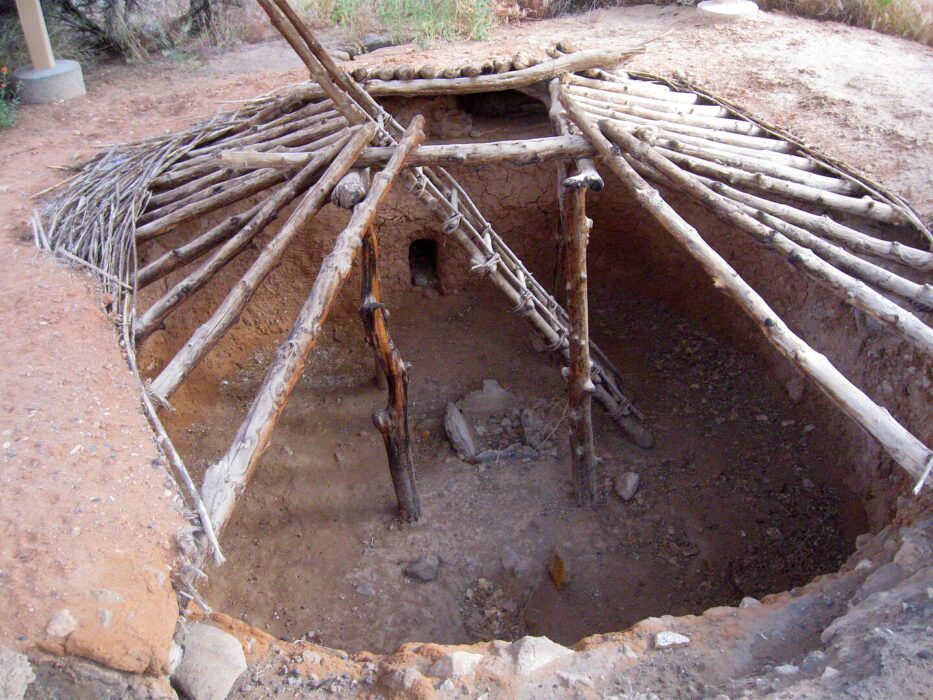
Pit houses were among the earliest Indigenous dwellings, built partially underground with roofs made from earth, wood, or brush. This design offered natural insulation, using the ground itself to moderate temperature changes. They appeared in many regions, including the Plateau and Arctic subarctic areas, adapting to local needs and materials.
Though often simple in form, pit houses reflected early architectural ingenuity. Their recessed structure created warmer interiors during winter and cooler spaces during summer. These homes played an essential role in seasonal living patterns and helped communities thrive long before more complex dwellings emerged.