
EU climate monitors warn rising temperatures are accelerating faster than expected as extreme weather intensifies.

Climate researchers with the European Union’s Copernicus Climate Change Service say 2025 is now on track to tie for the second-hottest year ever recorded. Global temperatures have remained consistently high throughout the year, driven by continued greenhouse gas emissions and lingering ocean heat. Scientists warn that the trend is pushing the planet closer to long-term climate thresholds that increase the risk of dangerous weather events. From stronger storms to worsening droughts, the data suggests the effects of rising heat are already being felt around the world.
1. Scientists Say 2025 Is Almost Certain to Rank Near the Top
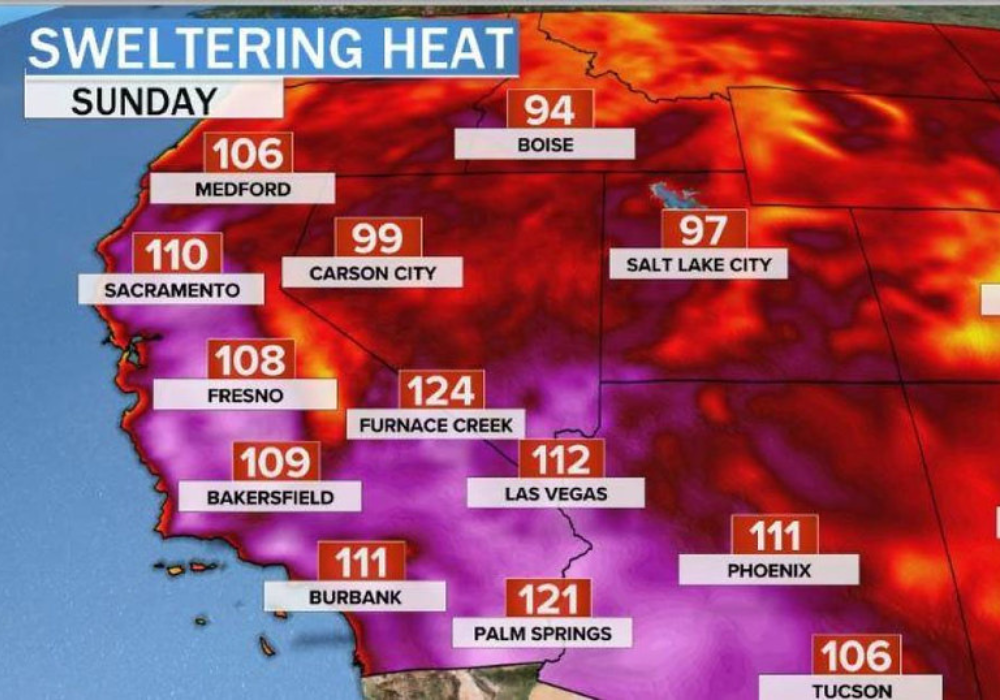
Copernicus climate experts report that 2025 is “virtually certain” to finish as the second- or third-hottest year in recorded history. This conclusion comes from temperature data collected globally throughout the year, showing consistently elevated readings across oceans and continents.
The findings underscore a long-term warming pattern scientists have tracked for decades. With each passing year among the top hottest, researchers say the planet is moving further away from pre-industrial conditions and into a climate shaped by human-driven emissions.
2. Ocean Temperatures Are Fueling Record Heat

Scientists point to unusually warm oceans as a major driver behind the extreme heat. Sea surface temperatures, which have remained abnormally high, trap and release heat into the atmosphere, raising global averages.
These warmer waters also influence weather systems, making storms more intense and shifting rainfall patterns. Climate experts say that even if air temperatures fluctuate year to year, ocean heat tends to persist, contributing to ongoing warming trends.
3. 2024 Was the Hottest Year Ever Recorded

The previous year, 2024, set a new global heat record — surpassing all earlier data. Researchers say 2025 continuing this trend highlights how quickly the climate is changing, with multiple consecutive years ranking among the hottest on record.
The back-to-back extremes are a strong indication that global warming is accelerating. According to the Copernicus report, this two-year stretch demonstrates how human activity and lasting ocean heat are reshaping the climate.
4. Greenhouse Gas Emissions Remain the Primary Cause
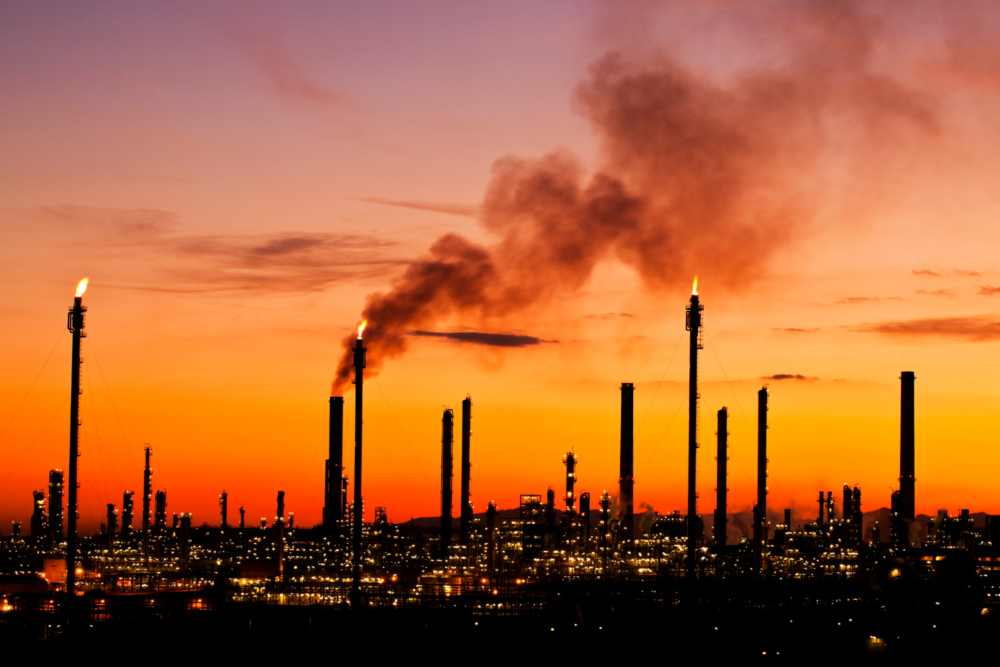
Carbon dioxide and methane emissions remain at historically high levels, trapping heat in the atmosphere. Copernicus scientists say these gases are the main reason long-term temperatures continue rising, regardless of natural variations like El Niño.
The persistence of these emissions means that warming will continue until countries dramatically reduce fossil fuel use. Climate researchers emphasize that these findings reflect decades of data, not short-term fluctuations.
5. Extreme Weather Risks Are Growing

Rising global temperatures increase the likelihood of heatwaves, intense storms, droughts, and heavy rainfall events. Scientists warn that communities are already seeing the effects, including longer wildfire seasons and more destructive flooding.
Copernicus notes that these events are consistent with climate projections made in earlier decades. As temperatures rise further, these risks are expected to escalate, placing more pressure on infrastructure and emergency systems.
6. The Polar Regions Are Warming Faster Than Average

The Arctic continues to experience warming at more than twice the global rate. This trend contributes to declining sea ice and altered weather patterns that affect regions far beyond the poles.
Scientists say changes in the Arctic can disrupt jet streams and contribute to unusual weather in North America, Europe, and Asia. These interconnected systems highlight how warming in one region can trigger broader climate impacts.
7. Heat Thresholds Carry Long-Term Consequences

Crossing certain temperature thresholds — such as 1.5°C of warming above pre-industrial levels — increases the chances of irreversible changes. These include melting ice sheets, damaged ecosystems, and reduced freshwater availability.
Copernicus experts warn that the world is edging closer to these limits. The more frequently extreme heat years occur, the harder it becomes to reverse long-term climate effects.
8. Climate Models Predicted This Warming Trend

The elevated temperatures of 2024 and 2025 align closely with long-standing climate model projections. For decades, scientists have warned that increasing emissions would drive temperatures higher and trigger more frequent extreme events.
These predictions now match observed data with increasing accuracy. The alignment strengthens confidence in future climate forecasts — and reinforces the urgency of reducing global emissions.
9. Human Health Risks Are Rising Globally

Extreme heat contributes to dehydration, heatstroke, respiratory problems, and higher mortality rates. Scientists note that vulnerable populations — including the elderly and outdoor workers — face increasing danger during prolonged hot periods.
Health agencies have already observed spikes in heat-related emergencies during record-setting months. As temperatures rise, experts expect these risks to intensify unless communities adapt and improve heat-response planning.
10. Scientists Say Immediate Action Is Needed

Copernicus researchers stress that reducing emissions is essential to slowing global warming. Without major changes, they warn that heat records will continue and extreme weather will become more destructive.
The data from 2025 adds to mounting evidence that climate change is accelerating. Scientists argue that governments, industries, and individuals all have roles to play in cutting emissions and preparing for the challenges ahead.