
A stunning 19th-century schooner found intact on the lake floor is rewriting what experts thought possible.
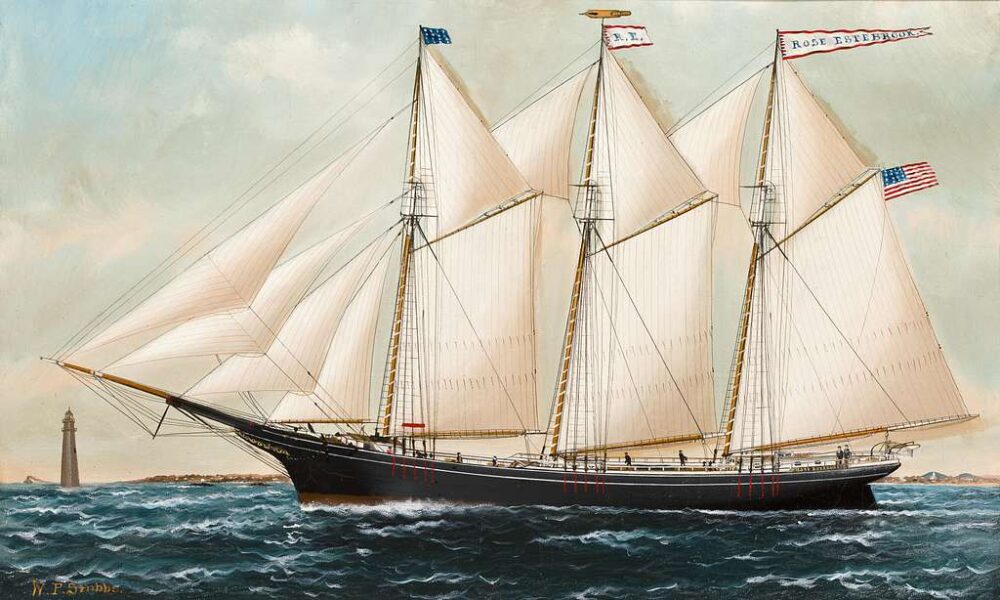
A team from the Peninsula Underwater Rescue Unit recently uncovered a remarkably preserved 1800s schooner resting upright at the bottom of Lake Ontario. The find has stunned maritime historians, who say the cold, low-oxygen waters helped protect the vessel for more than a century. Its intact masts, hull, and fittings offer an extraordinary glimpse into the region’s shipping era. The discovery is already being called one of the most impressive shipwrecks ever found in the Great Lakes.
1. The Shipwreck Was Found Sitting Upright on the Lake Floor
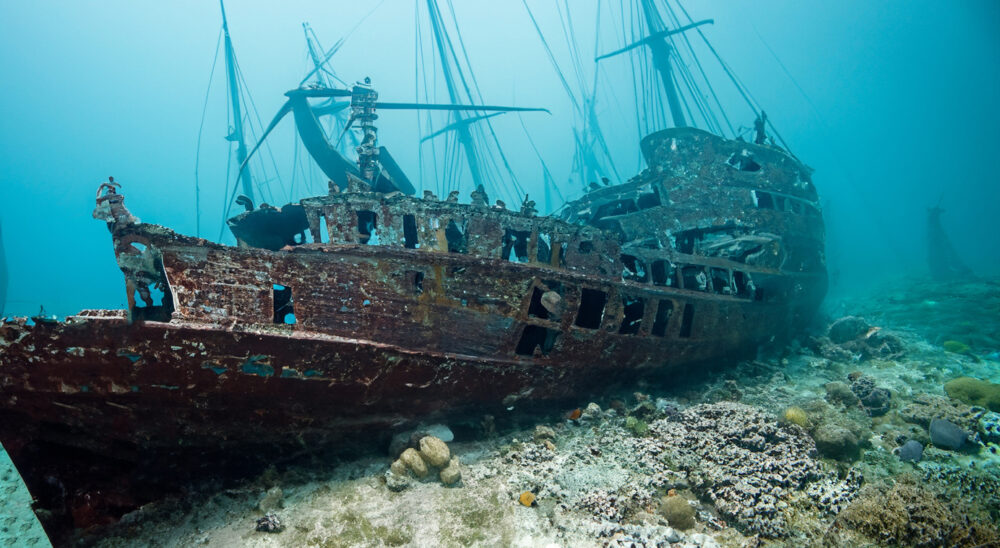
Divers located the two-masted schooner resting perfectly upright nearly 300 feet below the surface, an exceptionally rare position for a wreck of its age. Most vessels collapse or break apart as they settle, but this one appears almost frozen in time. The structure remains stable, giving researchers a rare look at how the ship was built.
Its position also suggests it likely sank quickly and cleanly, with minimal disturbance after hitting the bottom. This unusual preservation offers clues about its final moments and the conditions surrounding its loss.
2. Cold, Fresh Water Preserved the Wood for Over a Century
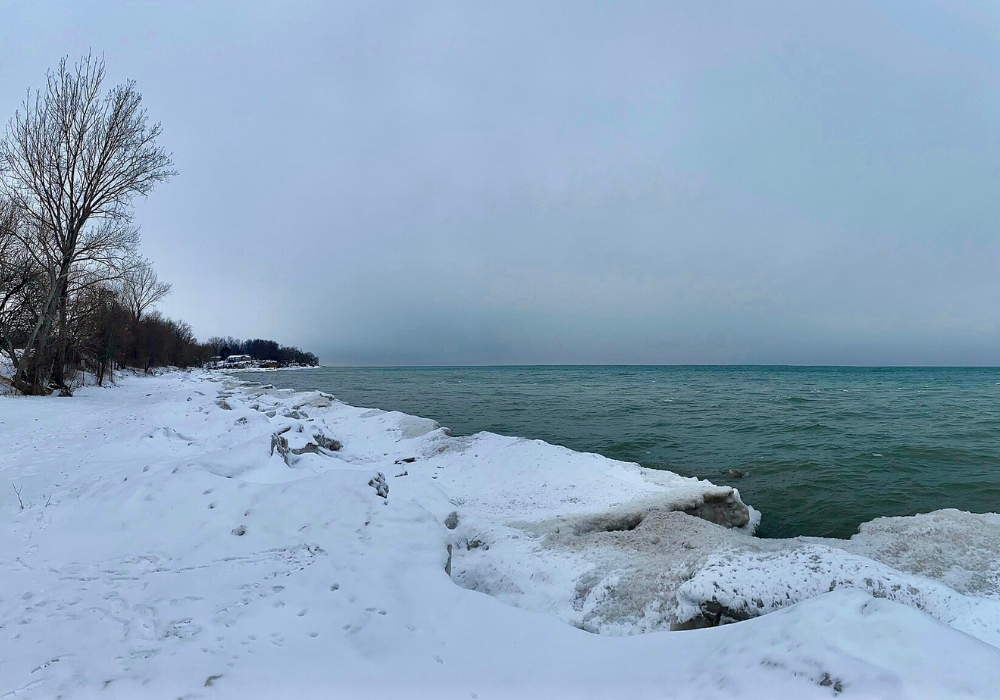
Lake Ontario’s frigid, low-oxygen environment is known for slowing wood decay, but experts say this ship’s condition is still extraordinary. The hull planks, deck structures, and key hardware remain fully recognizable, a testament to how protective the lake’s deep waters can be.
This level of preservation allows historians to study construction features rarely visible on ships from the 1800s. Because saltwater wrecks typically deteriorate far faster, Great Lakes finds like this one offer an unmatched opportunity to examine intact wooden vessels.
3. The Vessel Likely Sank in the Late 1800s
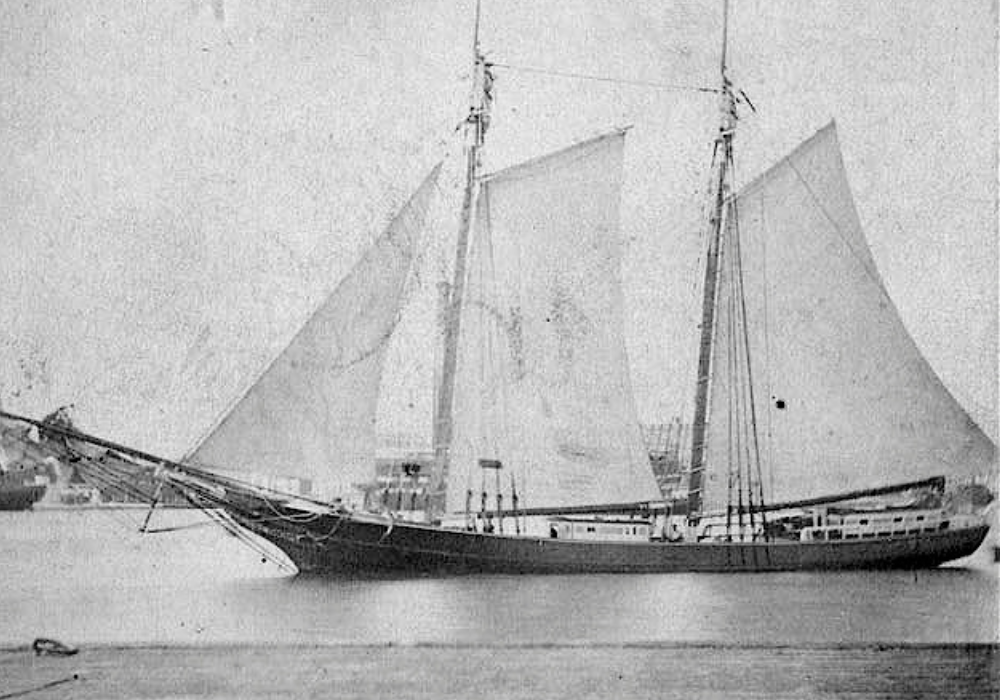
Based on its construction and design, experts believe the ship dates to the 19th century, a period when schooners dominated Great Lakes shipping. These vessels transported lumber, grain, coal, and other goods between rapidly growing port cities.
While researchers continue reviewing historical records to pinpoint its identity, its features align with ships typical of the era. The discovery adds to understanding of how maritime commerce shaped the Great Lakes region during a time of industrial expansion.
4. Its Masts and Rigging Are Shockingly Intact

One of the most jaw-dropping details is the preservation of the ship’s masts and rigging points—features that usually collapse shortly after a vessel sinks. The schooner’s upright position likely prevented catastrophic breakage.
This unusual survival gives archaeologists a rare view of how these ships were engineered. It also helps reconstruct how the vessel operated before it went down, adding clarity to historical accounts of 19th-century sailing techniques.
5. Researchers Believe the Crew Escaped the Sinking

Because the ship shows no signs of collision damage or fire, historians suspect the crew may have abandoned it safely. Records from the era contain stories of vessels lost in storms or due to leaks, with crews often rowing to safety.
The absence of human remains or personal effects supports this theory. Understanding why and how the ship sank can help fill gaps in the region’s maritime history, especially during periods when recordkeeping was inconsistent.
6. Sonar Technology Played a Key Role in the Discovery

Modern scanning tools allowed the search team to detect the ship’s distinct shape long before divers reached the site. High-resolution sonar is crucial for deep-water exploration, revealing outlines and shadows that help pinpoint promising targets.
Once the sonar image confirmed the vessel’s size and symmetry, divers conducted visual inspections. This combination of technology and hands-on exploration is increasingly responsible for major archaeological breakthroughs across the Great Lakes.
7. The Find Helps Fill Gaps in Shipping History

Thousands of ships sailed the Great Lakes during the 1800s, but many vanished without detailed documentation. Each new discovery helps clarify shipping routes, cargo types, and common design practices from the era.
Because this ship is so intact, it may offer information historians rarely get from wrecks of the same period. Its condition could reveal details about construction methods and everyday operations that written records never captured.
8. Authorities Won’t Raise the Ship to the Surface
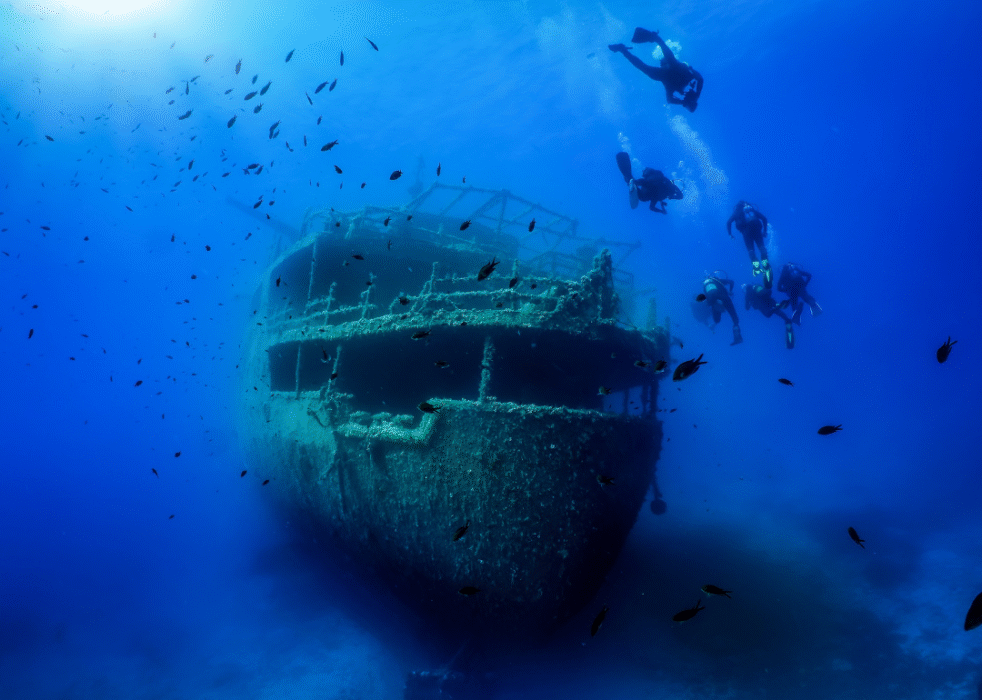
Despite its excellent condition, the vessel will remain underwater. Lifting a wooden shipwreck is an incredibly complex and costly process, and exposure to air often accelerates deterioration.
Instead, researchers will rely on mapped imaging, detailed photography, and 3D modeling to study it. Keeping the ship submerged ensures it stays as stable as possible in the environment that preserved it for more than a century.
9. The Discovery Highlights How Many Wrecks Are Still Unfound

Estimates suggest more than 6,000 ships were lost across the Great Lakes, and only a fraction have been found. Many sank in remote or deep areas that remain difficult to search even with modern tools.
Finds like this highlight how much history still lies hidden below the surface. Each discovery not only solves a mystery but helps paint a clearer picture of the region’s past maritime economy and the dangers of its unpredictable waters.
10. A 3D Model Will Allow the Public to Explore the Ship Virtually
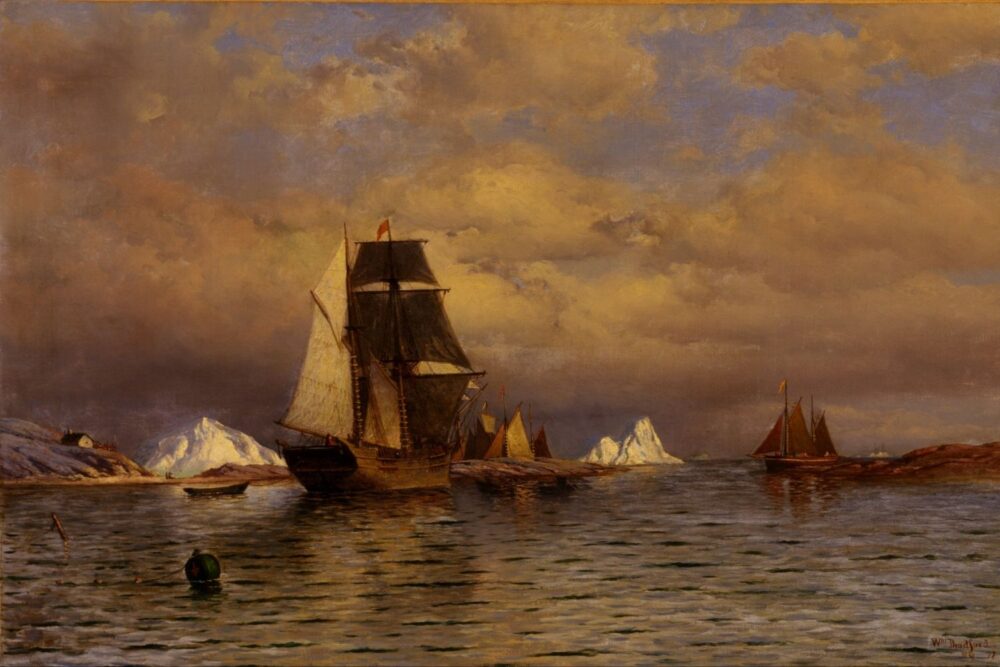
Researchers plan to map the wreck in high detail, allowing audiences to view it online as if they were diving beside it. This technology has become an essential tool for sharing archaeological discoveries with the public.
Virtual access ensures the wreck remains protected while still offering an immersive educational experience. It also allows historians to study features repeatedly without disturbing the fragile remains resting on the lake floor.