
Scientists warn that everyday objects can accumulate surprising amounts of bacteria if hygiene slips.
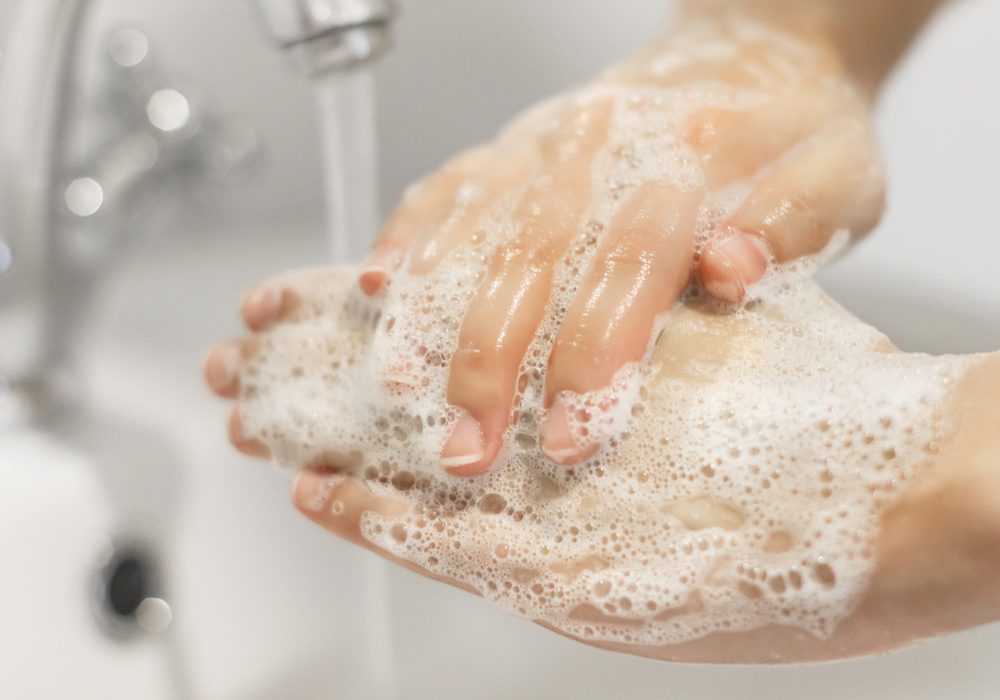
You may not realize it, but many of the objects you touch every day collect surprising amounts of bacteria, viruses, and other microbes. While most aren’t dangerous on their own, they can transfer germs to your hands—especially when shared, handled frequently, or rarely cleaned. Public-health researchers say proper and timely handwashing remains one of the most effective ways to reduce illness. These commonly touched items tend to harbor microbes because they’re handled often, exposed to public environments, or difficult to disinfect thoroughly.
1. Smartphones Collect Germs From Hands, Pockets, and Surfaces
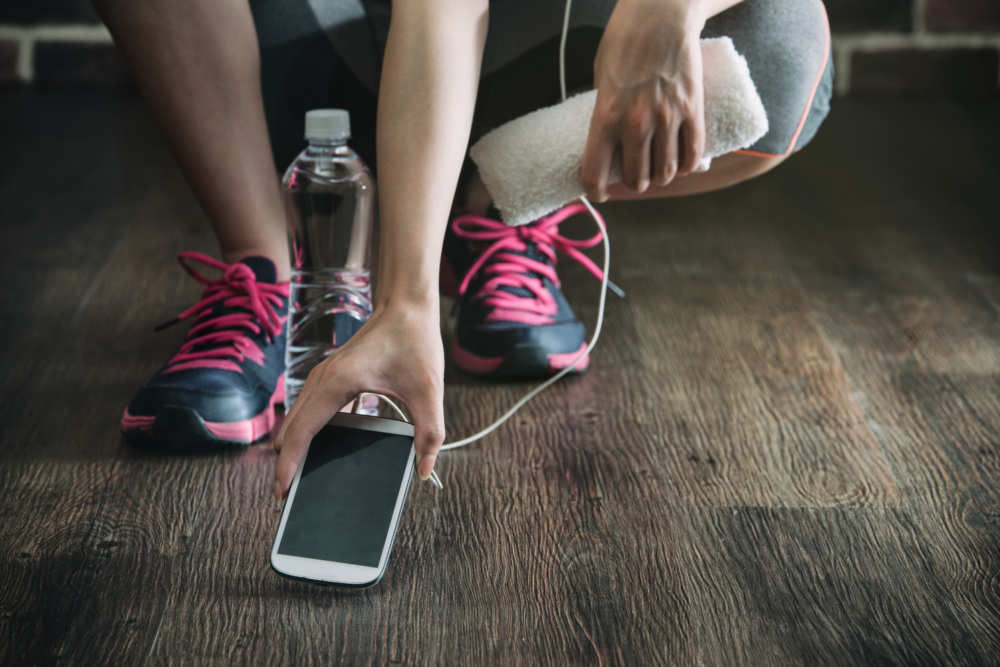
Studies show that smartphones often carry more bacteria than many household objects because they are handled constantly and rarely cleaned. Warm surfaces and protective cases can trap moisture and oils, creating an environment where microbes can persist for long periods.
Researchers note that phones pick up germs every time they’re placed on counters, used in public settings, or touched after handling other shared surfaces. Washing hands after heavy phone use—especially before meals—reduces the chance of transferring microbes from the device to the face or mouth.
2. Door Handles Are High-Touch Surfaces in Homes and Public Places
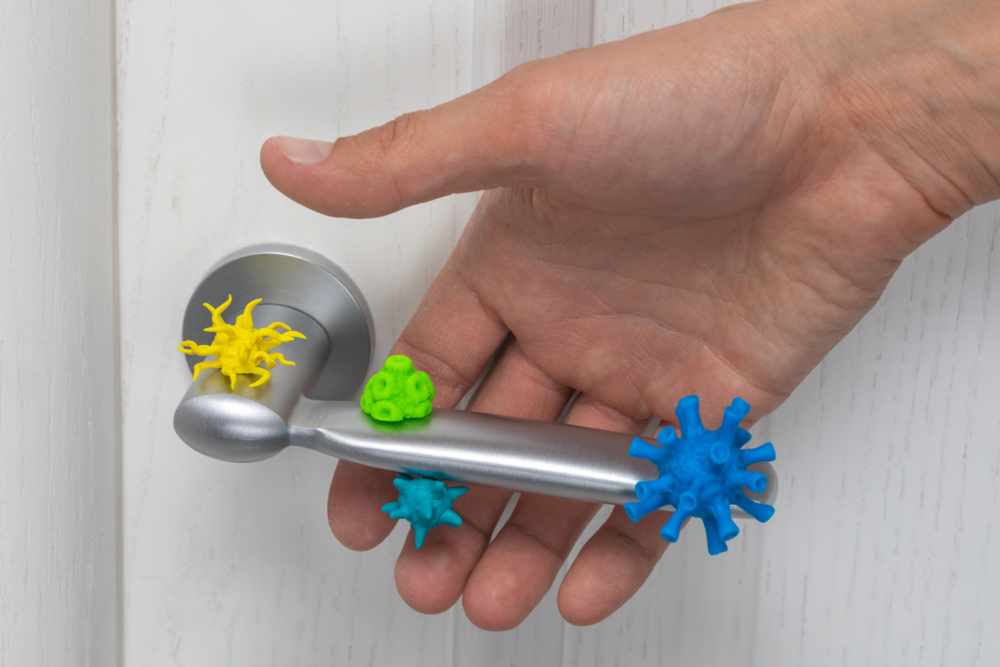
Door handles accumulate microbes quickly because they are touched by many people throughout the day. Public restroom handles, office doors, and entryways tend to show the highest contamination levels due to frequent contact in shared environments.
Even in homes, door handles can harbor bacteria when household members are sick. While the risk varies, experts say handwashing after touching public handles is a simple way to prevent picking up germs from dozens of unknown sources.
3. Shopping Carts Frequently Carry Bacteria and Viruses
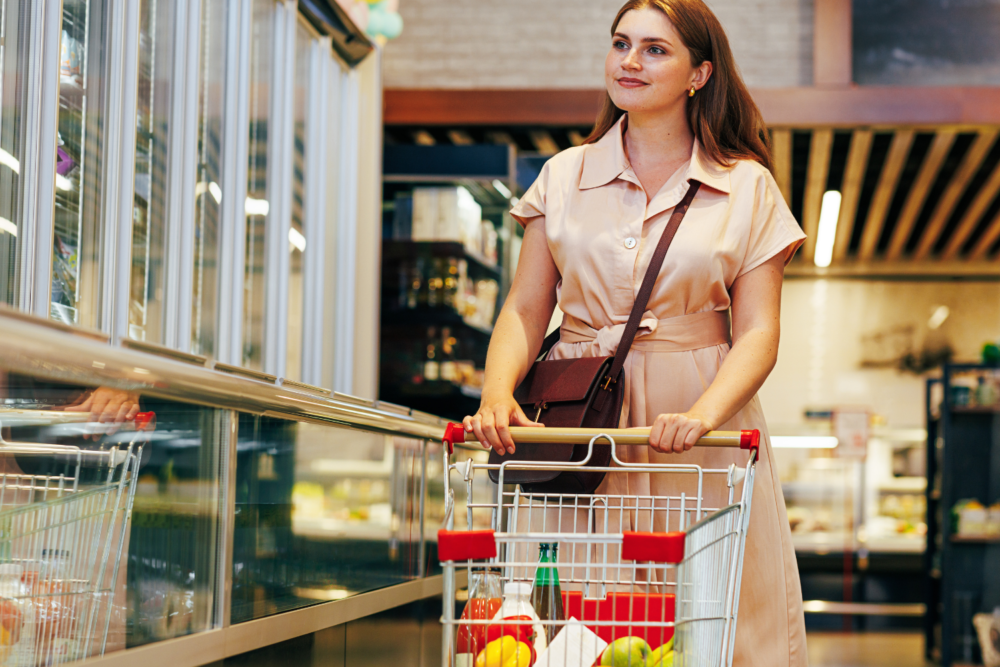
Shopping cart handles are among the most contaminated items in retail settings, according to repeated swab studies conducted over the years. They come into contact with thousands of hands, spilled foods, and environmental surfaces, creating a mix of microbes.
Because carts are rarely disinfected between uses, handwashing or using sanitizer after shopping is recommended. Touching produce, snacks, or your face before washing can increase the likelihood of transferring these germs into the body.
4. Money Passes Through Many Hands and Environments

Cash—whether coins or bills—collects microbes as it moves from person to person. Studies have found bacterial and viral particles on various forms of currency, though most are unlikely to cause illness on their own.
The bigger concern is how money is handled. People often touch cash while eating, shopping, or doing other activities. Washing hands after handling money reduces the chance of transferring germs from currency onto food or high-touch areas of the face.
5. Gas Pump Handles Are Among the Most Contaminated Public Surfaces

Gas pump handles are touched by hundreds of drivers daily, often in rapid succession. Because fueling stations are not typically cleaned frequently, microbes accumulate and persist on these outdoor surfaces.
Researchers note that drivers often touch their phone, steering wheel, or face soon afterward without washing their hands. Using sanitizer or washing hands after pumping gas is a simple step to reduce exposure to these shared germs.
6. Public Touchscreens Contain High Levels of Microbes

Self-checkout machines, ticket kiosks, and other public touchscreens can harbor bacteria, viruses, and fungi from countless users. Fingerprints, oils, and environmental particles accumulate quickly and are rarely removed between uses.
While many microbes found on touchscreens are harmless, public-health experts recommend avoiding touching your eyes, mouth, or nose until hands are washed or sanitized. Regular cleaning of personal devices also helps reduce microbial buildup.
7. Kitchen Sponges Are One of the Germiest Items in the Home
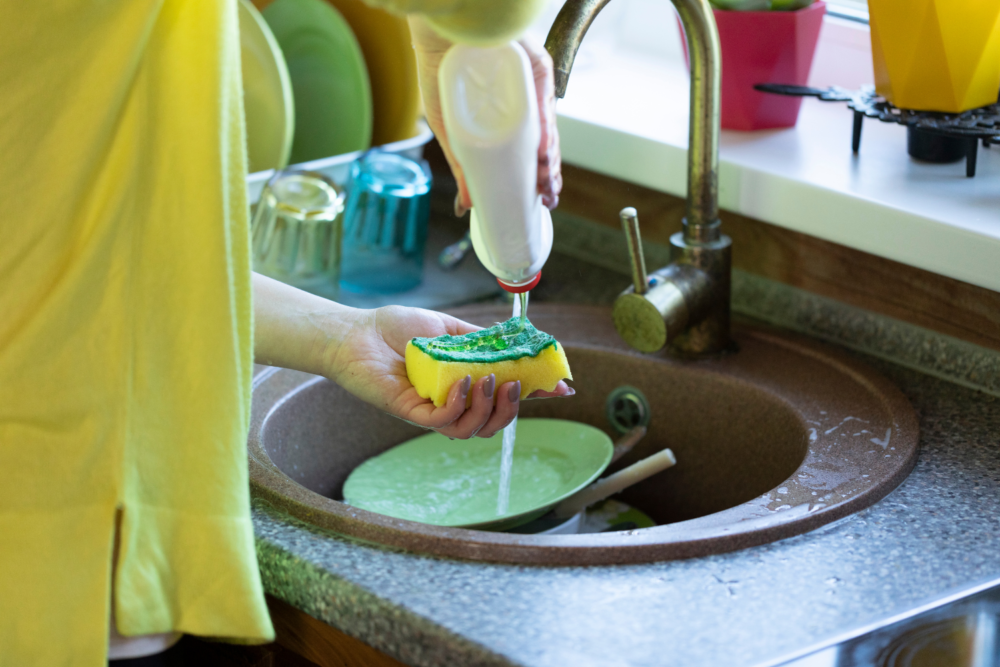
Research consistently shows that kitchen sponges house large amounts of bacteria due to constant exposure to moisture and food particles. Their porous structure traps microbes, allowing them to multiply even after rinsing.
Handwashing after using a sponge—especially before preparing food—reduces the chance of transferring germs to clean dishes or ingredients. Replacing sponges frequently or disinfecting them properly helps limit microbial growth.
8. Bathroom Faucet Handles Collect Germs Easily
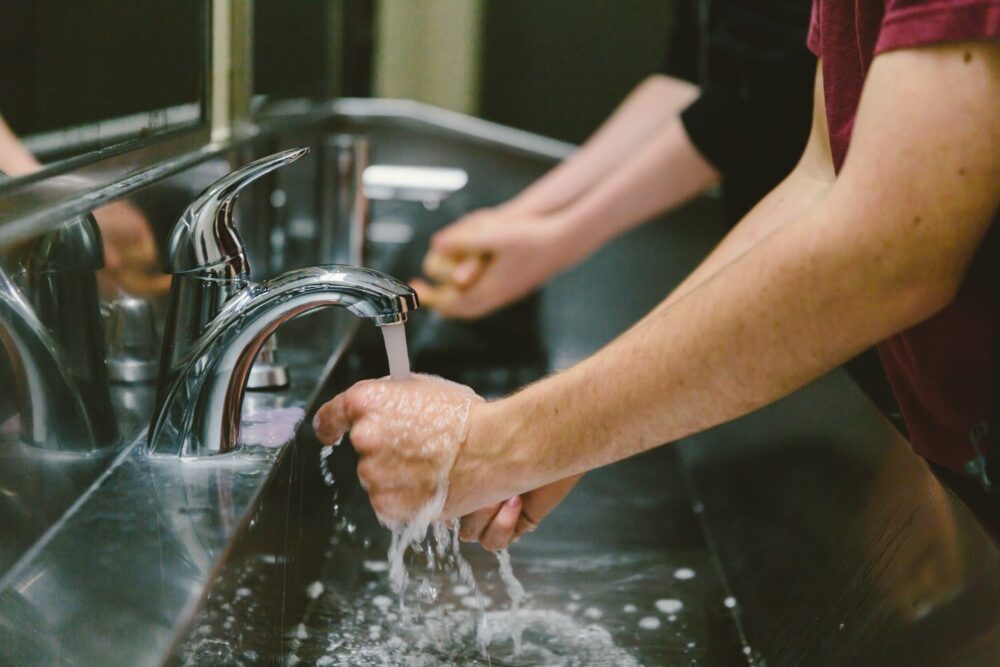
Bathroom faucets are touched before handwashing, meaning they accumulate microbes from hands that have not yet been cleaned. Moisture from sinks also creates favorable conditions for bacteria to persist on these surfaces.
Because people often re-touch the faucet after washing hands, experts recommend using a clean towel or tissue to turn it off when possible. Washing hands thoroughly afterward helps prevent accidental contamination.
9. Remote Controls Are Touched Often and Cleaned Infrequently

Remote controls in homes, hotels, and shared spaces accumulate microbes due to constant handling. They often fall between cushions, sit on various surfaces, and are touched by multiple people—yet rarely sanitized.
Public-health studies on household hygiene show that remotes can carry bacteria and viral particles, particularly during cold and flu season. Washing hands after handling shared remotes helps reduce the spread of germs.
10. Touching Pets or Animals Can Transfer Microbes to Your Hands

Pets and animals easily collect dirt, bacteria, and environmental microbes in their fur, paws, and saliva. Touching them and then handling food, touching your face, or preparing meals can transfer germs without you realizing it. Even healthy pets naturally carry microbes that don’t make them sick but can still spread to humans.
Handwashing after playing with pets, cleaning litter boxes, or handling food and water bowls helps prevent accidental contamination. Veterinarians emphasize this is especially important after touching animals that spend time outdoors.
11. Restaurant Menus Are Touched by Hundreds of People

Menus in restaurants—especially laminated ones—are handled by many customers daily and are rarely disinfected between uses. Bacteria and viruses can linger on their surfaces, particularly near edges or folds where food residue and fingerprints collect.
Experts recommend washing hands or using sanitizer after ordering and before eating. Touching a menu and then handling bread, snacks, or utensils can transfer microbes without you noticing, making this a simple but important hygiene step.