
Fans say it delivered the best image of its era, yet it lost the battle that shaped how the world watched TV.

A groundbreaking home video recorder debuted 50 years ago with picture quality that stunned early adopters. Long before streaming and digital playback, this machine promised a new kind of television freedom: the ability to record broadcasts at home and watch them whenever you wanted. Devoted fans still argue it offered the sharpest image of its era, yet it vanished from the spotlight as VHS took over living rooms. Its story reveals how marketing, recording time, and consumer habits—not technology alone—decide which innovations survive.
1. The Recorder Debuted in the Mid-1970s With Advanced Picture Quality

Sony introduced its early Betamax home video recorder in the mid-1970s, promoting it as a premium device with sharper resolution than anything consumers had seen. The machine delivered unusually crisp playback, thanks to higher tape speed and engineering designed to reduce image noise.
Early reviewers praised its clarity, noting it surpassed many later VHS units. Despite this technical advantage, the recorder entered a market that was just beginning to understand what home video technology could offer, placing pressure on Sony to justify its higher cost and shorter recording time.
2. Betamax Offered Superior Resolution but Limited Recording Length

Betamax tapes typically recorded one hour at their original quality settings, which matched Sony’s belief that viewers mainly wanted to time-shift single programs. This choice produced exceptional clarity but constrained its practicality for recording movies or sporting events.
VHS, introduced by JVC shortly after, offered a two-hour recording time that aligned better with consumer habits. Despite lower resolution, the longer capacity made VHS far more attractive to families, shifting the market toward convenience rather than technical superiority.
3. The Machine Was Part Television, Part Recorder
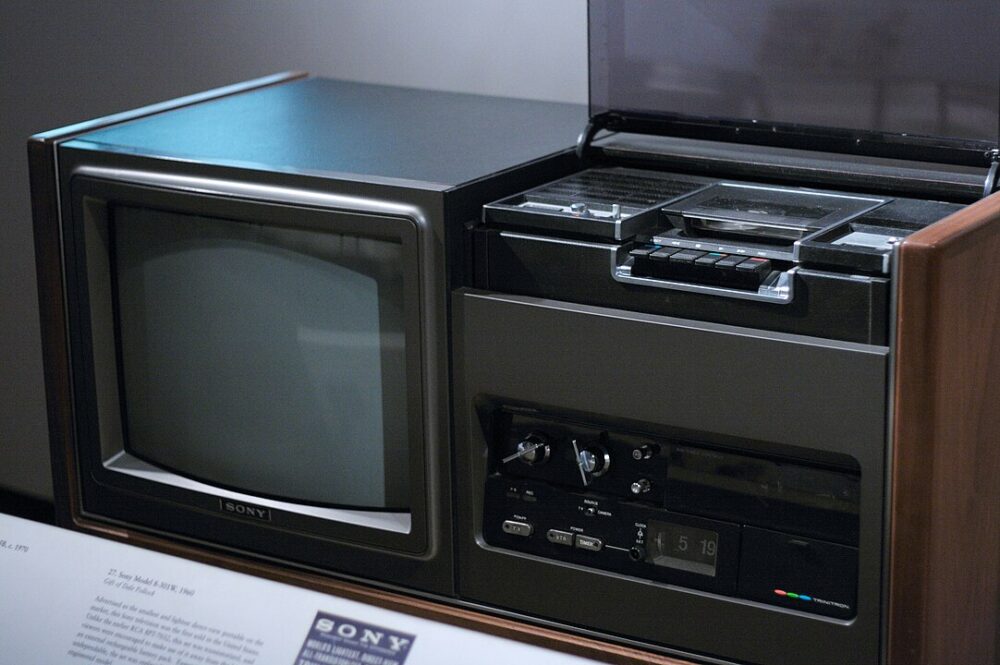
One of Sony’s earliest consumer models combined a Betamax deck directly with a television cabinet. This all-in-one design allowed households to experiment with home recording without needing separate components. The built-in recorder made the setup appealing and futuristic for its time.
However, the unit’s size, weight, and price made it accessible only to early adopters. As smaller standalone VCRs entered the market, the integrated approach faded. Still, this hybrid model represented a major milestone in making home video recording available to the public.
4. Early Adoption Was Slowed by the High Cost
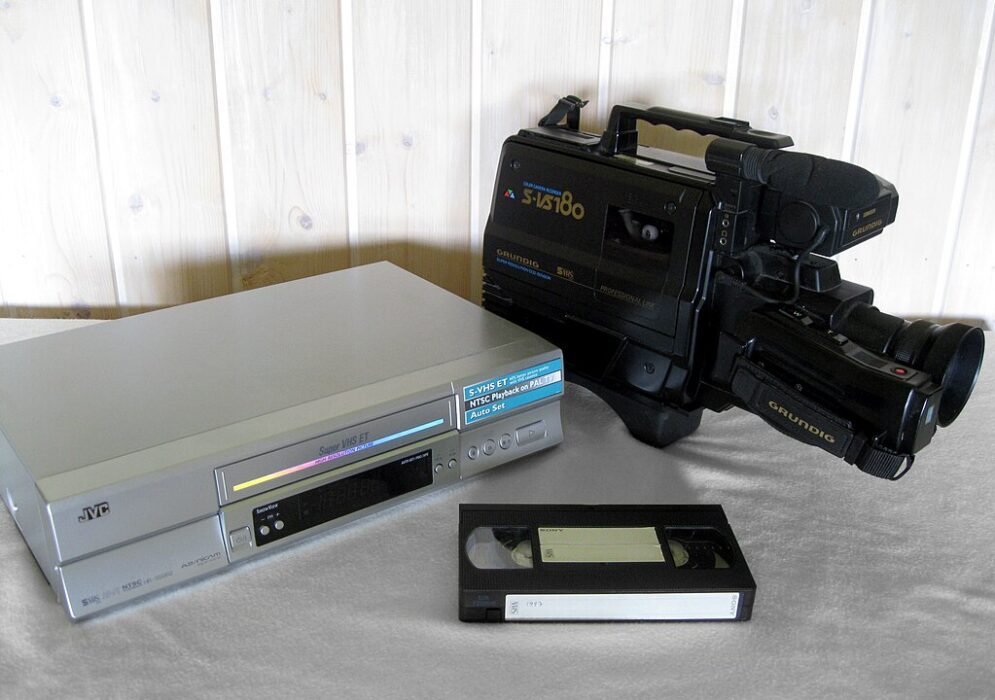
The first Betamax units cost far more than what most families were accustomed to spending on entertainment technology. The price reflected Sony’s emphasis on premium engineering and the novelty of home recording itself.
But as competitors released cheaper machines, many consumers opted for affordability over image quality. The price gap helped VHS grow quickly in households, even though many users acknowledged that Betamax produced a visibly sharper picture.
5. The Home Video Format War Dominated the Late 1970s and Early 1980s
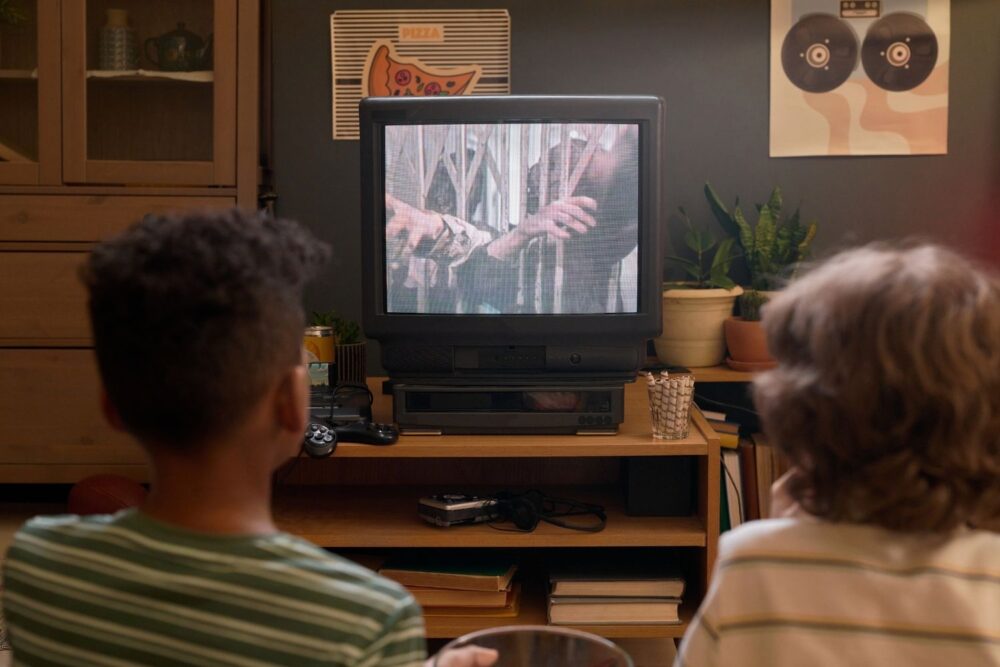
The rivalry between Betamax and VHS became one of the most famous format battles in consumer electronics history. Each company sought licensing deals, manufacturing partnerships, and retail support to gain dominance.
While Betamax won early praise for its performance, VHS captured more manufacturers and rental businesses. Within a few years, VHS commanded the majority of the market, setting the stage for Betamax’s gradual decline despite its technical strengths.
6. Video Rental Stores Cemented VHS as the Standard

When video rental shops became popular, most chose VHS because its longer recording times made it ideal for distributing movies. Retailers standardized on the format, creating a cycle in which consumers bought VHS players because movies were available—and movies were available because consumers owned VHS players.
Betamax could not compete with this broad adoption. Even though some stores carried both formats, VHS quickly overshadowed its rival, reducing Betamax’s visibility and accelerating its retreat from everyday use.
7. Fans Still Praise the Recorder’s Exceptional Durability
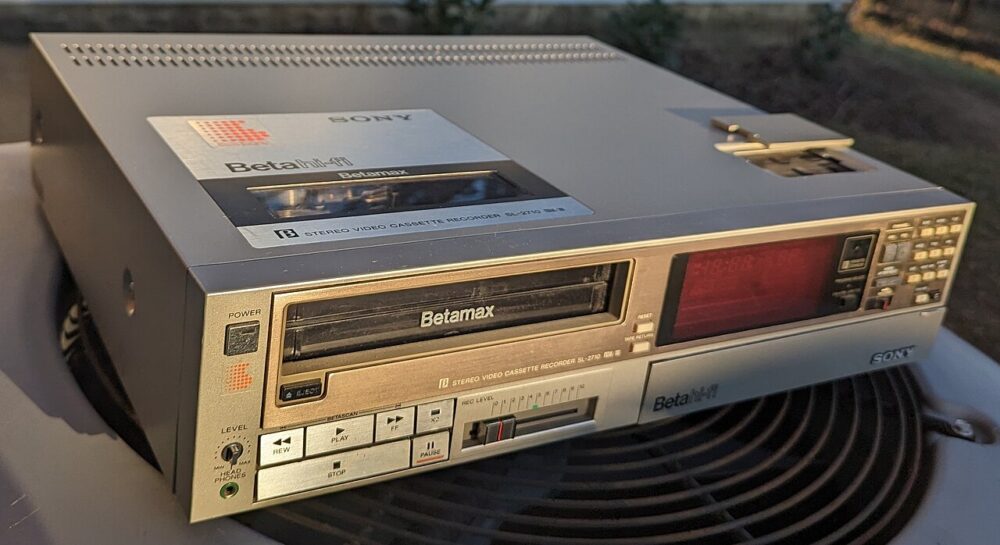
Many of the earliest Betamax recorders were built with heavy components, metal parts, and meticulous engineering. Owners often report that these machines continued functioning long after typical VHS players wore out.
Collectors today admire the craftsmanship and reliability of these early units. Their longevity reflects Sony’s commitment to durability, even if the market eventually favored cheaper, lighter designs from other manufacturers.
8. Sony Continued Support for Betamax Long After It Lost the Market

Even after VHS became dominant, Sony continued manufacturing Betamax equipment into the 1980s and producing Betamax tapes into the 2010s. The format retained a niche following, especially among professionals who valued its image quality.
This extended support kept Betamax relevant far longer than many realize. However, the early recorder that once seemed poised to revolutionize home video ultimately faded as mainstream consumers embraced VHS.
9. The Machine’s Legacy Lives On in Modern Recording Technology
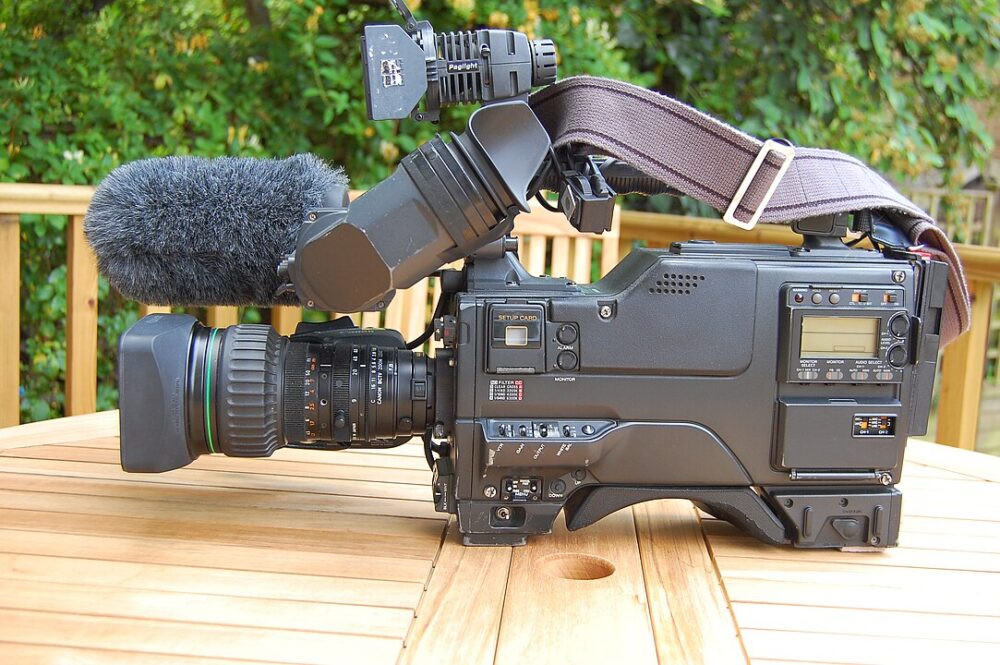
Though Betamax lost the format war, its influence shaped later developments in magnetic recording. Many innovations pioneered in Betamax engineering informed future professional broadcast formats, including Sony’s widely used Betacam systems.
These successors became industry standards in television production, proving that the ideas behind Betamax did not disappear—they evolved into tools that shaped decades of broadcast history.
10. Its Disappearance Shows That Best Technology Doesn’t Always Win
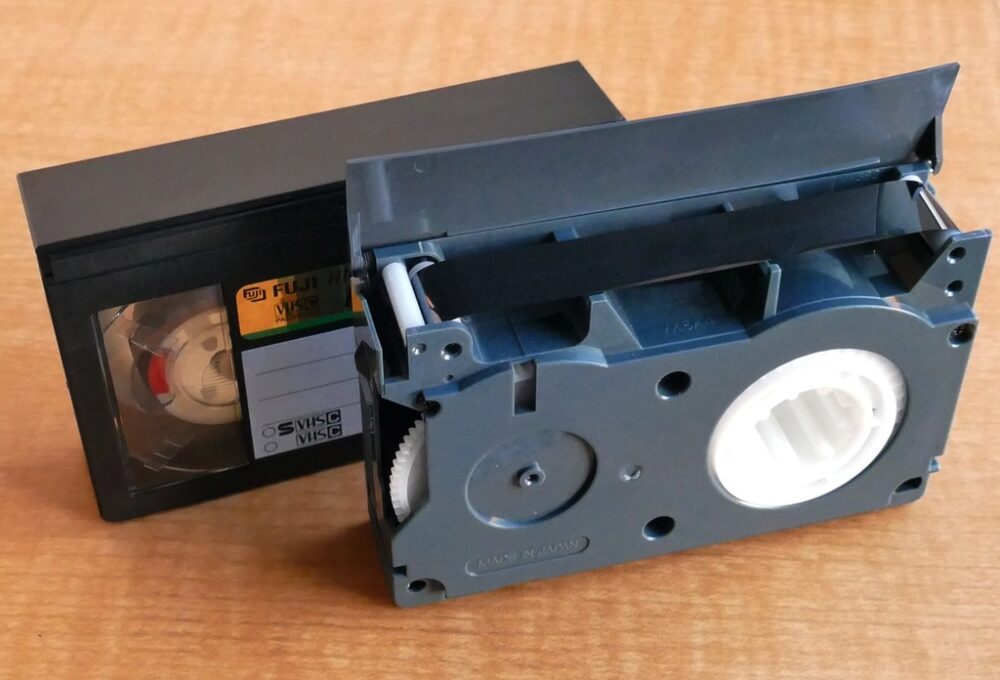
The forgotten recorder’s story reveals a recurring truth in consumer electronics: technical superiority does not guarantee commercial success. Factors like cost, convenience, licensing, and content availability often determine which technologies endure.
Betamax offered exceptional picture quality for its time, yet VHS met consumer needs more effectively. Its rise and fall remain a case study in how public habits shape the fate of even the most advanced machines.