
A routine Navy training flight vanished without a trace, fueling decades of speculation and myth.
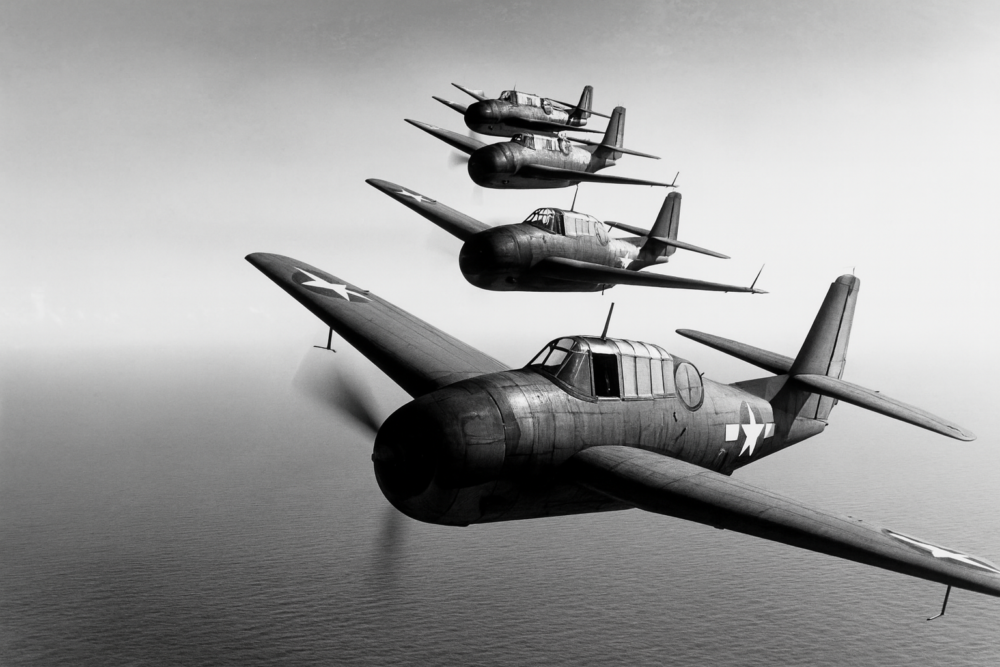
A routine Navy training mission on December 5, 1945, became one of the most enduring mysteries in aviation history. Flight 19, a group of five torpedo bombers, vanished during a navigation exercise off the coast of Florida. Despite extensive searches, no wreckage was ever confirmed, and all 14 airmen aboard were declared missing. The disappearance fueled growing public fascination with unexplained events in the region, helping transform an ordinary tragedy into the cornerstone of the Bermuda Triangle legend.
1. Flight 19 Was a Standard Training Mission That Suddenly Went Wrong
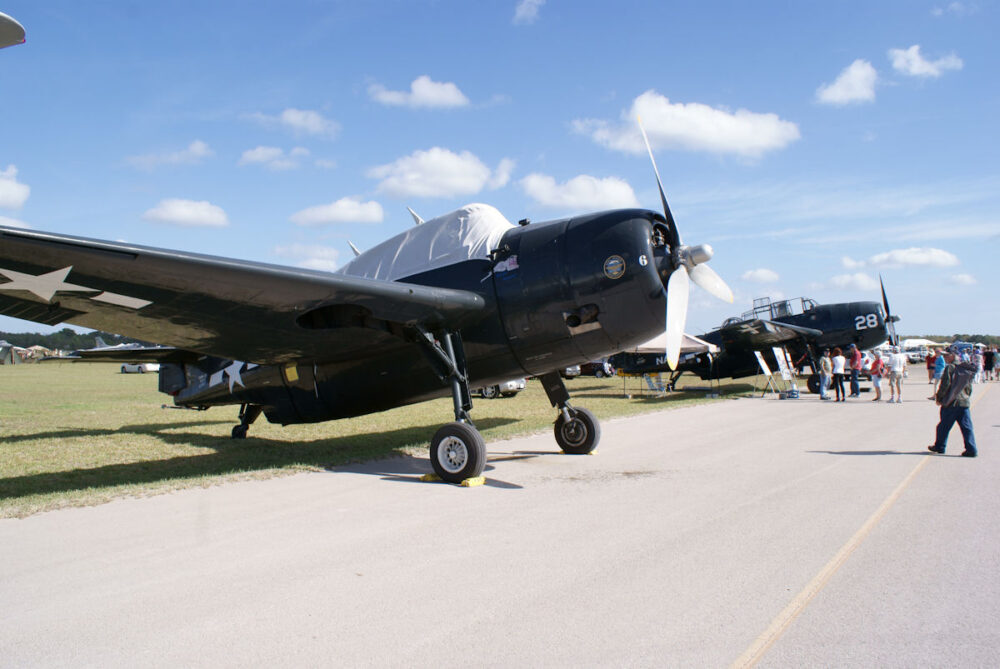
Flight 19 consisted of 14 airmen flying five TBM Avenger torpedo bombers on a routine practice mission from Naval Air Station Fort Lauderdale. The flight plan involved navigating east, practicing bombing runs, and then returning to base. Everything about the assignment was typical for pilots in training.
However, soon after the bombing exercise, radio transmissions revealed the pilots were unsure of their position. Confusion grew as weather worsened, and their attempts to orient themselves failed. What began as an ordinary drill quickly turned into an emergency with no clear explanation.
2. The Lead Pilot’s Navigation Errors Played a Critical Role
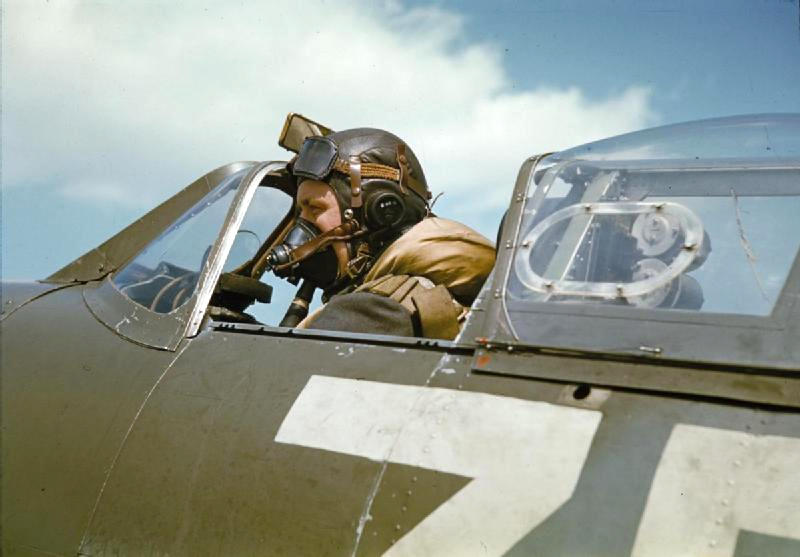
The instructor leading the mission, Lieutenant Charles Taylor, believed his compass was malfunctioning and misidentified the islands beneath him. He thought the planes were over the Florida Keys when they were likely east of Florida, over the Atlantic.
This misjudgment caused the squadron to fly further out to sea instead of turning west toward the mainland. Other pilots questioned the heading, but military protocol required them to follow Taylor’s commands. The miscalculations ultimately led the entire group into worsening weather and dwindling fuel reserves.
3. Distorted Radio Transmissions Added to the Confusion

Throughout the flight, radio communications were plagued by static and intermittent reception. Some messages came through clearly, while others were barely intelligible. These gaps made it difficult for ground stations to determine the squadron’s exact location.
Operators attempted to guide the pilots, but incomplete signals prevented effective communication. The uncertainty created by poor radio contact contributed to the unfolding disaster, preventing coordinated rescue or course correction at a critical time.
4. Weather Conditions Worsened as the Mission Continued

As the afternoon wore on, weather conditions deteriorated. Cloud cover increased, visibility dropped, and the sea became rougher. Poor visibility made it harder for pilots to identify landmarks, which would have been essential for navigating back to Florida.
The worsening weather also complicated rescue efforts. Even with multiple aircraft searching the region, low light and heavy seas made spotting downed planes nearly impossible. Nature became an additional barrier to solving the squadron’s disappearance.
5. Fuel Shortages Forced the Planes Into the Ocean
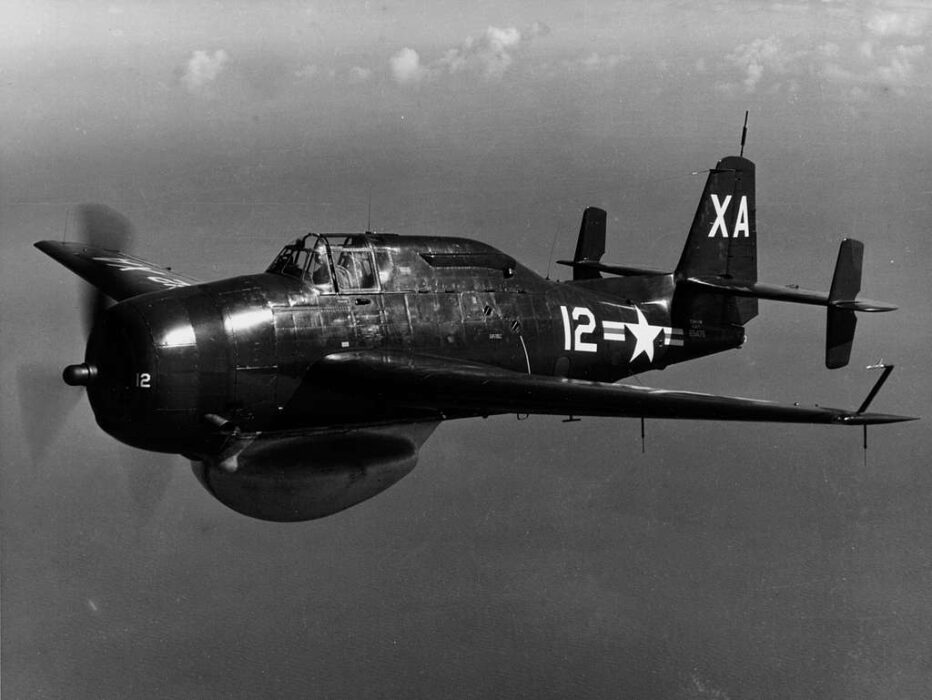
The TBM Avengers had limited flight time, especially when flying off course. As Flight 19 continued into the late afternoon, their fuel reserves were rapidly depleting. Radio messages indicated the pilots knew they were running out of time.
Eventually, the squadron would have been forced to ditch their aircraft in the Atlantic. Avengers were heavy planes that sank quickly, leaving little floating debris. This likely explains why rescue teams never found definite evidence of the lost aircraft.
6. A Rescue Plane Also Disappeared During the Search
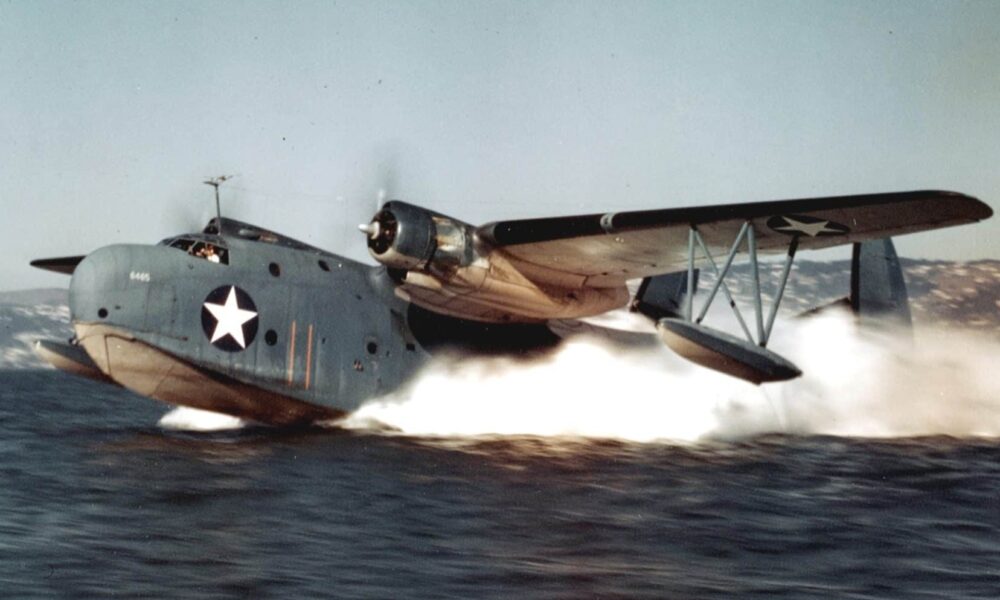
A PBM Mariner rescue aircraft with 13 crew members was dispatched to search for Flight 19 shortly after communications ceased. Not long after takeoff, the Mariner itself vanished from radar.
Investigators later concluded the rescue plane most likely exploded midair due to a known fuel-leak issue that made this aircraft type prone to ignition. Witnesses aboard nearby ships reported seeing a fireball in the sky. While tragic, this disappearance was unrelated to the mystery surrounding Flight 19.
7. The Navy Carried Out One of the Largest Searches in Its History
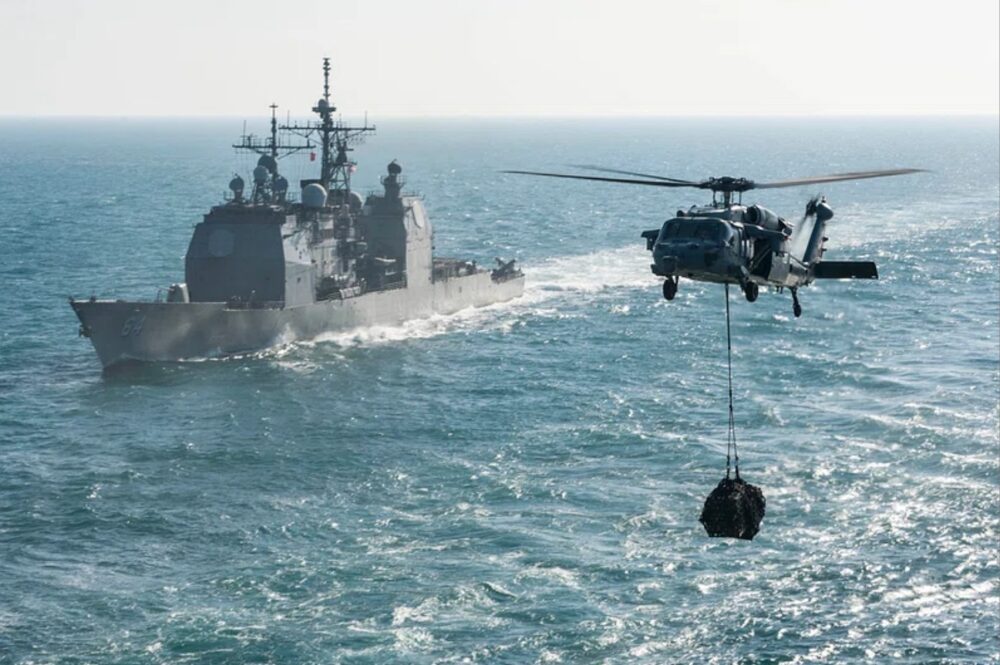
The search for Flight 19 involved more than 300 aircraft, 13 ships, and thousands of personnel over tens of thousands of square miles. Despite the scale of the operation, no confirmed debris from the missing squadron was ever recovered.
The lack of physical evidence deepened the mystery and left families without closure. The official Navy report initially suggested pilot error, though later revisions softened the conclusion due to insufficient proof.
8. Wartime Aircraft Sinking Quickly Complicated Recovery
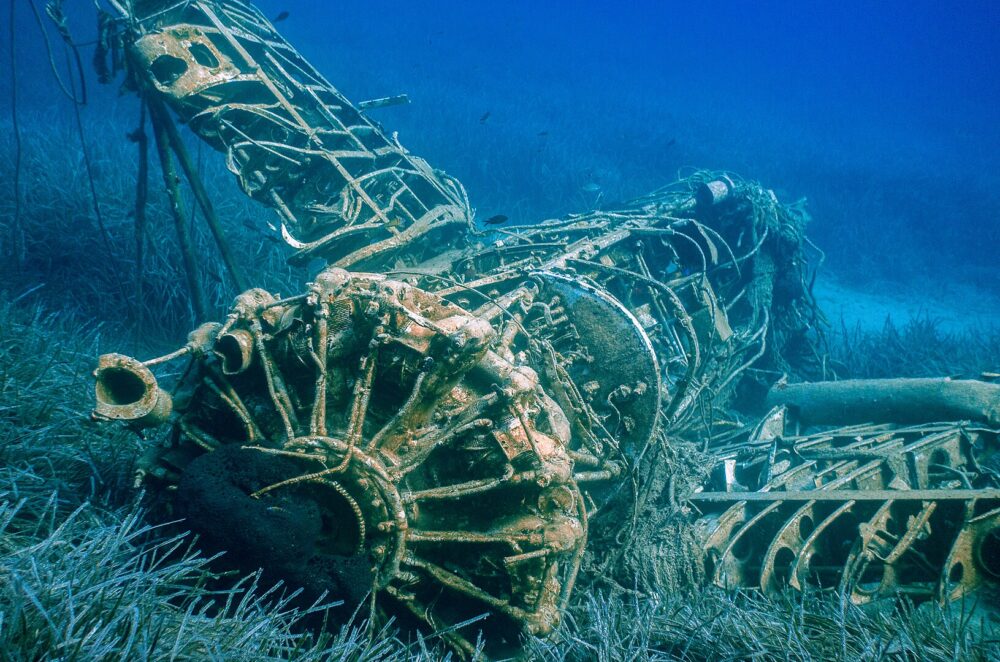
The Avengers used in Flight 19 were designed with armor and heavy engines that caused them to sink rapidly when landing in water. If the aircraft ditched in rough seas, they could disappear below the surface in minutes.
Combined with strong currents and deep ocean trenches, this made recovery extremely difficult. Many experts believe the planes still lie undiscovered on the ocean floor, beyond traditional search capabilities.
9. Early Media Coverage Helped Fuel the Bermuda Triangle Myth

Sensational newspaper articles in the decades following the disappearance framed Flight 19 as an unsolved, potentially supernatural mystery. Reports emphasized radio static, strange compass failures, and the lack of wreckage.
Books in the 1960s and 1970s expanded these ideas, linking various maritime and aviation incidents into what became known as the Bermuda Triangle. Flight 19 soon became the centerpiece of the myth, even as researchers continued to point to natural explanations.
10. Modern Investigators Emphasize Human Error and Environmental Factors
Contemporary researchers reviewing military reports and meteorological data have concluded that a combination of navigation errors, poor weather, and failing equipment likely caused the tragedy. These explanations align with known aviation risks at the time.
While the story remains compelling, experts agree that the disappearance does not require supernatural theories. Instead, it reflects the challenges faced by World War II-era pilots flying over open water with limited technology.
11. Flight 19 Remains a Cultural Touchstone of Aviation Mystery

Though most evidence points to navigational mistakes and environmental factors, Flight 19 continues to capture the public’s imagination. Its unanswered questions, dramatic radio transmissions, and total lack of wreckage lend the event an enduring aura of mystery.
The incident remains one of the most discussed aviation losses in American history. Its legacy persists through documentaries, books, and popular culture, ensuring Flight 19’s place at the center of the Bermuda Triangle legend.