
Surprisingly well-preserved, these historic sites have survived wars, empires, and the passage of time.
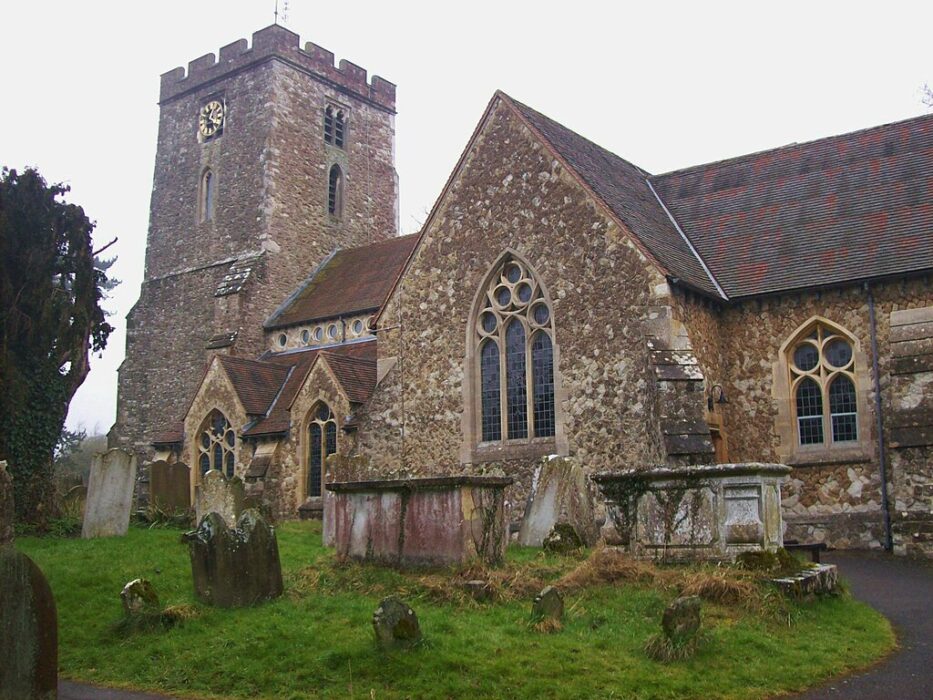
Europe is home to some of the world’s most enduring architecture, where buildings constructed hundreds—and sometimes thousands—of years ago are still functioning today. These remarkable structures have survived shifting borders, fallen empires, natural disasters, and generations of everyday use. Many continue to serve the same purpose their builders intended, offering a rare living connection to the past. Exploring these sites reveals how history remains woven into modern European life and how craftsmanship, location, and cultural value helped them withstand the passage of centuries.
1. St. Martin’s Church in Canterbury Dates Back to the 6th Century
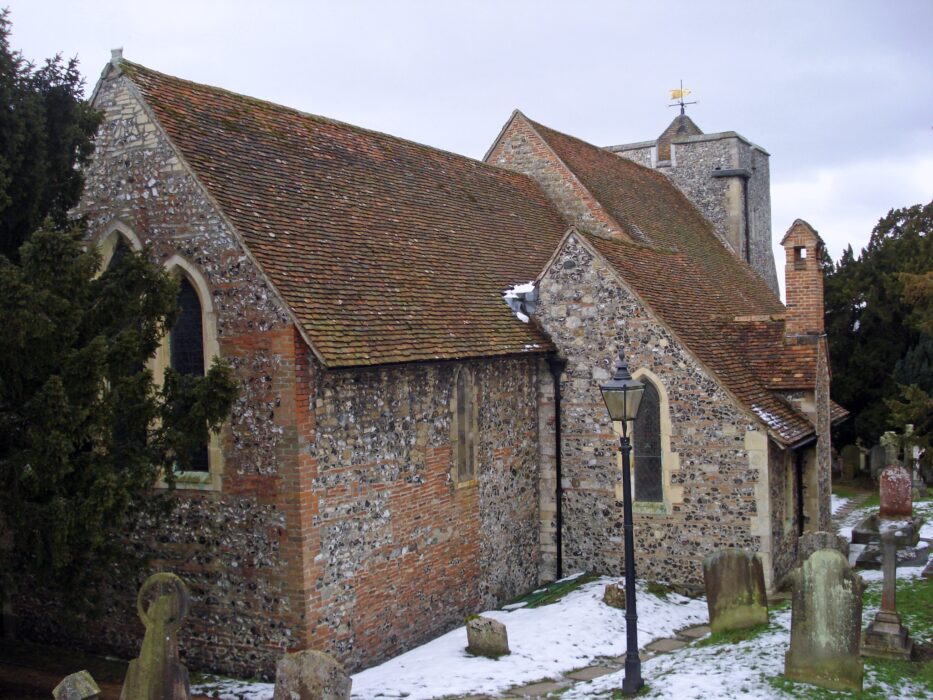
St. Martin’s Church in Canterbury, England, is considered the oldest church in continuous use in the English-speaking world. Its origins trace to the late Roman period, with major additions made in the 500s.
Still used for worship today, the church provides an unbroken link to early Christianity in Britain. Its ancient walls incorporate Roman bricks, demonstrating how early builders reused materials from earlier settlements to create enduring structures.
2. The Pantheon in Rome Has Served for Nearly 1,900 Years
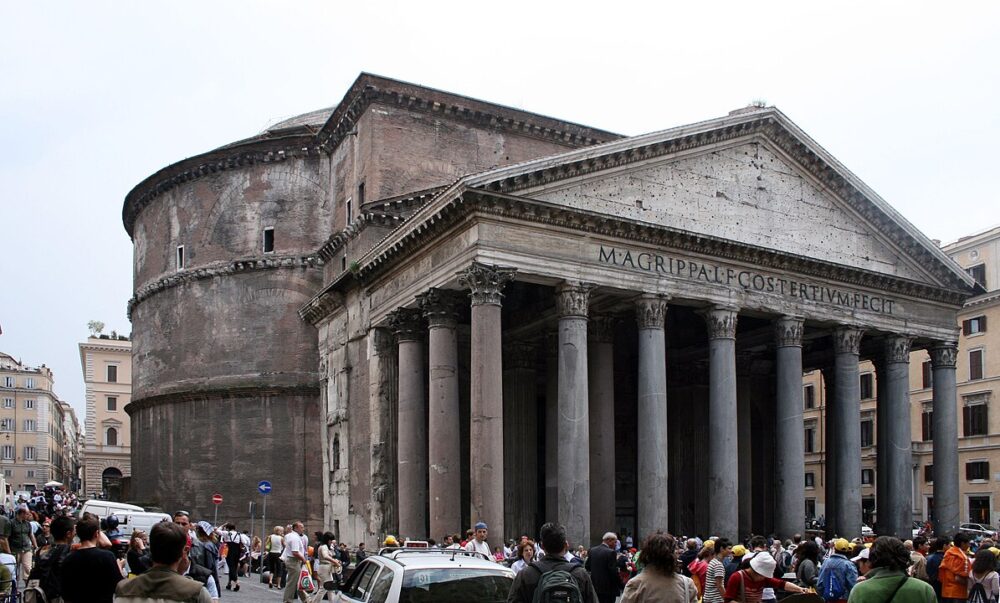
Built around 125 AD, the Pantheon is one of Europe’s best-preserved Roman structures. Originally a temple, it has functioned as a Catholic church since the 7th century. Its massive concrete dome remains the largest unreinforced dome ever built.
The building’s extraordinary engineering and continuous maintenance have allowed it to remain an active place of worship and a major cultural site. Its longevity reflects the ingenuity of Roman construction techniques.
3. The Basilica of San Lorenzo in Milan Began in the 4th Century
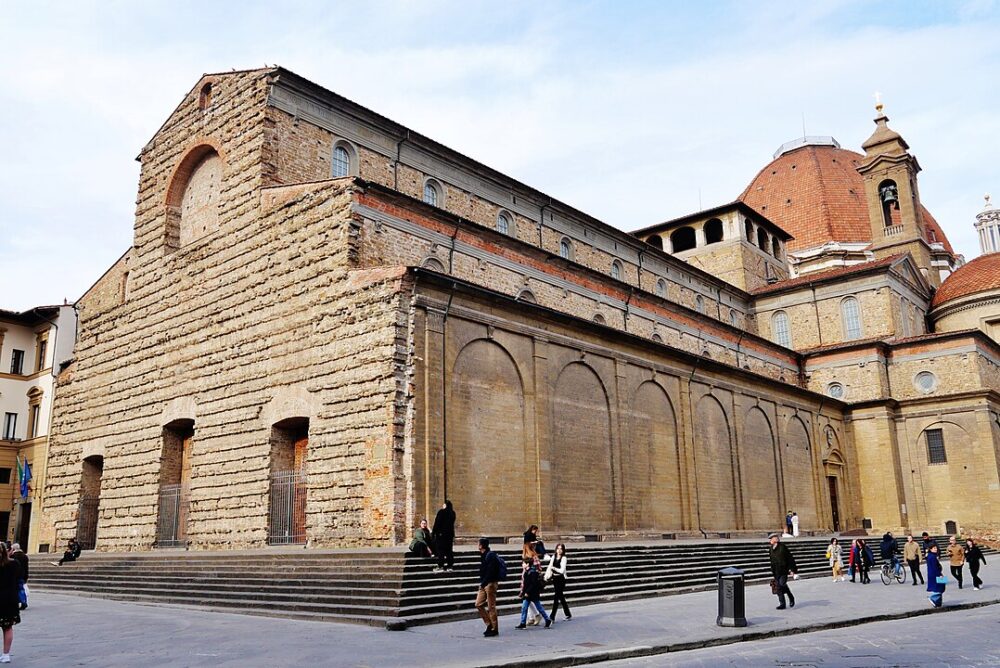
San Lorenzo Maggiore was first constructed in the late Roman Empire, around the 4th century AD. Despite fires, collapses, and reconstructions over the years, it has remained a functioning church throughout its long history.
The basilica’s original columns—linked to ancient Roman forums—still stand outside the structure, blending antiquity with modern city life. Its continuous use highlights the enduring role of early Christian sites in European communities.
4. The Cave House of Matera Has Been Lived In for Thousands of Years
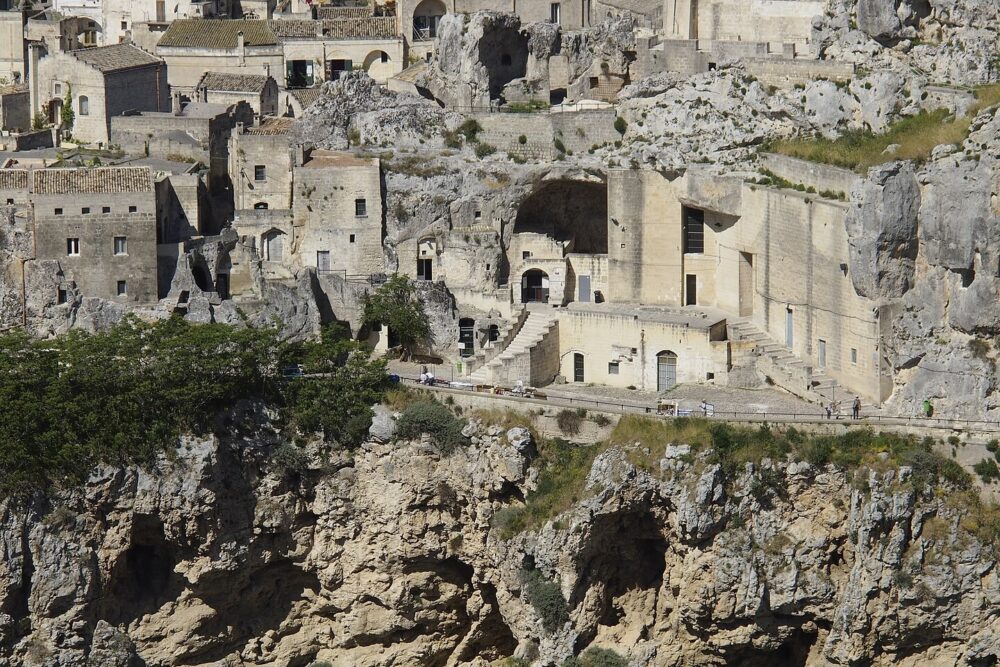
Matera in southern Italy is known for its Sassi districts—stone dwellings carved into limestone cliffs. These cave houses have been inhabited since the Paleolithic era and continued to serve as homes until the mid-20th century.
Although many were abandoned, restoration efforts transformed them into residences, hotels, and cultural sites. Matera’s continuous human presence makes it one of Europe’s oldest inhabited urban areas.
5. The Aula Palatina in Trier Still Functions After 1,700 Years
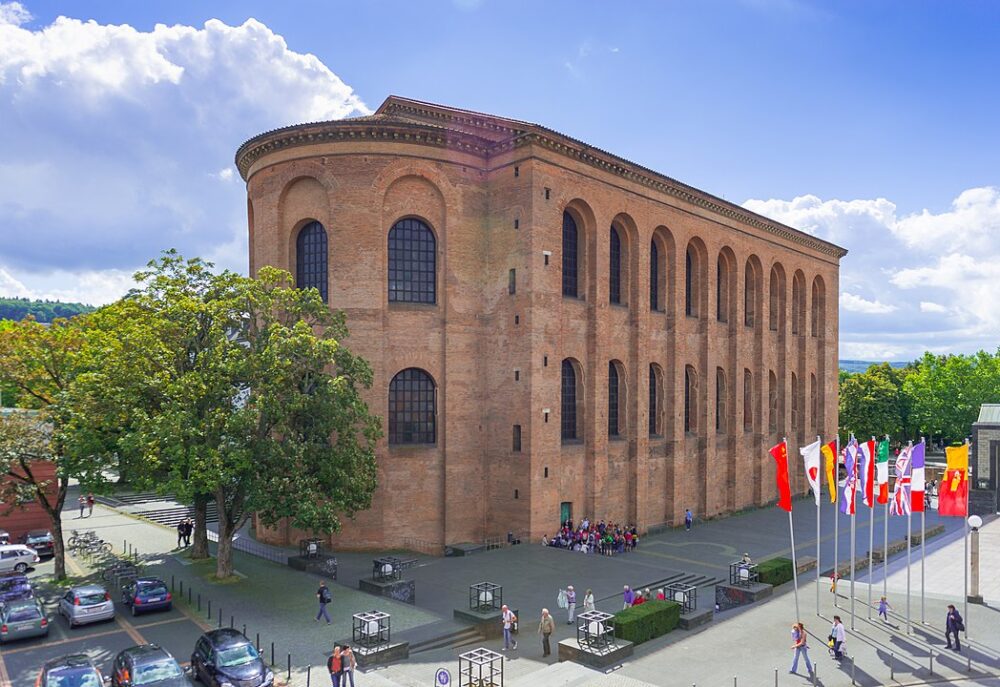
The Aula Palatina, or Basilica of Constantine, was built around 310 AD in Trier, Germany. Originally a Roman throne room, it now serves as a Protestant church.
Its simple rectangular form and enormous brick walls remain largely intact, demonstrating the lasting strength of Roman architecture. The building continues to host events and services, connecting modern visitors with imperial history.
6. St. Peter’s Basilica in Geneva Dates to the 4th Century
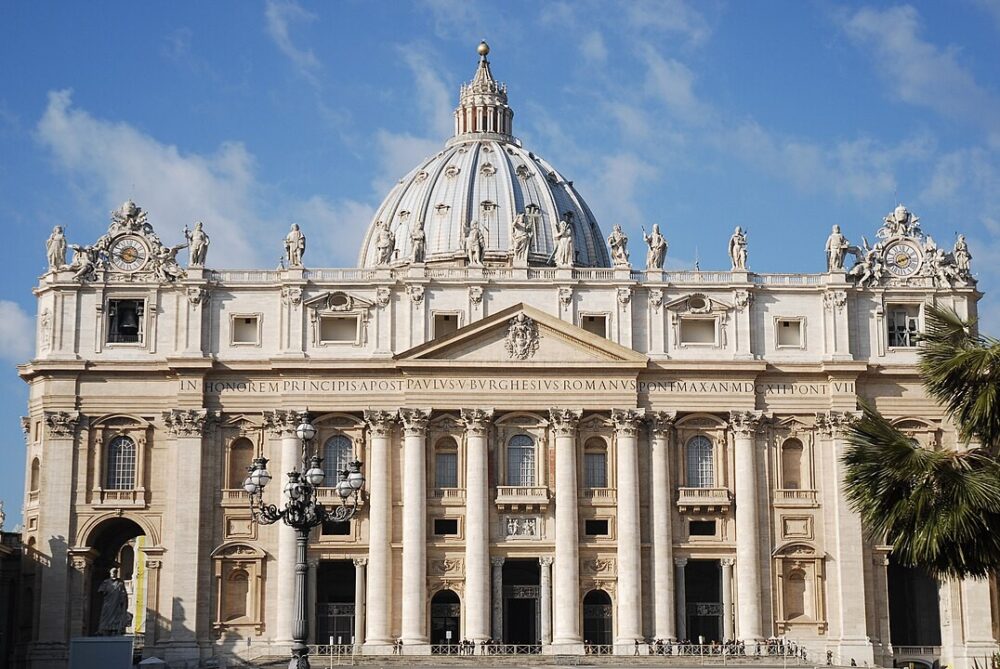
St. Peter’s Cathedral in Geneva has origins in a 4th-century Christian complex. Over time it became a major ecclesiastical center, especially during the Reformation when John Calvin preached there.
Despite renovations and additions, the cathedral has never ceased to function as a religious site. Visitors can still explore ancient foundations beneath the current building, witnessing its layered history firsthand.
7. The Roman Bridge of Córdoba Has Carried Travelers Since the 1st Century BC
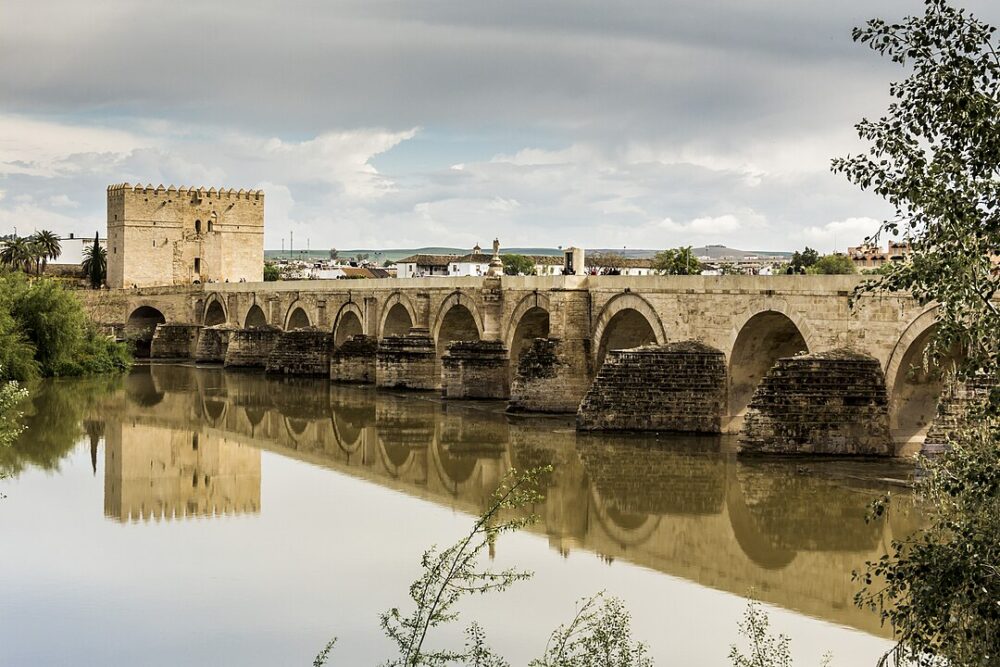
Built in the 1st century BC, the Roman Bridge in Córdoba, Spain, spans the Guadalquivir River and remains a pedestrian route today. Its arches have been repaired and reinforced over centuries, but its layout remains true to the original design.
The bridge’s endurance reflects Roman engineering and Córdoba’s historical importance as a crossroads for trade and culture. It continues to serve residents and visitors alike.
8. The Tower of Hercules Lighthouse Has Guided Ships Since Roman Times
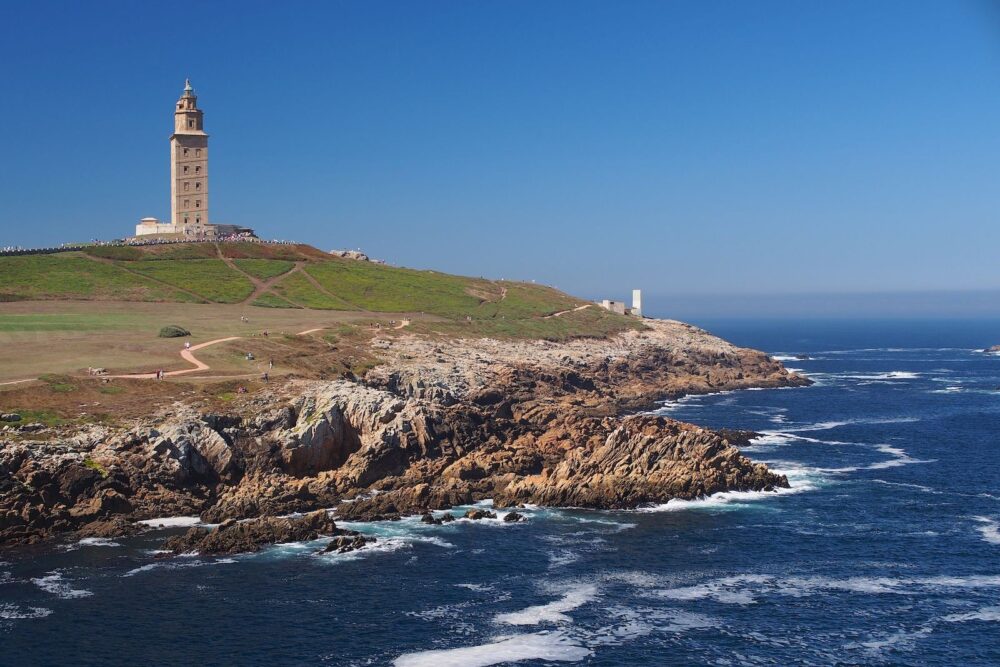
Located in Galicia, Spain, the Tower of Hercules is the oldest functioning lighthouse in the world. Built in the 1st or 2nd century AD, it was restored in the Middle Ages and continues to operate with modern lighting.
Its longevity demonstrates how essential maritime infrastructure was preserved across generations. The lighthouse remains both a practical navigational aid and a UNESCO World Heritage site.
9. St. George’s Church in Sofia Has Survived Empires and Conquests
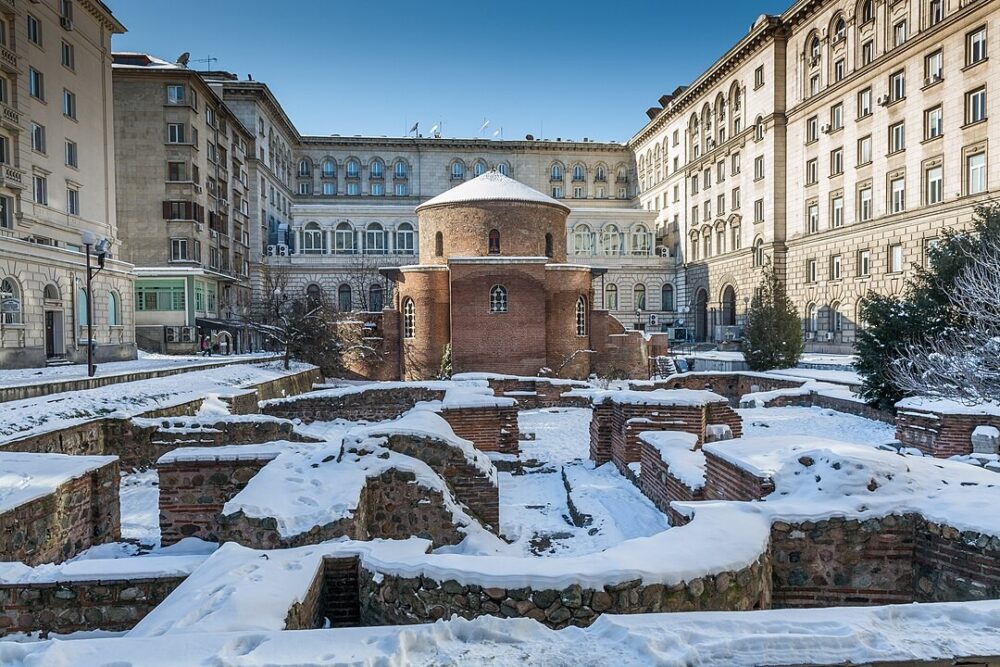
Constructed in the 4th century, St. George’s Rotunda in Sofia, Bulgaria, is the oldest building in the city. Originally a Roman bathhouse, it later became a church and eventually a mosque under Ottoman rule.
Today it functions again as an Orthodox church. Its layered frescoes and shifting purposes reflect the region’s complex cultural and religious history.
10. Trier Cathedral Has Been in Use Since the Early 4th Century
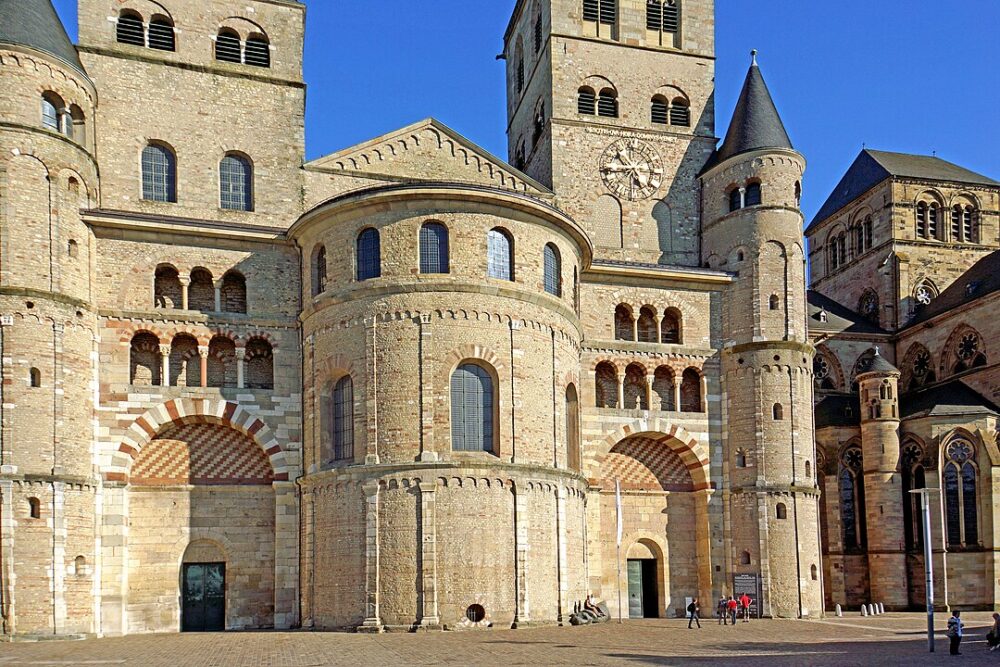
Trier Cathedral in Germany began under Emperor Constantine around 326 AD, making it one of the oldest continuously used cathedrals in Europe. Although expanded and rebuilt through the centuries, its core structure remains ancient.
The cathedral still hosts daily services and holds relics important to Christian tradition. Its long history reflects the enduring significance of early ecclesiastical centers.
11. The Oldest Pub in Ireland Still Serves Patrons Today
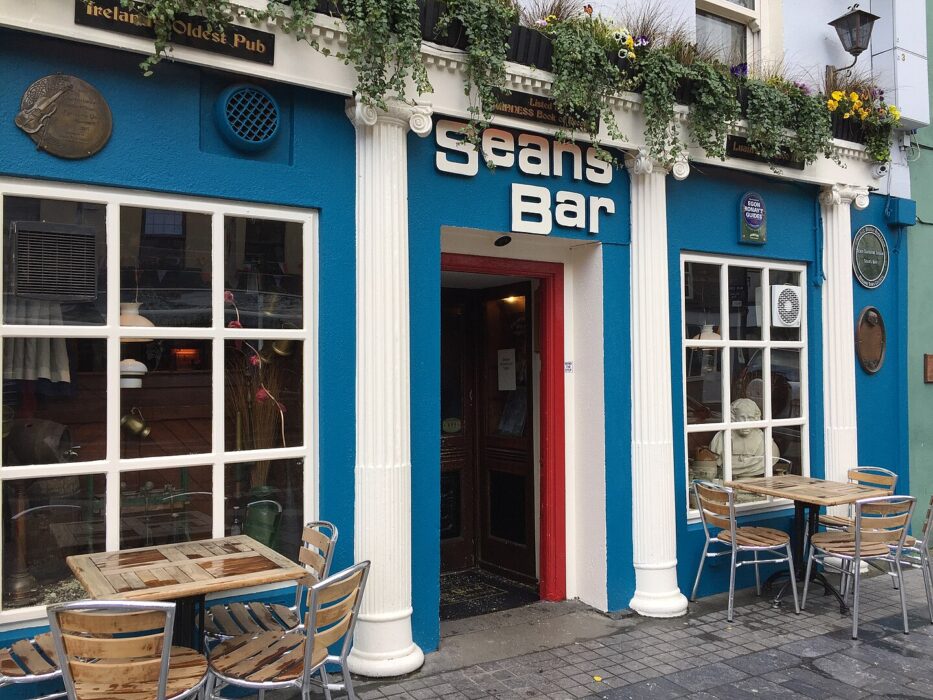
Sean’s Bar in Athlone claims origins dating back to 900 AD, making it one of the oldest pubs in Europe still in operation. Archaeological evidence uncovered wattle-and-daub walls consistent with early medieval construction.
Though reconstructed over time, the pub continues to serve food, drink, and live music. Its longevity shows how communal gathering spaces can remain central to cultural identity for centuries.
12. The Monastery of St. Catherine Houses Monks After 1,400 Years
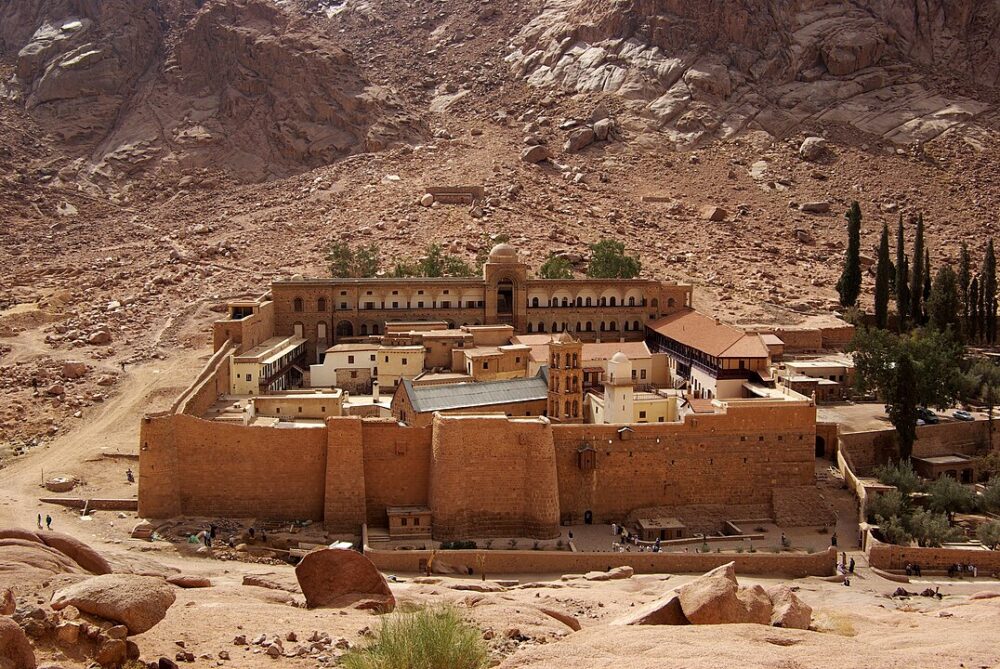
Located at the foot of Mount Sinai, St. Catherine’s Monastery was completed in the 6th century and is among the world’s oldest continuously functioning Christian monasteries.
Monks still live and worship there, preserving manuscripts, icons, and architectural traditions dating back to the Byzantine Empire. Its uninterrupted operation highlights the resilience of spiritual communities across turbulent historical periods.