
These coded phrases help doctors and emergency crews respond fast without alarming the public.

Hospitals and first responders use coded language to communicate quickly during emergencies without alarming patients or visitors. These short, color-based or number-based alerts help staff coordinate responses to everything from cardiac arrests to security threats. While the public may hear these messages without knowing what they mean, each code carries important instructions that guide medical teams through high-pressure situations. Understanding how these codes work offers a rare look behind the scenes at how hospitals stay organized and protect patient safety when every second matters.
1. Code Blue Signals a Life-Threatening Medical Emergency

“Code Blue” is one of the best-known hospital alerts and typically indicates a patient experiencing cardiac arrest or respiratory failure. When this code is announced, a specialized response team rushes to the location with equipment for resuscitation and advanced life support. These events require immediate action, and the code ensures staff from multiple departments respond quickly.
Although Code Blue is widely recognized, procedures may differ slightly between hospitals. In all cases, the goal is to coordinate rapid, highly skilled intervention to give patients the best chance of survival during a critical medical emergency.
2. Code Red Alerts Staff to a Fire or Smoke Situation
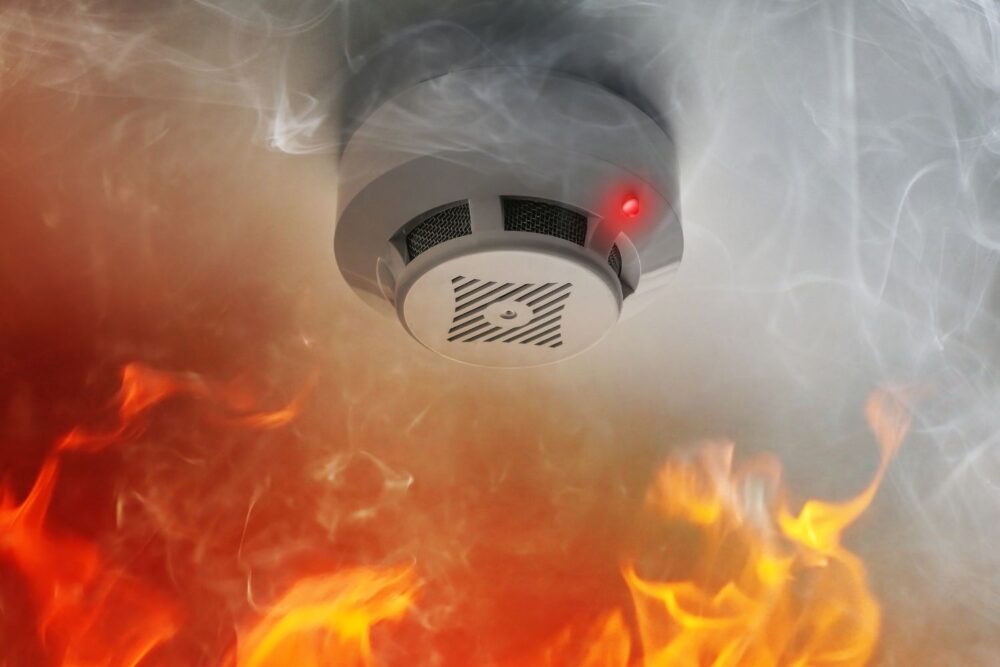
Most North American hospitals use “Code Red” to signal a fire, smoke, or potential fire hazard within the facility. This activates specific teams trained to manage fire suppression, prevent the spread of smoke, and assist with patient movement if necessary. Staff follow strict protocols to secure oxygen lines, protect vulnerable patients, and communicate updates.
Hospitals use this code because announcing “fire” could create panic among visitors or patients. Code Red allows staff to act swiftly and safely without alarming the public, ensuring the situation is contained as efficiently as possible.
3. Code Black Often Indicates a Bomb Threat

In many hospitals, “Code Black” is used to communicate a bomb threat or suspicious package. This code triggers security teams to assess the situation, clear areas if needed, and coordinate with local law enforcement. Staff are trained to move patients only when directed and to keep hallways accessible for emergency responders.
Procedures for bomb threats are carefully designed to avoid unnecessary evacuations while ensuring safety. The use of a neutral-sounding code helps prevent fear or disruption among patients, maintaining order while authorities investigate the threat.
4. Code Silver Signals a Weapon or Active Threat

“Code Silver” typically refers to a situation involving a weapon, violent individual, or active shooter. When activated, security teams and law enforcement respond immediately, staff follow lockdown procedures, and patients are kept away from danger zones. The priority is to isolate the threat quickly and protect everyone inside the facility.
Because hospitals serve vulnerable populations, Code Silver protocols are practiced frequently. Staff receive training on how to shelter in place, secure rooms, and communicate with emergency responders until the situation is resolved.
5. Code Pink Alerts Staff to an Infant Abduction Risk

Many hospitals use “Code Pink” to indicate an infant abduction or attempted abduction. This code activates strict security protocols, including locking down exits, monitoring surveillance systems, and verifying the identity of anyone carrying a baby. Infant-security systems may also trigger alarms that guide staff toward potential suspects.
Hospitals implement extensive training to prevent these events, but Code Pink ensures immediate, coordinated action if a threat occurs. The system is designed to protect newborns during the brief moments when rapid response is most critical.
6. Code Gray Typically Refers to a Combative Person

“Code Gray” is commonly used to report a violent or aggressive person who may pose a risk to staff or patients. Security teams respond to de-escalate the situation, while clinical staff may relocate vulnerable patients or secure equipment.
These incidents can arise from medical distress, mental health crises, or external conflicts. Hospitals use Code Gray to manage the situation discreetly and professionally, allowing responders to handle the issue without drawing unnecessary attention.
7. Code White Is Often Used for Pediatric Emergencies
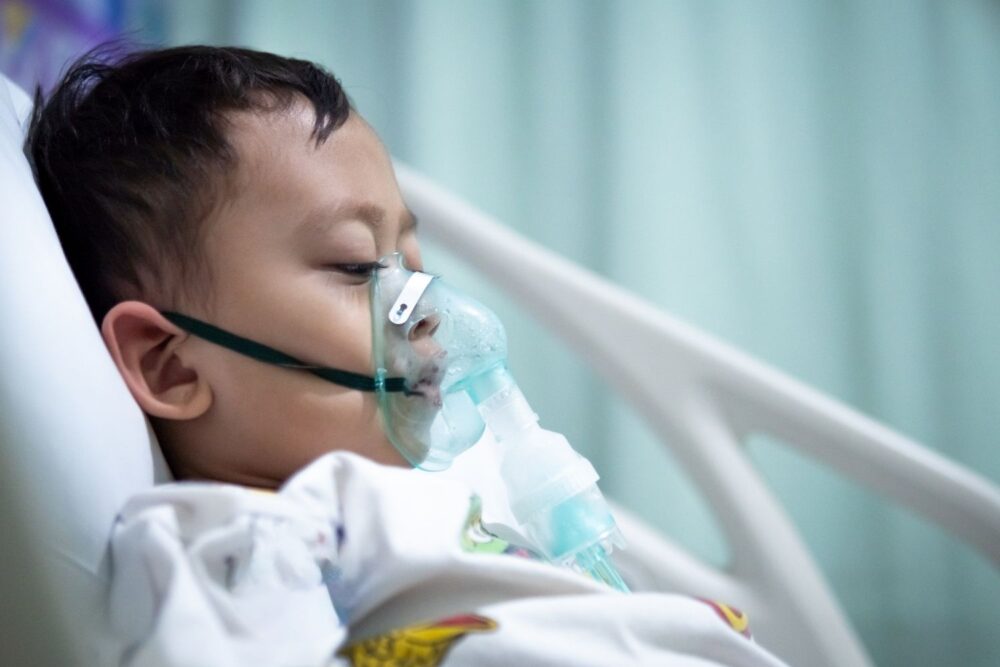
Some hospitals use “Code White” to indicate a medical emergency involving a child or infant. Pediatric emergencies require specialized equipment and expertise, and the code summons a team trained to handle young patients in distress.
Because children have different physiological needs than adults, these emergencies are treated with heightened urgency. Code White ensures that the correct specialists respond quickly and that the appropriate resources are immediately available at the bedside.
8. Code Orange Signals a Hazardous Materials Spill
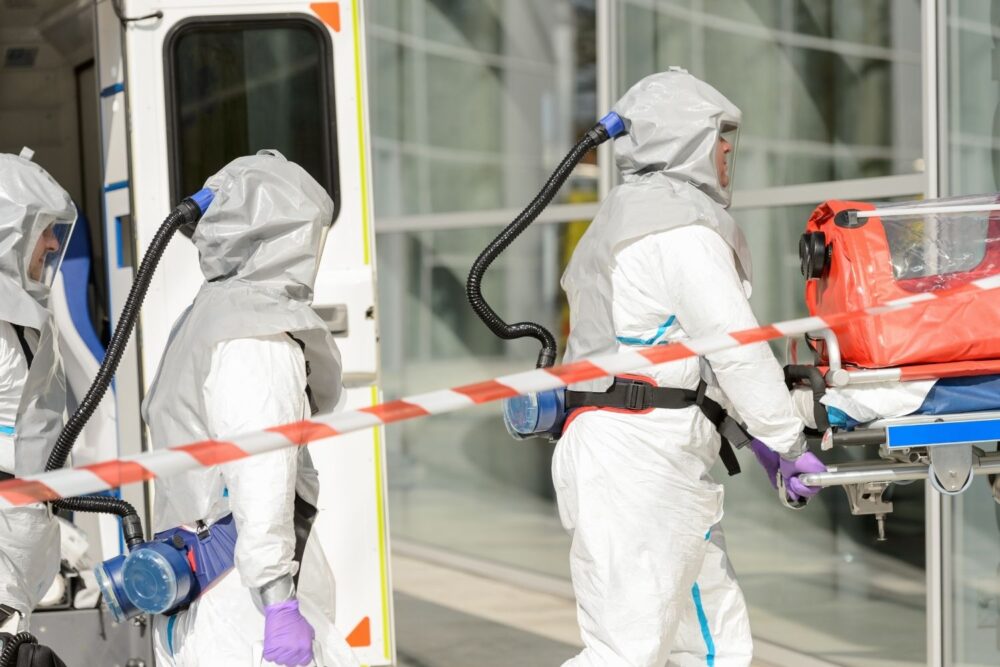
“Code Orange” is used to indicate a spill or exposure involving hazardous chemicals or substances. This code guides staff to isolate the area, protect patients, and follow decontamination procedures. Environmental safety teams respond with specialized equipment to contain and neutralize the hazard.
Hospitals routinely store chemicals for cleaning, sterilization, and laboratory work, making strict safety protocols essential. Code Orange ensures that potentially dangerous spills are handled methodically to prevent injuries or contamination.
9. Code Brown Often Refers to a Severe Weather Event

In many regions, “Code Brown” alerts staff to a severe weather threat, such as a tornado, hurricane, or extreme flooding. This code triggers sheltering procedures, alerts staff to secure equipment, and ensures patients remain safe during the event.
Hospitals must remain operational even during natural disasters, so preparedness is essential. Code Brown allows staff to respond quickly and follow pre-planned protocols to maintain safety and continuity of care.
10. Code Green Is Used for Evacuations in Some Hospitals

“Code Green” often signifies a partial or full evacuation of a hospital unit or facility. Evacuations may result from floods, fires, structural risks, or hazardous material incidents. Staff follow detailed plans to move patients using safe routes and appropriate equipment.
Because evacuations can be complex and risky, hospitals conduct regular drills to ensure preparedness. Code Green helps coordinate communication between departments and ensures that vulnerable patients are transported safely.
11. Code Yellow Can Indicate a Missing Patient

Some hospitals use “Code Yellow” when a patient goes missing, particularly someone who may be disoriented, at risk, or unable to navigate safely. Staff search designated areas, secure exits, and work with security to locate the individual quickly.
This code is especially important in facilities caring for dementia patients, psychiatric patients, or children. Code Yellow prevents confusion and ensures staff know exactly how to respond when time is critical.
12. Not All Hospitals Use the Same Codes

One of the most important facts about medical codes is that they are not standardized across all hospitals or regions. While many institutions follow similar color systems, others use different terminology or number-based alerts. Visitors should not assume a code has the same meaning everywhere.
Hospitals train staff extensively on their internal emergency communication systems. For the public, recognizing that these codes vary helps avoid confusion and underscores why hospitals rarely explain them in real time.