
A plan to beam sunlight from orbit is gaining momentum, but experts warn it could disrupt astronomy and darken our view of the cosmos.

A startup is proposing an ambitious plan to place giant mirrors in orbit to redirect sunlight onto Earth after dark. The company says it could reduce energy use, illuminate cities, and help during emergencies, but astronomers warn the mirrors could brighten the night sky, interfere with research, and worsen light pollution. The debate raises big questions about how commercial ideas could reshape Earth’s skies and who gets to decide what happens in orbit.
1. The Startup Behind the Orbital Mirror Concept
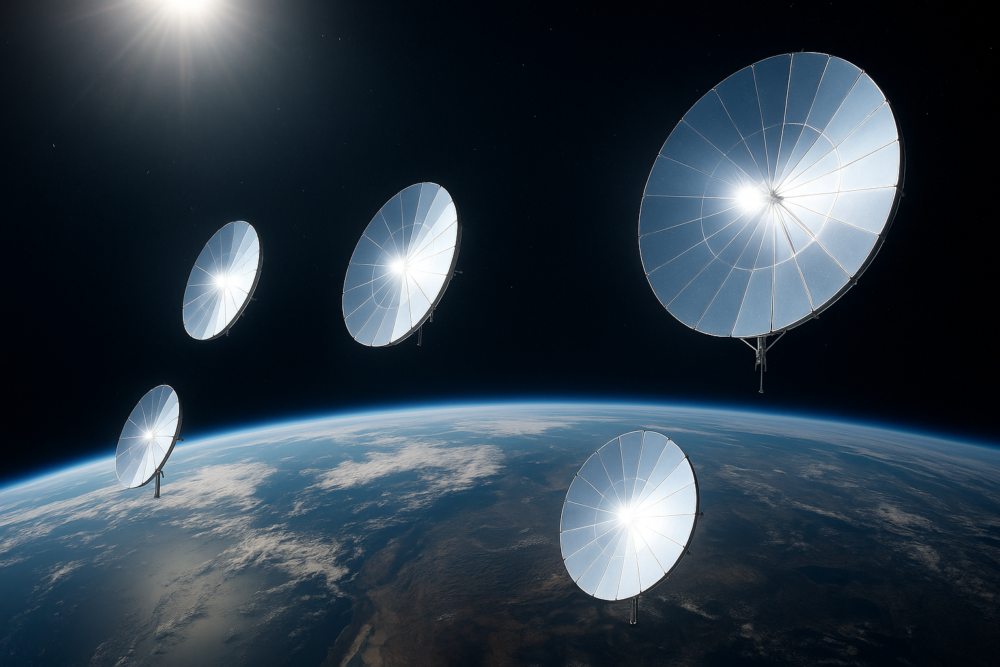
Reflect Orbital is developing lightweight, reflective satellites that would unfurl in space and bounce small amounts of sunlight toward Earth. The company claims the illumination would resemble bright moonlight rather than harsh artificial light, offering a new way to brighten cities without increasing energy consumption.
Supporters say the system could provide targeted lighting for outdoor areas, reduce reliance on electric streetlights, and offer illumination during disasters when power grids fail. The company frames the approach as an innovative, sustainable use of natural sunlight already hitting Earth.
2. How Redirecting Sunlight From Space Would Work
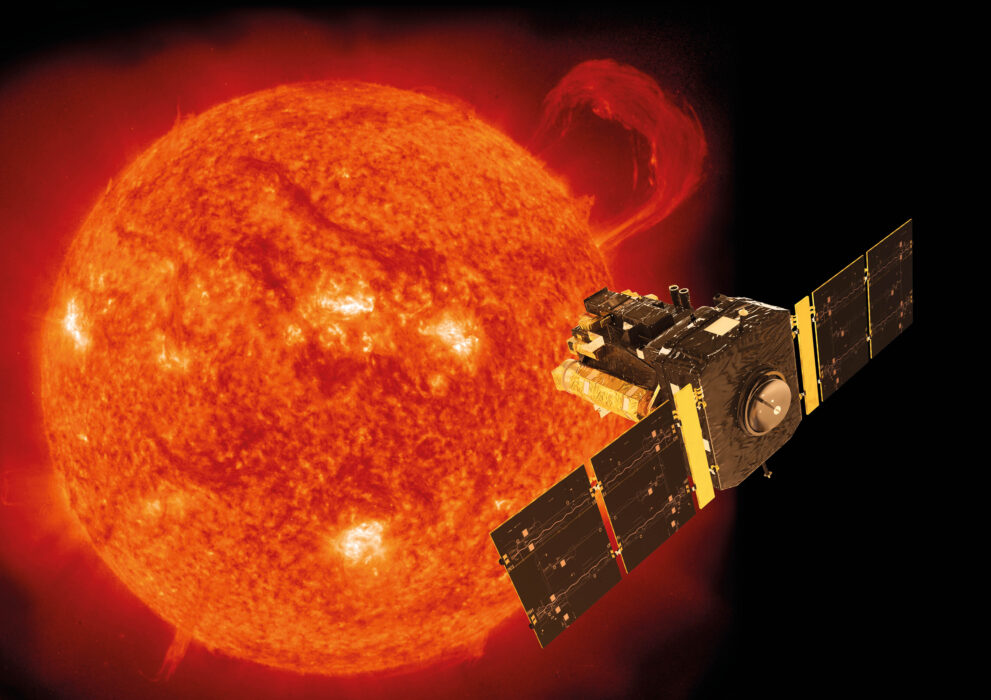
The mirrors would be placed in carefully timed orbits that allow them to catch sunlight just beyond the horizon and reflect it downward. Engineers say the reflectors could pivot to direct the light at specific areas, creating temporary patches of nighttime brightness when needed.
To accomplish this, each satellite would use thin, flexible materials that fold compactly during launch and then expand in space. The system’s success would depend on precise alignment, stable orbit control, and limiting unintended light scatter.
3. Why the Company Claims It Could Save Energy
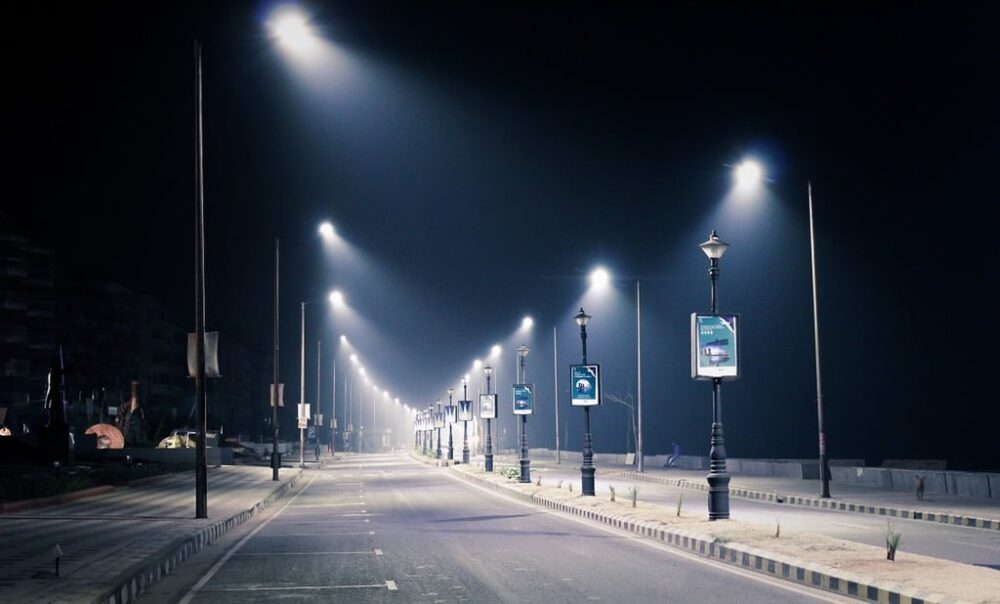
Reflect Orbital argues that redirecting sunlight could reduce the need for streetlights in some neighborhoods, particularly during early evening hours. They say the reflected light could support visibility in parks, roadways, or pedestrian areas while decreasing electricity consumption.
The company also suggests this approach could help remote communities that struggle with energy infrastructure. By using sunlight that would otherwise be lost to space, they believe the system could supplement existing lighting without burning more fossil fuels or expanding power grids.
4. Astronomers Warn the Mirrors Could Brighten the Night Sky

Astronomers are deeply concerned that orbiting mirrors could dramatically increase night-sky brightness. Even small reflections can add up, especially when multiplied across many satellites. This additional light could wash out celestial objects and make faint stars harder to observe.
Researchers say this would worsen a problem already intensified by urban light pollution and the rapid growth of satellite constellations. Once mirrors are in orbit, any unintended glow would be nearly impossible to mitigate, posing long-term challenges for scientific observation.
5. Telescopes Could Lose Access to Faint Cosmic Objects
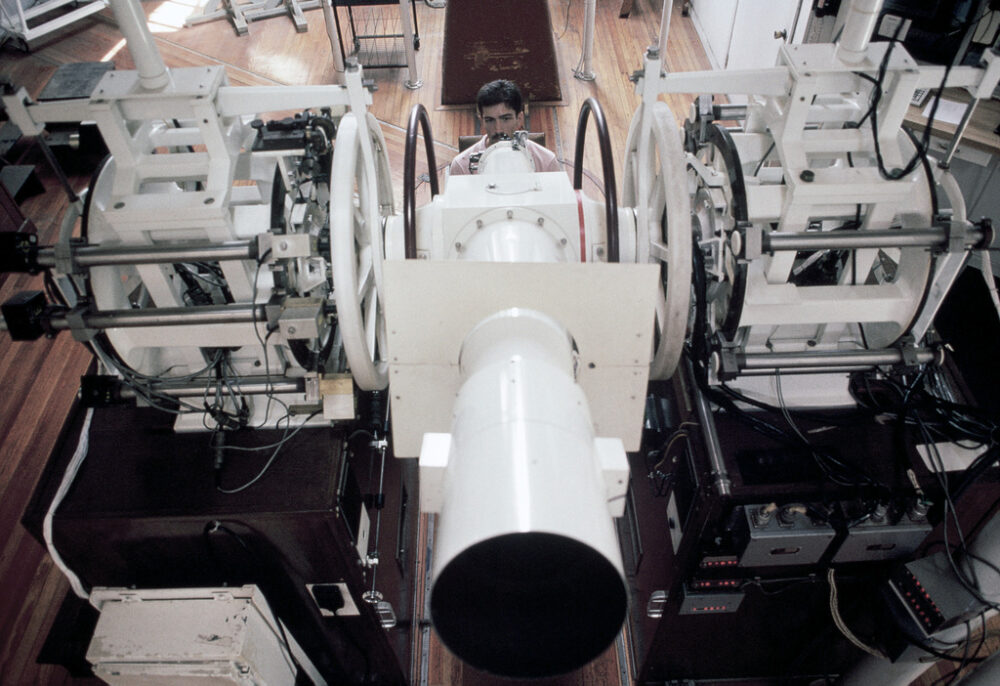
Ground-based telescopes depend on extremely dark skies to detect distant galaxies, asteroids, and other faint objects. Even brief flashes or sustained reflections from orbital mirrors could disrupt long exposures or contaminate data.
Astronomers warn these interruptions could compromise research on cosmic evolution, exoplanets, and near-Earth object tracking. They argue that scientific work requiring pristine darkness might become significantly more difficult, especially for observatories in the Northern Hemisphere.
6. Light Pollution Is Already a Rapidly Growing Problem
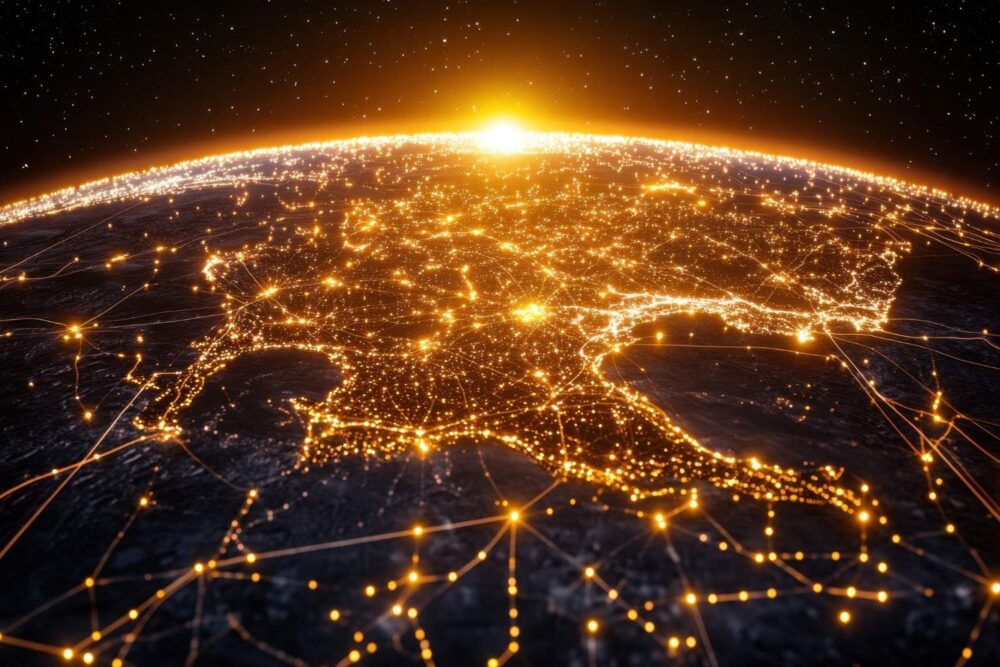
The night sky has been brightening worldwide due to LED streetlights, commercial lighting, and expanding city infrastructure. Scientists estimate that many areas now experience annual increases in skyglow, making fewer stars visible to the naked eye.
Introducing large reflective satellites could accelerate this trend, affecting wildlife, human sleep cycles, and cultural connections to the night sky. Critics argue that at a time when many groups are fighting to protect natural darkness, adding lights from space moves in the opposite direction.
7. Scientists Say Mirrors Would Be Hard to Regulate
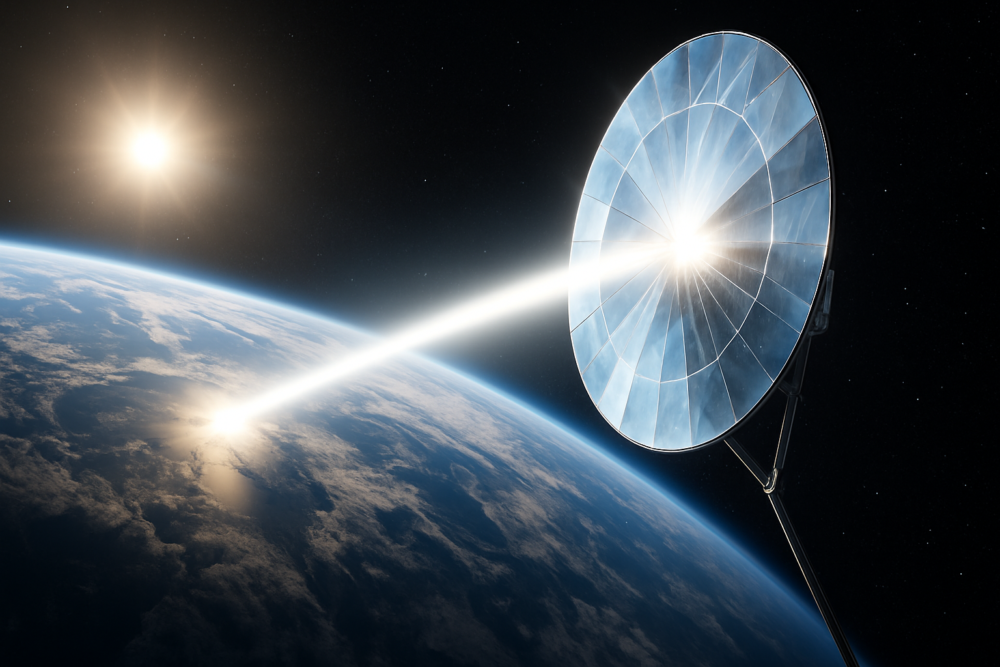
Once mirrors are launched, controlling their orientation, brightness, and behavior could be challenging. Even slight changes in alignment might scatter unwanted light across large geographic areas.
Regulators are still developing rules for satellite brightness, and reflective devices add new complexities. Because space is largely governed by broad international guidelines, individual countries may struggle to manage a proposal that could affect skies worldwide.
8. The Mirrors Could Create New Space-Debris Risks

Any large structure in orbit carries the risk of collisions with existing satellites or debris. Reflective materials, which tend to be thin and expansive, may be especially vulnerable to damage. A puncture or break could create new fragments in orbit.
Space-debris experts warn that adding hundreds or thousands of reflective satellites could strain an already crowded environment. Even small debris impacts could reduce the mirrors’ effectiveness or generate hazards for other spacecraft.
9. Past Space-Mirror Experiments Had Limited Success
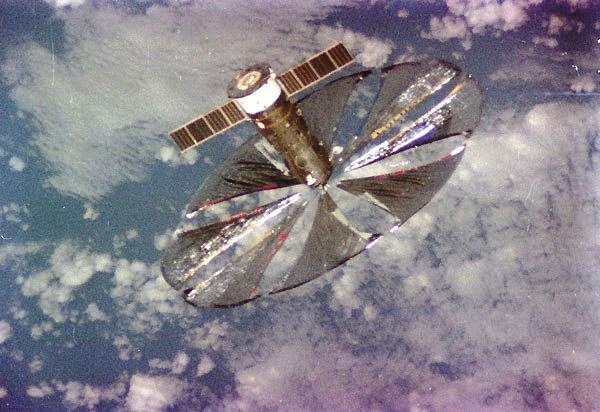
Russia tested orbital mirror concepts in the 1990s, briefly reflecting sunlight to brighten parts of Earth. The experiments produced only faint illumination and were eventually abandoned due to high costs and technical challenges.
These earlier attempts showed that reflecting sunlight from space is feasible but difficult to implement effectively. Critics argue that modern versions would face similar hurdles, even with better technology.
10. Supporters Say the Technology Could Aid Disaster Response

Advocates believe orbital mirrors could provide temporary lighting during wildfires, earthquakes, or major power outages. They say reflective illumination could help first responders navigate damaged areas or assist in nighttime rescue operations.
This potential role in emergency management is one of the startup’s strongest arguments, and some engineers see value in developing flexible, on-demand lighting systems. Still, scientists caution that benefits must be weighed against broader environmental impacts.
11. Critics Warn of a Slippery Slope in Commercializing the Sky
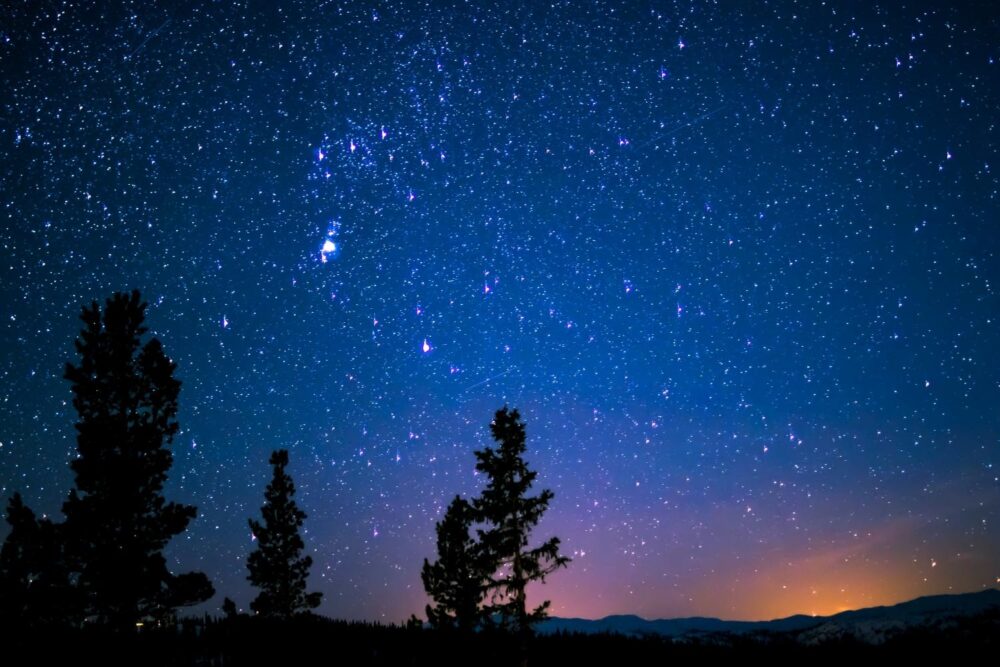
Astronomers worry that approving one such project could set a precedent for more extreme proposals. If companies gain permission to brighten the night sky, others may push for similar uses of orbital light.
This raises ethical questions about shared global resources. Many researchers argue the night sky should remain a protected environment rather than a commercial platform, reflecting its scientific and cultural significance.
12. A Growing Debate Over Who Controls Earth’s Nighttime Future

The mirror proposal highlights a larger conversation about how much influence private companies should have over orbital space. As satellite technology becomes cheaper and more accessible, decisions made by a few actors can affect millions of people.
Astronomers hope policymakers will consider the long-term consequences of altering the night sky. The debate underscores the need for stronger regulations, clearer standards, and global cooperation to protect Earth’s natural darkness while balancing technological innovation.