
Rising seas could reshape entire coastlines—and experts say some cities are already on borrowed time.
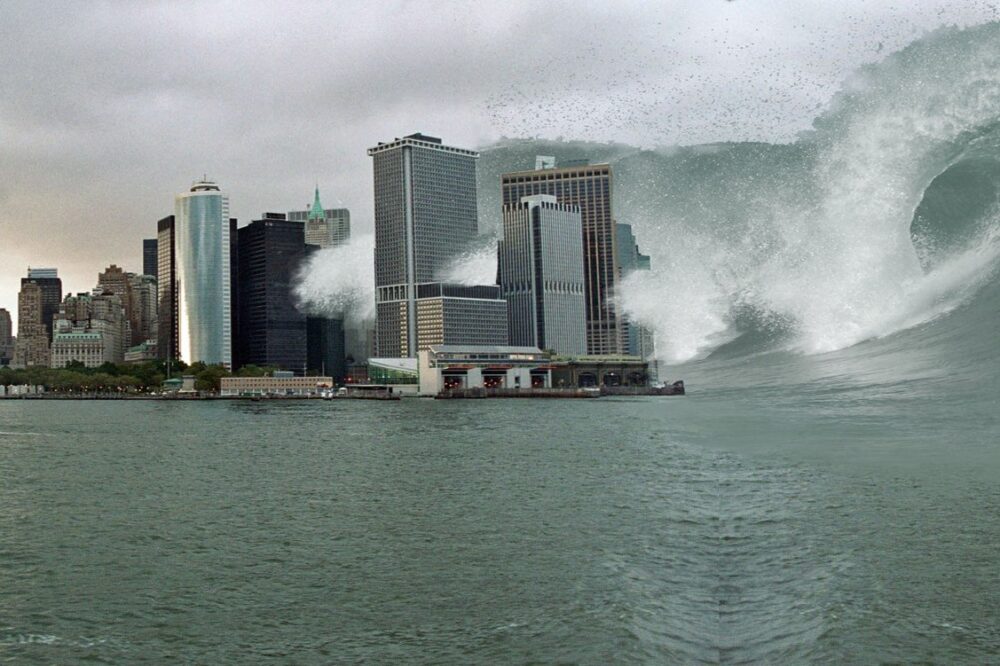
If Earth’s ice sheets and glaciers melted completely—a scenario scientists say would take centuries or longer—the world’s coastlines would be transformed. Sea levels could rise more than 200 feet, swallowing entire cities and reshaping continents. Even partial melt from Antarctica or Greenland would dramatically increase flooding in low-lying areas, putting millions of people at risk. While total melt is unlikely in our lifetime, experts say many coastal cities are already vulnerable to rising seas driven by today’s warming climate. Here are the places that would be hit first.
1. Miami Would Be One of the First Major U.S. Cities to Disappear

Miami is already experiencing “sunny-day flooding” from high tides, and NOAA projects more than two feet of sea-level rise by 2100 under high-emission scenarios. Even small increases overwhelm the city’s porous limestone foundation, which allows seawater to seep up from below.
If polar melt accelerated significantly, large parts of Miami—including downtown, Miami Beach, and surrounding neighborhoods—would be submerged early in the process. The region’s low elevation makes it one of the most vulnerable metropolitan areas in the world.
2. New Orleans Would Become Uninhabitable Early On
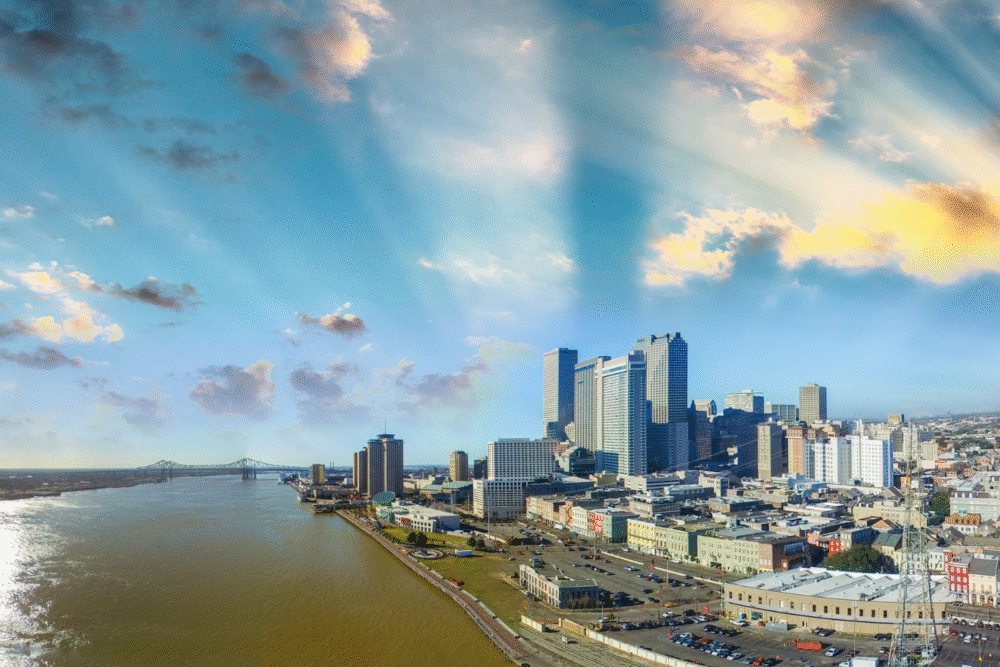
Much of New Orleans sits below sea level, protected only by levees and pumping systems. NASA and U.S. Geological Survey data show the city is also sinking due to subsidence, making it doubly vulnerable. Rising seas would overwhelm these defenses quickly.
If ice melt caused even moderate sea-level increases, large portions of the city would be reclaimed by water. With limited natural elevation and extensive wetlands already in retreat, New Orleans would be among the first major U.S. cities to drown.
3. Amsterdam Faces Catastrophic Flooding Without Its Defenses

Amsterdam is protected by an intricate system of dikes, walls, storm-surge barriers, and pumping infrastructure. While these defenses are among the best in the world, complete polar melt would raise sea levels far beyond what even advanced engineering could handle.
Much of the Netherlands lies below sea level, meaning large areas—including Amsterdam, Rotterdam, and The Hague—would be underwater if ice sheets melted significantly. The country’s geography makes it uniquely vulnerable to extreme sea-level scenarios.
4. Bangkok Sits Only a Few Feet Above Sea Level
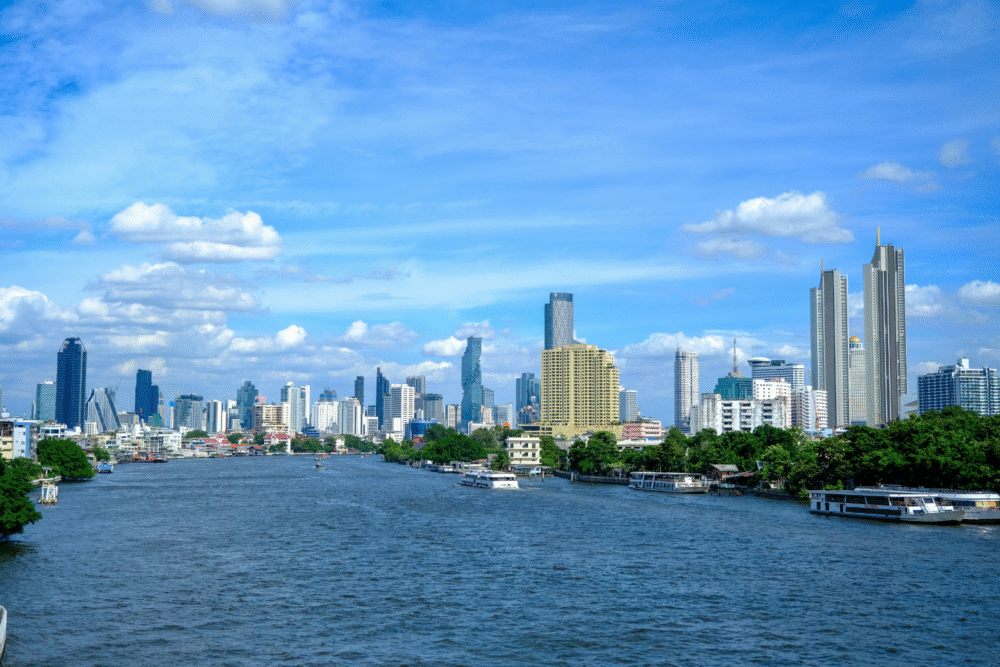
Bangkok is sinking due to groundwater extraction, and the city sits just 1–2 meters above the Gulf of Thailand. According to the IPCC, Southeast Asia faces some of the fastest rates of sea-level rise in the world.
Even modest increases could push storm surges far inland, overwhelming Bangkok’s drainage canals and flood defenses. In a worst-case melt scenario, nearly the entire city could be underwater, displacing millions and transforming the surrounding delta into open water.
5. Shanghai Could Be Submerged Early in a Melt Scenario

Shanghai is home to more than 25 million people, and much of the city is built on low-lying river deltas. It already experiences flooding from typhoons and storm surges. NASA and Climate Central models show large sections of the city under water with just a few feet of sea-level rise.
If the poles melted extensively, Shanghai would be among the fastest-flooding megacities due to its flat terrain and proximity to the East China Sea.
6. Mumbai Is Extremely Vulnerable to Rising Seas
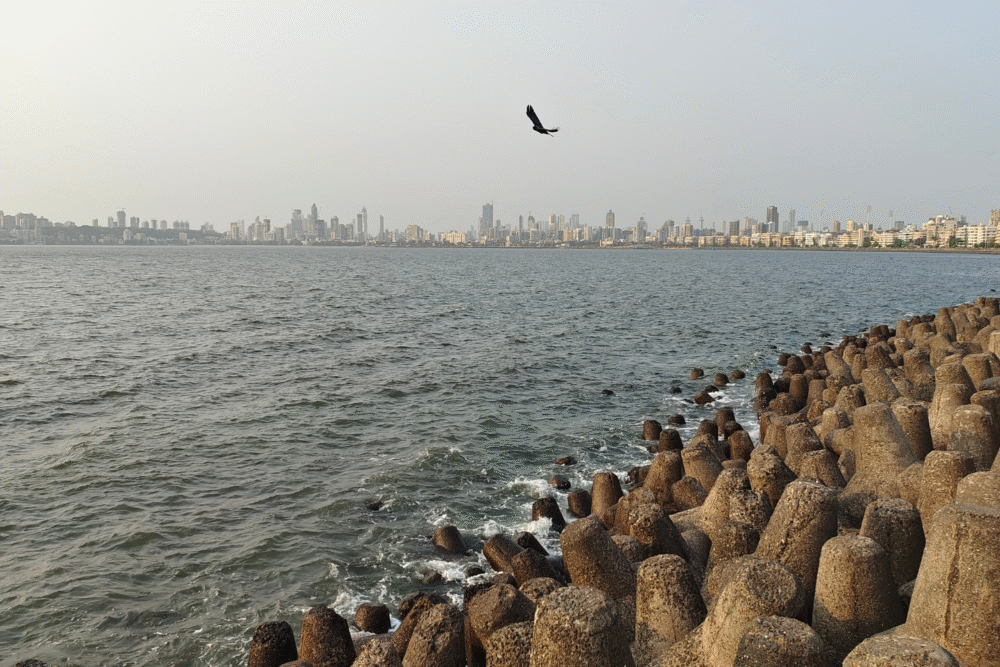
Mumbai, built on a narrow peninsula, has millions of residents living at or near sea level. Strong monsoons and coastal erosion already strain infrastructure. IPCC projections indicate that South Asia will face increasingly severe flooding events as oceans warm.
With enough ice melt, much of Mumbai—including major business districts and densely populated informal settlements—would be at immediate risk. Saltwater intrusion would also contaminate freshwater supplies across the region.
7. Alexandria Could Lose Much of Its Historic Coastline
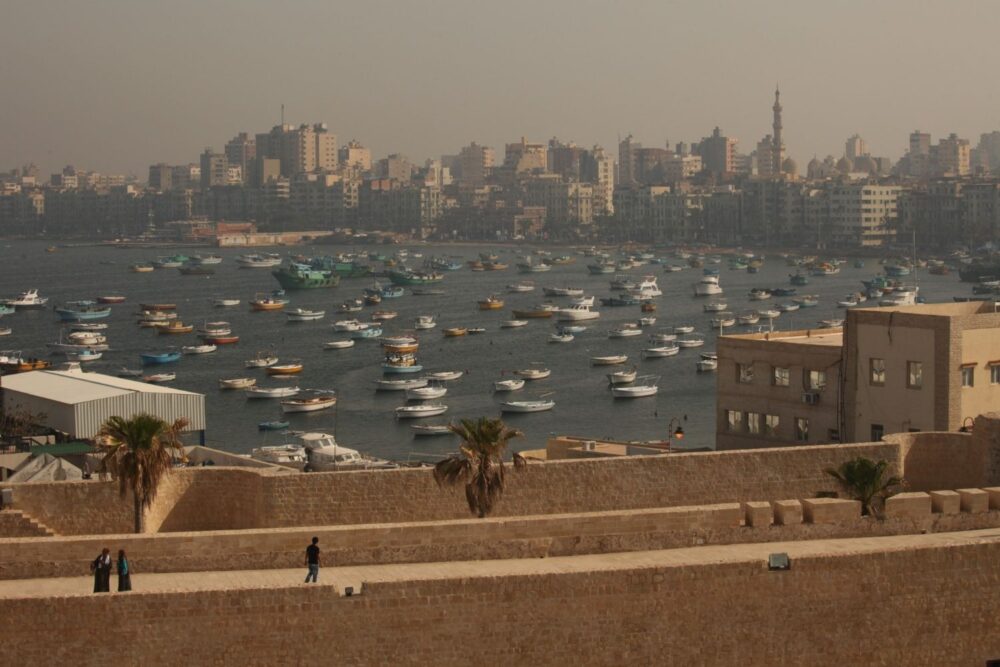
Alexandria, Egypt, sits on the Mediterranean coast and is highly vulnerable to even modest sea-level increases. Studies published in Nature Climate Change indicate that Northern Africa will experience strong coastal impacts due to rising water levels and storm surges.
In extreme melt scenarios, Alexandria’s historic districts, ports, and densely populated neighborhoods could be inundated. Erosion and saltwater intrusion would change the city’s landscape dramatically.
8. New York City Would Face Widespread Coastal Retreat

New York City is not as low-lying as Miami or New Orleans, but its extensive coastline makes it highly exposed. NOAA projections show significant flooding in areas such as Lower Manhattan, Queens, Brooklyn, and Staten Island with relatively small increases in sea level.
If ice sheets melted substantially, iconic areas—including Wall Street, the Financial District, LaGuardia Airport, and major subway lines—would be submerged. New York would face gradual but irreversible coastal retreat.
9. London Depends Heavily on Flood Barriers
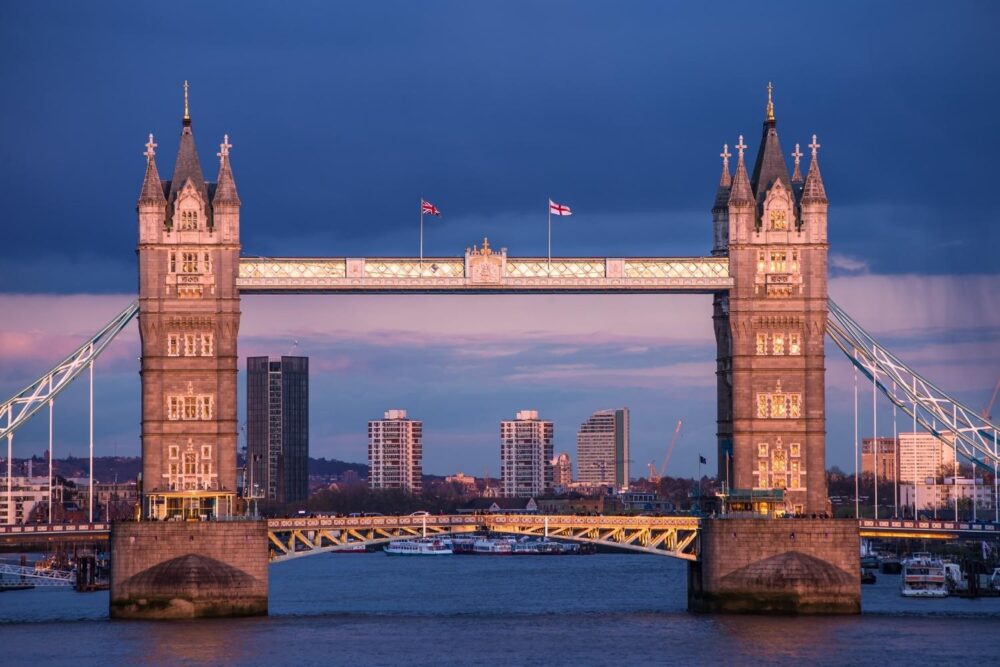
London sits along the Thames River and relies on the Thames Barrier for flood protection. While the barrier was built for storm surges and moderate sea-level rise, it was not designed for extreme scenarios caused by major polar melt.
Large parts of East London and the Thames Estuary lie at low elevation. If ice melt accelerated dramatically, these defenses would eventually be overwhelmed, putting millions at risk and dramatically reshaping the city’s outline.
10. Jakarta Is Already Sinking Faster Than Almost Any Major City
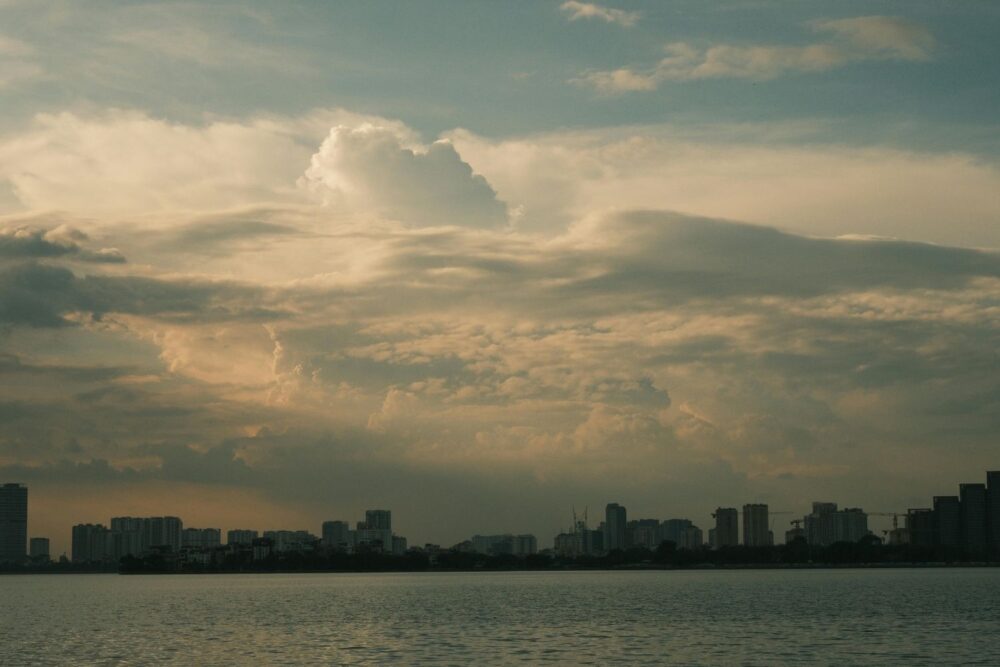
Jakarta is subsiding at alarming rates due to groundwater extraction, with some areas sinking more than 10 inches per year. Combined with sea-level rise, the city has already begun relocating its national capital to Borneo.
If the poles melted extensively, Jakarta would be one of the earliest cities to fully drown. Its flat coastline and rapid subsidence mean that even small additional increases in sea level would submerge large districts permanently.
11. Pacific Islands Would Vanish Long Before Major Cities

Many Pacific Island nations—including Kiribati, Tuvalu, and the Marshall Islands—sit only a few feet above sea level. Even mild increases threaten their entire existence. Complete polar melt would erase these islands from the map entirely.
These communities are already experiencing saltwater intrusion, disappearing coastlines, and climate migration. They would be among the first places lost in any major sea-level-rise scenario, long before large coastal cities meet the same fate.