
New research shows key African forests are now emitting more CO₂ than they absorb, alarming climate scientists.
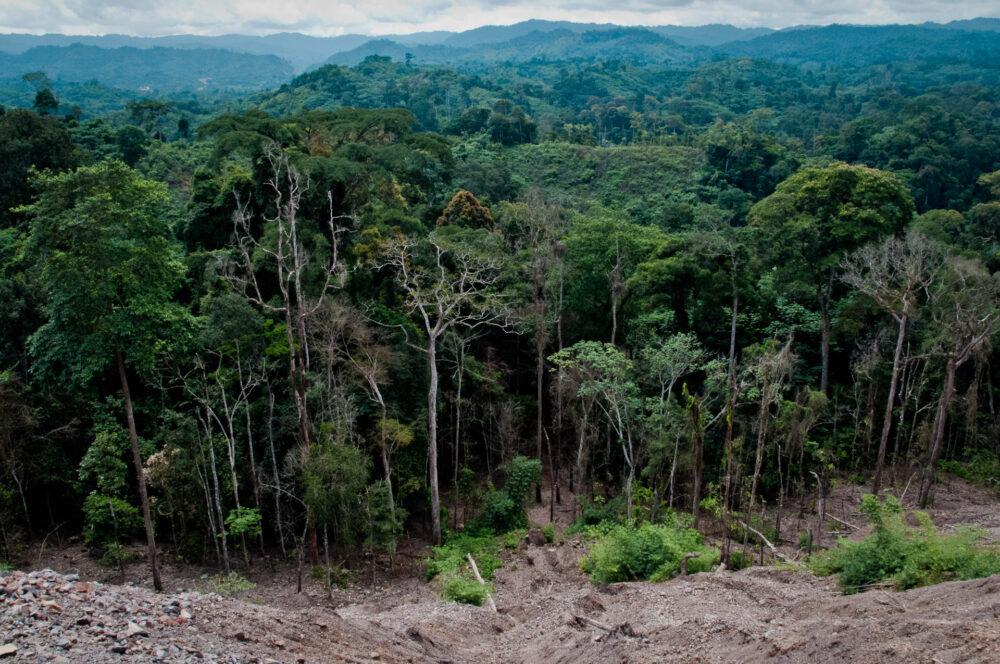
A major new study from the University of Leeds has uncovered a worrying trend in Africa’s forests: many are now giving off more carbon dioxide than they pull in. After tracking more than 100,000 trees across 10 countries, researchers found that years of intense heat, drought, and human pressure are weakening forests that once played a huge role in slowing climate change. Instead of absorbing carbon, some are now adding to the problem — a shift scientists say is a serious warning about how quickly environmental stress can change entire ecosystems.
1. Africa’s Forests Are Reaching a Dangerous Tipping Point

Researchers discovered that several major African forests—including parts of the Congo Basin—have begun releasing more CO₂ than they capture. This transition is alarming because tropical forests have long been considered essential buffers against global emissions. Their ability to store carbon is now declining faster than expected.
The shift reflects a combination of climate-driven drought, intensifying heat, and human activities like logging and land clearing. Together, these pressures are weakening trees and reducing their ability to grow, recover, or store carbon effectively.
2. The Study Measured Over 100,000 Trees Across the Continent
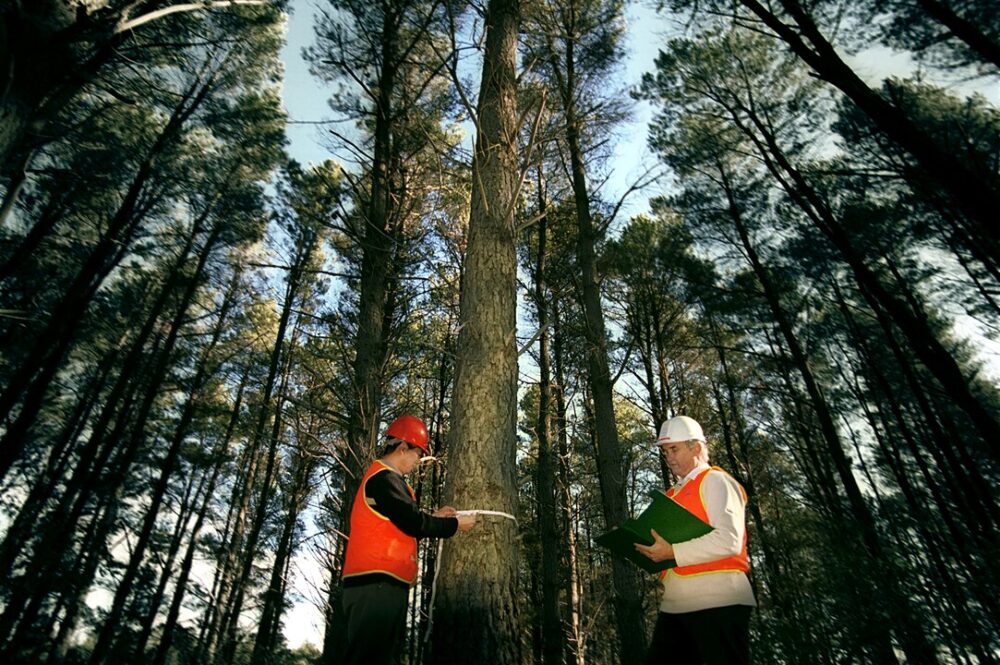
The research team used three decades of ground-based observations from long-term forest plots in 10 countries. By tracking tree growth, mortality, and carbon storage, they were able to measure actual changes within forests and not just estimate them from satellites.
This detailed data provided a rare, on-the-ground look at how trees are responding to modern climate stress. The results showed consistent patterns of weakened growth, especially in areas facing extreme weather events, revealing an emerging continental trend.
3. Drought and Heat Are Weakening Forests From Within
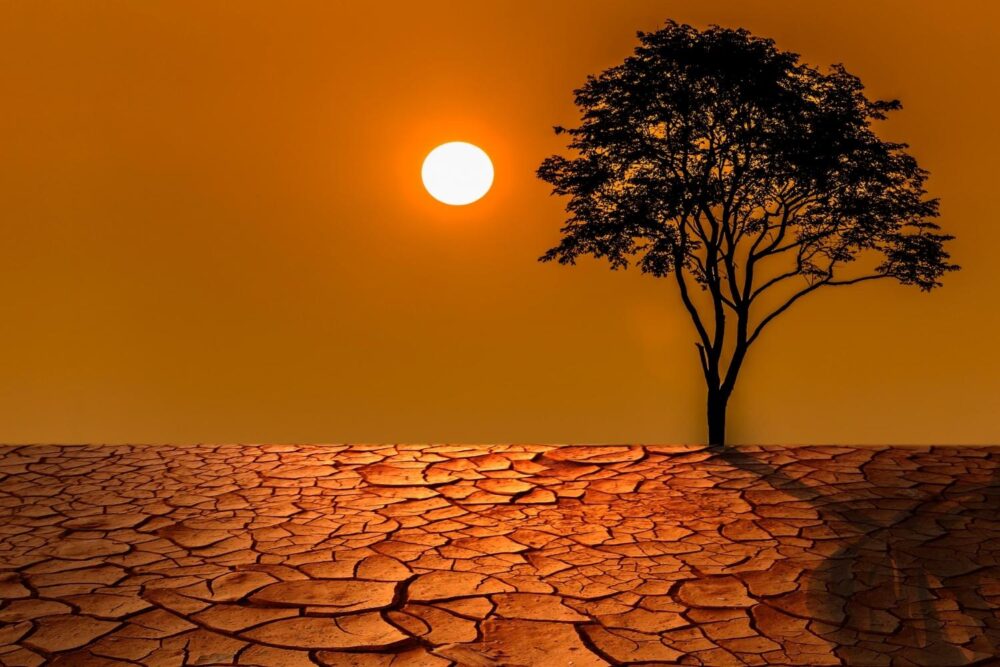
Rising temperatures and repeated droughts are making it harder for trees to survive. When rainfall becomes unreliable, forests struggle to draw the water they need to grow, repair tissues, and store carbon. Many trees eventually die from cumulative stress.
As temperatures climb, trees lose more water through their leaves, placing them under even greater pressure. This combination has shifted some forests from slow-growing to carbon-releasing, fundamentally altering their ecological role.
4. Tree Mortality Has Risen Sharply in Key Regions
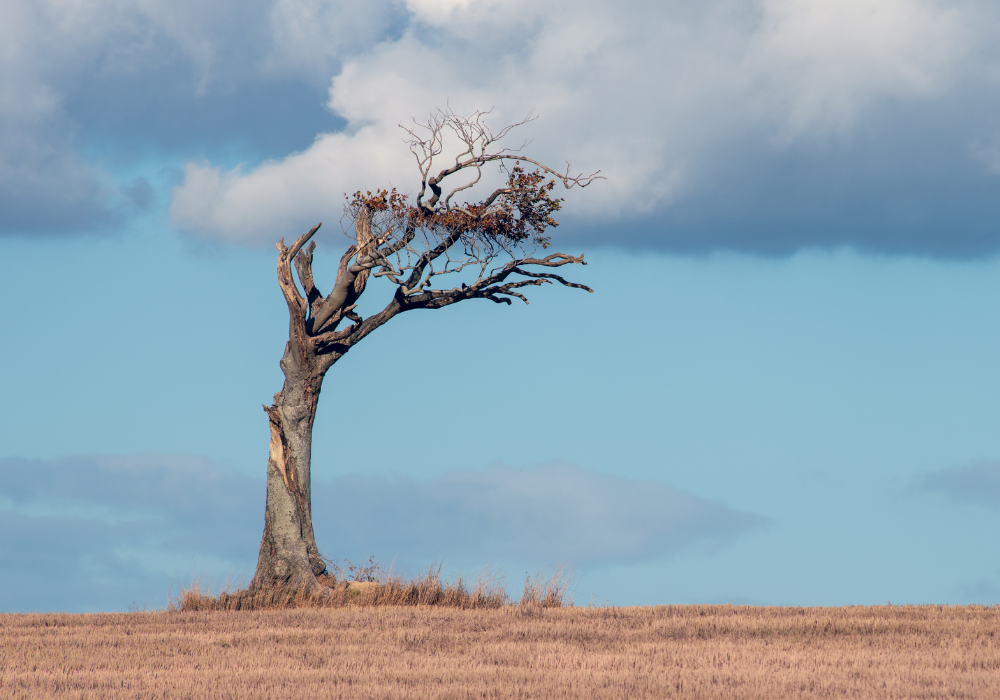
One of the study’s most troubling findings is the substantial increase in tree deaths. In several regions, mortality rates have risen enough to outweigh the carbon absorbed by new growth. Larger, older trees—which store the most carbon—are especially vulnerable.
When big trees die, they release decades of stored carbon back into the atmosphere. With rising mortality, forests struggle to replace lost biomass, creating a long-term decline in carbon capacity.
5. Human Pressures Are Accelerating the Decline
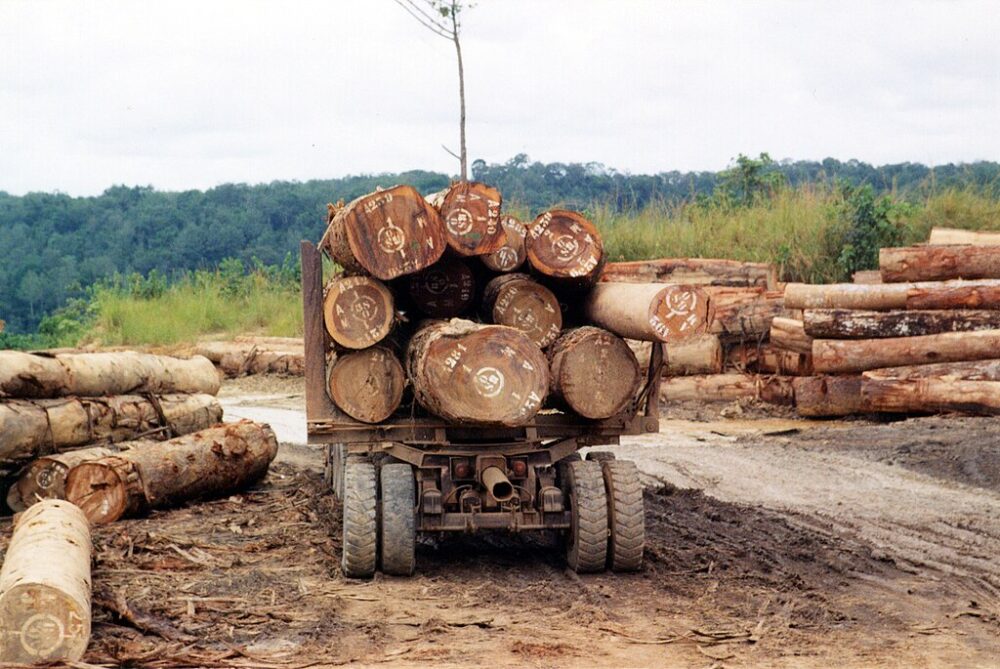
Beyond climate stress, human activities such as logging, agricultural clearing, and fuel-wood harvesting are compounding the problem. Even selective logging disrupts forest structure and increases vulnerability to heat, drought, and fire.
This combination of environmental and human impacts creates a feedback loop: weakened forests become more susceptible to further damage, and damaged forests release more carbon, worsening climate conditions.
6. The Congo Basin Is Showing Early Signs of Carbon Loss

The Congo Basin—once thought to be among the world’s most resilient tropical forests—is now showing signs of decline. Researchers found that carbon uptake has slowed significantly in several areas, with some sections shifting to net emissions.
This is especially concerning because the Congo Basin has historically acted as a major global carbon sink. Its weakening capacity suggests that no major tropical forest system is immune to escalating climate stress.
7. Forest Growth Rates Are Falling Across Multiple Countries
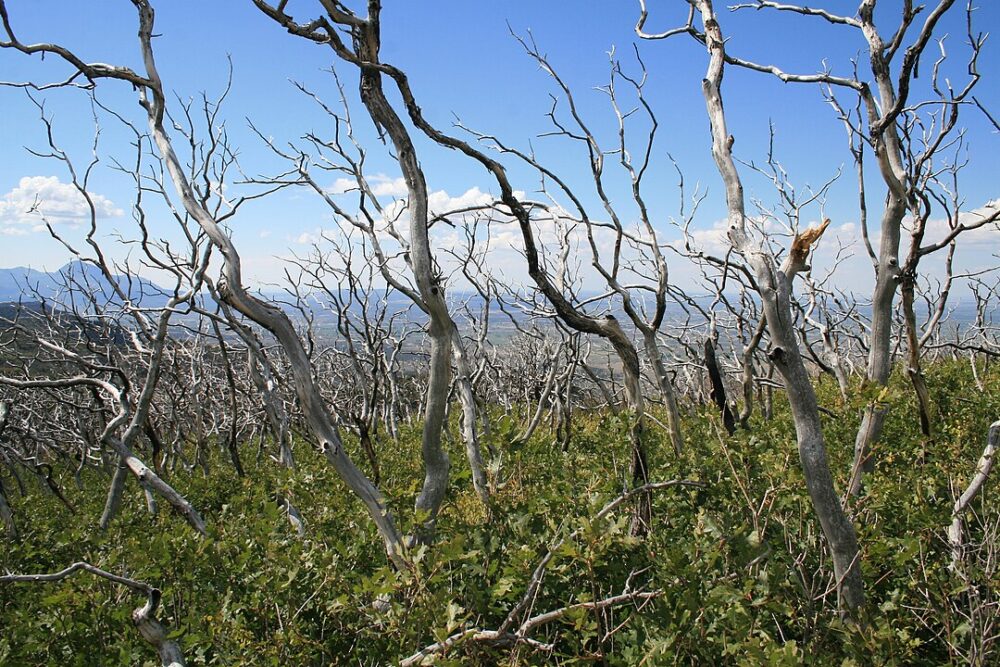
The long-term measurements showed declining growth rates in trees exposed to repeated heatwaves and drought cycles. Even younger trees, which typically grow quickly, are slowing down.
Reduced growth means forests are absorbing less carbon each year. When combined with increasing mortality, the overall balance tips toward carbon release, creating a worrying long-term trajectory.
8. Scientists Say the Speed of the Shift Is Unexpected
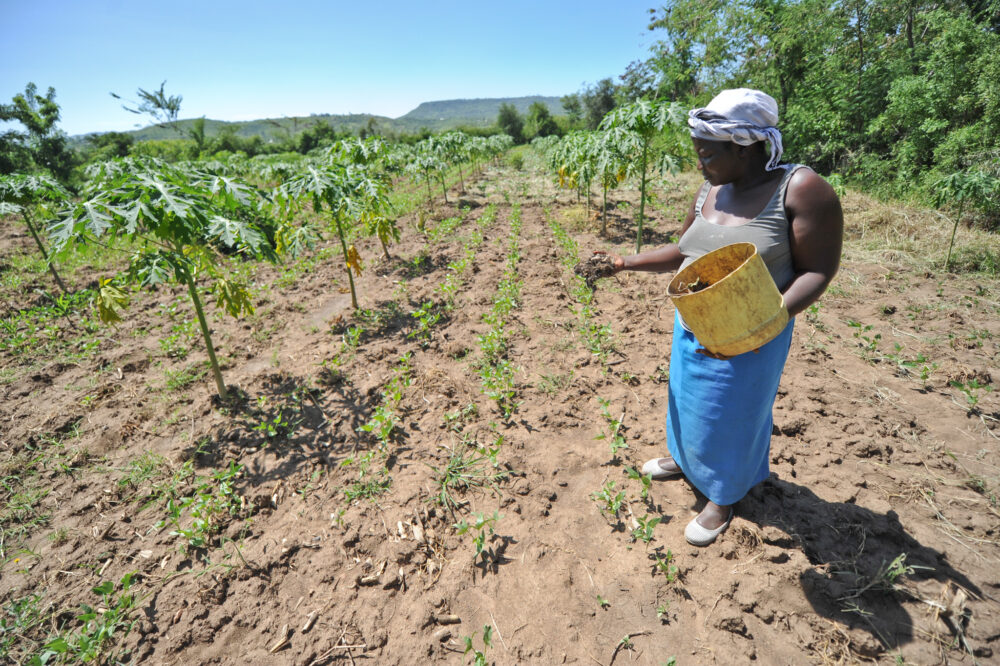
What surprised researchers most was how rapidly some forests transitioned from carbon sinks to carbon sources. Models had predicted a long, gradual decline—but the ground data shows that the shift is happening much sooner than expected.
This suggests tropical forests may be more sensitive to climate extremes than previously understood. It also signals potential changes ahead for other major forest systems worldwide.
9. The Findings Have Global Climate Implications
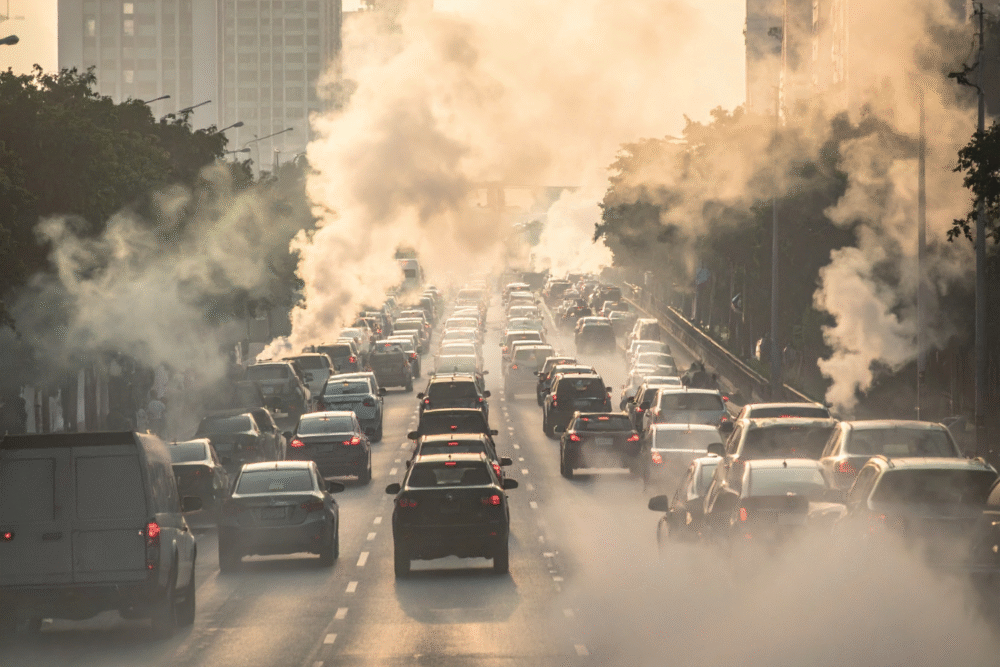
Tropical forests are central to global climate stability. If Africa’s forests can no longer offset a portion of worldwide emissions, the planet’s carbon budget becomes even tighter. This means countries may need to cut emissions faster to meet international climate goals.
The research underscores how ecosystem changes in one region can ripple across the global climate system, affecting everything from temperature projections to long-term climate planning.
10. Protecting Remaining Forest Resilience Is Now Critical
Scientists emphasize that while some forests are already net carbon sources, others remain strong carbon sinks. Protecting these relatively healthy forests is essential to preventing further decline across the continent.
Efforts such as halting illegal logging, reducing land-clearing, and preserving intact forest landscapes can help maintain resilience. Without intervention, more forests may cross the threshold into carbon loss.
11. The Study Warns That Time Is Running Short

The researchers concluded that Africa’s forests are undergoing a profound transformation driven by climate change. If global temperatures continue to rise, more regions may shift toward carbon emission rather than absorption, fundamentally altering the planet’s carbon cycle.
They urge immediate action to reduce global emissions and protect remaining forest ecosystems. The message is clear: tropical forests are not guaranteed climate allies—and their ability to help stabilize the planet is diminishing quickly.