
New measurements show Mount Rainier’s peak has dropped dramatically as its ice melts.
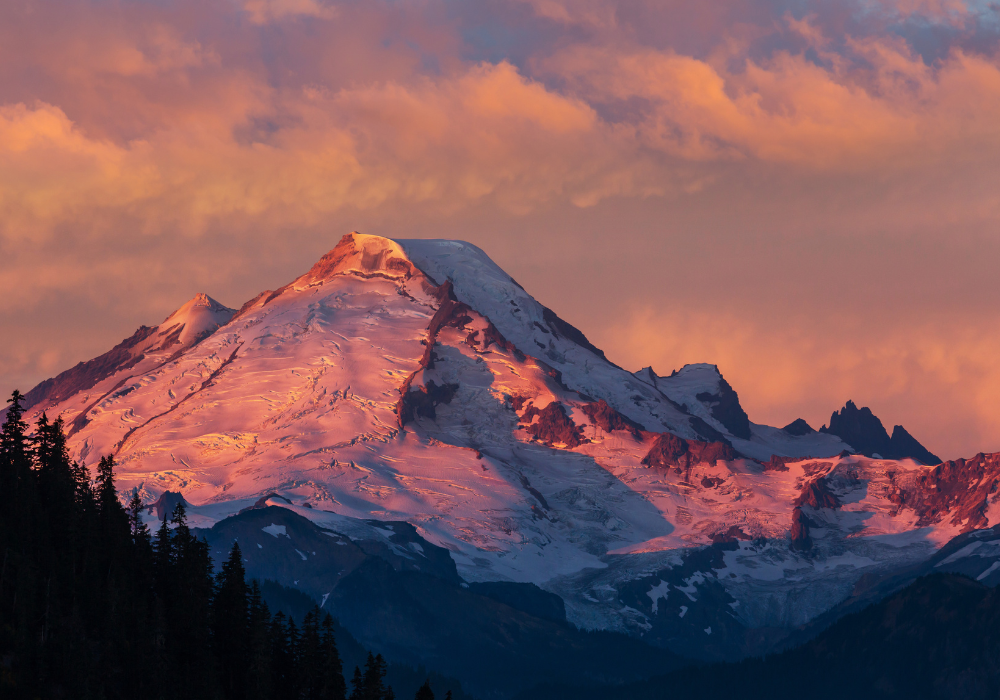
Scientists have confirmed that Mount Rainier is shrinking as rising temperatures melt the massive ice dome that once capped its summit. A new study shows the peak has lowered significantly in recent years, revealing bare rock where thick ice and snow once sat year-round. The findings highlight how quickly climate change is reshaping one of America’s most iconic mountains. Researchers say this shift is permanent, and the summit will continue to transform as glaciers retreat. The changes are already altering climbing routes, landscapes, and long-term stability around the peak.
1. New Measurements Show the Summit Has Dropped Significantly
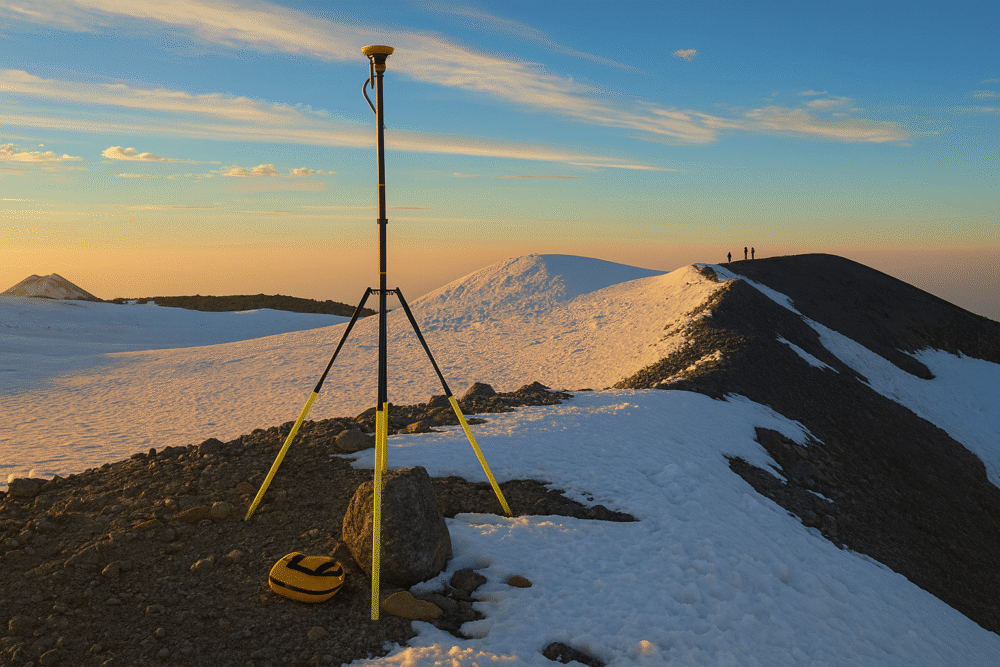
Researchers found that Mount Rainier’s summit has decreased in elevation as melting ice exposes more underlying rock. The reduction is substantial enough to change the official height recorded for the mountain. This decline reflects the rapid loss of the thick ice dome that once added extra elevation to the peak.
Scientists used updated mapping and high-resolution data to confirm the change. Because the summit’s elevation was partly determined by ice thickness, continued melting means the mountain’s height will keep shifting downward over time.
2. Melting Ice Is Revealing Bare Rock for the First Time

The summit area, once covered by dense, year-round ice, is now showing more exposed rock than scientists have documented in modern history. This exposure indicates just how dramatically temperatures have climbed across the region. The ice that once shaped Rainier’s iconic profile is thinning or disappearing entirely.
Researchers say the transformation is irreversible in the short term. Even if temperatures stabilize, the lost ice would take centuries to rebuild. The bare rock now represents the mountain’s new normal.
3. Rainier’s Ice Dome Has Thinned Due to Warming Temperatures
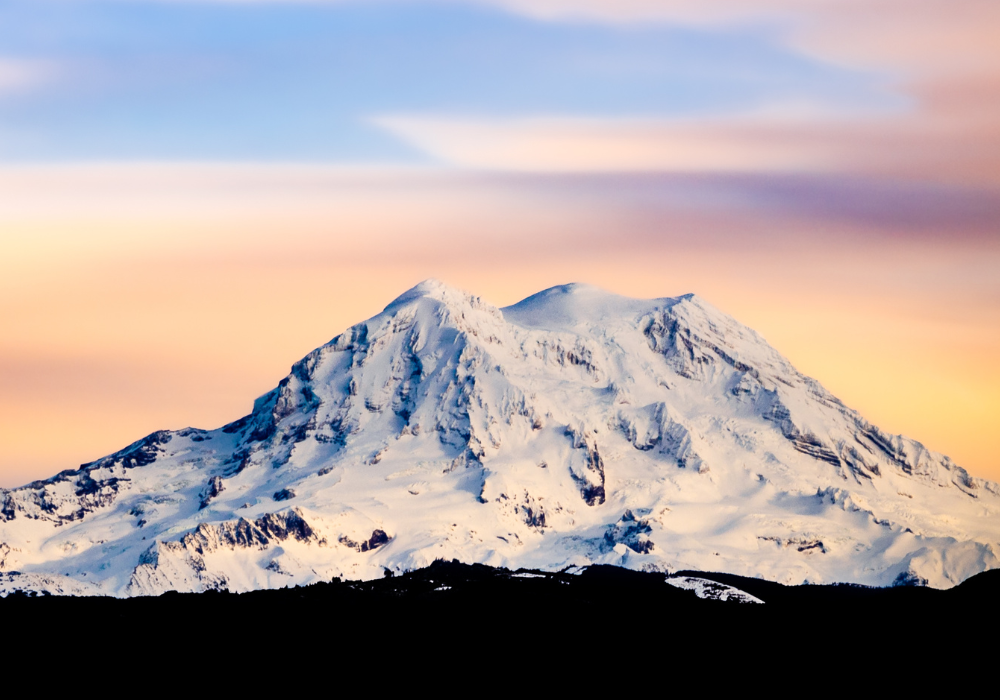
The summit’s ice dome is shrinking because average temperatures in the Pacific Northwest have been rising. Warmer summers and milder winters reduce the snowfall needed to replenish the glacier and speed up melting. Over time, this process has significantly lowered the top of the mountain.
Scientists note that climate models predicted such losses, but the rapid pace at Rainier has been striking. The thinning ice dome provides clear visual evidence of how warming trends are reshaping high-elevation environments.
4. Lower Snowpack Means Less Winter Recovery for the Summit

Snowfall at high altitudes plays an essential role in rebuilding ice each winter. But recent seasons have brought lower snowpack levels, leaving less material to replenish what melts during warm months. This imbalance accelerates long-term ice loss and contributes to the mountain’s shrinking height.
The reduced snowpack also affects how much sunlight the summit reflects or absorbs. With less bright snow and more exposed rock, melting speeds up even further, creating a feedback loop of shrinking ice.
5. The Height Drop Alters the Mountain’s Official Measurements

As the summit loses ice, it no longer meets the elevation recorded in past geological surveys. Updated measurements show a lower peak elevation, meaning maps, climbing guides, and scientific records will need to be revised to reflect the mountain’s new height.
These changes highlight how dynamic mountain landscapes can be. Unlike rock-based peaks, volcanic summits capped with ice can fluctuate significantly when climate conditions shift.
6. Glaciers on Rainier Are Retreating Faster Than Expected
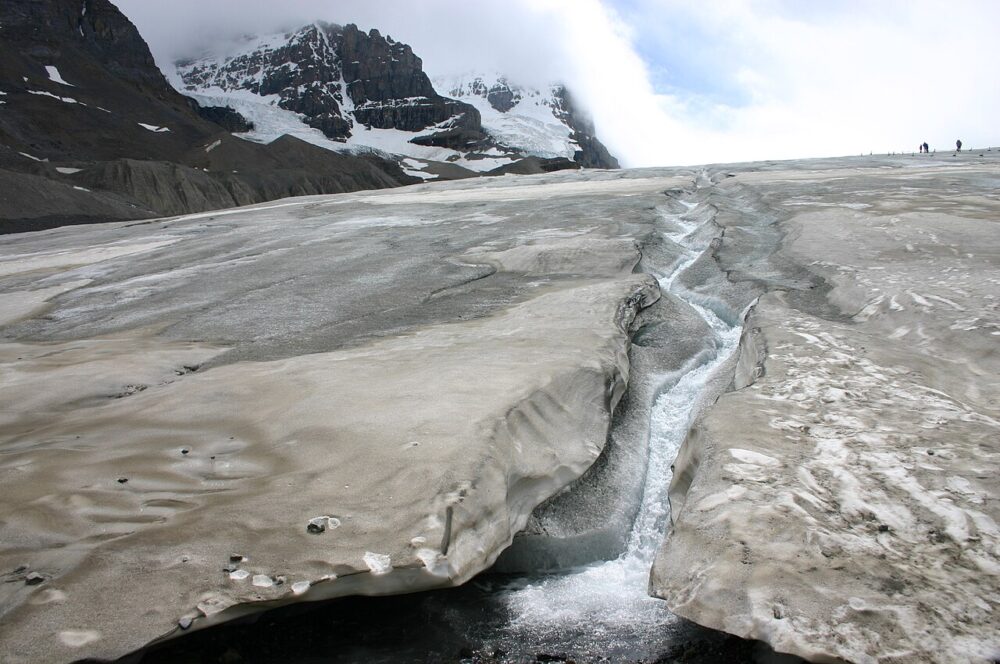
Mount Rainier hosts dozens of glaciers, many of which feed rivers across the Pacific Northwest. Scientists report that these glaciers are retreating quickly as temperatures rise. This retreat reduces the size of the ice dome at the summit and contributes to the mountain’s overall height loss.
The rapid glacier decline has far-reaching implications. It affects water sources, local ecosystems, and the long-term stability of slopes once buttressed by thick ice.
7. The Summit Landscape Is Changing Permanently

The combination of thinning ice, exposed rock, and retreating glaciers means the summit will never return to its former appearance. Researchers say the changes are now part of the mountain’s long-term trajectory, shaped by accelerating warming trends in the region.
Future measurements will likely show continued lowering of the peak. The summit may also develop new rock formations and features as the remaining ice continues to shrink.
8. Climbers Are Already Seeing New Routes and Hazards
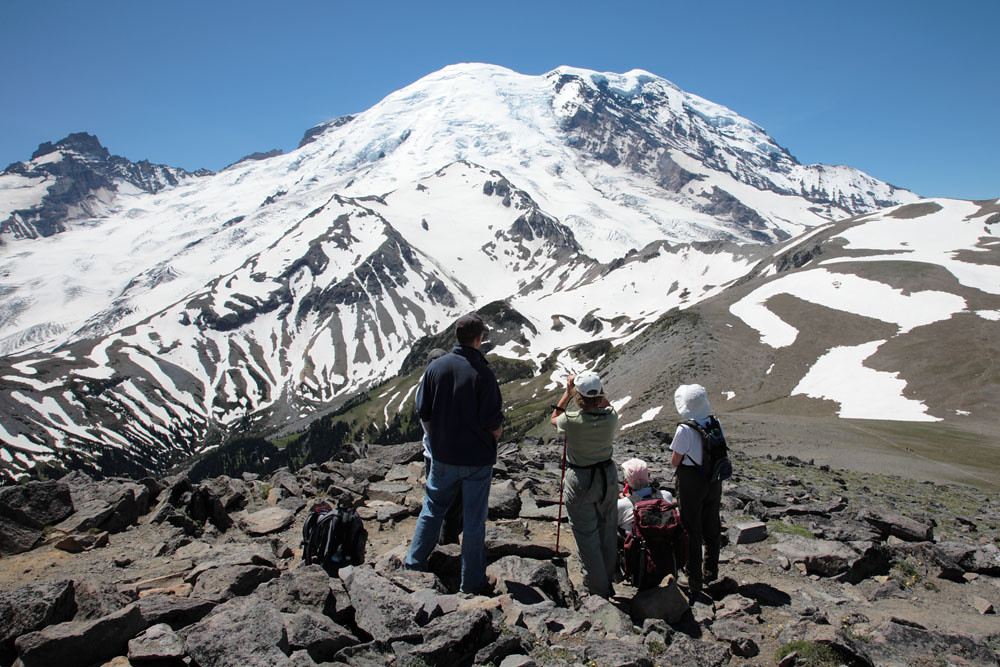
As the summit loses ice, traditional climbing routes are shifting or disappearing. Areas that were once smooth ice slopes now feature unstable rocks, crevasses, and loose debris. These changes make climbing more unpredictable and have prompted experts to update route descriptions.
Climbers report that conditions can change rapidly from one season to the next. The evolving landscape means that experience gained in previous years may not fully apply to current conditions.
9. The Study Highlights Broader Regional Warming Trends

Mount Rainier’s shrinking summit reflects larger climate patterns across the Pacific Northwest. Rising temperatures have reduced snowpack, accelerated glacier melt, and altered mountain ecosystems throughout the region. Rainier’s visible transformation is one of the most striking examples of these shifts.
Scientists view the mountain as an indicator of how future warming will affect high-altitude environments. Its rapid changes provide a clear warning about the pace of regional climate impacts.
10. Researchers Used Advanced Mapping Tools to Track the Decline
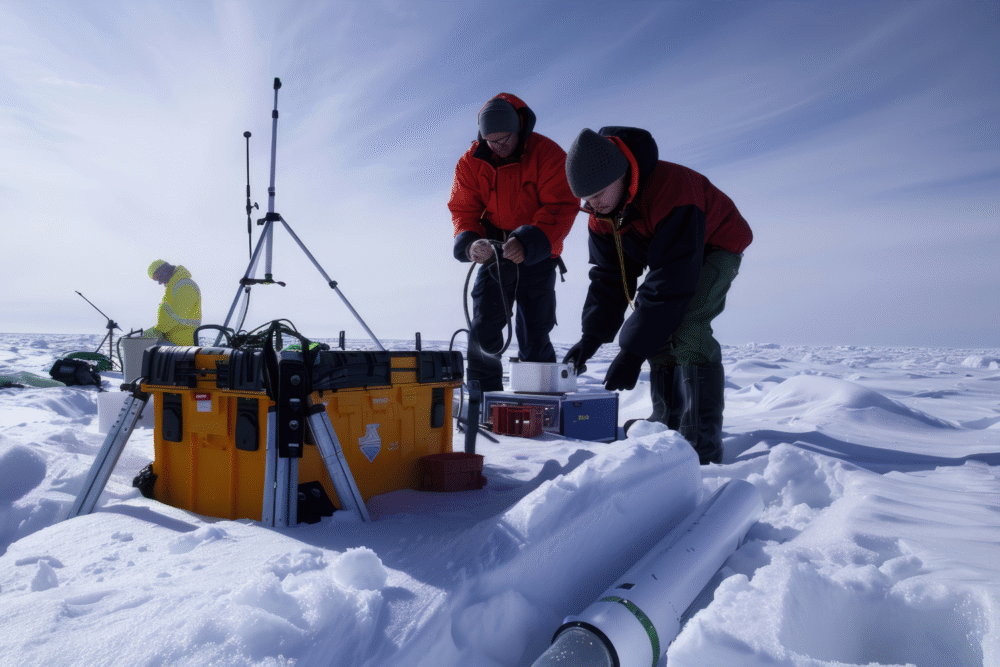
To measure the mountain’s height, scientists relied on updated topographic data, high-resolution digital models, and precise geospatial tools. These technologies allowed them to detect changes in the summit’s elevation with far greater accuracy than previous methods.
The data revealed that earlier measurements overestimated the summit height due to thicker ice. With improved tools, scientists can monitor the mountain’s transformation in near-real time as warming continues.
11. Experts Warn the Peak Will Keep Changing as Warming Continues

Scientists say Mount Rainier will continue to evolve as temperatures increase and ice continues to melt. The summit’s elevation is expected to decline further, revealing even more rock and reshaping the mountain’s long-term profile. These changes will influence climbing, water resources, and regional ecosystems.
Researchers emphasize that Rainier’s transformation reflects broader climate challenges. The mountain’s shrinking summit is a visible reminder of how quickly environmental changes can unfold, even in seemingly permanent landscapes.