
A new study uncovers stunning clues about Stonehenge’s most mysterious boulder.
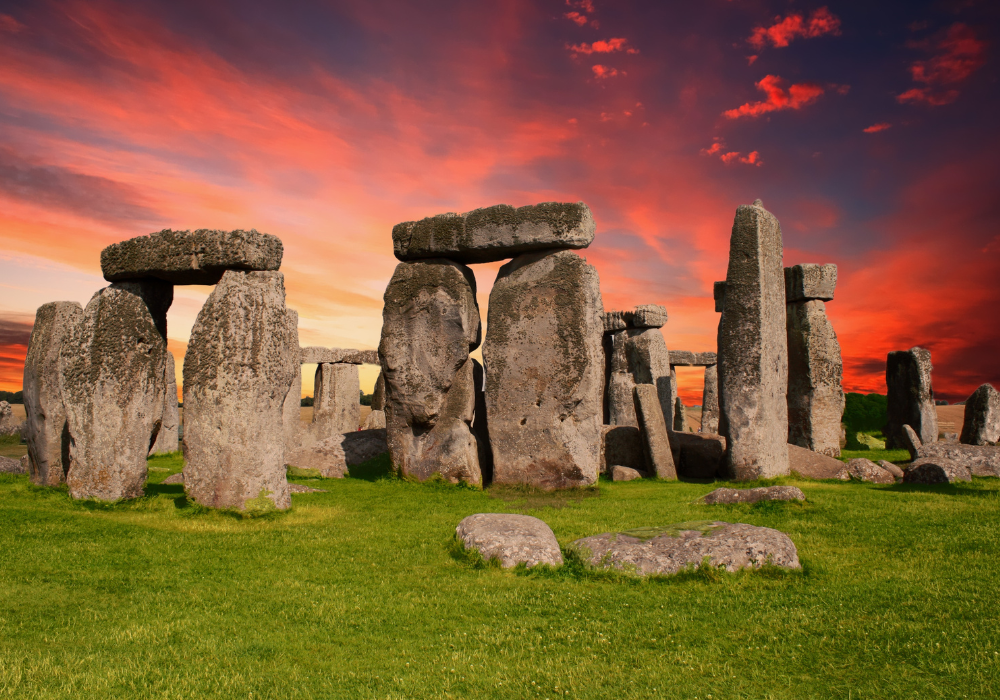
New research suggests Stonehenge’s massive Altar Stone didn’t come from Wales, as long believed, but from far to the north—possibly near Scotland’s Grampian Mountains. This discovery means Neolithic Britons may have transported the six-ton slab an astonishing 465 miles before it reached Salisbury Plain. The finding overturns decades of assumptions and raises new questions about prehistoric engineering, mobility, and ritual significance. While the exact route and method remain unknown, the study reveals Stonehenge’s story is even more complex and mysterious than archaeologists once imagined.
1. The Altar Stone Likely Came From Northern Scotland

The new research points to a geological match between Stonehenge’s Altar Stone and rocks found near the Grampian Mountains. This overturns the long-held belief that the stone originated in Wales, where the famous bluestones were quarried. The unexpected northern source makes this one of Britain’s most extraordinary prehistoric transport feats.
The finding also raises new cultural questions. If the stone truly came from Scotland, ancient communities may have moved it across multiple regions, each with its own rituals, networks, and political dynamics.
2. The Stone May Have Traveled Up to 465 Miles
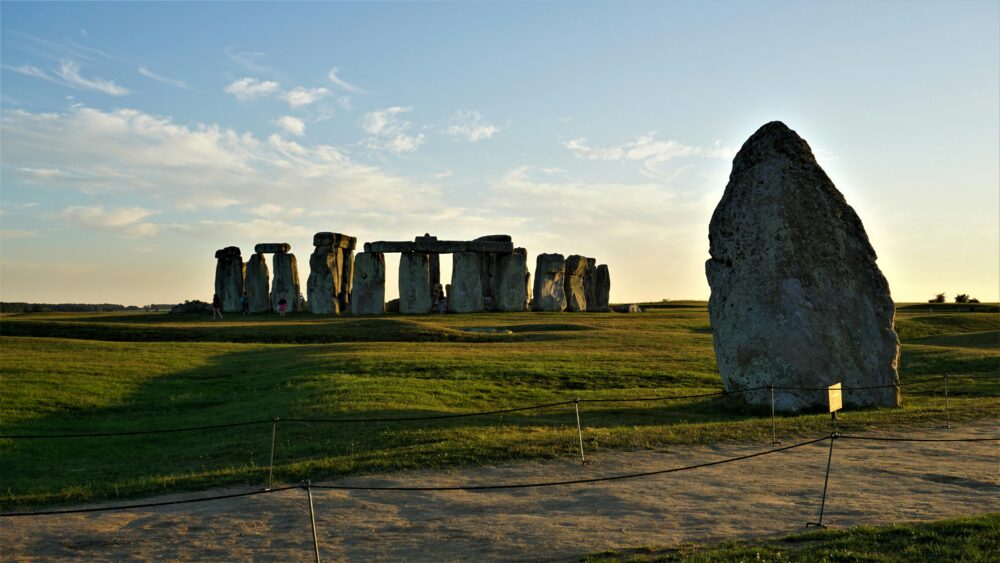
According to the study, if the Altar Stone began in Scotland, it would have traveled roughly 465 miles to reach Stonehenge. This distance is significantly greater than the 140–150 miles associated with the bluestones. Such a journey would have required extraordinary effort, coordination, and logistics by Neolithic communities.
The sheer scale of this transport challenges assumptions about prehistoric mobility. It suggests people in the Neolithic period were capable of undertaking massive, coordinated projects across long distances.
3. The Stone Is Much Larger Than the Other Imported Rocks

The Altar Stone is a six-ton block—far heavier and larger than many of the bluestones that make up Stonehenge’s inner ring. Its size makes the potential Scotland-to-Salisbury journey even more remarkable, especially considering the limited technology available thousands of years ago.
This weight also implies that moving the stone required ingenious methods. Whether by sledges, rollers, waterways, or seasonal ice, any transport strategy would have demanded substantial manpower and planning.
4. Previous Assumptions About Its Welsh Origin Were Misleading
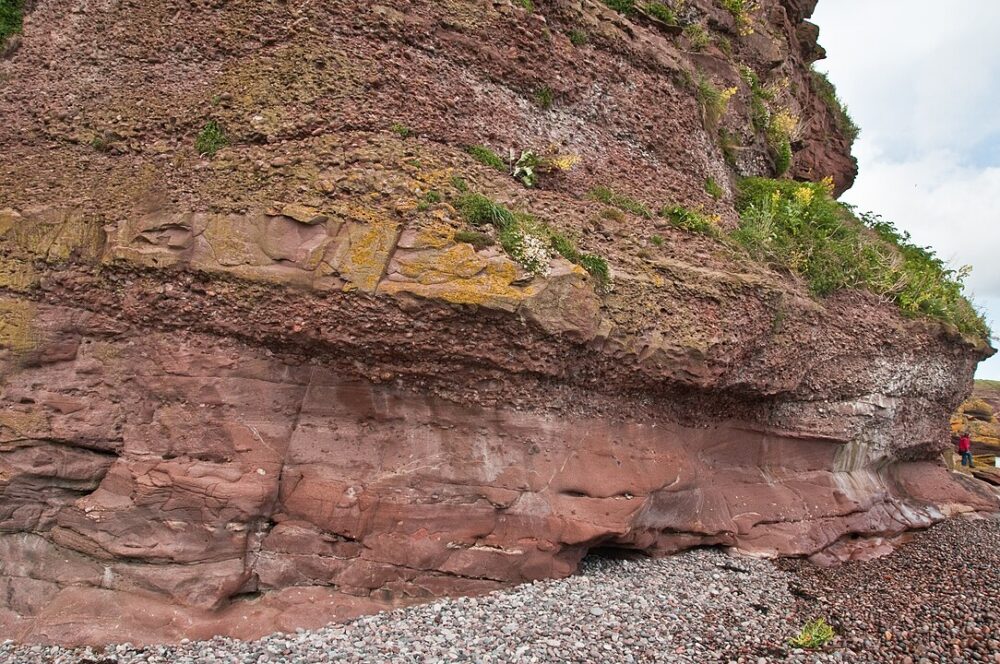
For decades, archaeologists believed the Altar Stone came from the Old Red Sandstone formations of Wales. The new mineral analysis contradicts that idea, showing its composition aligns more closely with northern Scottish geology. This represents a major shift in Stonehenge scholarship.
The finding highlights how advances in scientific tools continue to challenge older theories. Improved sampling methods now allow researchers to make finer distinctions between similar rock types.
5. The Stone May Have Reached Stonehenge Through Multiple Communities
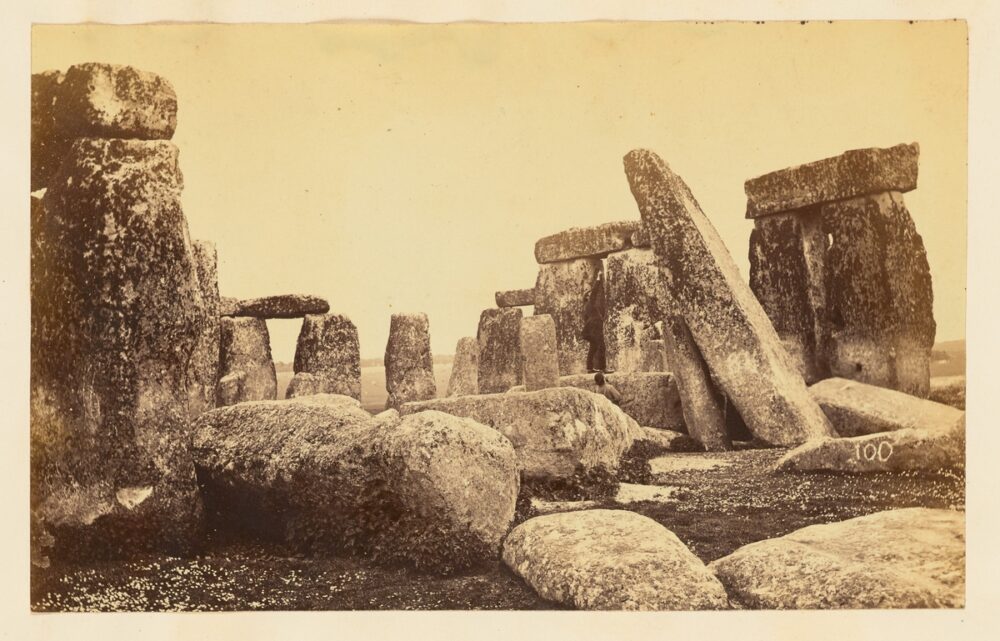
If the stone originated in Scotland, it likely passed through several distinct cultural regions as it moved south. Neolithic Britain was not a single cultural unit but a patchwork of communities with their own traditions and networks. Transporting the stone may have required cooperation or exchange across these boundaries.
This movement hints at possible ceremonial or symbolic motivations. A stone of such size and origin may have been valued for reasons beyond simple construction needs.
6. Transporting the Stone Remains a Major Archaeological Mystery
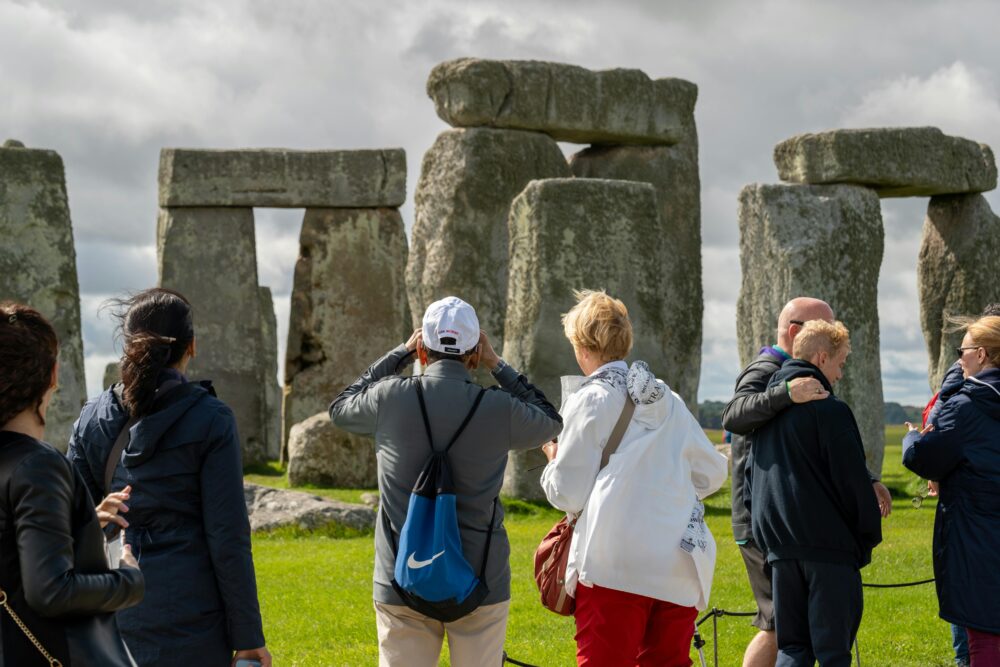
Despite the new findings, researchers still do not know how the Altar Stone was moved. No direct evidence of its transport method has survived. Theories include dragging overland, floating on rivers, or using wooden structures to roll or slide it across terrain.
The lack of clarity adds to Stonehenge’s allure. The transportation of such a massive stone, over such a great distance, remains one of Britain’s enduring prehistoric puzzles.
7. The Discovery Challenges Earlier Narratives About Stonehenge
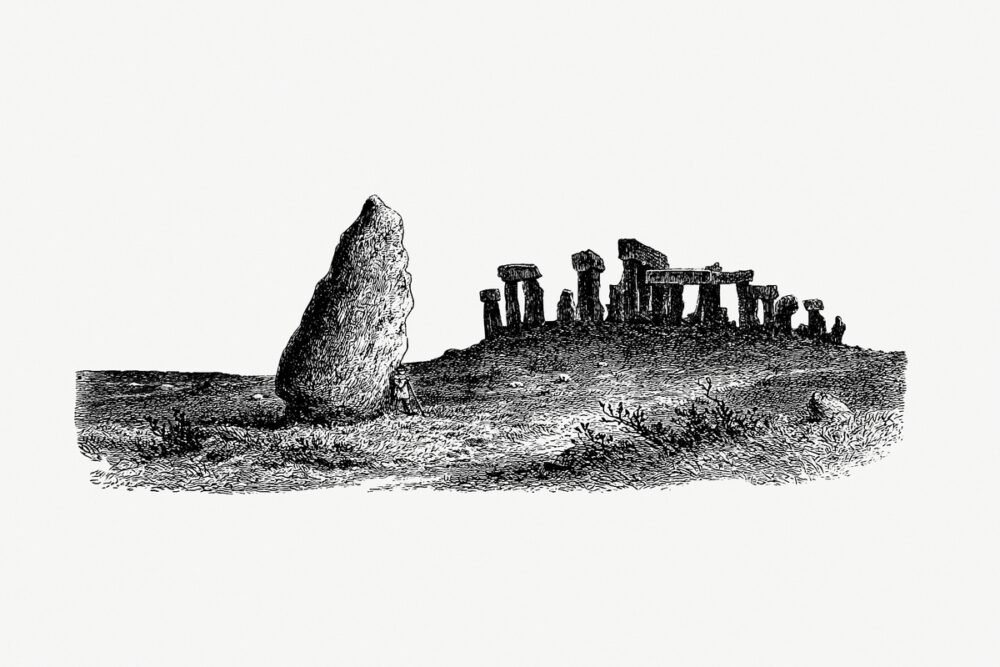
The Scotland hypothesis forces archaeologists to reconsider long-held ideas about Stonehenge’s construction phases. If the Altar Stone came from farther north, it suggests the monument’s builders were part of a broader cultural sphere than previously believed.
This also shows Stonehenge was not solely influenced by communities in Wales. Instead, it may have drawn materials from a much wider geographic area, reflecting complex social networks.
8. The Stone Could Have Been Moved for Ritual or Symbolic Reasons
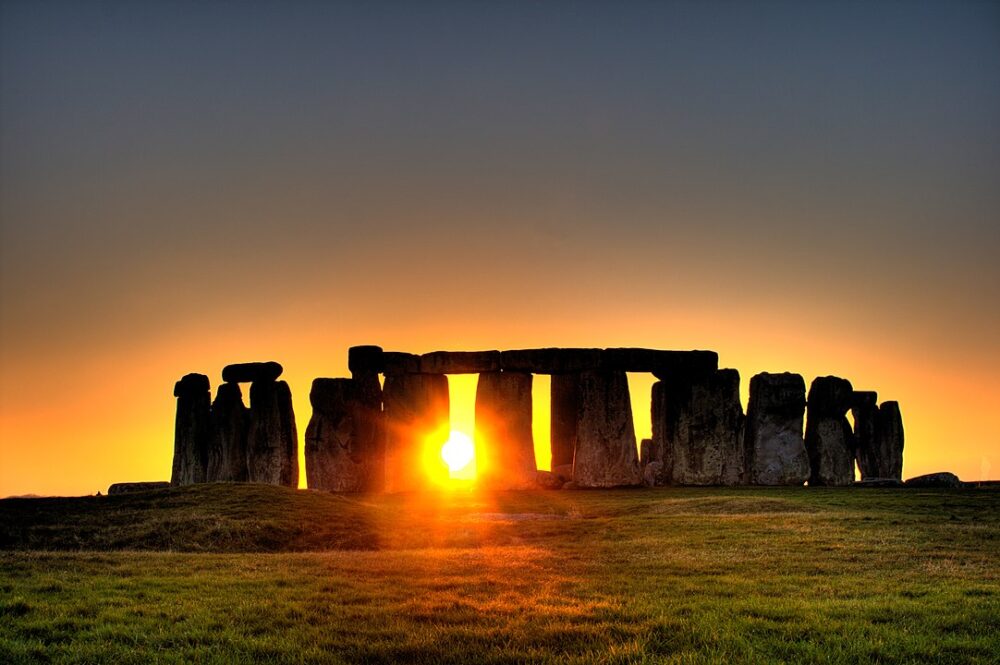
Researchers note that the Altar Stone’s unusual origin might have carried special meaning. Transporting a stone from a faraway region could have been part of a ceremonial tradition or a way to incorporate sacred landscapes into Stonehenge.
This idea aligns with growing evidence that Stonehenge was more than a construction project—it was a spiritual and social gathering place tied to regional identities and long-distance connections.
9. The New Study Used Updated Geological Sampling Techniques
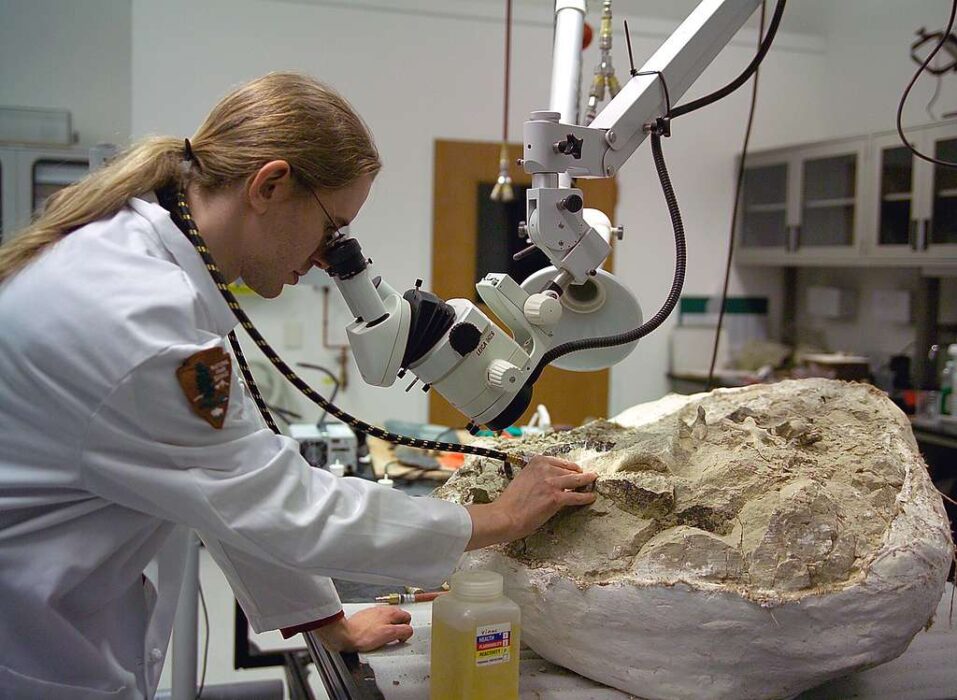
The research relied on modern methods that compare mineral signatures in minute rock samples. This allowed scientists to distinguish between stone sources that look similar to the naked eye. Such techniques were not available when earlier theories were proposed.
These scientific improvements show how technology continues to refine our understanding of prehistoric Britain. Even well-studied sites like Stonehenge can yield new insights when reevaluated with updated tools.
10. The Findings Suggest More Stonehenge Mysteries Still Await

The Altar Stone’s surprising origin reinforces the idea that Stonehenge has not given up all its secrets. Many stones have incomplete sourcing histories, and future analysis could reveal additional long-distance movements or unexpected origins.
Researchers believe continued study may further reshape our understanding of the monument’s construction. The Altar Stone discovery serves as a reminder that Stonehenge remains one of archaeology’s most dynamic and evolving subjects.