
Historians explain why the Great Lakes hold one of the largest shipwreck graveyards on Earth.
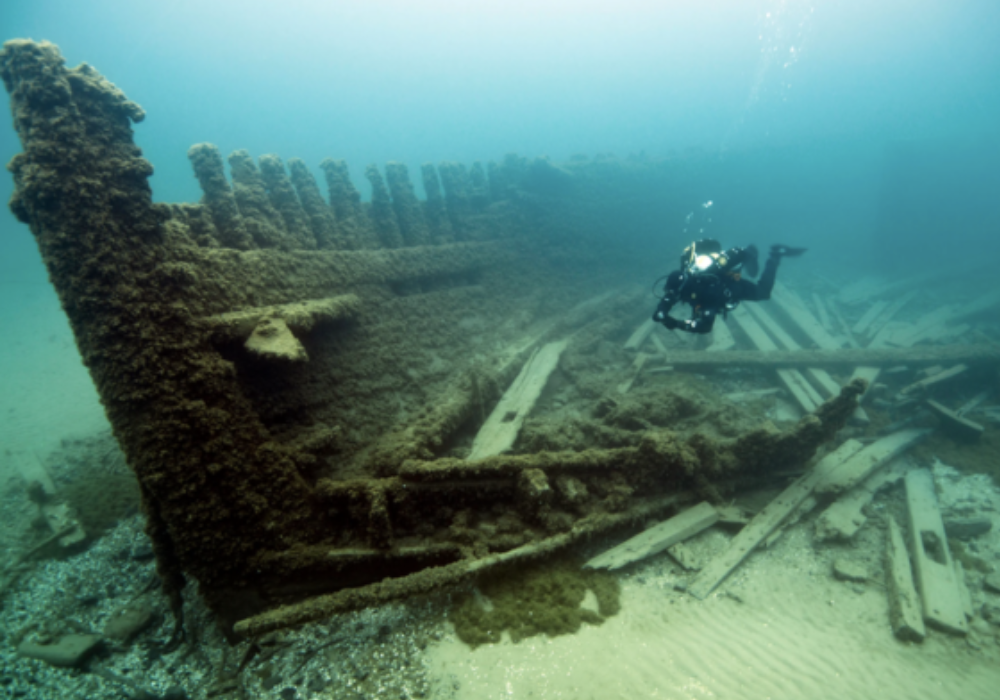
The Great Lakes may appear peaceful, but their waters conceal thousands of shipwrecks dating back centuries. Historians estimate that between 6,000 and 10,000 vessels have gone down, making the region one of the world’s densest shipwreck zones. These losses weren’t caused by a single factor but by a dangerous combination of fierce storms, unpredictable weather shifts, hazardous shoals, and heavy commercial traffic. Newly examined research reveals why ships disappeared so quickly and why the Great Lakes challenged even the most experienced captains throughout maritime history.
1. The Great Lakes Can Produce Ocean-Level Storms
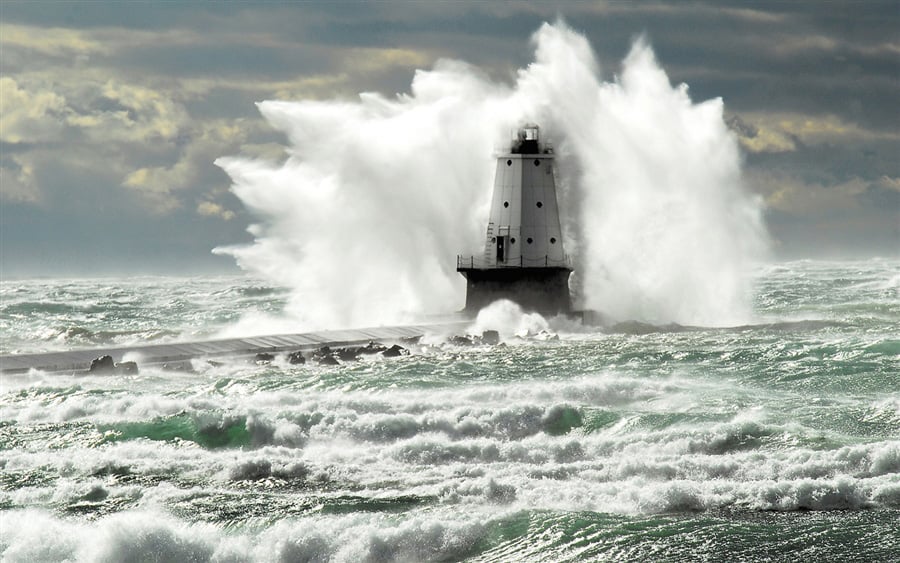
Despite being inland, the Great Lakes generate storms comparable to those on open seas. Sudden pressure changes create fast-forming systems capable of producing hurricane-force winds. Waves can rise rapidly, leaving ships with little time to react and often overwhelming smaller or heavily loaded vessels.
These storms contributed to countless wrecks, especially during the late 1800s and early 1900s when weather prediction tools were limited. Mariners often headed into rough conditions without realizing how quickly the lakes could turn violent.
2. Weather Patterns Shift Faster Than Ship Crews Can Respond
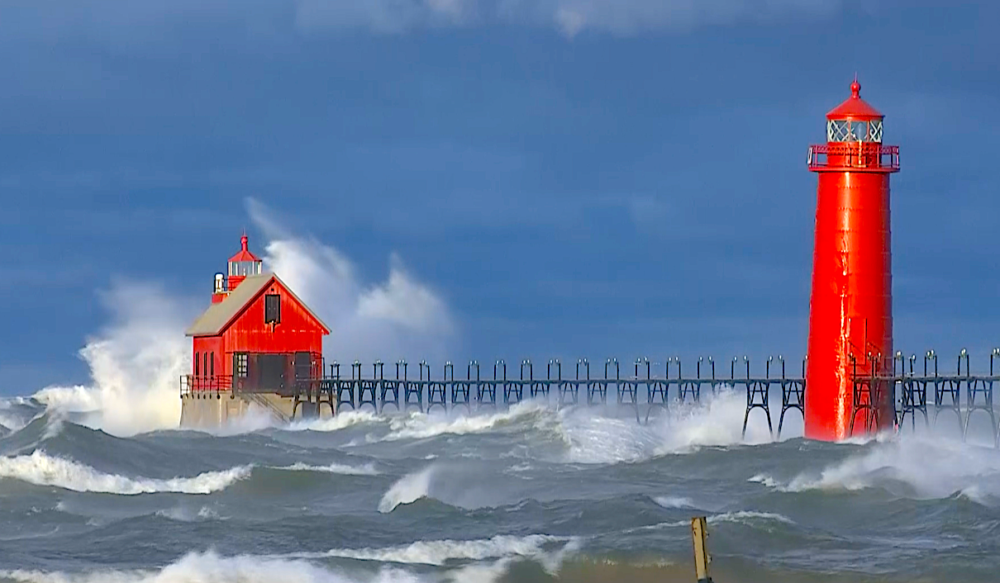
Because of the lakes’ size and position between different air masses, conditions can change dramatically in minutes. Early sailors had no satellite forecasts, and even modern crews acknowledge the region’s unpredictable nature. Fog, squalls, and sudden temperature drops were common causes of disorientation and navigation errors.
This rapid variability often caught ships mid-journey with no safe harbor nearby. By the time weather began deteriorating, many vessels had no escape route, contributing to catastrophic losses.
3. Shallow Waters Make Waves Even More Destructive
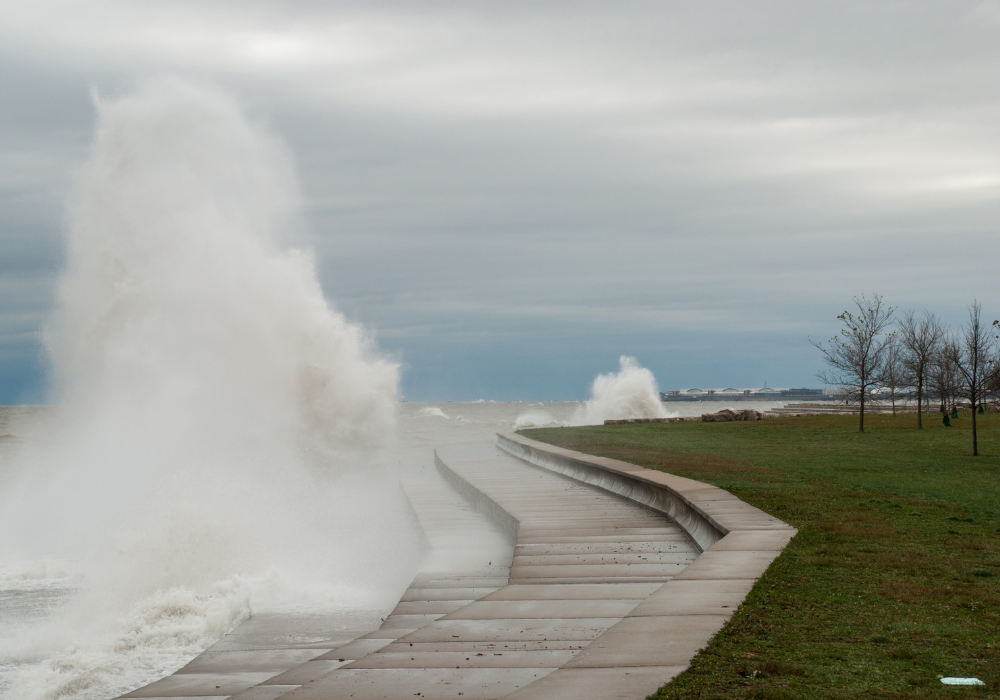
The Great Lakes are shallower than the ocean, which causes waves to become steeper and more chaotic. This steep wave pattern—sometimes called “confused seas”—hits ships with sharper impacts that can break masts, twist hulls, and cause structural failure.
These conditions were especially deadly for wooden ships and early steel vessels before engineering improved. Shallow areas also meant vessels had less margin for error when pushed off course during storms.
4. Treacherous Shoals and Hidden Reefs Lurk Near Shipping Routes
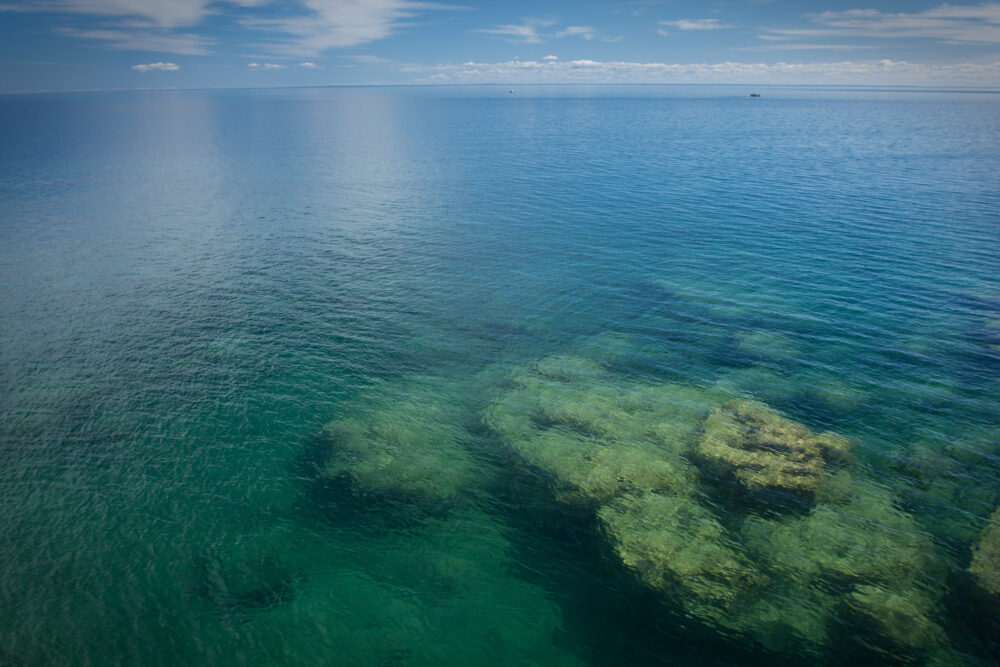
Underwater ridges, reefs, and sandbars are scattered across the lakes, particularly near shorelines and shipping lanes. Before accurate charts existed, these hazards regularly ripped open hulls or grounded vessels during storms or low-visibility conditions.
Even with modern technology, the lakes’ shifting sandbars and narrow channels still challenge navigation today. These hazards contributed significantly to the density of shipwrecks recorded over the past two centuries.
5. Heavy Commercial Traffic Increased Collision Risks
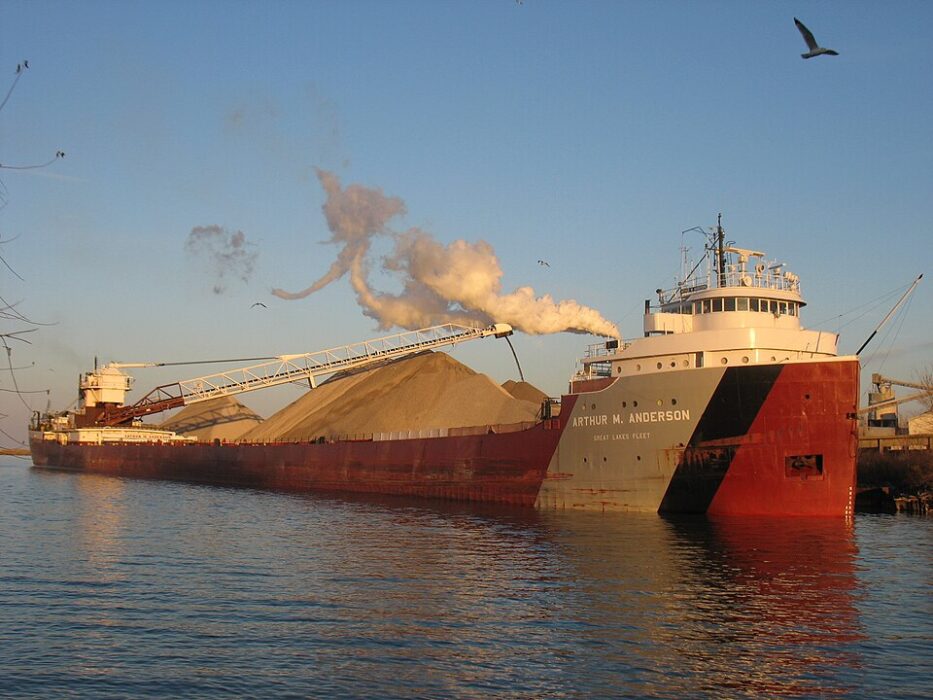
During the region’s shipping peak, thousands of vessels moved across the lakes each season. Freighters, schooners, passenger ships, and barges often crowded major routes carrying ore, lumber, grain, and coal. With so many vessels traveling on tight schedules, collisions became a significant cause of shipwrecks.
Busy waterways also meant that captains sometimes took risks to reach ports before storms arrived. This competitive environment raised the likelihood of accidents during poor visibility or narrow passages.
6. Wooden Ships Were Vulnerable to Structural Failure
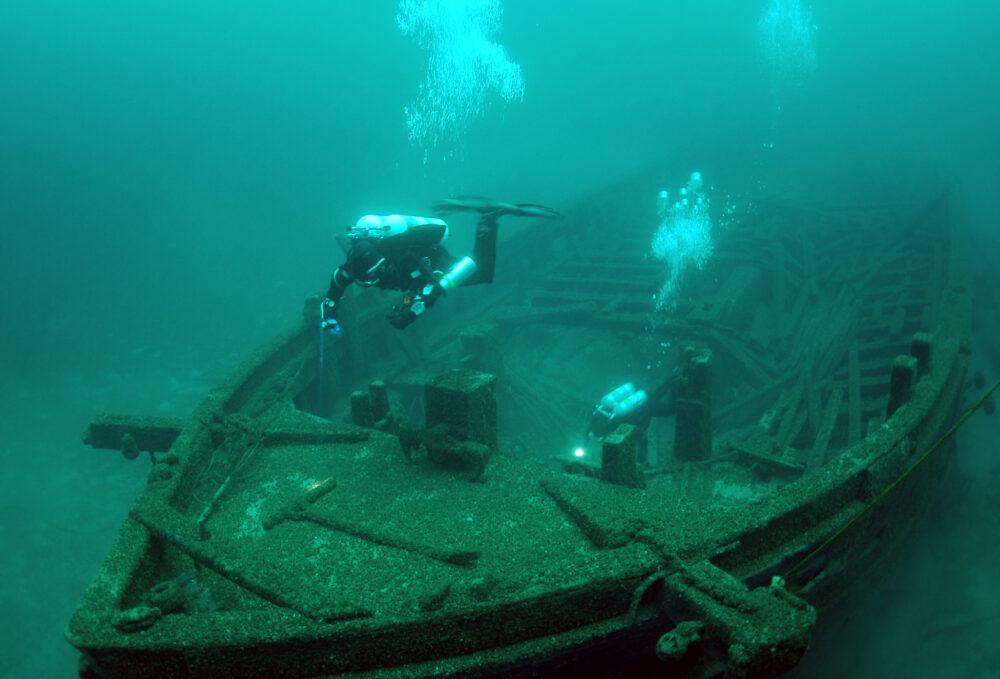
In the 1800s, most vessels on the Great Lakes were wooden and built quickly to meet rising economic demand. While effective under normal conditions, these ships could not withstand the lake’s extreme storms or the twisting forces created by steep waves.
As Smithsonian notes, many early shipwrecks occurred because wooden hulls simply broke apart when they encountered rough weather, especially when overloaded or poorly maintained.
7. Iron and Steel Ships Had Their Own Weaknesses
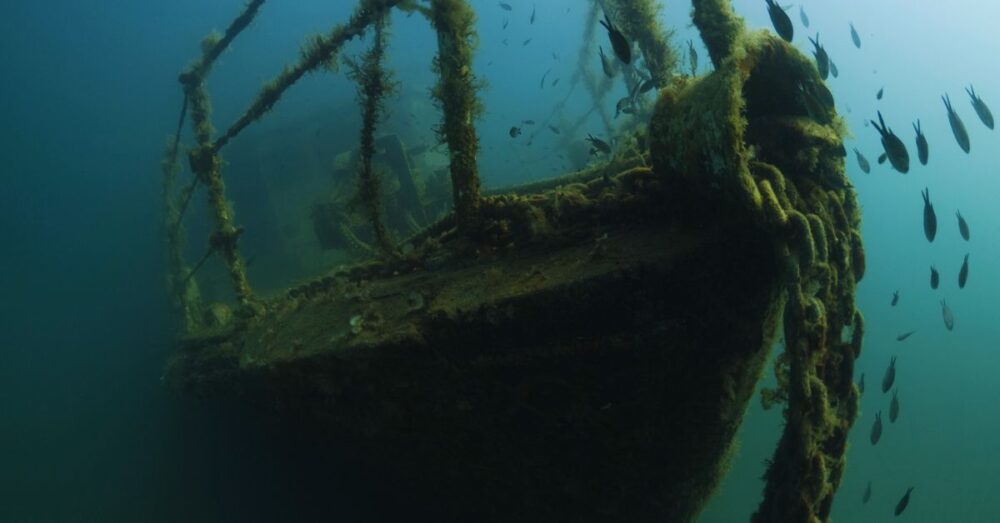
When steel replaced wood, many believed shipwrecks would decline. But early steel vessels introduced new problems: brittle metal, weak rivets, and hull designs untested in Great Lakes conditions. Some ships cracked or buckled in storms, particularly before engineering standards improved in the 20th century.
These weaknesses meant that even technologically “advanced” ships were not immune to disaster, especially during powerful November storms.
8. The Lakes Stay Dangerously Cold Year-Round
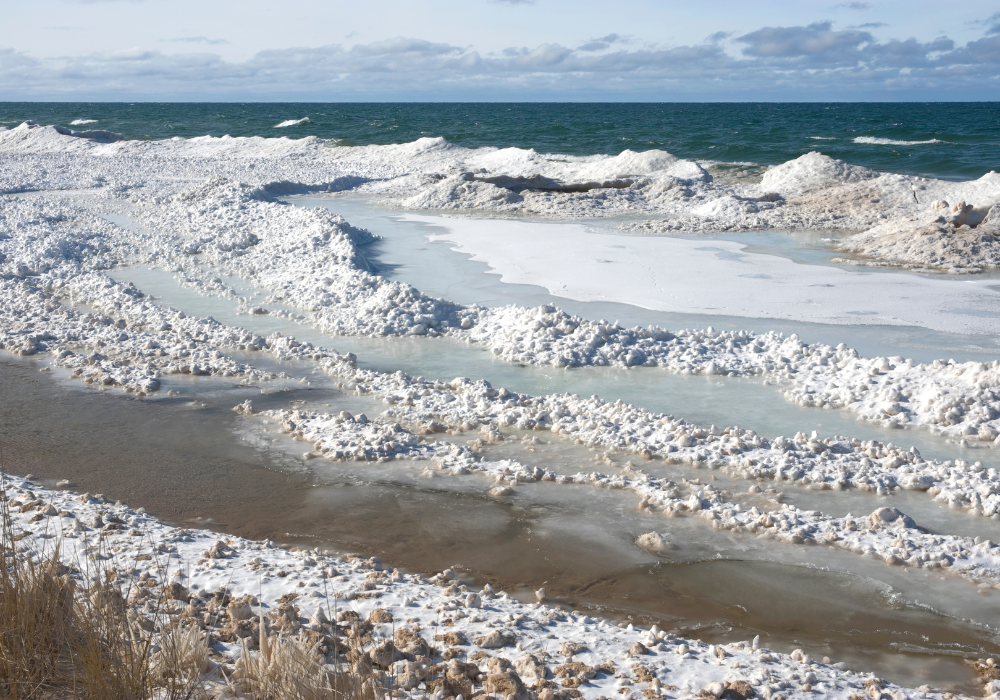
Cold water played a major role in the survival odds of ship crews. Even in warmer months, lake temperatures can cause hypothermia within minutes. Many shipwrecks became mass-fatality events simply because crews could not survive long after abandoning ship.
This cold-water factor helped preserve many wrecks in remarkable condition—but it also made rescue operations far more difficult throughout maritime history.
9. Limited Early Navigation Tools Led to Deadly Errors
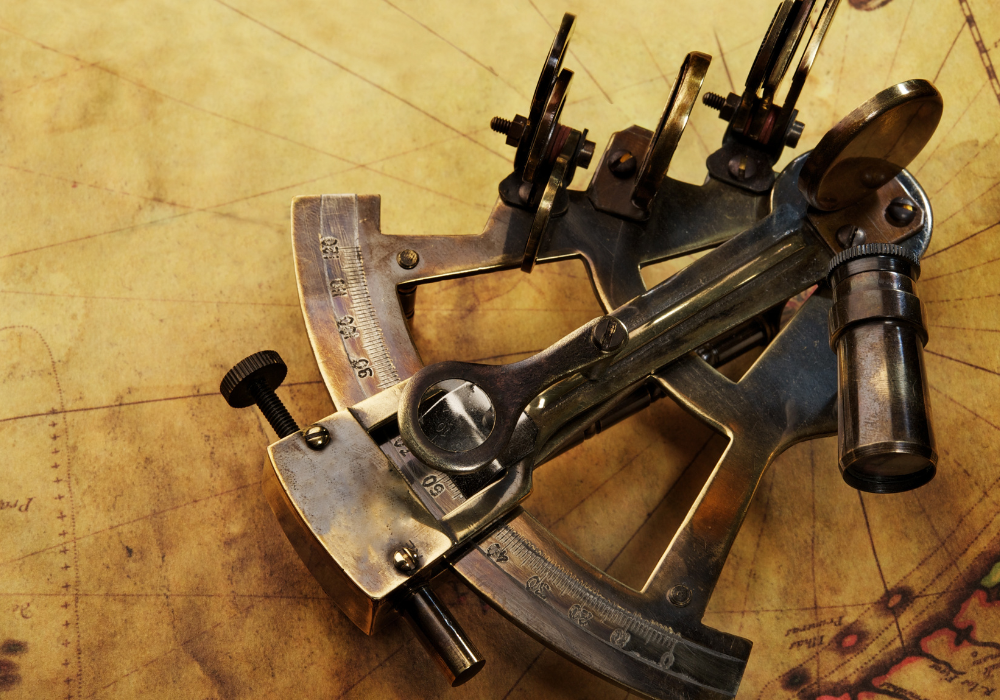
Before radar, sonar, and GPS, captains relied on compasses, dead reckoning, and visual markers. Fog, snow squalls, and nighttime storms could render these methods useless. Even minor navigational errors could send ships into shoals or other vessels.
Smithsonian highlights that many captains sailed virtually blind during severe weather. These limitations contributed greatly to the sheer number of lost ships.
10. Cargo Overloading Made Ships More Likely to Sink
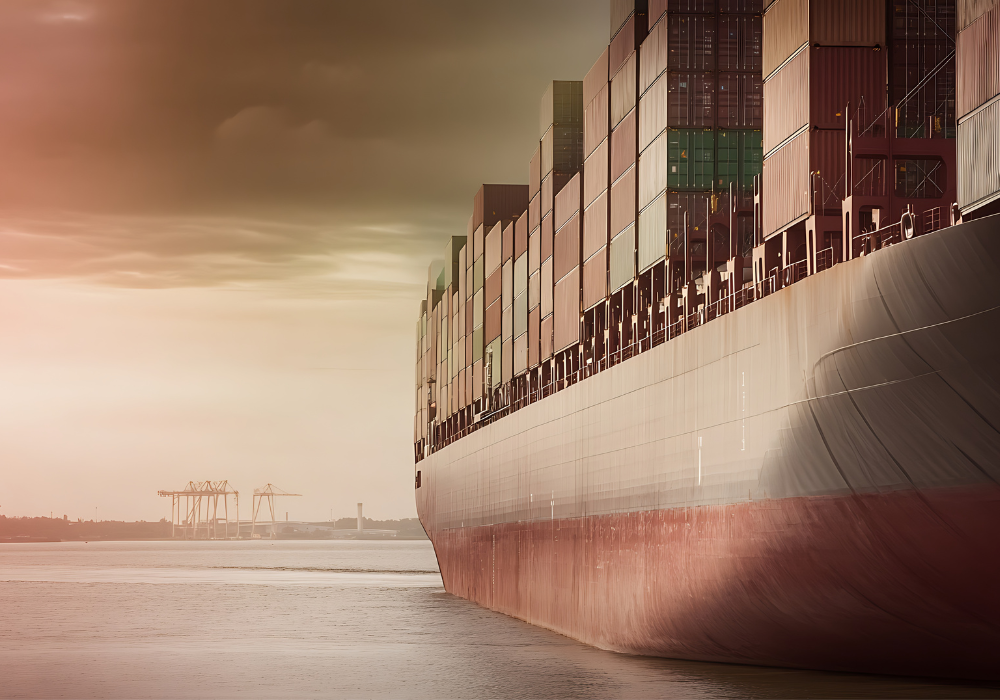
Shipping companies often pushed vessels to carry heavier loads for higher profit. Overloaded ships sat lower in the water, making them more susceptible to flooding, hull stress, and capsizing. This practice was common before regulations were enforced.
During storms, overloaded ships could take on water faster than pumps could remove it. Many shipwreck investigations later identified excessive cargo as a critical factor.
11. The Great Lakes Preserve Wrecks Exceptionally Well
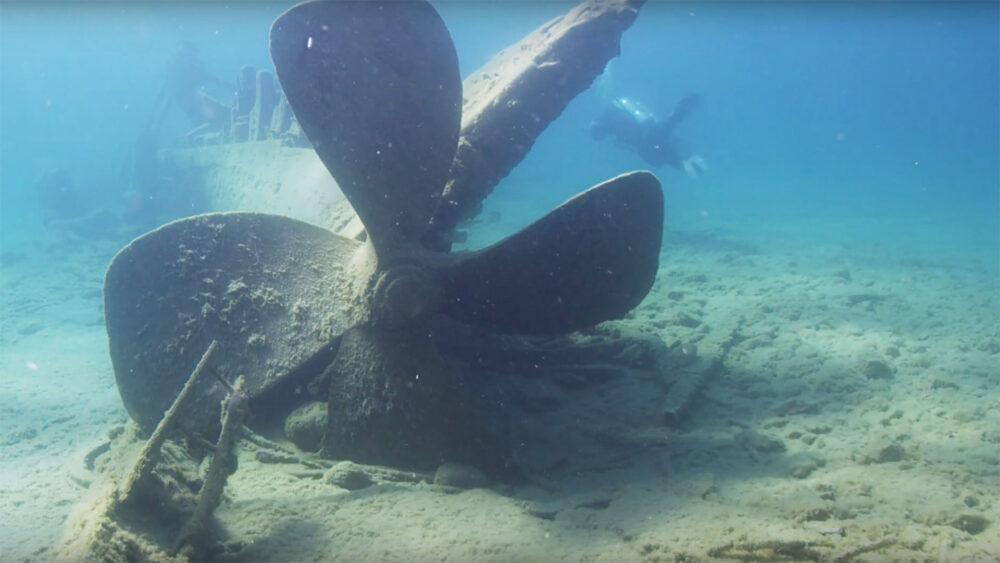
Unlike the ocean—where salt water, currents, and marine organisms destroy wrecks—freshwater keeps sunken ships in exceptional condition. As a result, the Great Lakes hold one of the best-preserved underwater shipwreck collections in the world.
These pristine wrecks allow historians and divers to study vessels exactly as they appeared on the day they sank, helping researchers piece together long-lost maritime stories.