
Scientists uncovered 40,000-year-old microbes in Alaska that began transforming the soil within months.
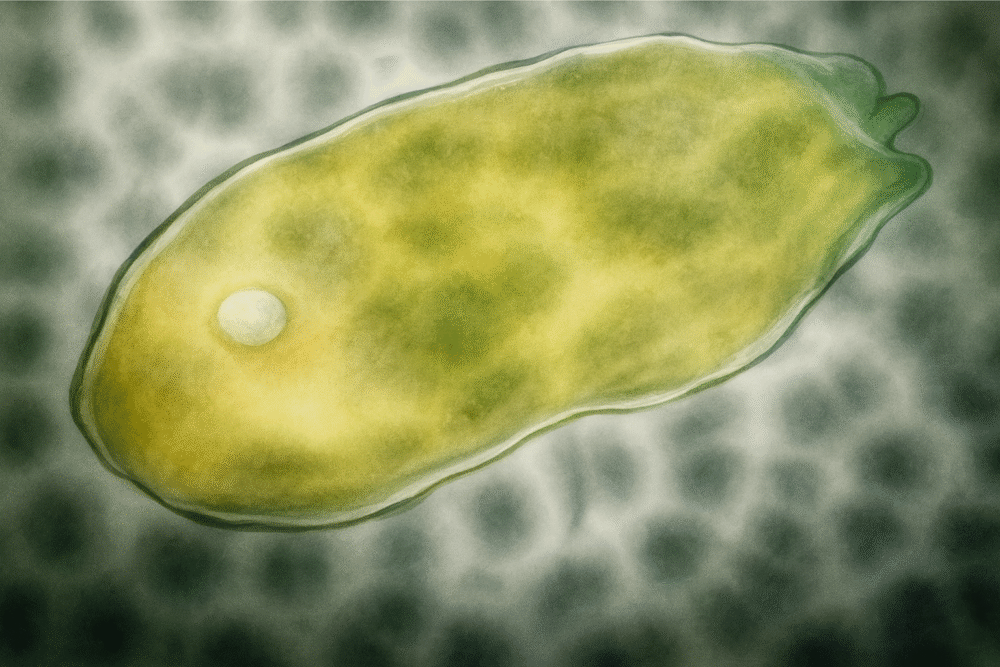
When researchers thawed a sample of ancient Alaskan permafrost, they discovered something astonishing: microorganisms that had been frozen for 40,000 years suddenly came back to life. Within six months, the revived microbes began changing the soil around them, breaking down carbon and releasing gases far faster than expected. Scientists say the discovery highlights how thawing permafrost can awaken ancient life with surprising effects on ecosystems and climate. The findings raise new questions about what else could emerge as Arctic regions continue to warm at unprecedented rates.
1. Scientists Revived Microbes That Lived 40,000 Years Ago
Researchers studying ancient permafrost discovered microbial life that had survived frozen since the last Ice Age. Once thawed under controlled lab conditions, the microbes quickly became active again, proving that some organisms can endure extreme cold for tens of thousands of years. Their ability to “wake up” surprised scientists who expected much slower biological responses.
Within days, the microbes began reproducing and altering the soil environment around them. This rapid response suggests that many dormant organisms buried in Arctic ice may still be viable and capable of reactivating when temperatures rise.
2. The Microbes Began Transforming the Soil Within Months

Six months after the thaw, scientists saw dramatic changes in the soil’s makeup. The revived microbes were consuming organic matter at a faster pace than modern species, releasing carbon dioxide and methane in the process. These shifts altered nutrient levels, moisture balance, and overall soil chemistry.
Such rapid transformation shows how ancient microbes may influence today’s ecosystems. Once permafrost thaws in the Arctic, these organisms can quickly reshape the environment, contributing to changes that extend far beyond the lab setting.
3. The Sample Came From Deep Alaskan Permafrost
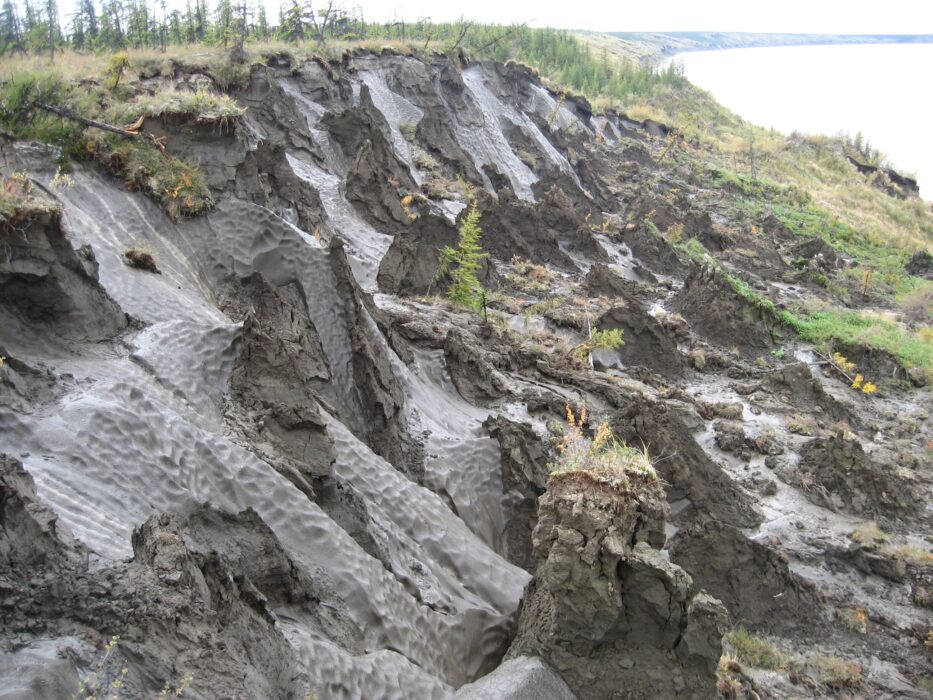
The microbial community originated from frozen soil in Interior Alaska, where permafrost can preserve life for tens of thousands of years. The sample remained sealed in ice since the Pleistocene era, when giant mammals like mammoths and bison roamed the region. Scientists used sterile methods to extract it and analyze its contents.
Because the soil remained undisturbed for so long, it provides a rare snapshot of Ice Age biology. The microbes found within were adapted to long-term dormancy, extreme cold, and low oxygen — conditions very different from today’s Arctic.
4. Ancient Microbes Released Carbon Faster Than Expected
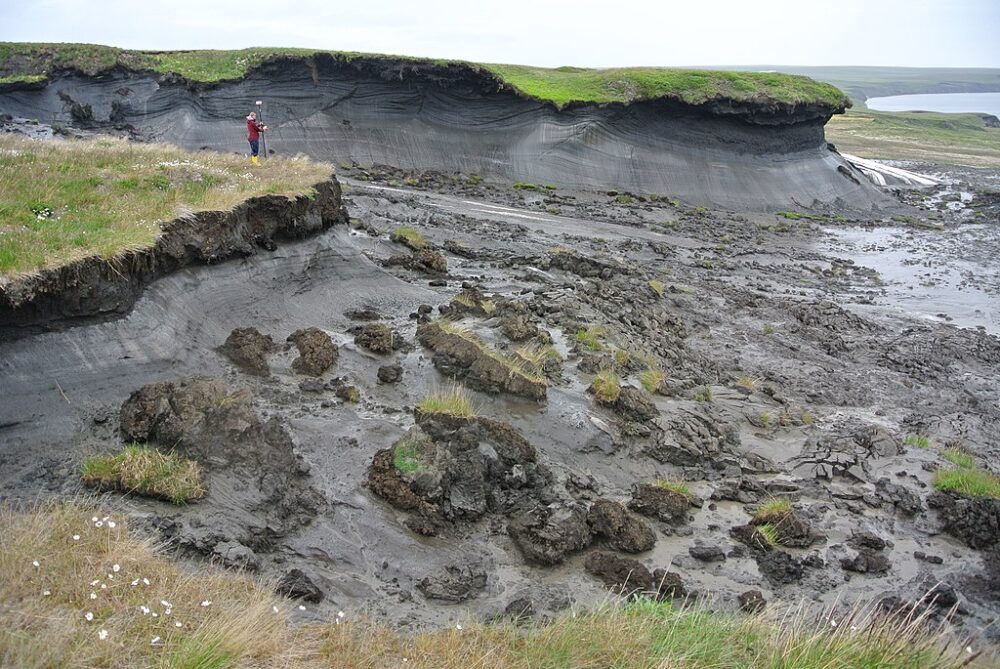
Once active, the ancient organisms began breaking down organic carbon stored in the soil. Their metabolism was surprisingly efficient, releasing greenhouse gases more rapidly than scientists predicted. This accelerated release could have serious implications in the Arctic, where massive stores of frozen carbon are locked in permafrost.
If large numbers of ancient microbes awaken as temperatures rise, the process could create a feedback loop that speeds up climate warming. The study suggests that microbial activity may play a larger role in carbon cycling than previously understood.
5. Modern and Ancient Microbes Behaved Very Differently

Scientists compared the revived ancient microbes with modern microorganisms living in the same region. They found clear differences in how the two groups processed nutrients and responded to thawing. The ancient microbes activated faster and consumed more organic matter than today’s species.
These differences hint at evolutionary changes over thousands of years. Ancient microbes evolved under cooler, less oxygenated conditions, giving them traits that may affect today’s ecosystems uniquely as they reawaken.
6. The Findings Raise Concerns About Permafrost Thaw
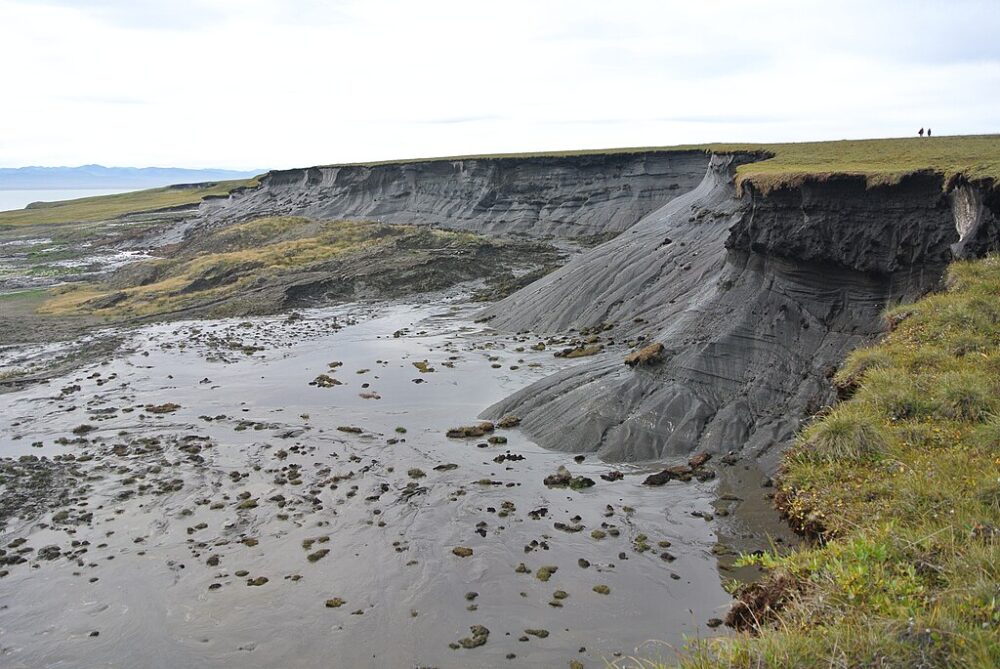
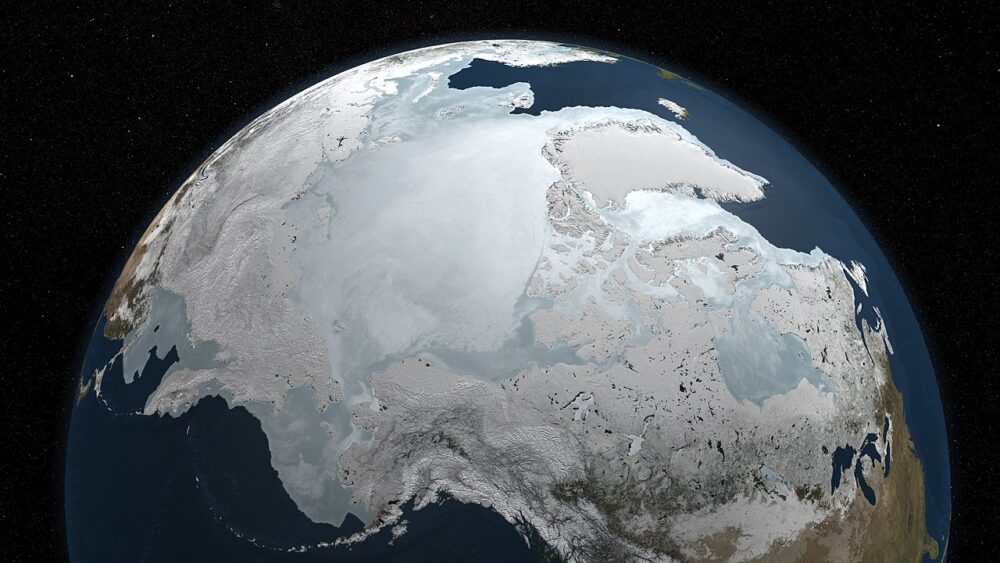
Permafrost across Alaska, Canada, and Siberia is thawing rapidly due to rising temperatures. As it melts, scientists expect more ancient microorganisms to revive naturally, not just in laboratory settings. Their activity could dramatically change soil processes in the Arctic, influencing plant growth, nutrient cycles, and greenhouse gas emissions.
The study adds to growing concerns that permafrost thaw may have unexpected biological consequences. Ancient microbes could accelerate carbon release, potentially amplifying global warming.
7. The Discovery Shows How Resilient Microbial Life Can Be
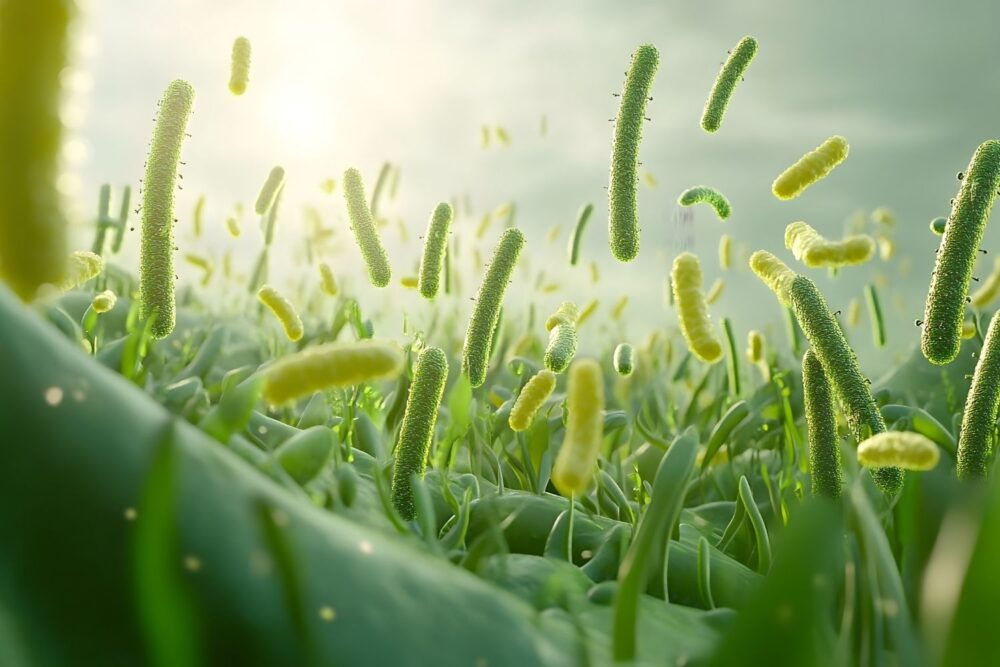
The ability of these microbes to survive 40,000 years of freezing conditions highlights the extraordinary durability of life. Many microorganisms can enter dormant states, slowing their metabolism to near zero until conditions improve. In this case, the microbes endured extreme cold, pressure, and isolation for millennia.
Their resilience underscores the possibility that other extreme environments on Earth — and even on planets like Mars — could harbor dormant life. The findings may guide future research into long-term survival strategies used by microorganisms.
8. Researchers Carefully Ruled Out Contamination

Because the results were so surprising, scientists took extensive steps to ensure no modern microbes contaminated the sample. They used sealed cores, sterile laboratory techniques, and genetic sequencing to confirm that the organisms were truly ancient. Only microbes with Ice Age genetic signatures became active after thawing.
This confirmation strengthens confidence in the results. It also highlights the importance of rigorous procedures when studying biological material preserved for thousands of years.
9. The Reawakened Microbes Offer Clues About Earth’s Past
By studying ancient organisms, scientists can learn how Ice Age ecosystems functioned. The microbes provide insight into past climates, soil composition, and environmental conditions that shaped early life. Their genetic traits preserve information about the adaptations required to survive long periods of freezing.
These findings help researchers understand how Earth’s climate cycles affect life over geological timescales. They also reveal how ancient ecosystems may respond if similar conditions return due to modern climate change.
10. Scientists Say More Ancient Organisms Could Re-Emerge
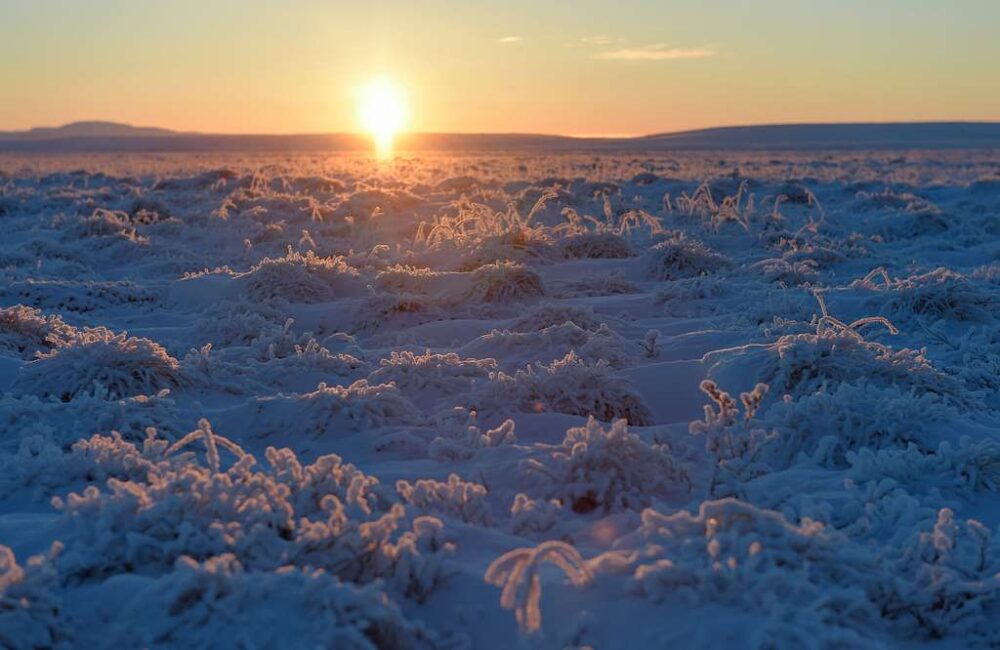
The Arctic contains vast permafrost layers that store countless frozen organisms, some dating back tens of thousands of years. As warming accelerates, many could thaw naturally and reactivate, potentially influencing ecosystems and climate in unpredictable ways. Some may contribute to carbon release, while others might compete with modern species.
Researchers emphasize that this process is already underway in some areas. Understanding how ancient microbes behave is essential for predicting Arctic changes and preparing for their ecological effects.
11. The Study Highlights a New Climate Feedback Risk
The revival of ancient microbes adds another layer to climate models. If these organisms accelerate carbon emissions when permafrost thaws, they could create a feedback loop where warming triggers microbial activity, which in turn releases more greenhouse gases. This dynamic could intensify warming in Arctic regions.
Scientists say more research is needed to understand how widespread and impactful ancient microbial revival could become. But the findings underscore the urgency of studying permafrost systems as the planet continues to warm.