
Marine archaeologists are uncovering new clues that may finally identify the airmen aboard a B-17 lost in the Baltic Sea.

A B-17 Flying Fortress that vanished over the Baltic Sea in 1944 has finally given up its secrets. Marine archaeologists, working with U.S. and European researchers, have begun identifying the crew members who went down with the long-lost bomber. The wreck was discovered decades ago, but only recently have scientists had the tools to analyze its debris, reconstruct its final moments, and match its story to military records. Their findings could bring long-awaited closure to families who never knew what happened to their missing airmen.
1. The Wreck Belonged to a B-17 Lost During a 1944 Mission
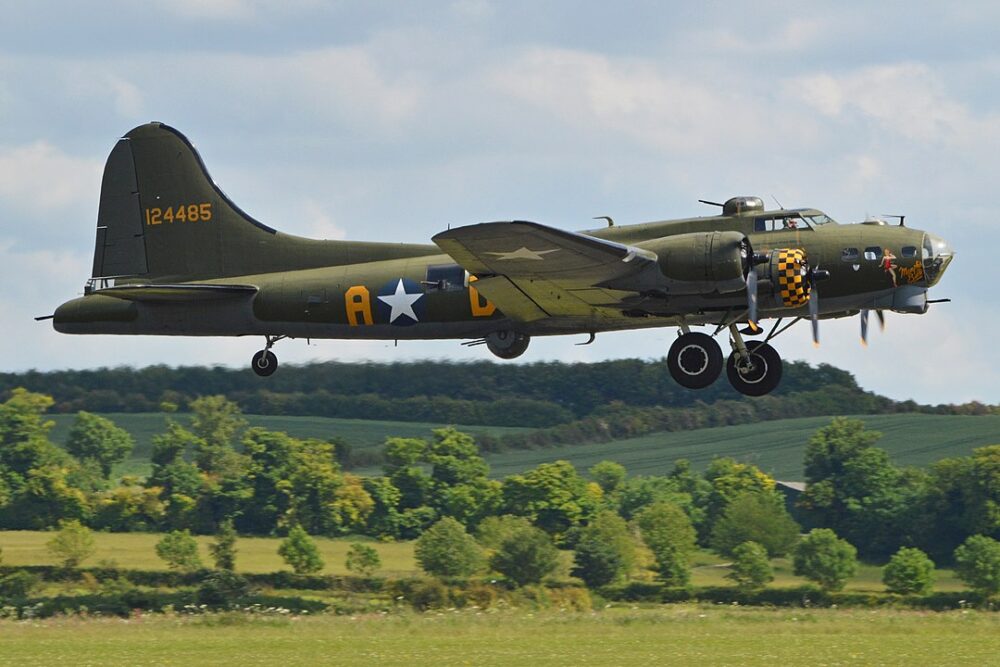
Researchers confirmed the aircraft was a B-17 Flying Fortress that crashed during a bombing mission in the final years of World War II. The bomber went down after sustaining damage in combat, but the identities of the crew members aboard remained unclear for decades. Its discovery in the Baltic Sea created the first opportunity to learn what happened in its final moments.
The wreck’s location and damage pattern match military reports of missing bombers from that period. Scientists now have enough data to tie the site to recorded missions and begin reconstructing its history.
2. The Plane Was First Spotted by Divers in 1992
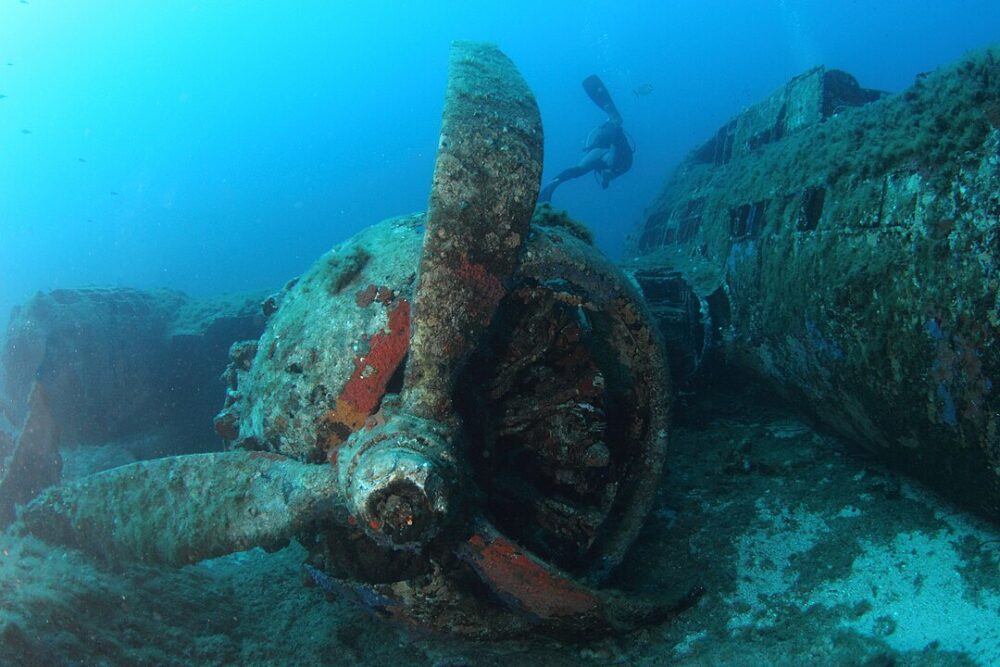
Although divers found the wreckage more than 30 years ago, the technology needed to study it in detail did not yet exist. Early surveys revealed only fragments of the bomber resting on the seafloor, and poor underwater visibility limited researchers’ ability to document it accurately.
Advances in sonar mapping, underwater imaging, and 3D reconstruction now allow scientists to examine the wreck with far greater precision. These tools make it possible to identify features of the aircraft and link them to specific B-17 models and units.
3. Scientists Used 3D Mapping to Reconstruct the Aircraft

Researchers scanned the site using high-resolution sonar and advanced imaging tools that can capture details normally invisible underwater. These scans allowed them to create a digital model of the bomber, showing how parts of the plane separated and where debris settled on the seafloor.
The reconstruction provides critical clues about the crash, including the angle of impact and the damage inflicted before the aircraft went down. These details help investigators match the wreck to known B-17 losses recorded in U.S. military archives.
4. Historical Records Narrowed the List of Possible Crews

Once researchers understood the wreck’s approximate coordinates and damage pattern, they reviewed wartime dispatch logs for B-17 missions that flew over the Baltic region. Only a handful of aircraft were reported missing in that area during the time period.
By comparing mission reports, radio transmissions, and final sighting notes, scientists reduced the list of potential crews to a small number. This step moved them closer to identifying the airmen aboard the bomber when it crashed.
5. The Evidence Points to a Crash During an Emergency Return
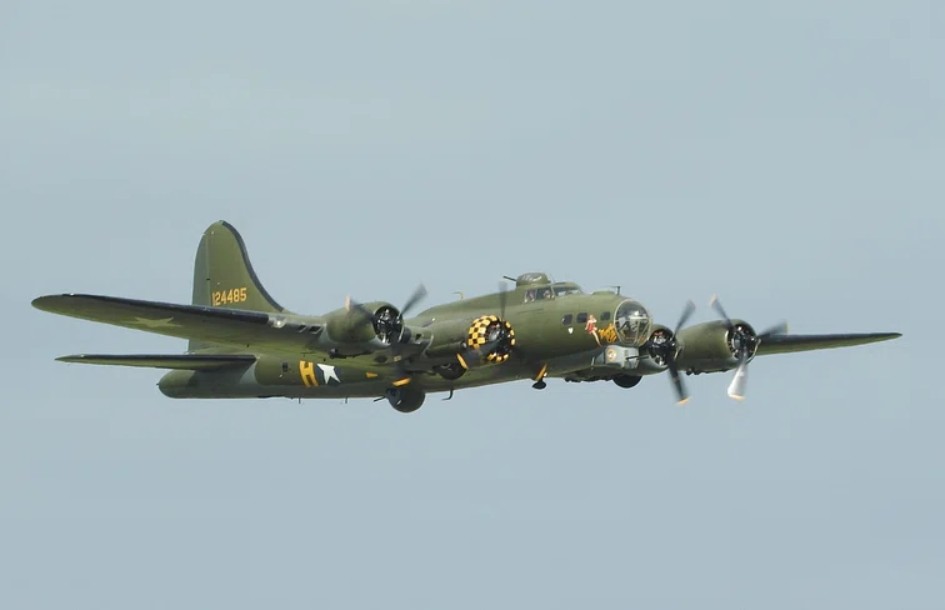
The damage suggests the bomber was hit during combat and attempted to return to base before mechanical failures made the aircraft impossible to control. Researchers believe the plane may have broken apart in the air or during impact with the water.
This scenario aligns with eyewitness accounts recorded by nearby Allied crews, who reported seeing damaged bombers struggling to stay airborne during the mission. Such emergencies were tragically common for aircraft flying long, dangerous routes across enemy territory.
6. Crew Identification Efforts Are Now Underway
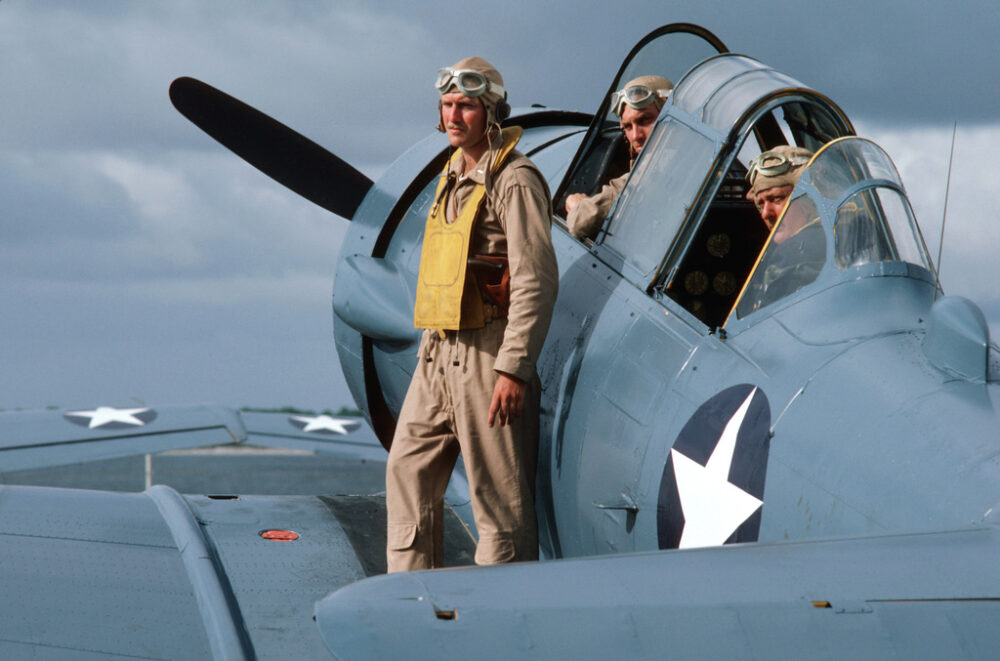
With a short list of possible missions and crew names, investigators are working with U.S. military records and agencies dedicated to identifying missing service members. They hope to match details from the wreck to personnel files, service numbers, and mission logs.
If successful, this effort could bring long-awaited closure to descendants who never knew the fate of their relatives. Many World War II families still lack answers about loved ones who never returned from missions in Europe.
7. The Cold Baltic Sea Helped Preserve Key Evidence
Cold, low-oxygen waters in the Baltic Sea slow down the decay process, allowing parts of the bomber to remain surprisingly intact after 80 years. This preservation made it easier to analyze structural details, including machine-gun mounts, engine components, and fuselage designs unique to B-17 models.
Preservation also helps ensure that artifacts remain identifiable. Even after decades underwater, the wreck still provides valuable physical evidence that ties it directly to a specific set of wartime missions.
8. The Project Highlights the Importance of Underwater Archaeology

Marine archaeologists say the Baltic is filled with relics from wartime battles, naval clashes, and aircraft losses. Each discovery helps fill gaps in historical records and provides insight into the experiences of service members during World War II.
Investigating wrecks like this B-17 allows both scientists and the public to better understand the risks these crews faced. The work also helps preserve history before shifting sediment, storms, or human activity disturb remaining evidence.
9. This Case Shows How Technology Is Transforming WWII Research
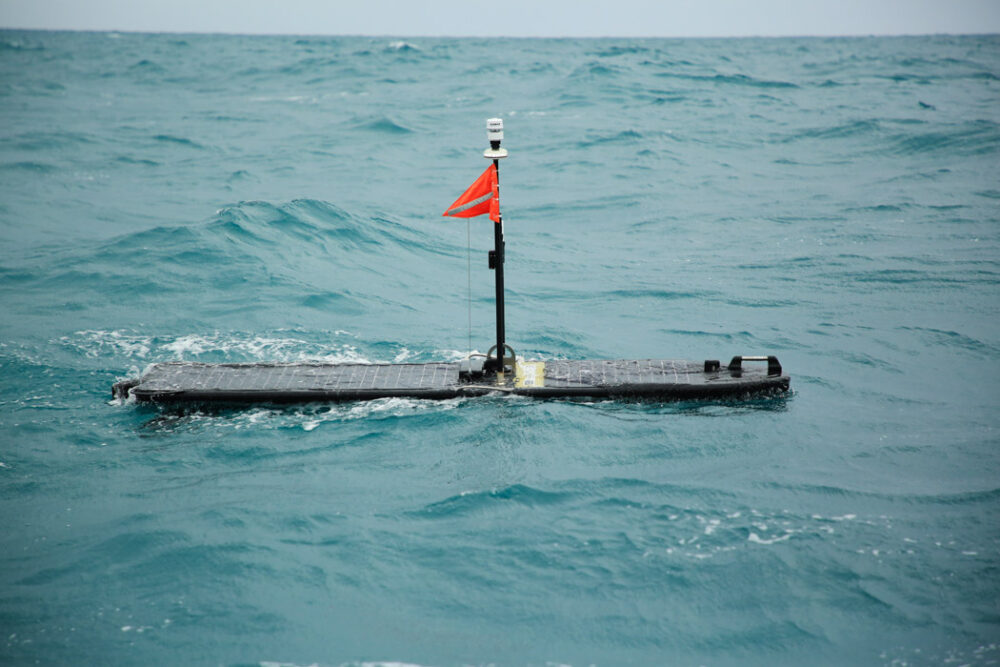
Modern tools such as drone-operated submersibles and sonar imaging allow researchers to explore underwater sites that were previously unreachable or too dangerous to study. These technologies make it possible to analyze wrecks without disturbing them, preserving their historical integrity.
As tools improve, scientists expect to recover more information about lost aircraft and ships from the war. Many mysteries that once seemed unsolvable can now be revisited with powerful digital methods.
10. The Crew’s Story May Soon Be Told After 80 Years

For decades, the identities of the airmen aboard this bomber remained a mystery, leaving families without closure. Now, thanks to new research, military records, and underwater technology, scientists are closer than ever to naming the crew members and telling their story.
This breakthrough highlights how even long-lost wartime tragedies can still be investigated. As researchers continue analyzing the wreck, the hope is that they can finally honor the airmen who never returned home.