
Scientists say Webb may have spotted the earliest and most distant supermassive black hole ever found.

Astronomers using the James Webb Space Telescope may have discovered the most ancient supermassive black hole ever observed—a cosmic giant that existed just 350 million years after the Big Bang. The black hole appears to sit inside a young galaxy called GHZ2, which shines from a time when the universe was still forming its very first stars. If confirmed, the discovery could help explain how such enormous black holes grew so quickly in the early universe and challenge long-standing theories about the birth of cosmic structures.
1. Webb Detected Light From Just 350 Million Years After the Big Bang
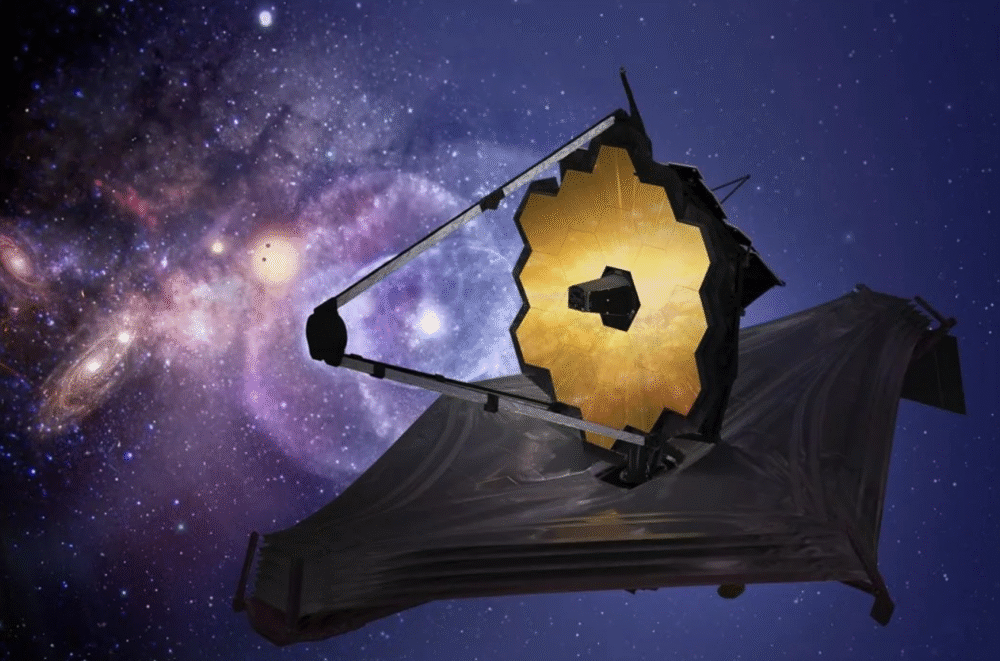
The James Webb Telescope captured light from galaxy GHZ2 that originated when the universe was only about 2 to 3 percent of its current age. At this early stage, galaxies were still forming their first stars and assembling the structures that would shape the universe’s future. Webb’s sensitivity allowed astronomers to peer deeper into time than previous telescopes.
This window onto the universe’s earliest years makes the discovery especially compelling. It suggests that supermassive black holes may have formed far sooner than scientists once believed, hinting at new cosmic processes at work.
2. The Galaxy Hosts a Surprisingly Massive Black Hole
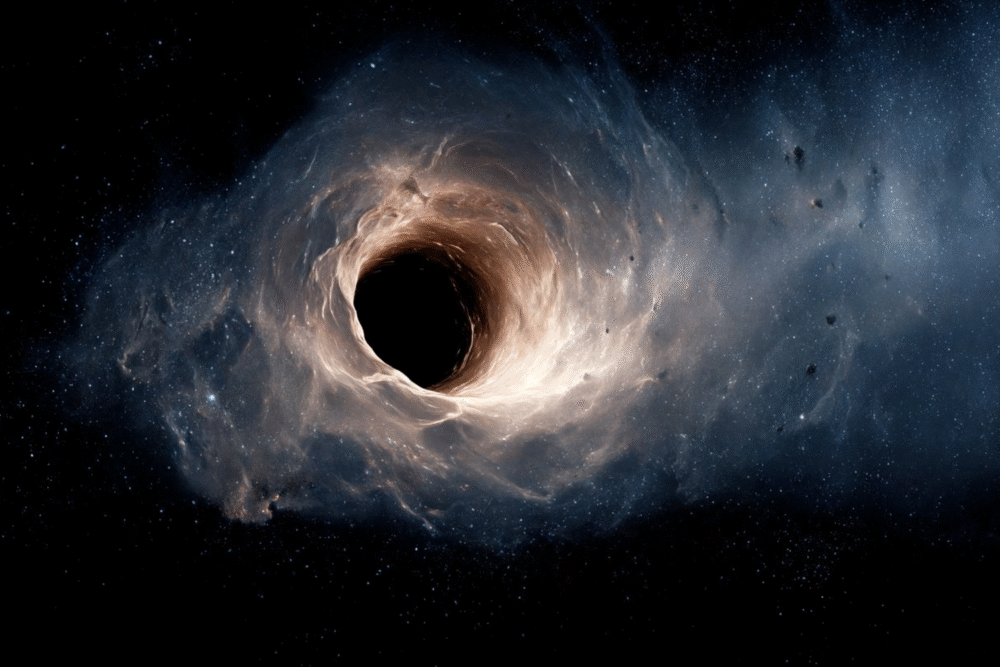
Based on the brightness and energy signature coming from GHZ2, researchers believe a supermassive black hole millions of times the mass of the sun sits at its center. This is astonishing because such huge black holes typically take long periods to grow, often hundreds of millions of years.
The fact that one existed so early in cosmic history challenges current theories. Scientists now wonder whether black holes in the early universe grew much faster or formed through different pathways entirely.
3. Its Rapid Growth Defies Standard Cosmology Models
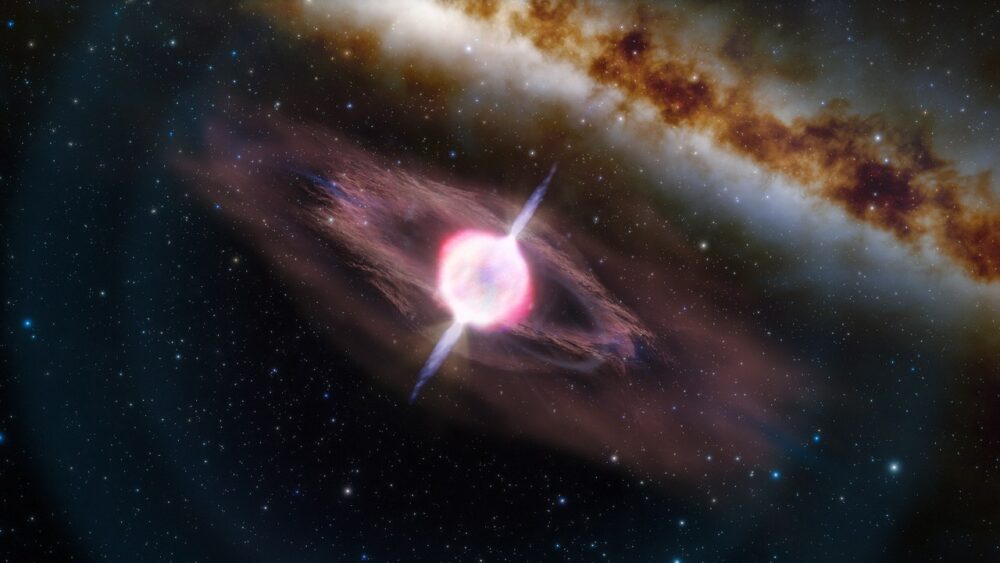
Traditional models assume black holes begin as relatively small objects formed by collapsing stars, slowly gaining mass over time. But GHZ2’s black hole seems far too large for such a slow process. Its rapid growth suggests alternative explanations, such as the direct collapse of massive gas clouds into huge black hole seeds.
If these theories are correct, the universe may have created giant black holes far more efficiently than scientists ever imagined. That could reshape how astronomers understand early galaxy formation.
4. Webb’s Infrared Eyes Made the Discovery Possible
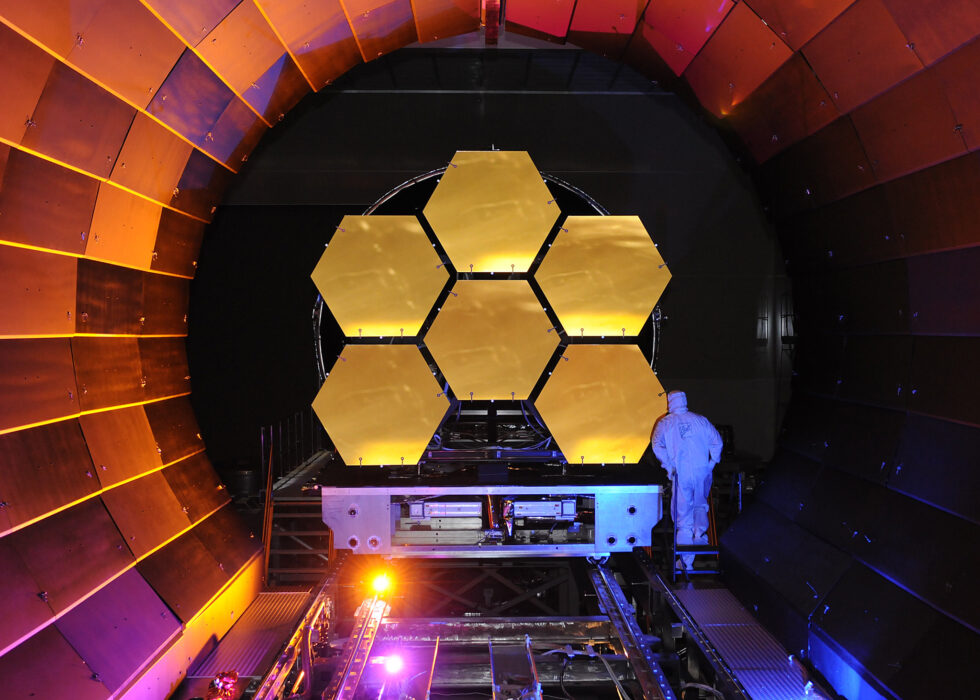
The James Webb Telescope observes infrared light, which travels through cosmic dust and stretches as the universe expands. This allows Webb to see objects farther away—and therefore further back in time—than any previous telescope, including Hubble. GHZ2’s faint, ancient light was detectable only through Webb’s advanced instruments.
These capabilities are transforming astronomy by revealing the earliest stages of cosmic evolution. Each new deep-space observation helps scientists reconstruct what the universe looked like shortly after it began.
5. The Galaxy Appears Unusually Bright for Its Age
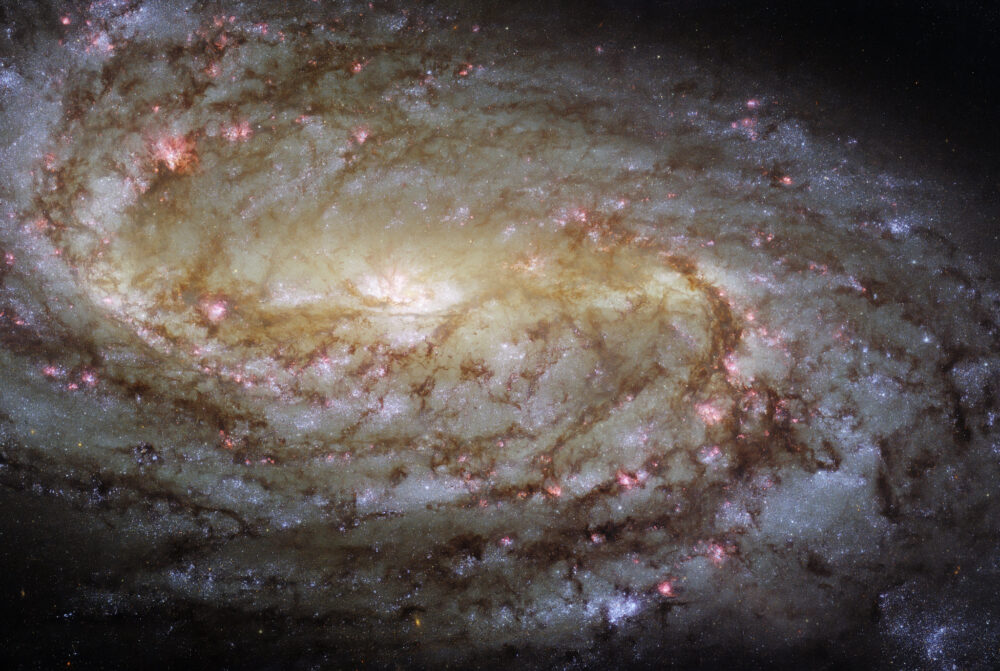
GHZ2 emits much more light than expected for a galaxy so early in the universe. Astronomers suspect the supermassive black hole may be feeding on surrounding gas, releasing intense radiation as material falls inward. This activity, known as accretion, makes black holes appear extremely bright even when the galaxy around them is still growing.
The bright signals offer clues about how the black hole interacts with its environment. Studying this process helps scientists understand how black holes and galaxies evolve together.
6. Early Black Holes May Have Formed in Different Ways
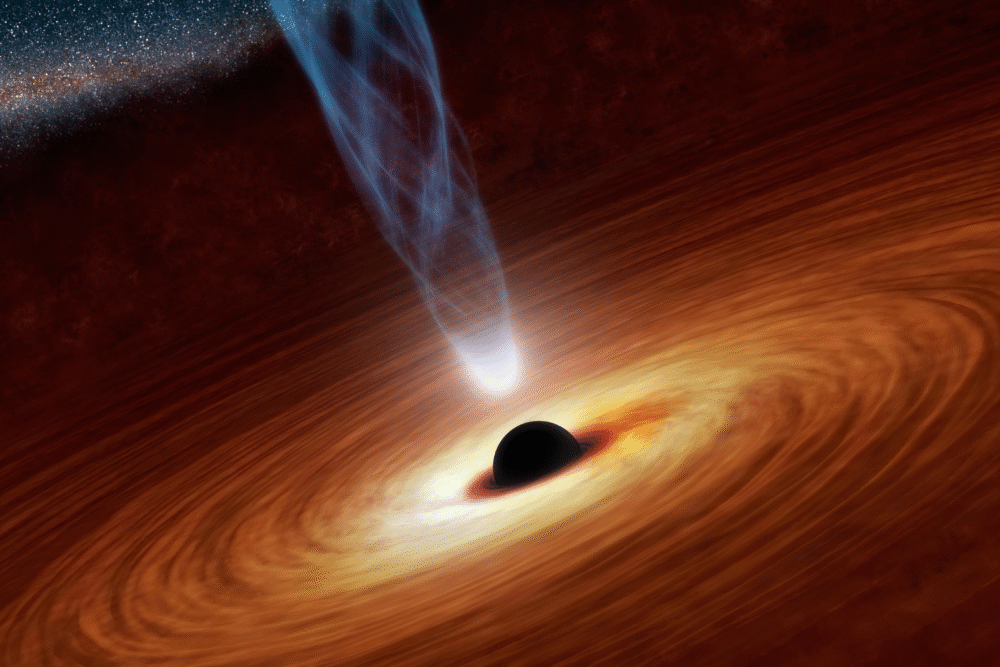
The discovery has renewed interest in alternate theories of black hole formation. One idea is that early black holes were born from massive gas clouds that collapsed directly into enormous objects. Another proposes that dense star clusters merged rapidly, creating unusually large seeds for future growth.
These possibilities point to a universe that was more chaotic and energetic in its earliest stages. Understanding these processes could explain why some ancient galaxies contain huge black holes despite their young age.
7. The Finding Could Challenge Big Bang Timelines
If GHZ2’s black hole is as massive as current data suggests, scientists may need to revisit the timelines for early cosmic evolution. It implies that large structures formed much sooner than predicted by standard models. This could influence theories about star formation, galaxy growth, and how matter settled into the universe’s earliest shapes.
Such discoveries don’t overturn the Big Bang model but help refine its details. They highlight how much remains unknown about the universe’s first few hundred million years.
8. Researchers Are Conducting Follow-Up Observations
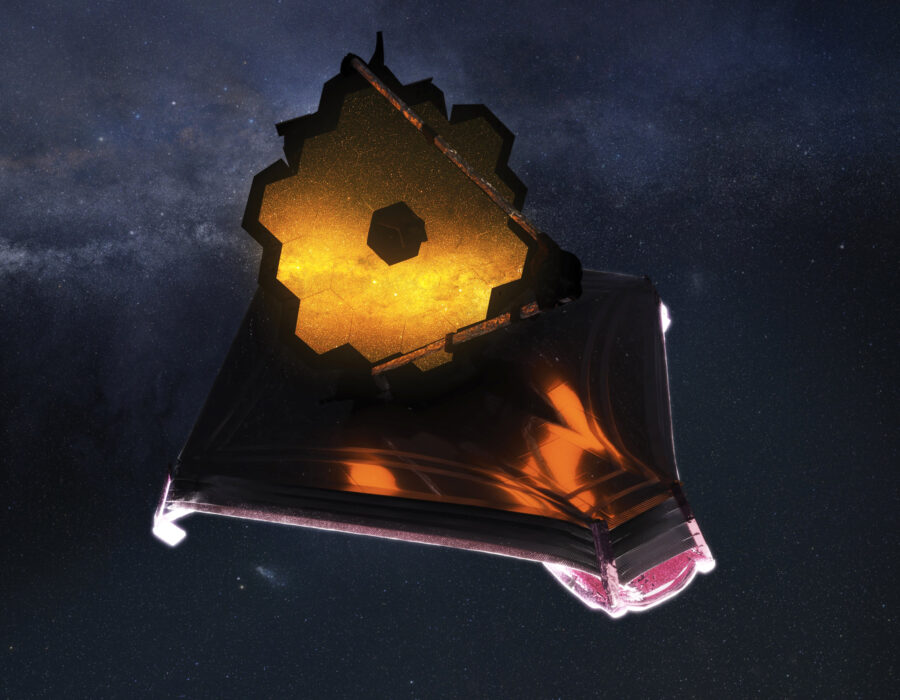
Astronomers plan additional Webb observations to confirm the black hole’s size and behavior. These follow-up studies will examine the galaxy’s light spectrum, looking for signs of gas heating and radiation that indicate black hole activity. Only with more data can scientists determine whether GHZ2 truly hosts one of the earliest giant black holes.
Confirmation would mark a major milestone in astronomy. It could also inspire new models to explain how black holes formed so quickly after the Big Bang.
9. The Discovery Offers Clues About Early Star Formation
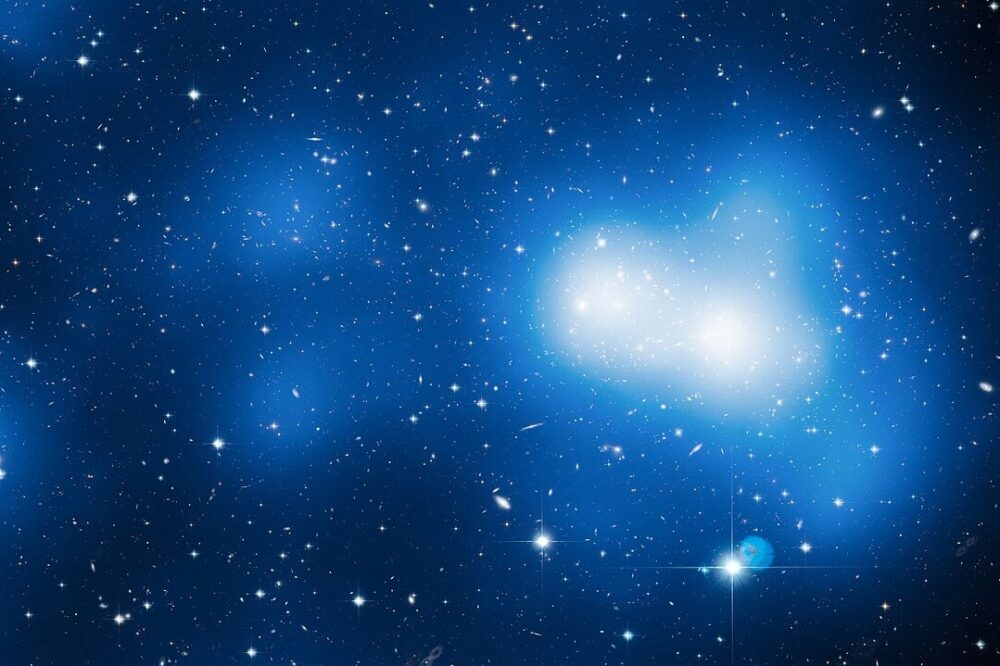
Studying GHZ2 helps astronomers understand how the first generations of stars might have formed around massive black holes. Early galaxies were small and chaotic, yet they produced stars at impressive rates. A giant black hole at the center could influence how gas flows through the galaxy, affecting star birth and shaping the galaxy’s structure.
These interactions between black holes and their host galaxies remain a key area of research. Webb’s data provides a rare look at these processes in their earliest stages.
10. Webb Continues to Rewrite the Universe’s Oldest Chapters
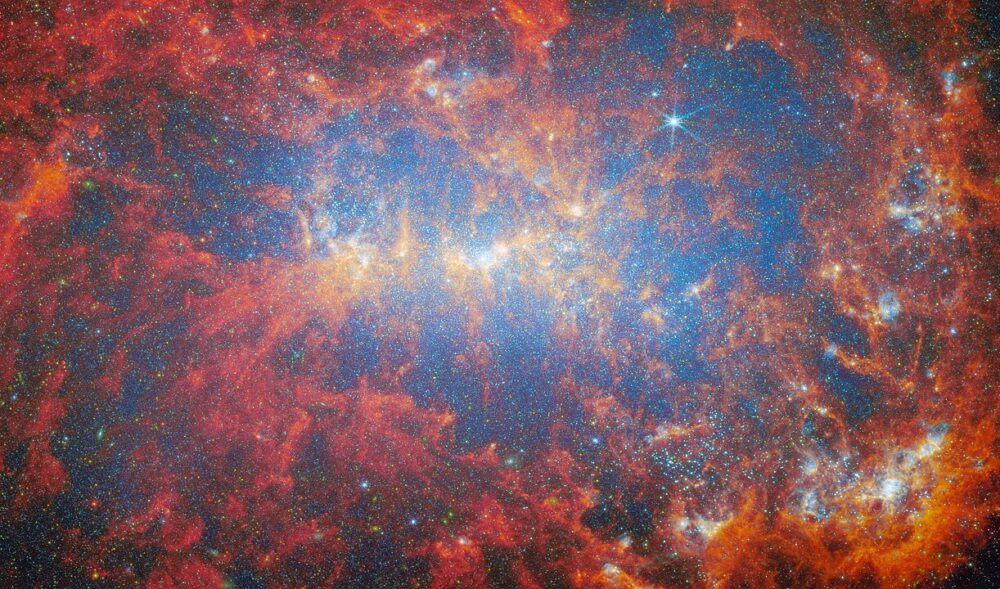
Since its launch, the James Webb Telescope has revealed galaxies and cosmic structures older and more distant than scientists expected. Many of these discoveries challenge existing theories about how quickly the early universe evolved. GHZ2 is the latest in a growing list of objects showing that the cosmos may have been more active and complex in its youth.
Each new finding pushes astronomers to refine their models. GHZ2 could become one of the defining examples of this early cosmic complexity.
11. More Ancient Black Holes May Soon Be Found
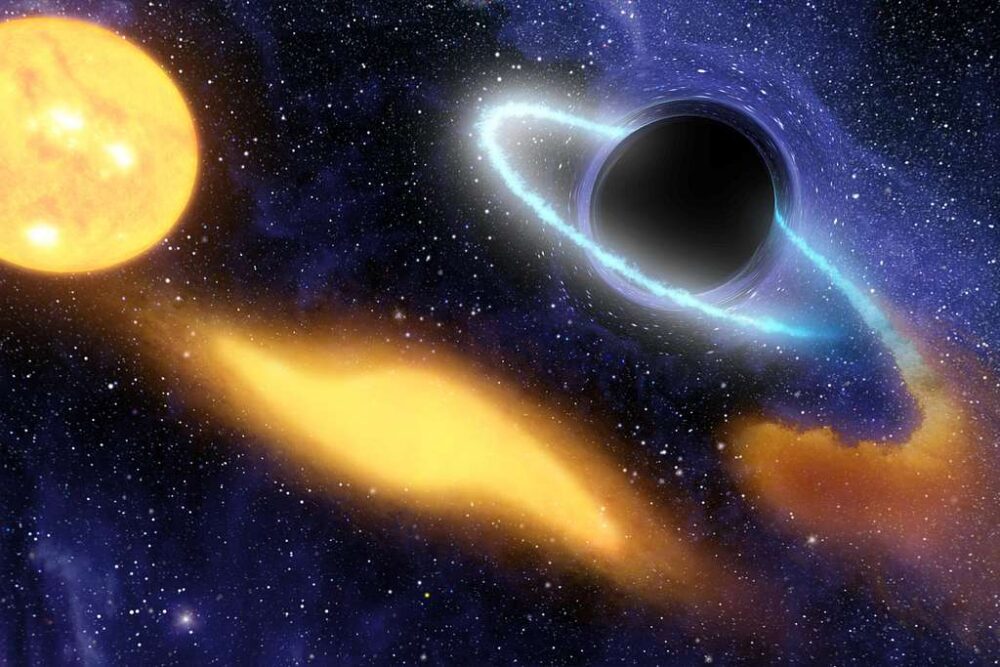
If Webb can detect a black hole this massive so early in the universe’s history, it’s likely not alone. Astronomers expect that additional deep-sky surveys will uncover more ancient black holes and galaxies that formed surprisingly quickly.
Finding more objects like GHZ2 will help determine whether its rapid growth is unusual or part of a broader pattern. Either way, discoveries like this show that the universe still holds many surprises—and that Webb is only beginning to uncover them.